

Brown Wooden Writing Table
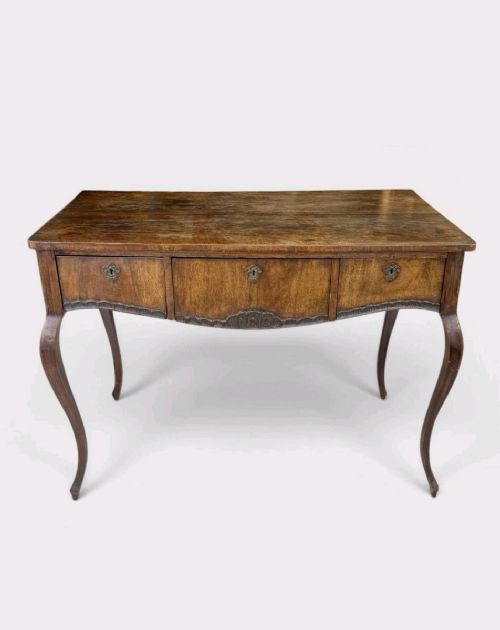
A brown wooden writing table serves as a functional workspace that brings warmth and character to a room through traditional craftsmanship.
Brown Wooden Writing Table
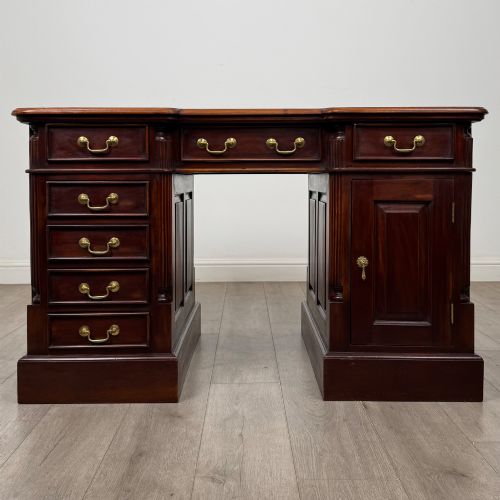
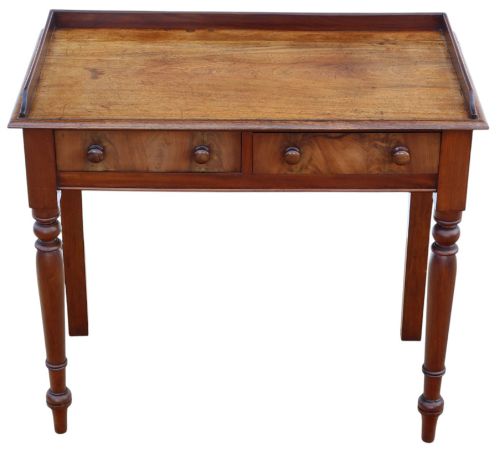
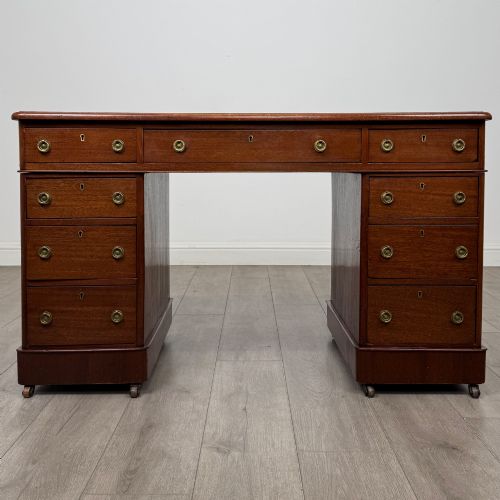
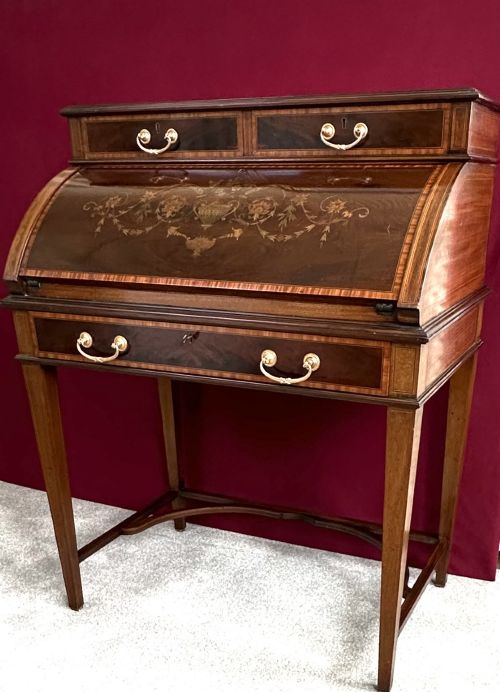
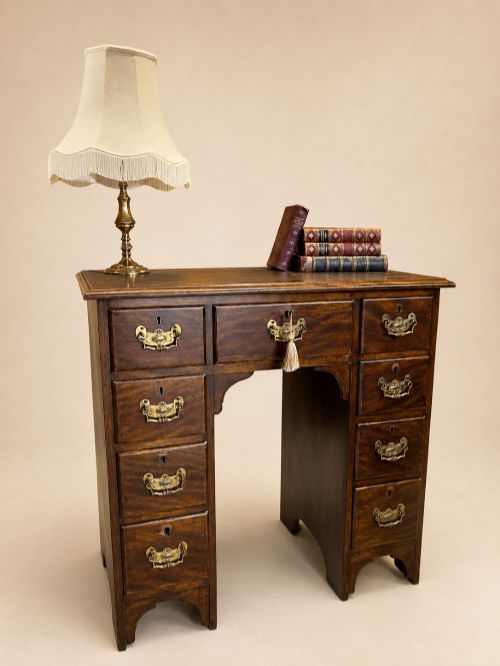
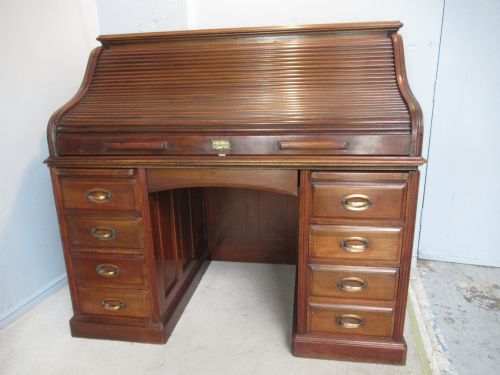
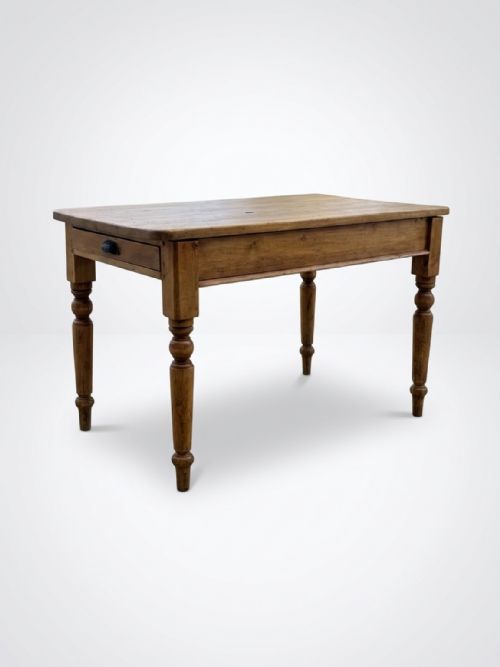
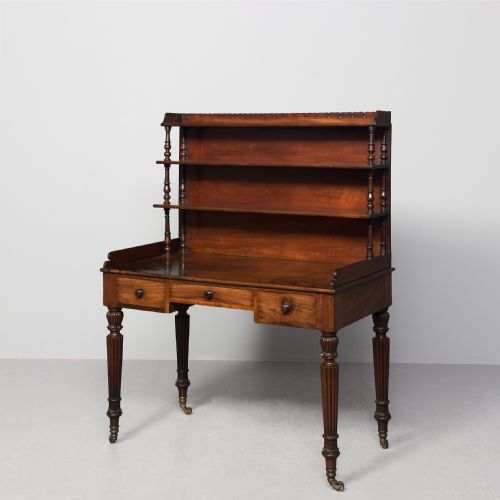
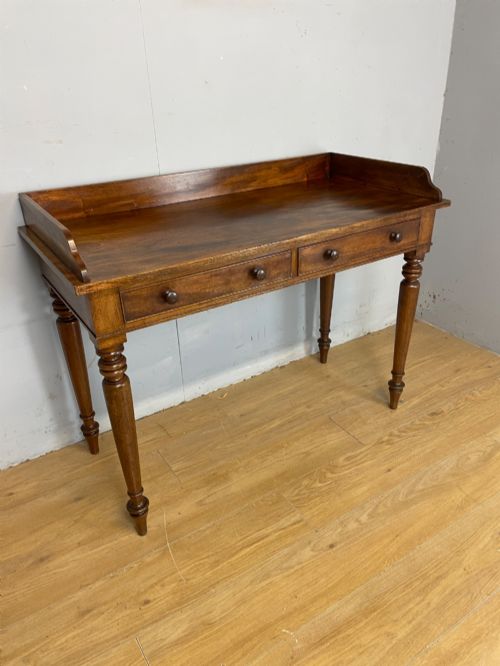
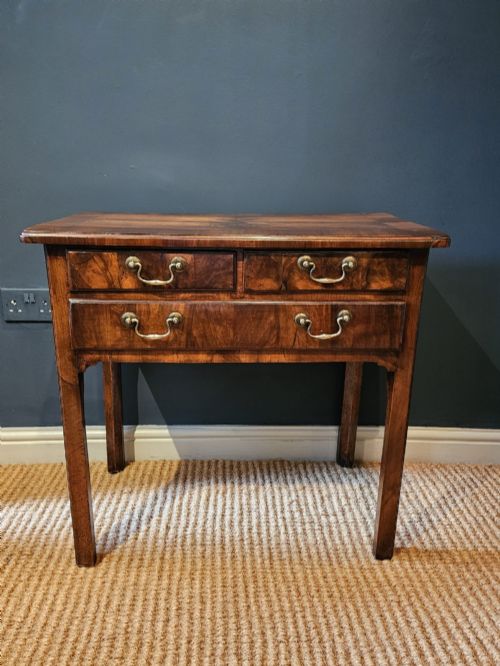
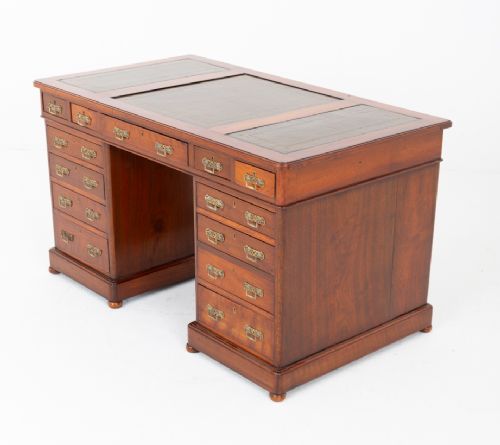
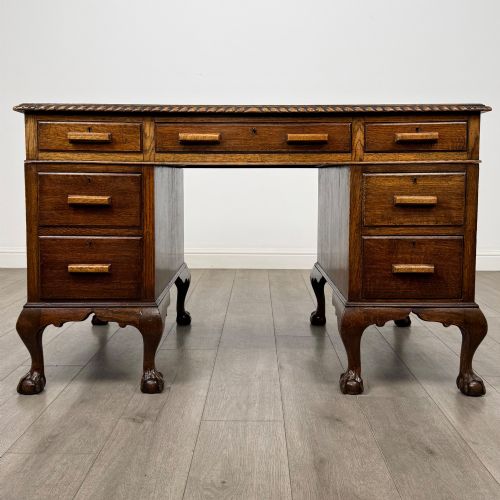
A brown wooden writing table encompasses various practical forms designed for study and correspondence, spanning centuries of domestic furniture production. Buyers encountering this selection will find formats ranging from compact side tables and lowboys to twin pedestal desks and fall front bureaus.
The pieces originate across multiple notable periods, with Victorian and Edwardian examples appearing frequently alongside earlier Georgian items and later Art Deco designs. Materials span traditional timbers like mahogany, oak, and walnut, frequently complemented by inset leather writing surfaces or brass hardware.
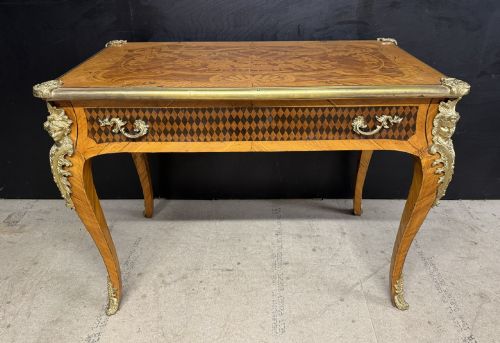
Object variations include free standing sofa tables, kneehole desks, and console tables with multiple drawers. Regional and stylistic diversity emerges through French Provincial, Regency, and Gothic influences across the inventory.
Evaluating the Range
Quality differences stem from the selection of timber veneers and the precision of the underlying joinery. Superior examples display carefully matched grain patterns, such as flame mahogany or burr walnut, integrated seamlessly across multiple drawers and panels.
The refinement of carved details, the integrity of structural framing, and the retention of original brass fittings or leather inserts distinguish finer workshop output from standard utilitarian furniture.
James Mein of Kelso·Hobbs & Co.·Heal's
The Brown Wooden Writing Table Glossary
- Pedestal desk
- A heavy freestanding desk comprising two supporting banks of drawers beneath a single wide top. These units provide substantial storage and workspace.
- Lowboy
- A small traditional table with drawers, typically raised on relatively tall legs. It functions as a dressing table or side table.
- Sofa table
- An oblong table designed to stand in front of a sofa, frequently featuring drop leaves on either side. These pieces often incorporate two small drawers.
- Kneehole desk
- A compact desk featuring a central recess for the user's legs, flanked by one or two banks of small drawers. This form maximises storage in restricted spaces.
- Marquetry
- Decorative inlay work using various coloured woods to create pictorial or geometric patterns on furniture surfaces. This technique highlights the maker's skill.
Brown Wooden Writing Table: Frequently Asked Questions
How do I identify a Victorian desk?
Victorian desks often feature rich mahogany or walnut timbers, substantial pedestal structures, and sometimes inset leather writing surfaces. These pieces reflect the robust construction methods popular during the nineteenth century.
Look for characteristics such as turned wooden knobs, brass drawer pulls, and traditional dovetailed drawer construction to confirm the period.
What is the difference between a writing table and a pedestal desk?
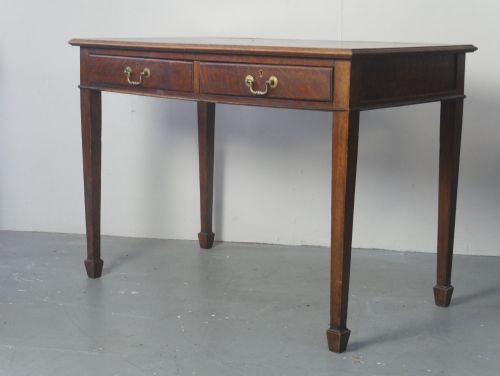
A writing table typically stands on four legs with one or more drawers built into the frieze beneath the top. It offers an open, lighter appearance within a room.
In contrast, a pedestal desk rests on two enclosed banks of drawers or cupboards, providing greater storage capacity and a more substantial footprint.
Where should I place a sofa table?
A sofa table traditionally stands directly behind the back of a sofa, though its narrow proportions also suit hallway or console placement. The drop leaves allow the surface area to adjust depending on available space.
Ensure the height matches or sits slightly below the sofa back for a balanced interior arrangement.
How do I care for a leather desk top?
Leather writing inserts require gentle cleaning with a soft, dry cloth to remove dust and debris. Avoid harsh chemical cleaners that can dry out and crack the material.
Applying a specialised leather balm periodically helps maintain suppleness and preserves the gold-tooled borders often found on antique examples.