
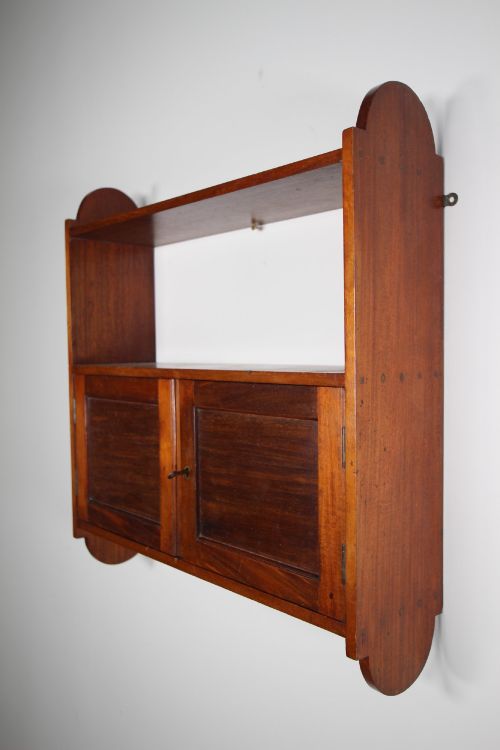
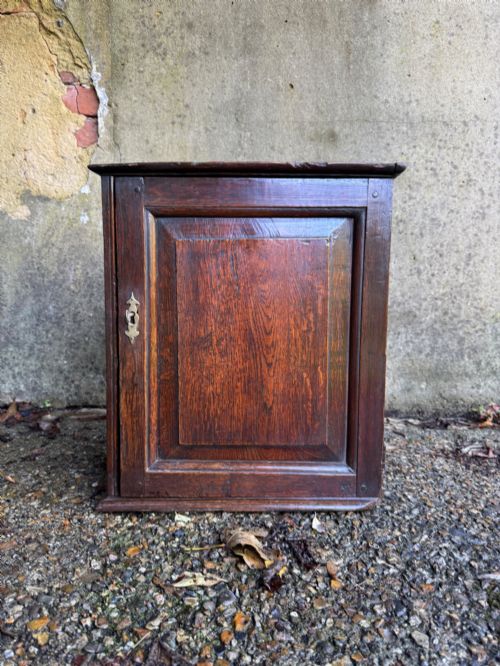
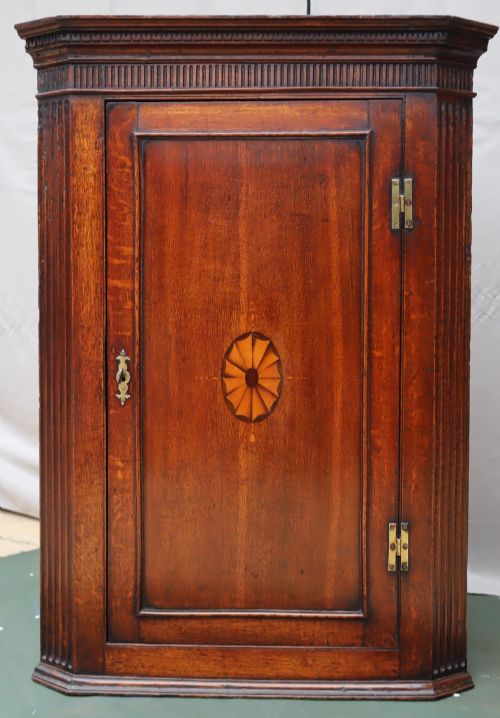
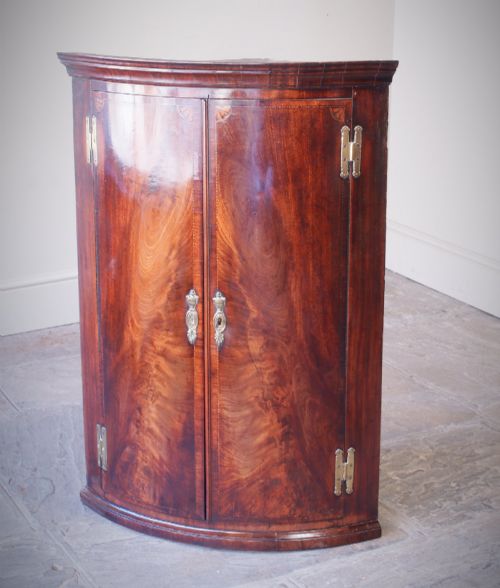
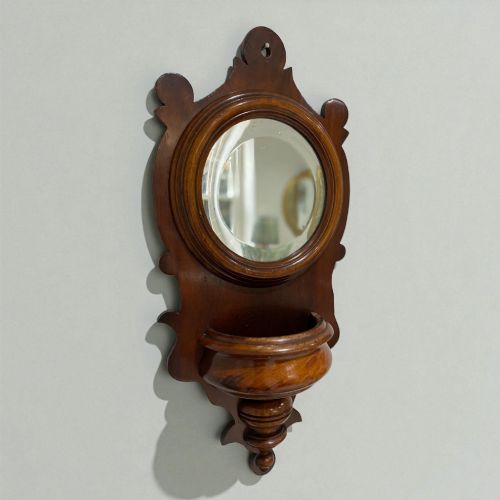
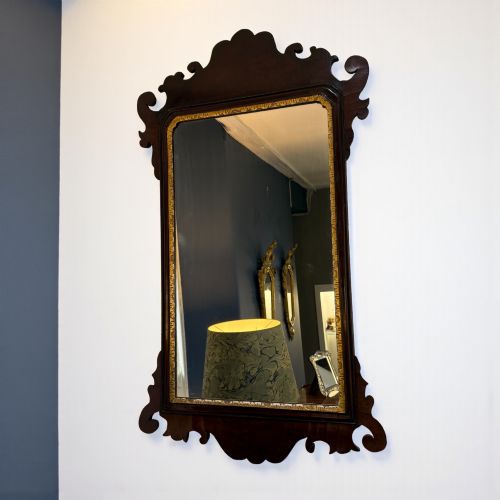
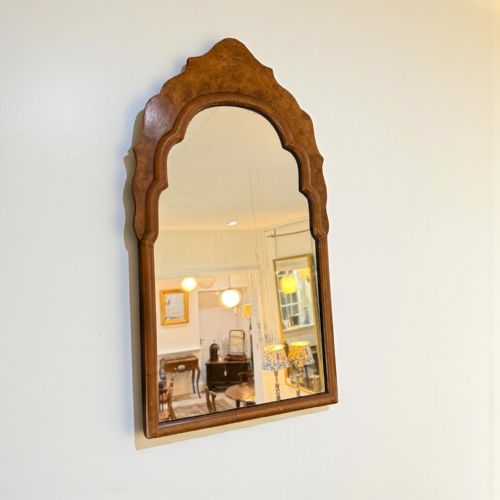
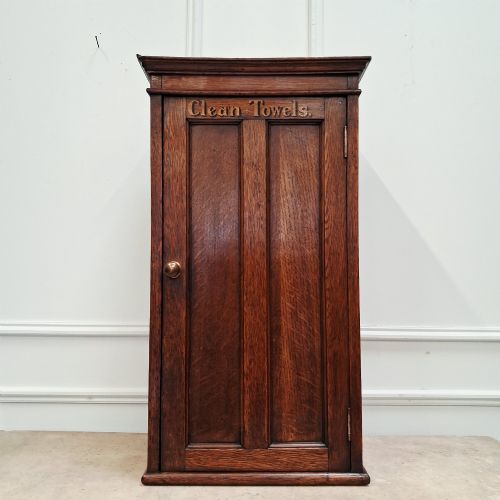


Brown Wooden Wall Hanging
These brown wooden wall hanging pieces bring warmth and practical storage to a room through centuries of cabinet-making tradition.
Brown Wooden Wall Hanging
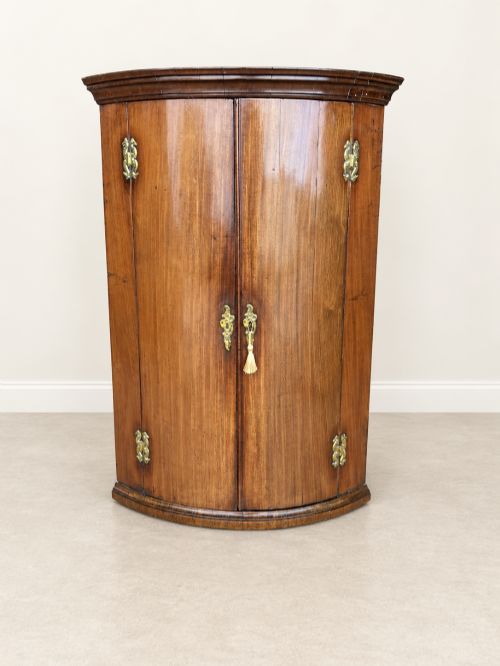
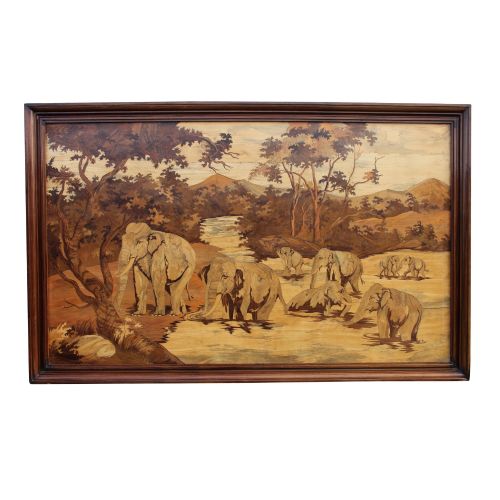
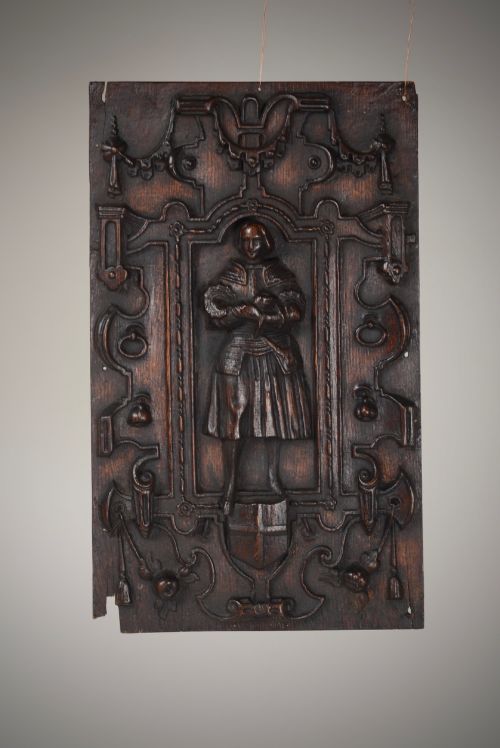
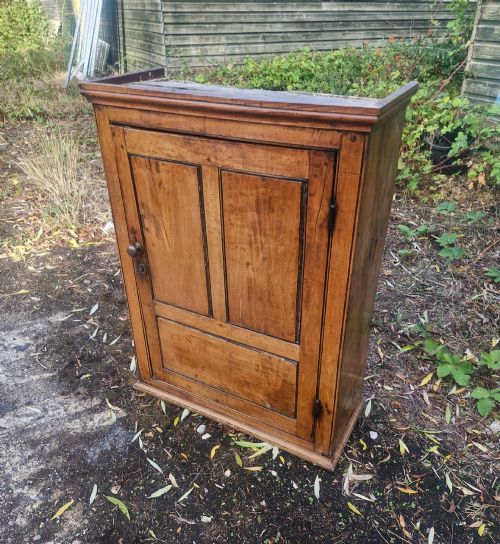
A brown wooden wall hanging encompasses functional items designed to be mounted securely, ranging from oak spice cupboards and mahogany corner cupboards to walnut wall shelves and candle boxes. These pieces emerge predominantly from the eighteenth and nineteenth centuries, reflecting the domestic habits of Georgian and Victorian households.
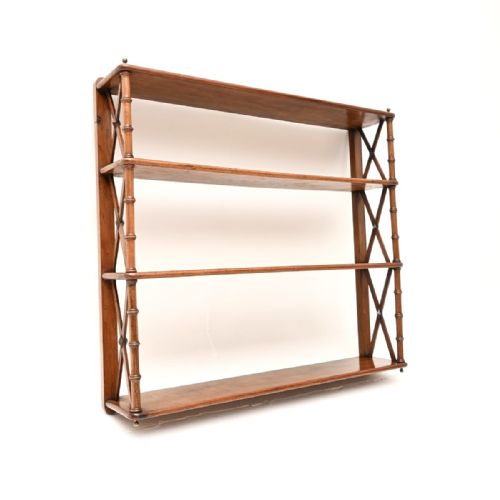
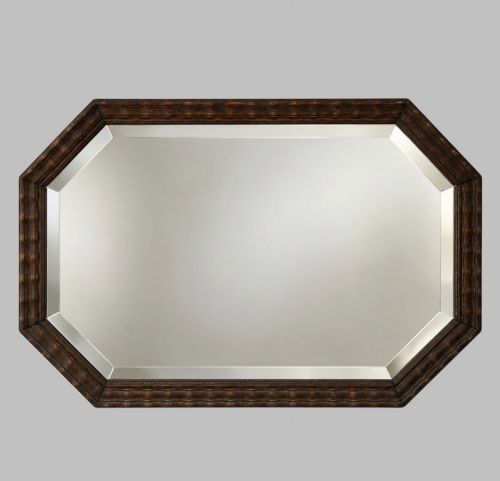
Buyers encounter substantial variety in form, including plate racks, pier mirrors, and hanging bookcases constructed to maximise vertical space in smaller rooms. Oak and mahogany appear frequently, shaped into both plain utilitarian boxes and refined inlaid cabinets.
Materials and construction
Makers utilised solid timbers such as oak, mahogany, walnut, and satinwood, often pairing them with brass or iron hardware for hinges, latches, and hooks. Cabinet construction involved traditional joinery techniques, visible in the dovetailing of candle boxes and the panelled doors of wall cupboards.
Listings feature items spanning the 17th, 18th, and 19th centuries, constructed from oak, mahogany, walnut, and satinwood.
Factors of quality
Quality rests primarily on the choice of timber and the crispness of the hand-carved details or inlay work found on the surface. Superior examples display thoughtful proportions and well-figured wood grains that have aged with a rich, deep colour.
The integrity of the original construction, including period brass or iron hardware and undisturbed backboards, distinguishes finer specimens. Pieces that retain their original structural joinery without heavy timber replacement command greater respect among collectors.
Waring and Gillow
The Brown Wooden Wall Hanging Glossary
- Candle box
- A small wall-mounted container historically used to store tallow or beeswax candles safely away from pests. These boxes typically feature a hinged lid and a shaped backboard with a hole for hanging.
- Spice cupboard
- A small hanging cabinet fitted with a central door, often concealing multiple small internal drawers for storing expensive kitchen spices. They date largely from the seventeenth and eighteenth centuries in oak and walnut.
- Plate rack
- A wall-fixed wooden frame designed to display ceramic plates upright on slatted shelves. Georgian examples often accompany larger dresser bases but survive independently as wall hanging pieces.
- Pier mirror
- A tall, narrow wall mirror designed to hang on the wall space between windows. These mirrors frequently incorporate mahogany frames and sometimes gilded or inlaid details.
- Salt box
- A lidded wooden container hung on the wall to keep domestic salt dry and accessible near the hearth. Many feature sloping lids and robust iron hinges.
Brown Wooden Wall Hanging: Frequently Asked Questions
How do I hang a heavy wooden wall cabinet safely?
Most antique wall cupboards and cabinets feature sturdy backboards or built-in hanging brackets designed to take the weight of the piece. It is essential to fix them directly into wall studs or use appropriate heavy-duty wall anchors suited to the plaster or brick.
Because these older timbers are dense and heavy, spreading the load across multiple fixing points ensures the piece remains secure over time.
Were these wooden cabinets meant for kitchens or living rooms?
Their placement depended entirely on the specific form, with spice cupboards, salt boxes, and plate racks designated for food preparation areas near the hearth. Other items like corner cupboards, bookcases, and mirrors served formal reception rooms and hallways.
Domestic spaces in Georgian and Victorian homes required clever vertical storage, meaning smaller cabinets and shelves moved freely between functional and public rooms depending on the household.
How can I tell an 18th-century oak box from a 19th-century copy?
Eighteenth-century pieces typically display hand-cut joinery, pegged joints, and forged iron hardware that show subtle irregularities from manual production. The timber itself exhibits deep patination and shrinkage marks accumulated over centuries of exposure to household environments.
Later copies or Victorian revivals often feature more uniform machine-sawn elements, standardised screws, and a brighter surface finish that lacks the mellow depth of earlier oak.
What is the best way to clean antique brown wood?
Dusting gently with a dry, soft cloth is the safest routine maintenance for antique oak, mahogany, and walnut surfaces. Avoid modern silicone sprays or harsh chemical cleaners that can degrade the historic polish and finish.
Applying a traditional beeswax polish occasionally helps nourish the dry timber and maintains a soft, protective sheen without building up excessive residue.