





Vintage Inlaid Wood Panel
These vintage inlaid wood panel examples bring together diverse global craft traditions, offering tactile warmth and intricate surface pattern to any interior scheme.
Vintage Inlaid Wood Panel
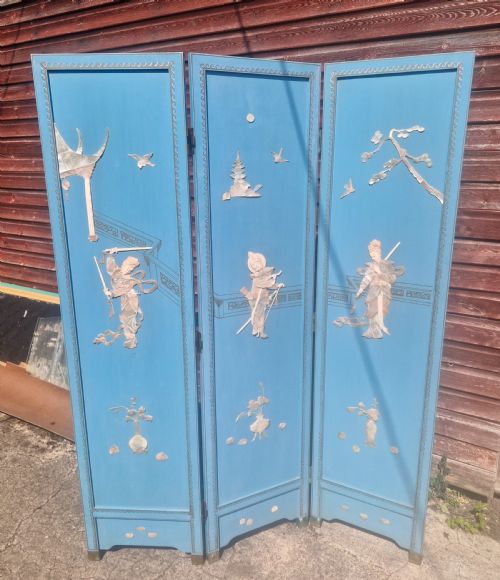
A vintage inlaid wood panel brings together diverse global craft traditions, spanning periods from the eighteenth century to the mid-century modern era. When you search for a vintage inlaid wood panel, you encounter an array of wall art, architectural dioramas, and folding screens created in varied styles.
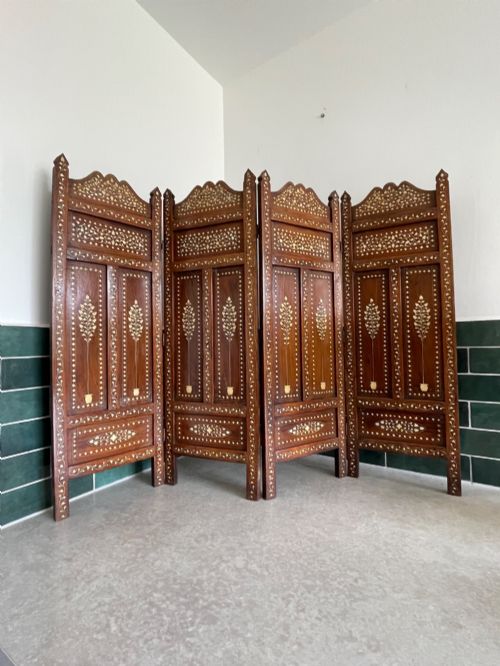
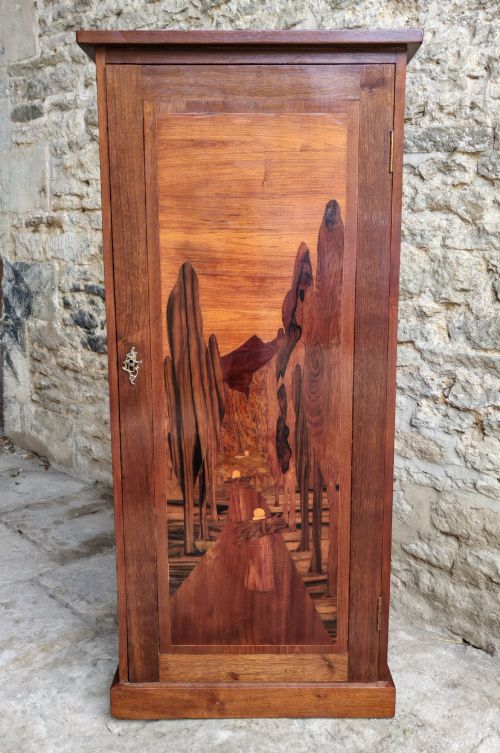
The selection ranges widely across origins and influences, incorporating Anglo-Indian, Moorish Revival, Chinoiserie, Arts and Crafts, and Scottish School aesthetics. Pieces appear in forms as varied as overmantel mirrors, table screens, side tables, and fitted cabinets.
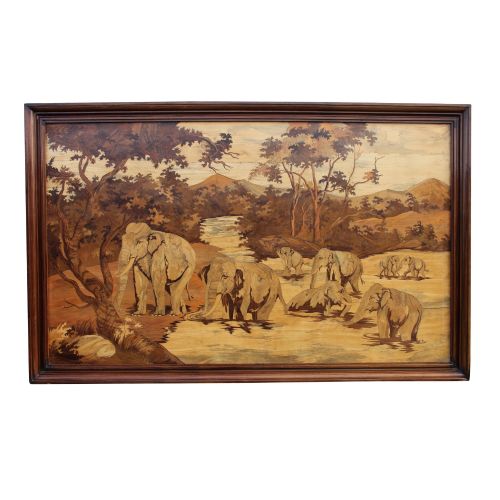
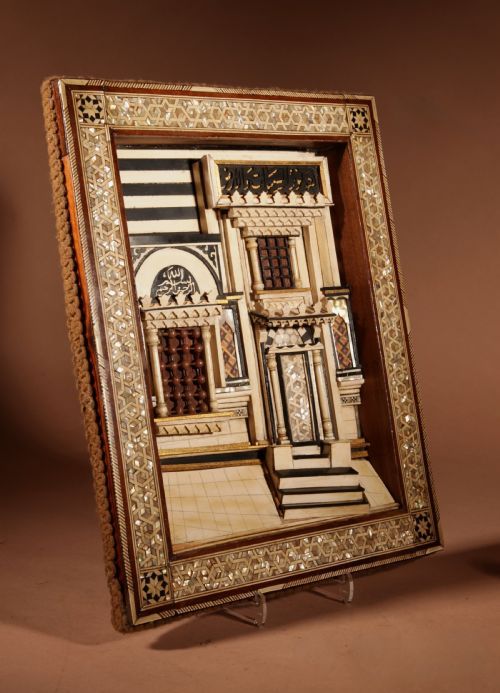
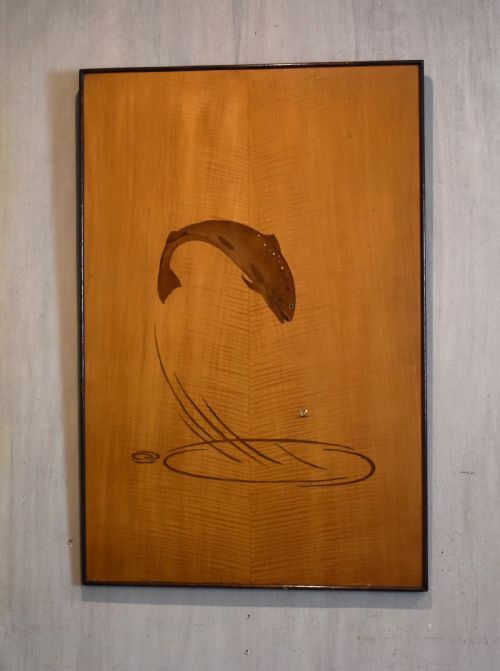
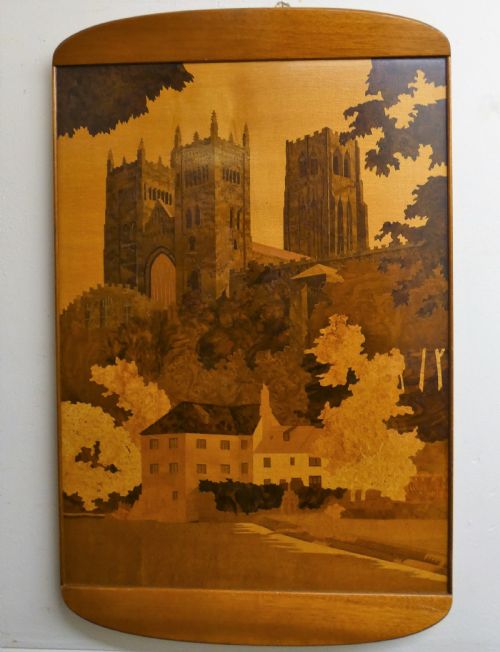
You are most likely to meet panels featuring marquetry veneers alongside solid timbers, often depicting pictorial scenes like leaping salmon or architectural facades. The materials shift from regional rosewood and teak to traditional mahogany and satinwood.
Assessing quality and execution
Quality rests in the precision of the joinery and the snugness of the fitted veneers, where individual timber pieces meet without visible gaps. The complexity of the pictorial composition or relief carving also dictates the execution standard.
Finer examples demonstrate careful selection of contrasting wood grains and disciplined handling of decorative elements such as brass wire or silver-gilt leaf. The integrity of the underlying structure determines how well the panel withstands environmental shifts.
Listings span multiple centuries and include diverse regional forms, from Scottish School mirrors to Anglo-Indian box settles and architectural dioramas.
Rowley Gallery·A.J Rowley
The Vintage Inlaid Wood Panel Glossary
- Marquetry veneers
- Thin slices of decorative wood applied to a structural base in intricate patterns. Craftsmen select contrasting tones to form pictorial scenes or geometric designs.
- Architectural diorama
- A three-dimensional representation of a building facade or interior space created in miniature relief. These pieces rely on depth and perspective to mimic full-scale structures.
- Anglo-Indian
- A stylistic crossover blending British furniture forms with traditional Indian carving and inlay techniques. Pieces often feature dense botanical motifs or figurative elements.
- Moorish Revival
- An architectural and decorative style drawing on North African and Spanish Islamic design motifs. It typically incorporates elaborate geometric strapwork and horseshoe arch shapes.
- Overmantel mirror
- A large looking glass designed to hang directly above a fireplace mantelpiece. They frequently incorporate detailed wood framing and inlaid borders to anchor a room's decorative scheme.
Vintage Inlaid Wood Panel: Frequently Asked Questions
How do I hang a heavy wood panel safely?
Heavy panels require robust fixings that anchor directly into wall studs or masonry rather than relying solely on plasterboard. Utilise heavy-duty picture wire or integrated metal brackets suited to the weight of the specific timber frame.
Ensure the hanging height suits the scale of the room and protects the panel from direct heat sources such as radiators.
How should I clean my inlaid panel?
Dust the surface gently using a dry, soft microfiber cloth to prevent dirt accumulation within the veneer crevices. Avoid chemical sprays or excess water, which can loosen old glue and damage delicate wood joints.
Apply a microcrystalline wax periodically if the timber appears dry, buffing it lightly with a clean cloth to maintain a natural lustre.
Can these panels be used in bathrooms?
Fluctuating humidity and moisture in bathrooms cause antique timbers to warp, swell, and crack over time. Inlaid veneers are particularly vulnerable to damp conditions, which can cause the glue underneath to fail.
Position these pieces in stable indoor environments with consistent temperatures to preserve the structural integrity of the wood.
How do I date an inlaid wood panel?
Examine the construction methods, secondary timbers used on the reverse, and stylistic clues within the marquetry design. Georgian and Victorian pieces show hand-tool marks and traditional joinery, whereas mid-century examples reflect simpler, streamlined profiles.
Compare the subject matter and materials against documented regional workshops to narrow down the decade of production.