
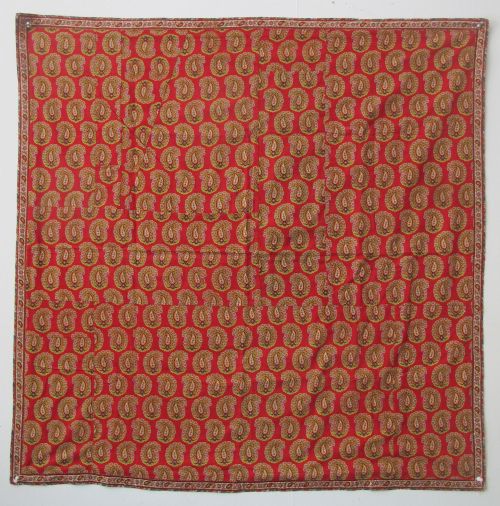


Antique Indian Wall Panel
These antique indian wall panel examples bring rich textiles, carved woods and painted scenes straight from the subcontinent into modern rooms.
Antique Indian Wall Panel
An antique indian wall panel encompasses everything from carved architectural timber and painted doors to framed silks, blockprint textiles and stone reliefs. When you search for an antique indian wall panel, you will encounter diverse forms including carved hardwood panels, embroidered velvet grounds, and architectural salvage.
The pieces span various eras, with the 19th century and around 1900 appearing frequently alongside earlier sandstone carvings and Edwardian specimens. These decorative works function primarily as wall art, textile panels, and architectural elements repurposed for interior display.
Origins range across traditional regional styles such as Rajasthani, Anglo-Indian, and Indian Tribal aesthetics. Buyers often select these works to add texture, colour, and historical depth to contemporary spaces.
How they were made
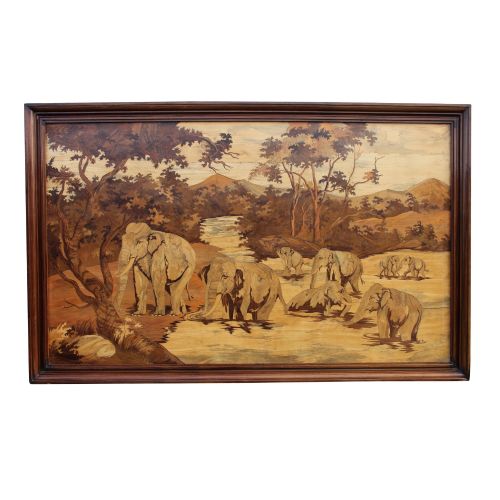
Artisans constructed these pieces using dense timbers such as teak, rosewood, walnut, and general hardwood, often applying deep relief carving, marquetry, or specimen wood inlays. Architectural fragments utilise robust wooden frames and structural elements that survive through centuries of use.
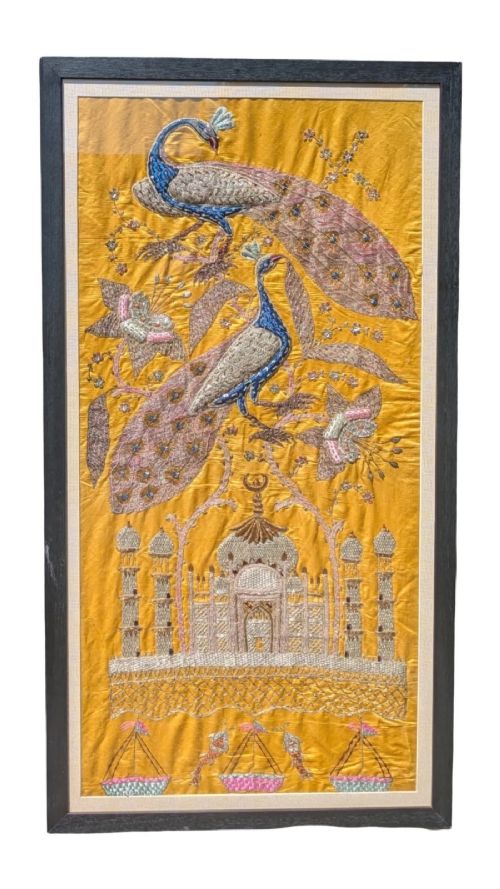
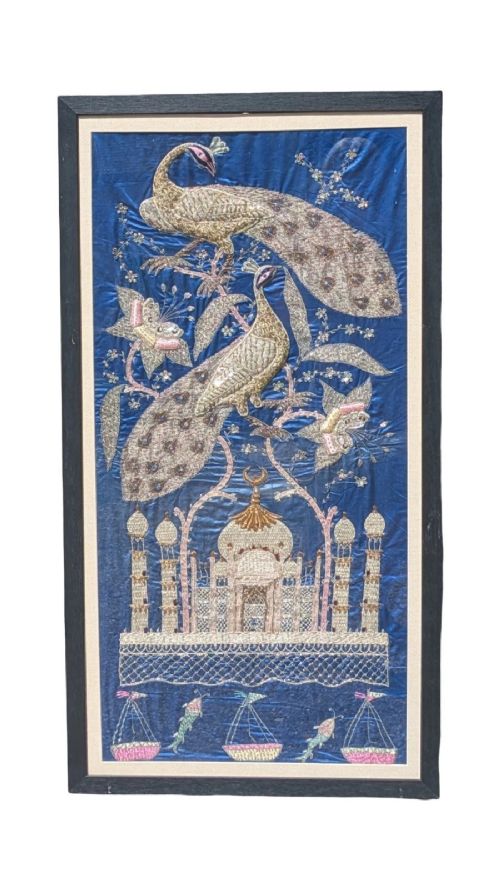
Textile panels employ intricate cotton, silk, and velvet grounds embellished with metal thread, embroidery, blockprinting, and quill work. Painted doors and wall cloths incorporate vibrant pigments directly onto prepared wooden or cloth surfaces.
Listings combine organic materials including cotton, silk, velvet, teak, rosewood, walnut, and sandstone across diverse 19th-century and early 20th-century periods.
What varies in quality
Quality rests upon the depth and precision of the hand carving, the fineness of the silk embroidery, and the preservation of original painted surfaces or frames. Deep relief hardwood and intricate needlework demonstrate superior craftsmanship compared to simpler decorative items.
The integrity of original frames, the complexity of blockprint or marquetry patterns, and the richness of materials like velvet and metal thread distinguish finer specimens from standard decorative pieces.
The Antique Indian Wall Panel Glossary
- Palampore
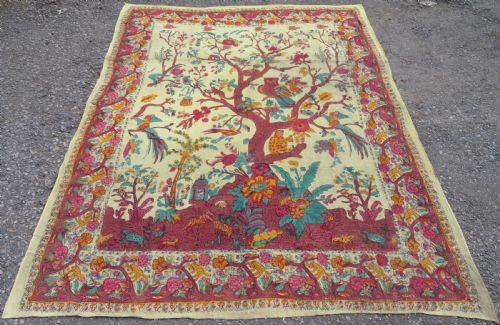
- A large, hand-painted or block-printed cotton bed cover or wall hanging originating from India for domestic use and export. These textiles typically feature intricate botanical and tree-of-life motifs.
- Marquetry
- The art and craft of applying pieces of veneer to a structure to form decorative patterns and pictures. Artisans use different coloured woods to achieve pictorial depth.
- Quill work
- A decorative technique utilising flattened porcupine quills stitched onto a backing material to create textured pictures. It represents a specialised form of regional Indian craft.
- Relief carving
- Sculpture where figures or patterns project from a background plane of the same material. Deep hardwood and sandstone examples showcase this sculptural method.
Antique Indian Wall Panel: Frequently Asked Questions
How do I hang a heavy wooden panel safely?
Heavy carved timber panels require secure fixings anchored directly into wall studs or masonry using heavy-duty brackets. Professional installation ensures the weight is distributed evenly across the frame.
Lighter textile panels and framed silks can be hung using traditional picture wire attached to sturdy D-rings mounted on the reverse.
How should I clean antique textiles and painted wood?
Gentle dusting with a soft, dry brush or microfiber cloth is suitable for carved wood and painted surfaces. Avoid liquid cleaners and harsh chemicals that strip original pigments.
Textiles and embroideries should be kept out of direct sunlight to prevent fading. Professional textile conservationists should handle any deep cleaning needs.
Are these panels suitable for humid rooms?
Teak, rosewood, and hardwoods tolerate normal indoor environments well, but extreme humidity fluctuations can cause timber to warp or crack. Bathrooms and damp spaces risk damaging delicate wood and antique glue.
Silk and velvet textiles are particularly sensitive to moisture and mould growth, making dry living areas ideal for display.
What is the difference between architectural salvage and textile panels?
Architectural salvage consists of structural elements like carved doors, lintels, and stone reliefs removed from buildings. These pieces highlight structural carpentry and stonework traditions.
Textile panels comprise fabrics, embroideries, and painted cloths mounted or framed for wall display, focusing on needlework and pigment art.