


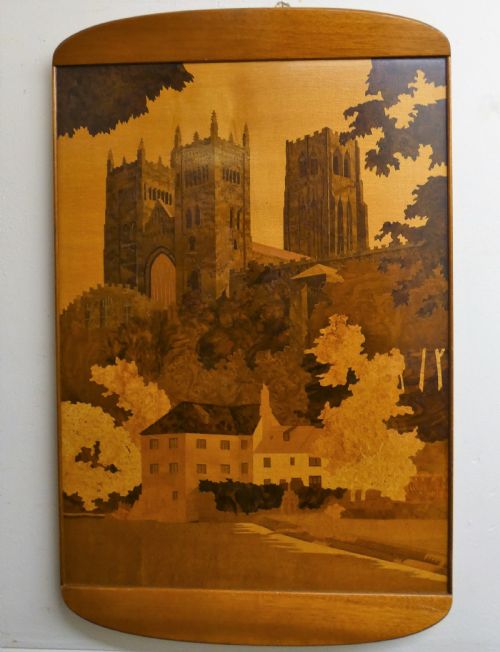


Wood Inlay Wall Art
Wood inlay wall art brings together intricate timber mosaic, marquetry, and contrasting materials to turn flat surfaces into detailed pictorial displays.
Wood Inlay Wall Art
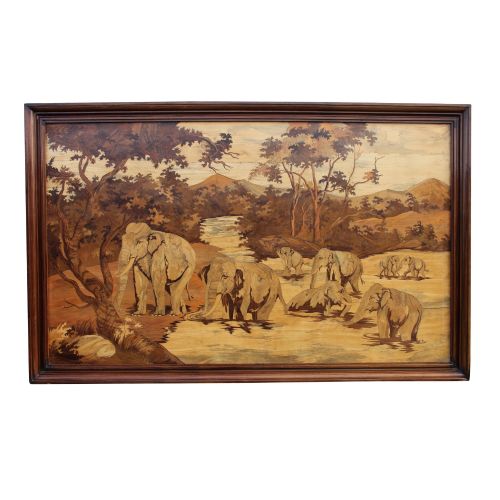
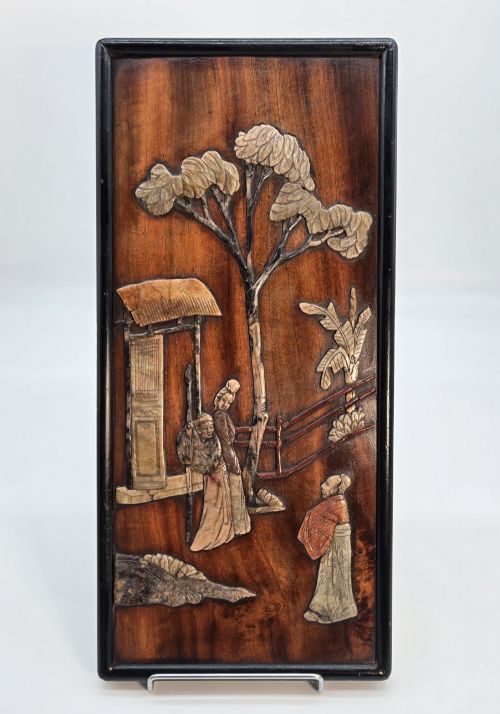
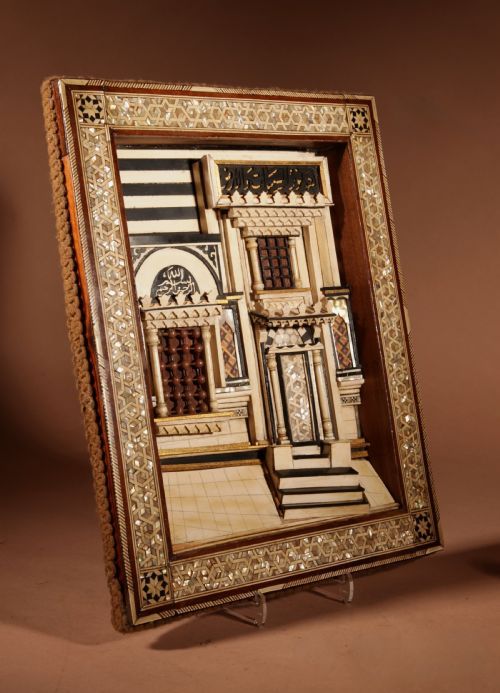
Wood inlay wall art encompasses decorative wall plaques, marquetry panels, framed pictures, and mirrors created across several distinct periods. Pieces range from Victorian Tunbridge ware and Arts and Crafts marquetry to Moorish architectural dioramas and Anglo-Indian elephant panels.
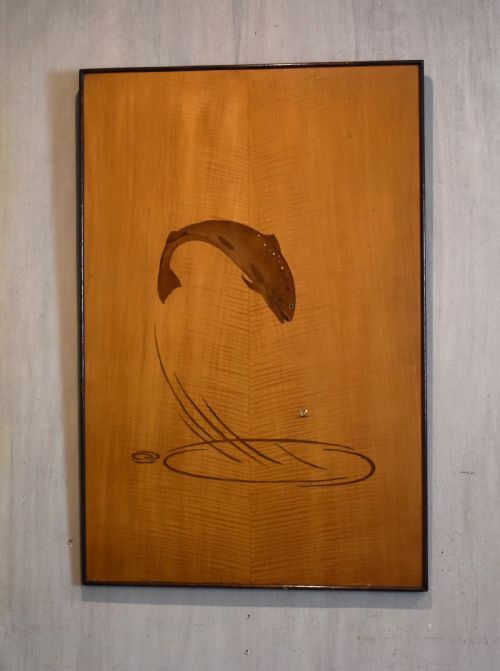
Buyers most frequently encounter Victorian and early twentieth-century examples on this page. These take the form of detailed timber mosaic plaques, framed marquetry nature scenes, and specialised mirrors.
Materials and construction methods
Maker workshops utilised natural timbers such as walnut, rosewood, satinwood, oak, beech, and mahogany as the primary canvas. Artisans frequently integrated contrasting elements like bone, brass, and glass to accentuate pictorial depth and surface pattern.
Techniques relied on precise cutting and fitting of veneers and solid wood sections to form complex geometric designs or figurative images. Specialised regional methods, from Tunbridge mosaic work to intricate marquetry and relief carving, defined the finished appearance.
Listings feature wood inlay wall art spanning the 17th century through the mid-20th century, utilising walnut, rosewood, bone, and brass.
Factors determining quality
The precision of the timber fitting and the complexity of the grain contrast distinguish finer items from simpler production. Superior examples display seamless joins between varied natural woods without visible gaps or excessive filler.
Artistic execution in figurative marquetry or architectural depth elevates a piece significantly. The clever deployment of contrasting materials like bone or tinted woods demonstrates higher workshop skill.
Rowley Gallery·Scipione Pulzone
The Wood Inlay Wall Art Glossary
- Marquetry
- The art of applying pieces of veneer to a structure to form decorative patterns and pictures. It relies on contrasting natural wood grains and tones to create pictorial depth.
- Tunbridge Ware
- A type of nineteenth-century decorative woodwork originating from Kent, featuring mosaic designs made from many tiny blocks of naturally coloured wood. These intricate patterns typically form geometric motifs or pictorial views.
- Veneer
- A thin slice of fine wood applied to a coarser underlying base timber to provide a decorative surface. This technique allows makers to utilise costly timbers efficiently.
- Diorama
- A three-dimensional scene, which in woodwork often represents architectural facades or landscape perspectives in relief. Such pieces use layered timber depths to create realistic spatial effects.
- Specimen wood
- Timber selected for its distinct natural colour, grain, or rarity rather than its structural utility. Makers arranged these varied specimens to showcase a broad palette of natural shades.
Wood Inlay Wall Art: Frequently Asked Questions
What is wood inlay wall art?
Wood inlay wall art consists of decorative panels, plaques, mirrors, and framed pictures created by fitting different timbers together. These pieces use contrasting natural grains and materials to form geometric patterns or pictorial scenes.
Craftsmen across various centuries utilised techniques like marquetry and timber mosaic to decorate interiors. The resulting objects range from British Tunbridge ware to regional international works.
How do I hang heavy inlay panels?
Heavy wooden panels and architectural dioramas require secure wall fixings suited to the weight of the specific timber frame. Using appropriate brackets or mirror plates distributes the load safely across the wall surface.
Positioning pieces away from direct sunlight and damp conditions protects the delicate wood veneers and natural inlays from warping or fading over time.
How do I date an inlay panel?
Dating relies on examining the timber species, backing boards, framing style, and workshop techniques. Victorian Tunbridge ware and Arts and Crafts marquetry each display distinct structural characteristics associated with their respective eras.
Comparing the subject matter and decorative motifs to documented regional outputs helps narrow the period of origin. Material choices like bone or specific brass fixings also offer chronological clues.
How do I clean wooden wall art?
Maintenance involves gentle dusting with a soft, dry cloth to prevent dirt accumulation within the intricate veneer joints. Avoiding water and chemical polishes preserves the natural finish of the antique timbers.
Maintaining stable room humidity prevents the wood from drying out or expanding, which can cause the tiny inlaid mosaic pieces to loosen.