
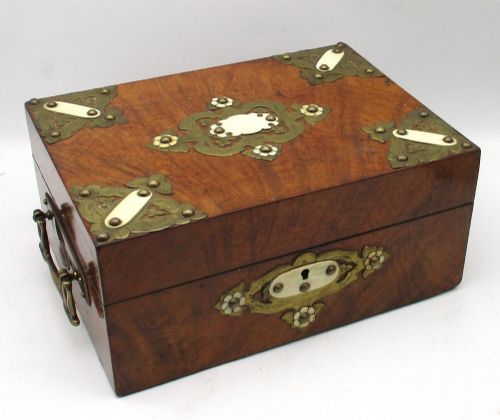
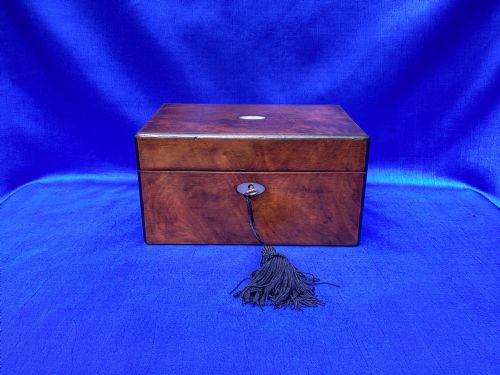


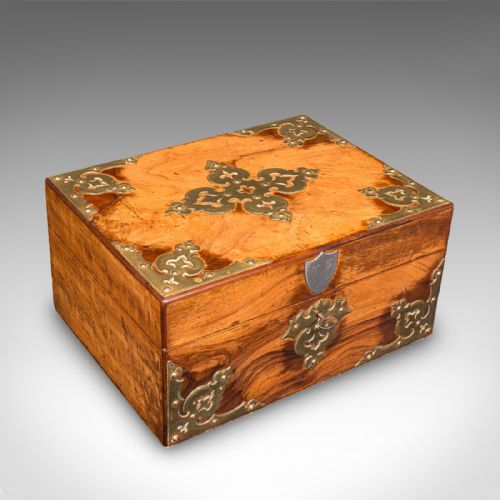


Brown Wooden Vanity Box
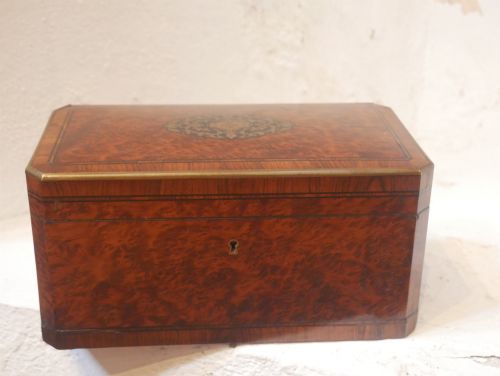
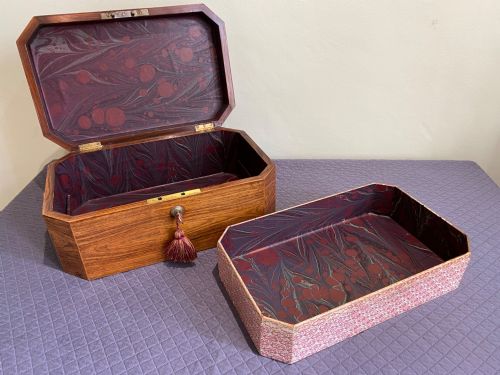
A brown wooden vanity box brings together period craftsmanship and practical storage, offering fitted compartments for personal items.
Brown Wooden Vanity Box
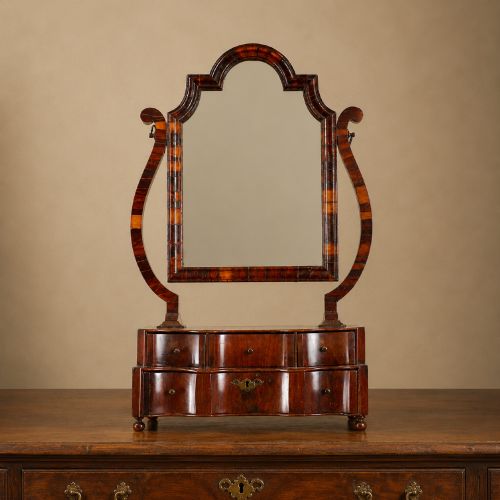
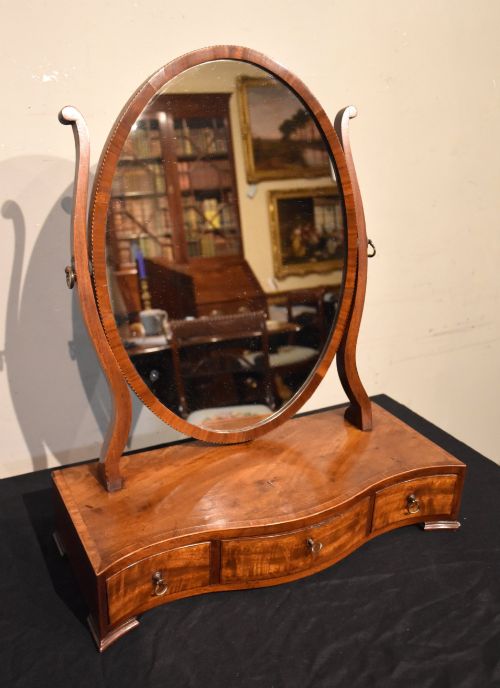
When you search for a brown wooden vanity box, you encounter items designed for personal grooming and storage, spanning periods from the eighteenth century through to the twentieth century. The selection includes dressing table mirrors, toilet mirrors, jewellery boxes, and sewing cases.
Victorian and Georgian examples dominate the selection, often taking the form of mahogany or walnut dressing mirrors and fitted travel boxes. These pieces reflect the functional needs of past dressing rooms and bedrooms.
Materials and construction
Cabinet makers utilised dense hardwoods such as mahogany, walnut, and rosewood, frequently incorporating burr veneers or decorative inlays to create striking exterior surfaces. Structural integrity relied on traditional joinery methods suited to hinged lids and small drawers.
Metal mounts in brass, alongside bone elements and fitted glass containers, completed the interior arrangements of travelling and vanity cases. French polishing or wax finishes protected the timber while highlighting the natural grain.
Distinctions in standard
The degree of refinement in the timber selection and the complexity of the internal fittings separate standard items from superior pieces. Figured veneers, intricate parquetry, and solid brass hardware indicate a higher level of workshop output.
Original fitted interiors with matching glass or bone components elevate a piece, whereas later replacements or missing internal trays alter the integrity of the object.
Tahan Paris·JH Browne of The Waldorf Hotel
The Brown Wooden Vanity Box Glossary
- Toilet mirror
- A smaller mirror designed to sit on top of a dressing table or chest of drawers, often incorporating small storage drawers in the base.
- Serpentine front
- A furniture front curving outward in the centre and inward at the sides, frequently seen on Georgian dressing mirrors.
- Parquetry
- Geometric mosaic woodwork arranged in decorative patterns on the exterior of boxes and cabinets.
- Sarcophagus-shaped
- A box design featuring a steep-sided, pedestal-like form resembling a stone coffin, popular in the nineteenth century for tea caddies and jewellery boxes.
- Writing slope
- A portable box that opens to reveal a slanted writing surface and compartments for stationery.
Brown Wooden Vanity Box: Frequently Asked Questions
What is a brown wooden vanity box used for?
These boxes served historical purposes for storing jewellery, cosmetics, and small personal grooming tools. Travellers and ladies utilised fitted compartments to secure valuables during journeys.
Today, they function as decorative storage on dressing tables or sideboards for contemporary keepsakes.
How do I date a wooden vanity box?
Dating relies on timber choices, construction techniques, and hardware styles associated with specific periods like the Georgian or Victorian eras. Secondary woods and dovetail joints offer further clues to the age of the piece.
Makers' marks or stamps, where present, help pinpoint the exact workshop or retailer.
Are these boxes suitable for daily use?
Most antique boxes handle gentle, everyday use for storing lightweight items such as rings and trinkets. Hinges and locks require careful handling due to their age.
Placing them away from direct sunlight and moisture preserves the wood and internal fabric lining.
What is the difference between a toilet mirror and a vanity box?
A toilet mirror combines a pivoting glass plate with a small drawer base intended for tabletop grooming. A vanity box is a portable case with fitted compartments designed to hold cosmetics and personal effects.
Both items belong to the broader category of personal dressing accessories.