





19th Century Chinese Chest
A 19th century chinese chest offers robust storage and rich trade history, combining practical craftsmanship with distinctive decorative finishes.
19th Century Chinese Chest
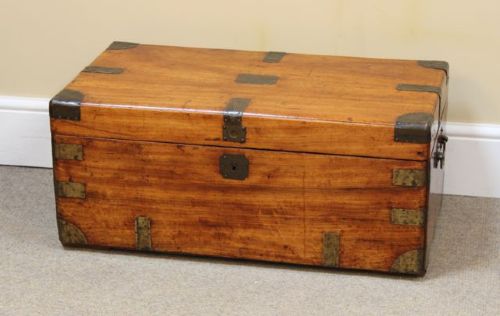
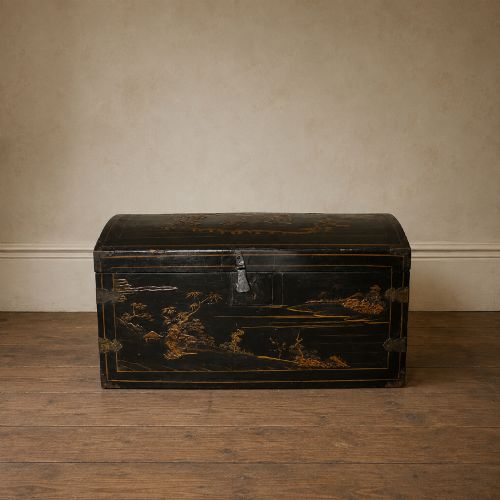
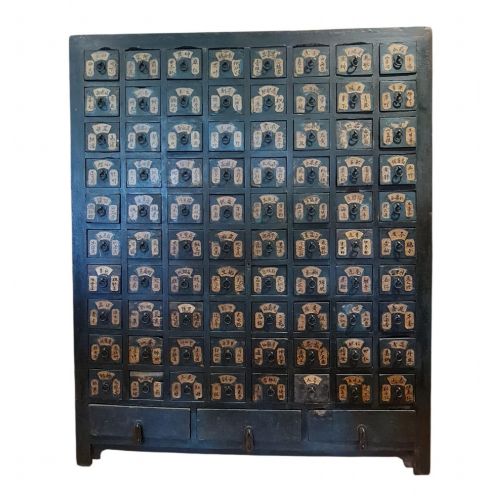
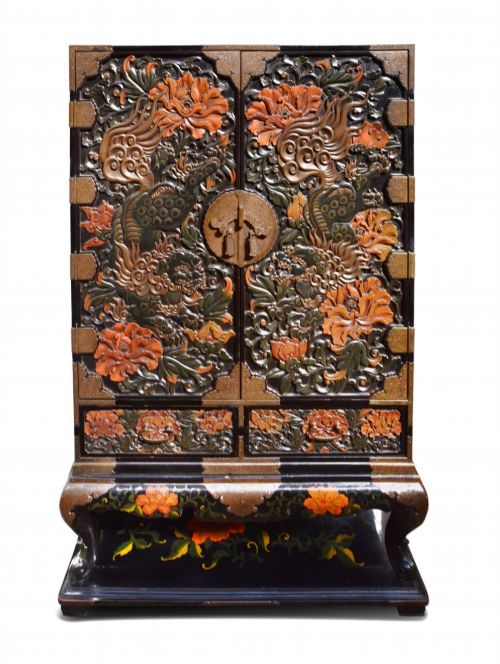
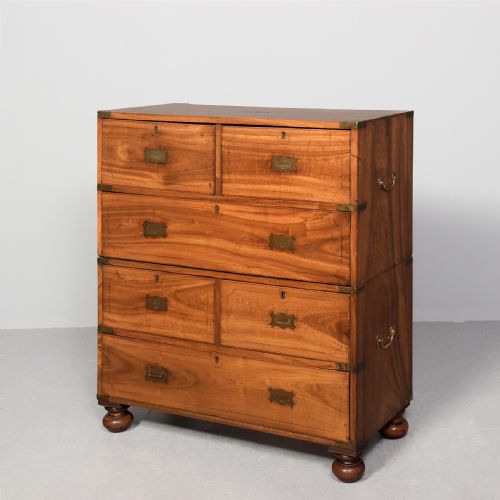
Buyers seeking a 19th century chinese chest encounter a diverse group of storage forms produced during the Qing Dynasty and China Trade periods. These pieces range from sturdy military campaign trunks and apothecary cabinets with numerous drawers to lacquered storage boxes and side cabinets.
Camphor wood chests and leather-bound trunks dominate the available selection, reflecting utilitarian origins tied to travel and maritime trade. Alongside these, elm sideboards and black lacquer cabinets demonstrate domestic storage uses across various regional provinces.
Materials and construction
Makers utilised resilient regional timbers including camphor wood, elm, rosewood, and padauk, often pairing them with structural brass binding, corner plates, and iron hardware. Camphor wood served particularly well for trunks due to its natural insect-repelling properties.
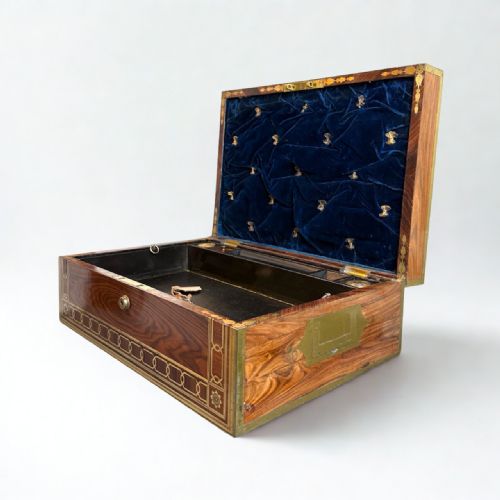
Surface finishes involved layers of black or red lacquer adorned with gold leaf and gilded decoration, alongside hand-painted polychrome leather and carved details. Anglo-Chinese pieces frequently incorporated ebony inlay and modular two-part military campaign designs.
Materials recorded in current inventory span camphor wood, elm, lacquer, brass, iron, gold leaf, and leather.
Evaluating quality and execution
The standard of a piece rests on the crispness of its hand-carved details, the stability of its joinery, and the integrity of its original surface decoration. Superior examples display precise brass work and well-preserved gilding on lacquer.
Proportion and material selection also dictate standing, with solid camphor wood bodies, intricate apothecary drawer configurations, and untouched patinated leather setting higher grades apart from simpler utilitarian storage.
The 19th Century Chinese Chest Glossary
- Camphor Wood
- A fragrant timber native to Asia, prized for campaign chests because its natural oils deter insects.
- China Trade
- Goods manufactured in China during the nineteenth century specifically for export to Western markets.
- Chinoiserie
- European artistic styles reflecting Chinese motifs, though pieces here represent authentic Asian export work.
- Secretaire Chest
- A storage chest incorporating a fitted writing drawer with a drop-front flap for correspondence.
19th Century Chinese Chest: Frequently Asked Questions
What were camphor wood chests used for?
Camphor wood chests served primarily as travel trunks for officers and merchants navigating maritime trade routes.
The dense aromatic timber protected garments and documents from moisture and insects during long sea voyages.
How do I identify an apothecary chest?
Apothecary chests feature numerous small drawers designed for sorting dried herbs, roots, and medicinal ingredients.
Shanxi examples often contain dozens of labelled compartments built into large timber frameworks.
What is a campaign chest?
Campaign chests are modular storage units built in sections with recessed brass handles for military transport.
They break down into separate parts to facilitate stacking and movement on nineteenth-century expeditions.
How should I care for lacquer furniture?
Lacquer furniture requires stable indoor humidity away from direct sunlight to prevent surface cracking.
Dust gently with a dry microfibre cloth and avoid chemical polishes that can damage the delicate gilded decoration.