


Chinese Wooden Coffer
A chinese wooden coffer provides robust storage while bringing centuries of craftsmanship and rich textures into a room.
Chinese Wooden Coffer
A chinese wooden coffer is a substantial storage piece designed for security and domestic utility, encompassing trunks, blanket boxes, and low chests. Buyers encountering this search phrase find robust vessels intended for travel, storage, and household organisation.
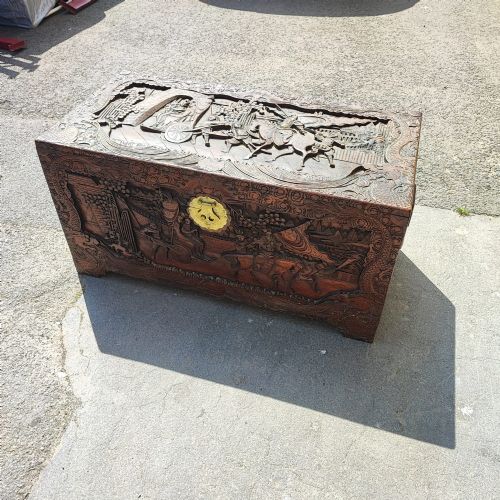
Camphor wood trunks dominate the selections on this page, often featuring hand-carved surfaces and fitted interior trays. Alongside these storage chests, pieces range from eighteenth-century export coffers to nineteenth-century blanket boxes and occasional tables.
Heavier storage cabinets, sideboards, and benches also appear under this heading, reflecting the broad scope of traditional Chinese cabinet-making. These items derive from various periods spanning the eighteenth through the early twentieth centuries.
Materials and construction
Makers utilised resilient timber varieties such as camphor wood, elm, and general hardwoods to construct bodies capable of enduring heavy use and distant travel. Camphor wood remains particularly valued for its aromatic qualities and natural resistance to insects.
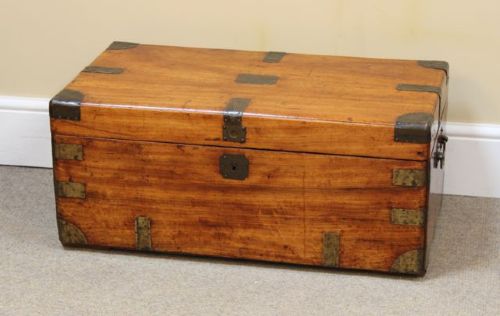
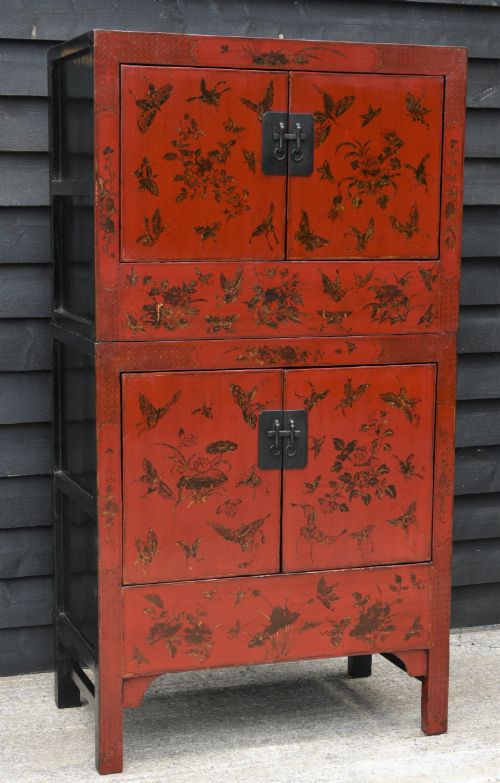
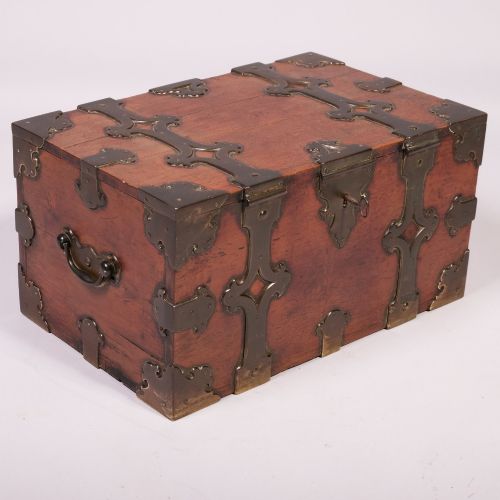
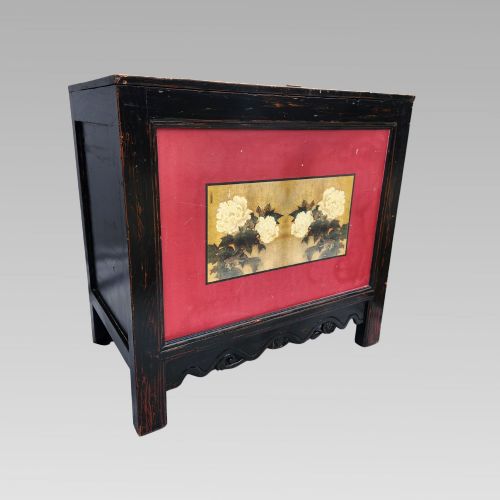
Metal hardware plays a functional and decorative role, with brass and iron mounts reinforcing corners, lids, and closures. Lacquer finishes, appearing in red and black variants, provide smooth protective surfaces often enhanced by painted floral motifs or carving.
Traditional joinery methods unite these elements without relying on modern fasteners, allowing the wood to adapt to changing humidity. Carved relief panels on chests and trunks demonstrate skilled hand-chiselling executed directly into the dense timber.
Camphor trunks naturally smell like a walk through an ancient spice market, keeping your blankets safe while secretly perfuming the entire landing.
Distinguishing quality
The standard of a chinese wooden coffer depends heavily on the depth and clarity of its carved ornament, where crisp detail distinguishes superior workshop output from simpler execution. Relief work that retains sharp edges and balanced composition indicates skilled hand-carving.
The integrity of the original hardware, including brass mounts and iron hinges, contributes significantly to a piece's authenticity and visual balance. Intact lacquer surfaces with well-preserved colour and minimal disruption separate well-maintained examples from heavily restored ones.
Proportion and structural soundness in the timber frame determine how gracefully a chest or cabinet ages within a domestic interior. Well-fitted lids and sound joints show precise construction from seasoned timber.
The Chinese Wooden Coffer Glossary
- Camphor Wood
- A fragrant timber native to Asia, utilised for storage chests due to its insect-repellent properties. It often shows a fine, undulating grain.
- Coffer
- A sturdy chest or box traditionally used for holding valuables, documents, or textiles. These pieces typically feature heavy lids and secure fastening mechanisms.
- Export Lacquer
- Decorative resin finish applied to wooden objects intended for international trade, frequently seen in contrasting black or red tones with painted details. This technique creates a hard, glossy protective coating.
- Qing Dynasty
- The final imperial dynasty of China, spanning from the seventeenth to the early twentieth century. Pieces from this era often display traditional carving motifs and regional stylistic variations.
- Campaign Trunk
- Portable storage furniture designed for travel, featuring reinforced corners and secure carrying handles. These items were built to withstand frequent transit.
Chinese Wooden Coffer: Frequently Asked Questions
What were these coffers used for?
These wooden chests served primarily to store garments, blankets, and precious documents while protecting them from moisture and insects. Their sturdy construction also allowed them to function as luggage during travel.
Over time, many of these vessels transitioned into permanent household fixtures, doubling as decorative tables or benches within domestic spaces.
How do I care for camphor wood?
Keep camphor wood furniture away from direct heat sources and strong sunlight to prevent the timber from drying out and cracking. Maintain a stable indoor humidity level.
Dust the carved surfaces regularly with a soft, dry cloth and avoid applying modern chemical polishes that might damage the natural wood.
How do I date a Chinese wooden chest?
Dating relies on examining the construction techniques, timber ageing, hardware style, and surface finishes such as lacquer or paint. Eighteenth-century examples often display simpler, heavier export forms, while nineteenth- and early twentieth-century pieces frequently incorporate dense carved relief.
Comparing the style of brass mounts and lockplates to known historical periods helps narrow down the decade of manufacture.
Can I use a coffer as a coffee table?
Many flat-topped trunks and coffers adapt well to use as low tables in modern living spaces. Their generous surface area and internal storage make them practical alternatives to conventional furniture.
Ensure the height and proportions complement your seating before placing items on the hinged lid.