

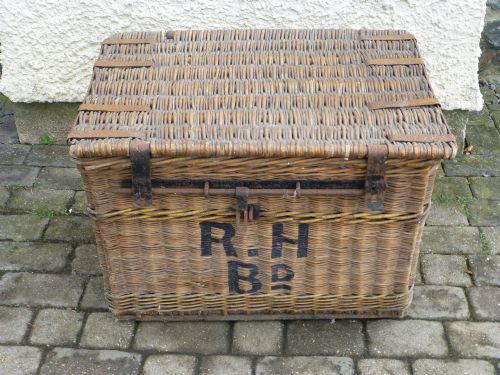


Large Coffee Table Chest
A large antique coffee table chest brings sturdy storage and solid timber presence into a sitting room.
Large Coffee Table Chest
A large antique coffee table chest serves double duty as a low table and a capacious receptacle for household storage. When searching for a large antique coffee table chest, buyers encounter substantial pieces originally built for travel, military service, or domestic linen storage.
The pieces on this page span several centuries, featuring forms such as campaign trunks, blanket boxes, ottomans, and shipping chests. Victorian and nineteenth century examples appear frequently alongside earlier eighteenth century specimens and regional Indian or colonial imports.
Makers adapted heavy trunks and coffers into functional tables by virtue of their low profile and flat lids. Pine, camphor wood, teak, and walnut provide the primary structural timber for these versatile items.
How they were made
Carpenters constructed these chests using durable timbers like pine, teak, camphor wood, and walnut, frequently reinforcing the bodies with iron or brass straps and corner brackets for transit. Leather and pig skin also appear as exterior coverings on specific campaign and shipping formats.
Hardware such as sunken brass handles, heavy latches, and zinc linings indicate military or maritime commission, designed to withstand rough handling during long journeys. Dovetail joints and pegged construction secure the wooden carcases of the older domestic blanket boxes and coffers.
Large Coffee Table Chest Retail Price Guide 2026
Typical asking prices for large coffee table chest among the pieces listed under this phrase on Sellingantiques today, from the lower quarter to the upper quarter. They describe what is for sale here now, not the wider market.
Listings feature woods such as pine, teak, camphor wood, and walnut, alongside metal-bound brass and iron campaign configurations.
What varies in quality
The distinction between ordinary utility boxes and superior chests lies in the grade of timber and the sophistication of the brass or iron mountings. Finer pieces display dense camphor wood or figured walnut, matched with robust original hardware that remains fully intact.
Internal arrangement further separates standard storage from exceptional examples, demonstrated by fitted secret drawers or original fabric linings. The crispness of the exterior joinery and the survival of an original surface finish determine the standing of each individual chest.
The Large Coffee Table Chest Glossary
- Campaign trunk
- A sectional or portable chest made for military officers on the move, typically fitted with recessed brass handles and corner reinforcements. These pieces are built to dismantle or endure rough transport.
- Camphor wood
- An aromatic timber prized in colonial furniture making for its insect-repellent qualities and rich grain. It frequently smells faintly of camphor and resists damp climates.
- Blanket box
- A deep domestic chest traditionally utilised for storing woollens, linens, and bedding at the foot of a bed. They are commonly fashioned from local pine or fruitwoods.
- Cofer
- An archaic term for a heavy chest or strongbox used for valuables, often sharing structural similarities with early blanket boxes and travel trunks.
Large Coffee Table Chest: Frequently Asked Questions
Are these chests sturdy enough to use as tables?
These chests were originally constructed to withstand heavy travel, military campaigns, or domestic storage demands. Their solid timber construction and reinforced corners make them remarkably robust for daily use as a table.
Most feature flat, stable lids capable of supporting books, trays, and everyday living room items without strain.
How do I care for the wood and leather surfaces?
Maintenance depends entirely on the specific material of the chest, whether it is waxed pine, polished teak, or leather and pig skin. Regular dusting with a dry cloth keeps the surface grime at bay.
Applying a traditional beeswax to wooden chests preserves the finish, while leather benefits from occasional light conditioning to prevent cracking.
How can I tell the age of a chest?
Dating relies upon examining the construction methods, the type of timber, and the style of the hardware. Hand-cut dovetails, forged iron hinges, and recessed brass campaign mounts offer clear clues to the period of manufacture.
Comparing the timber species, such as eighteenth-century walnut versus later pine, further narrows down the likely era.
What were camphor wood chests used for?
Camphor wood chests served primarily as sea trunks and storage repositories for officers and merchants travelling through tropical regions. The natural aromatic properties of the wood protected garments from moths and mildew.
Their substantial construction ensured that valuables and textiles survived long maritime journeys intact.