
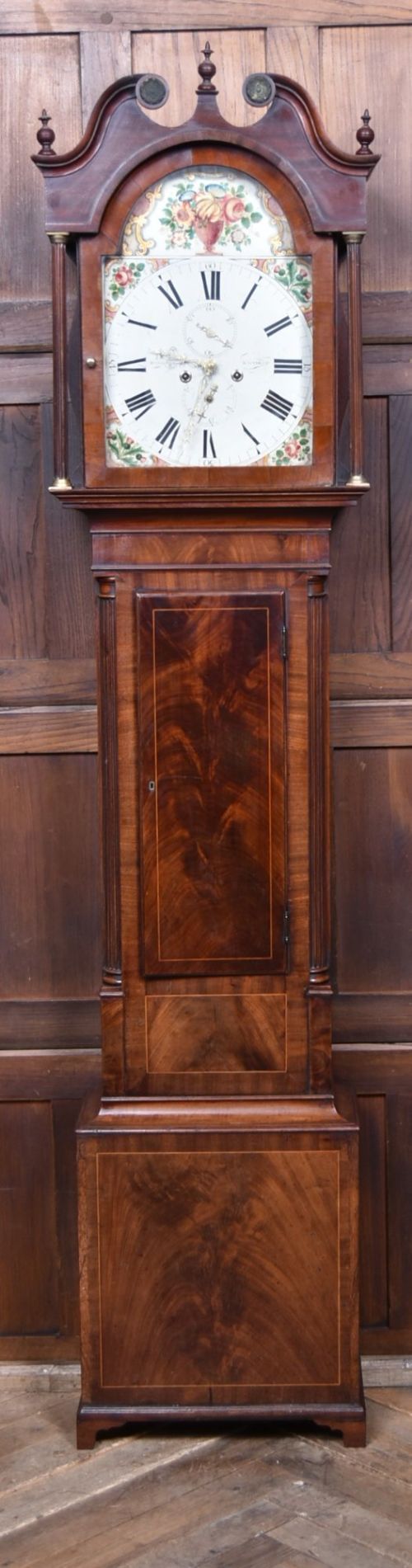
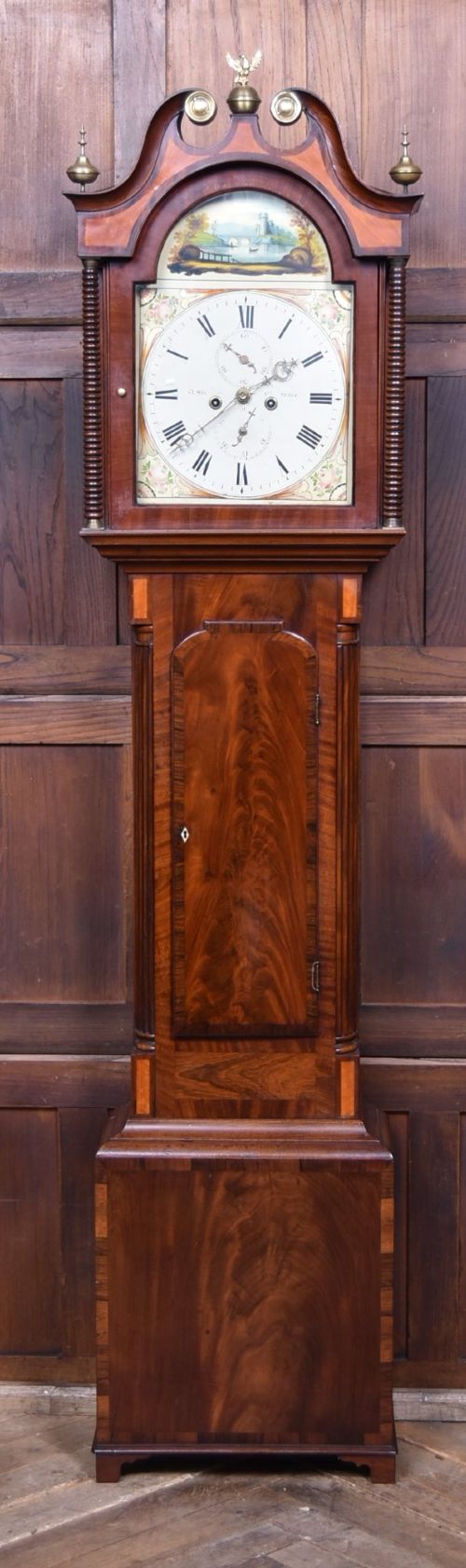
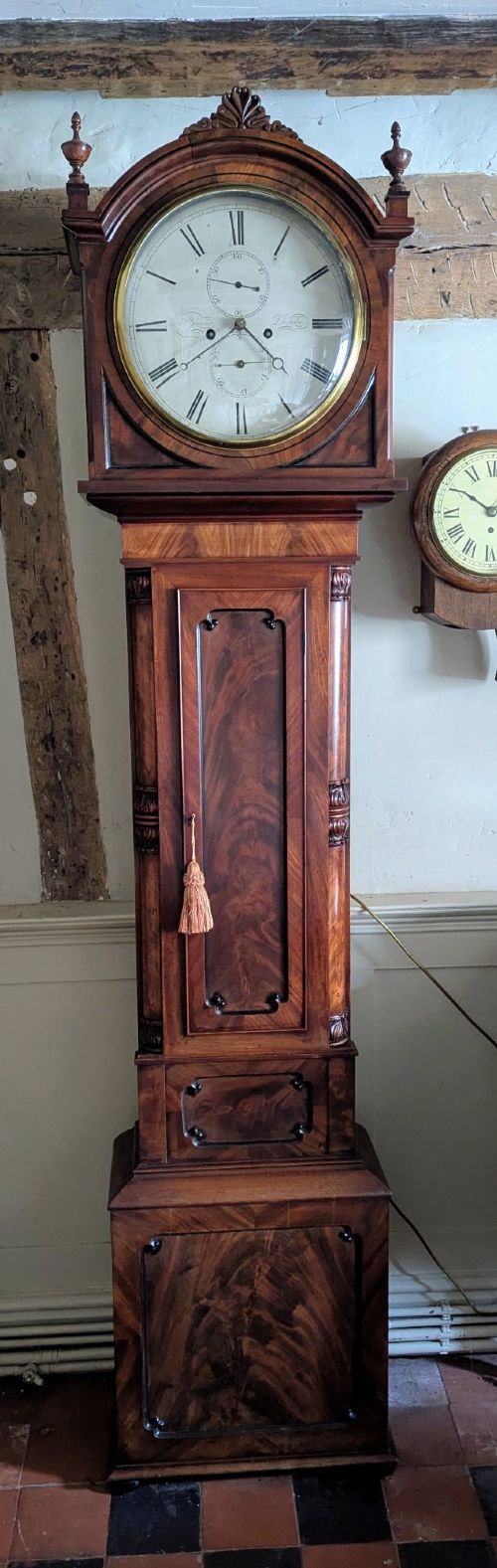
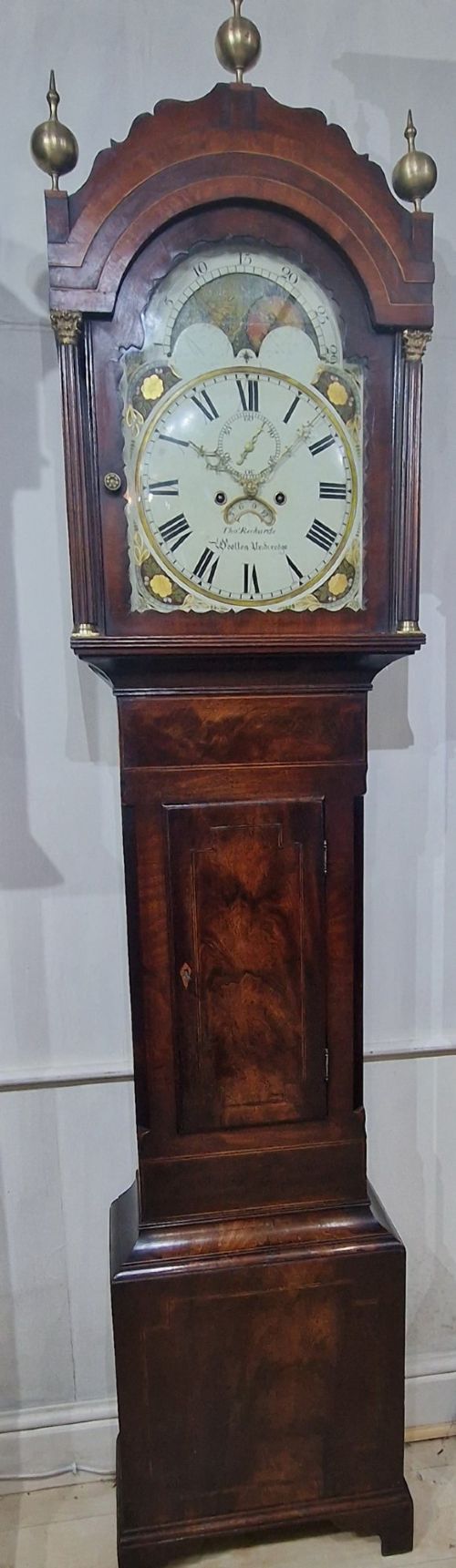


Brown Wooden Tall Clock
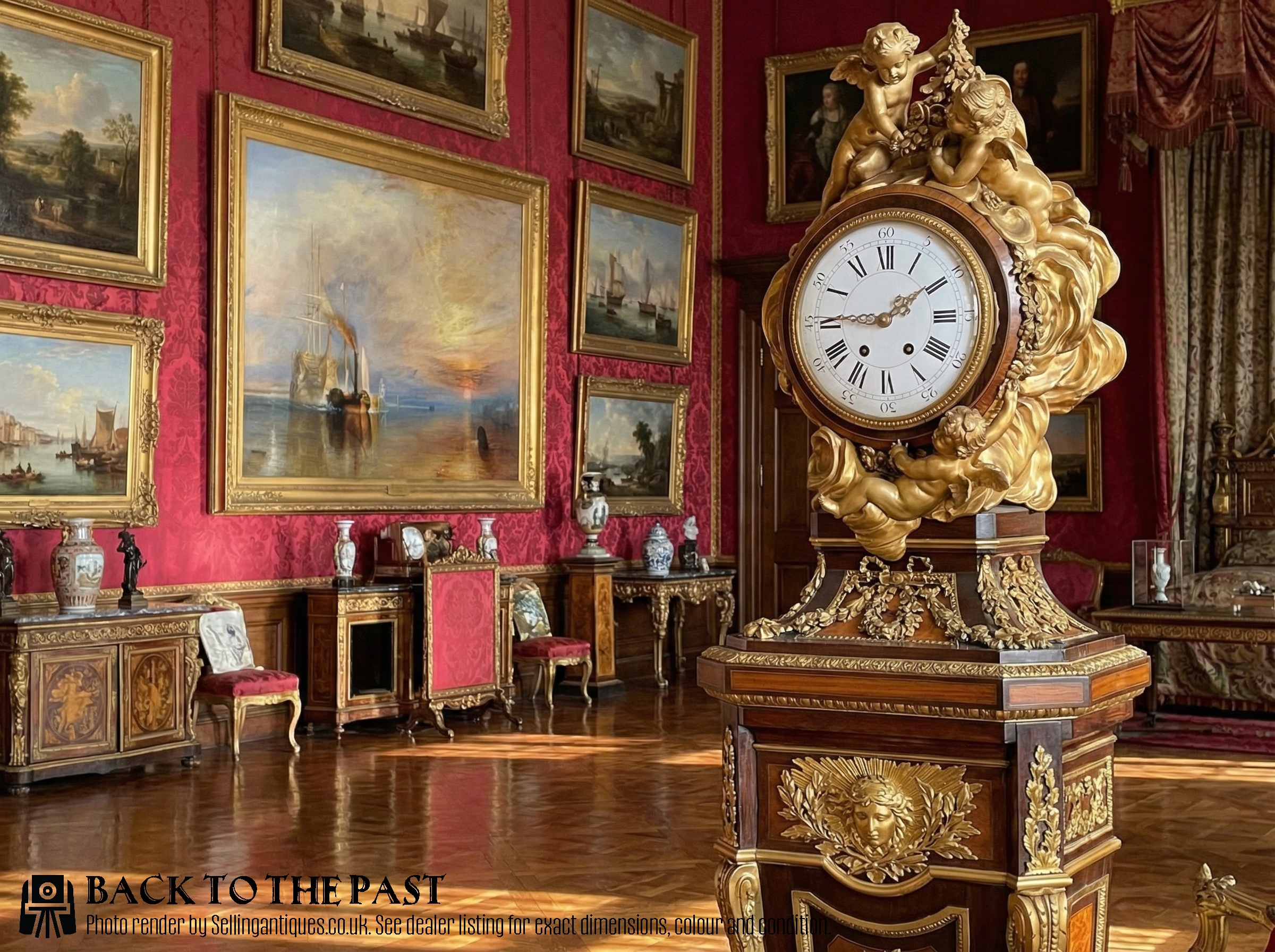
A brown wooden tall clock stands as a towering piece of furniture that measures time and anchors a room with presence.

Brown Wooden Tall Clock
A brown wooden tall clock, frequently known as a longcase or grandfather clock, combines cabinetmaking with horology across periods from the seventeenth century through the Victorian era. The selection draws on styles ranging from William and Mary and George III to Regency and Louis XV, with mahogany and oak cases appearing most frequently.
Buyers encounter examples spanning regional British workshops to London makers, alongside occasional continental pieces. The forms incorporate brass and painted iron dials, sometimes featuring moon phases, rocking automata, or regulator movements housed within substantial timber cases.
How they were made
Cabinetmakers utilised solid timbers and veneers, selecting figured mahogany, flame mahogany, walnut, and oak to construct the tall floor-standing enclosures. Cases feature architectural details such as arched hoods, brass dial appliques, and crossbanding.
Clockmakers fitted brass movements, often running for eight days, paired with brass or painted iron dials signed by the maker. Glass panels protect the dial face within the hood, while lead weights and brass pendulums drive the mechanical timekeeping.
Listings feature movements spanning the seventeenth century to the 1930s, housed in oak, walnut, and mahogany.
What varies in quality
The refinement of the cabinetwork and timber figuring dictates much of the visual distinction, from plain oak provincial cases to richly figured flame mahogany with intricate inlay. Proportion and the integrity of the hood pediment and trunk door shape the overall architectural balance.
Movement execution and dial artistry separate workshop standards, visible in engraved brass brass dials, painted moonphase scenes, and the reputation of the recording maker inscribed on the face.
Hendrie Ogg·D Straiton·Edward East·Joseph Knibb·Dent of London·Perigal Bond Street
The Brown Wooden Tall Clock Glossary
- Longcase clock
- A tall pendulum clock enclosed in a wooden case that stands directly on the floor. This term is often interchanged with grandfather clock.
- Moonphase
- A dial mechanism tracking the lunar cycle through a rotating painted disc visible through an arched aperture. It adds visual complexity to the clock face.
- Regulator
- A precision pendulum clock designed for exact timekeeping, featuring a simplified dial layout for reading hours, minutes, and seconds independently.
- Crossbanding
- A decorative border of veneer laid with the grain running perpendicular to the surrounding wood. It frames panels on mahogany and walnut cases.
- Hood
- The upper section of the case enclosing the dial and movement, usually featuring glass panels and a removable door or sliding box for access.
Brown Wooden Tall Clock: Frequently Asked Questions
How do I wind an eight day clock?
Wind the movement every week using the crank key provided, turning each winding arbor carefully until resistance holds the weight.
Avoid over-winding the mechanism, and ensure the weights hang freely inside the trunk without catching the pendulum.
Where should I place a tall clock?
Position the case against a sturdy interior wall away from direct sunlight, heating vents, and damp exterior stone.
Level the base thoroughly on the floor so the pendulum swings with an even, symmetrical beat.
How do I tell a Georgian clock from a Victorian one?
Georgian examples often display cleaner architectural proportions in oak or mahogany with engraved brass dials or early painted faces. Victorian pieces tend toward heavier proportions, sometimes incorporating musical chimes or broader walnut cases.
Examine the construction of the interior timber and the style of the hood columns to confirm the period.
What is a rocking seesaw movement?
A rocking seesaw mechanism links an animated figure, such as a ship or a child, to the pendulum beat. The motion mimics rolling waves or movement as the clock operates.
This theatrical detail appears most frequently on regional nineteenth-century dials.