
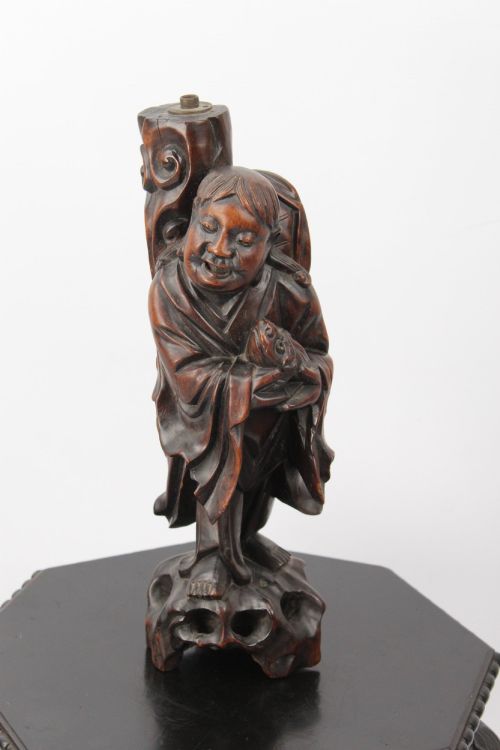
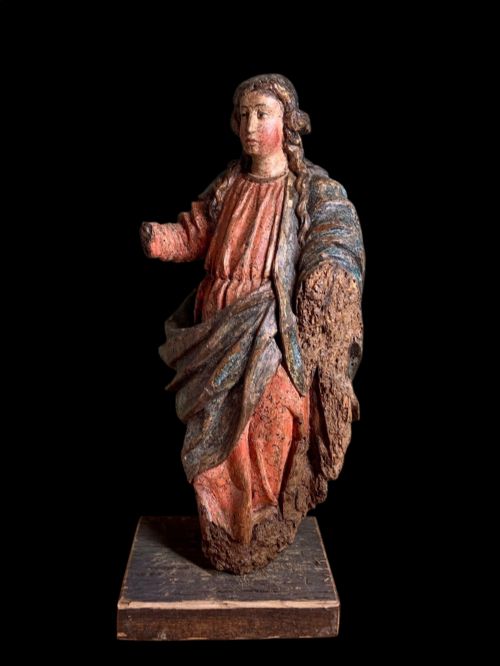
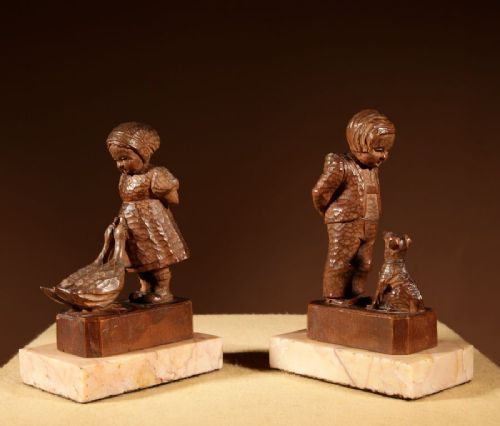
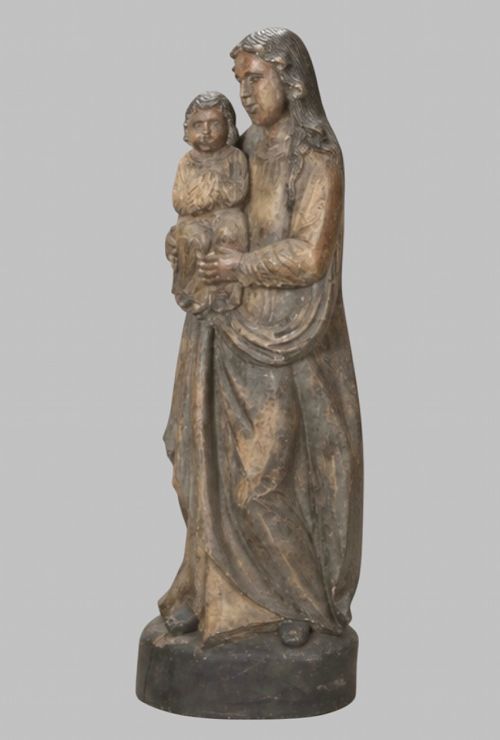
Brown Wooden Statue
Brown wooden statue search results bring together centuries of hand-carved figures, animals and saints crafted from walnut, oak and exotic hardwoods.
Brown Wooden Statue
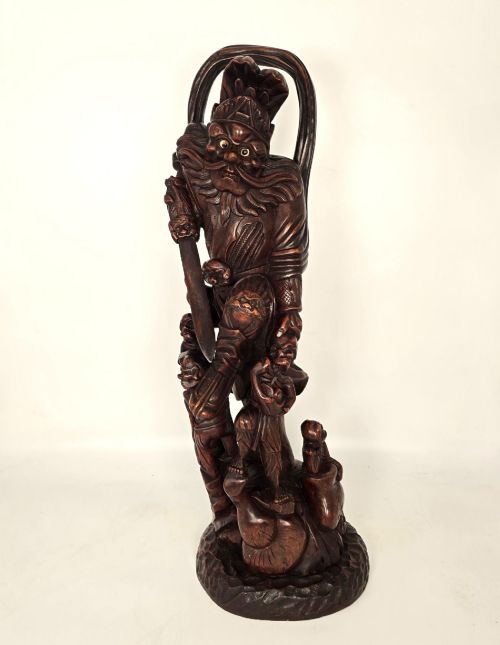
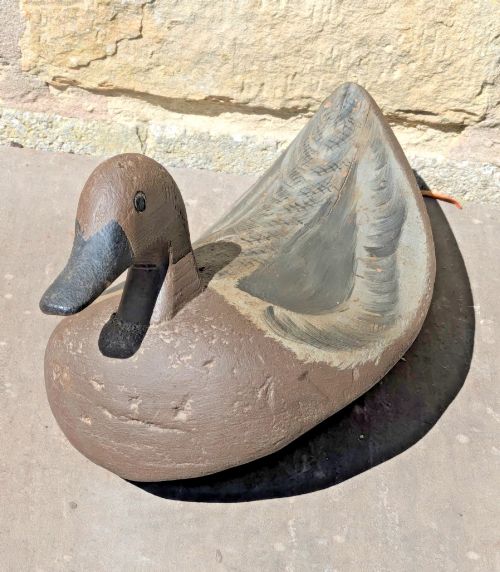
A brown wooden statue encompasses a broad range of sculptural forms, spanning European folk art, religious devotional figures, and detailed animal studies. When exploring this phrase, buyers encounter everything from modest pine duck decoys to monumental Chinese hardwood Guardian Kings.
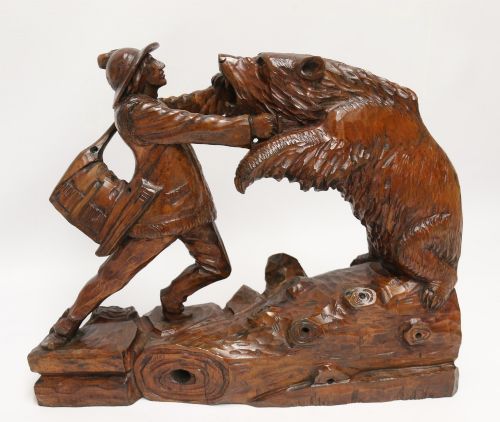
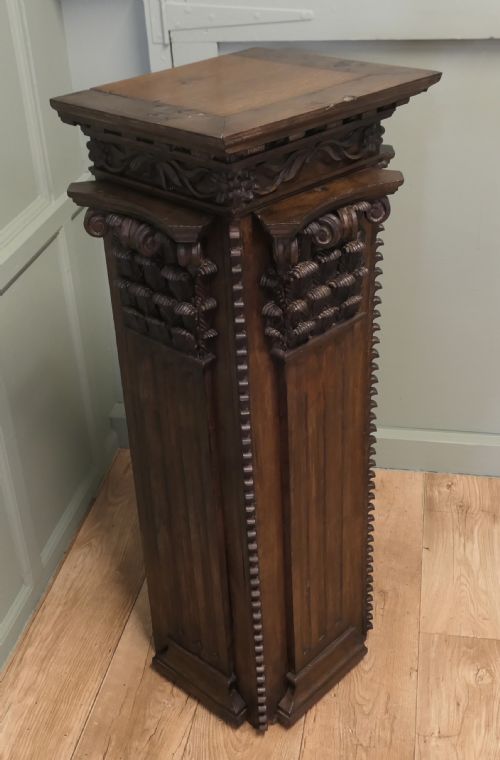
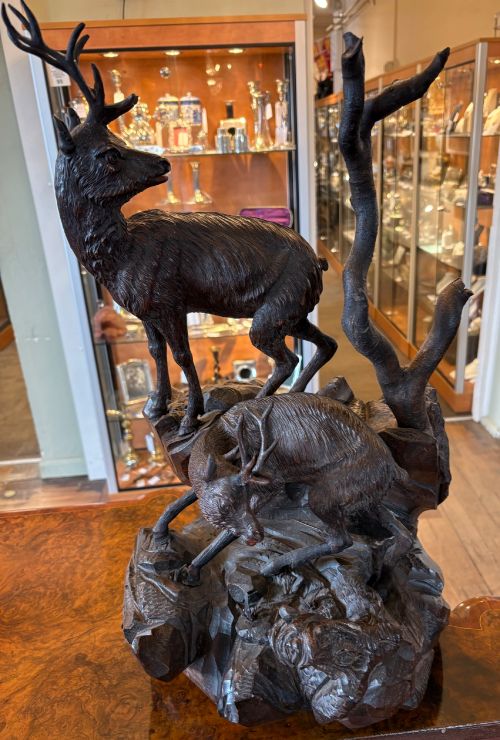
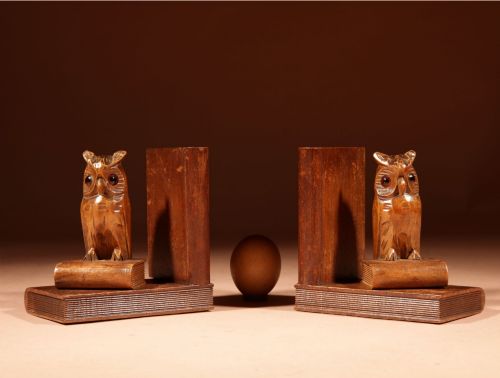
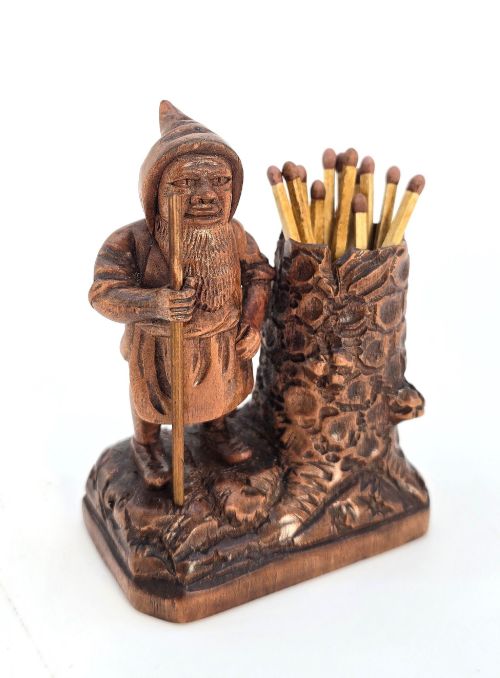
The objects originate from diverse traditions, notably Black Forest workshops, Qing Dynasty China, and various regional European carving centres. Forms include practical items such as bookends and match strikers alongside standalone decorative sculptures and architectural columns.
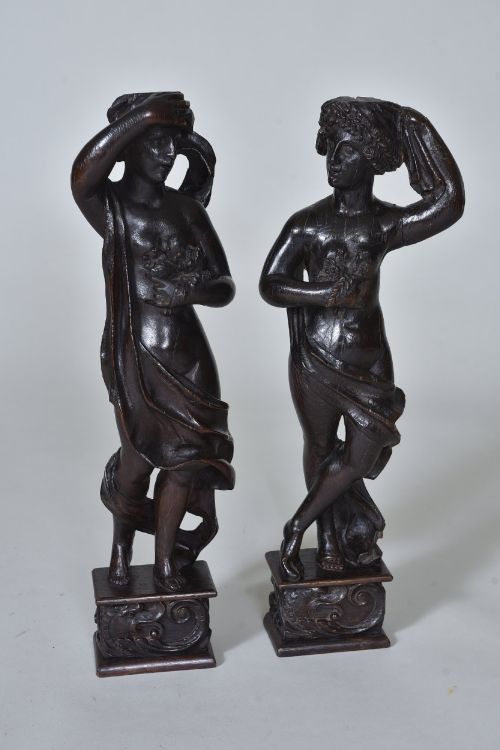
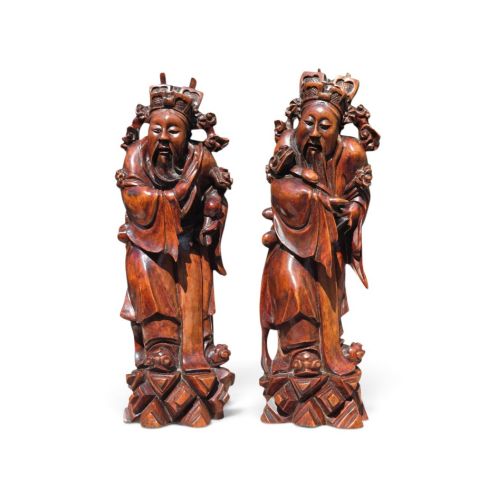
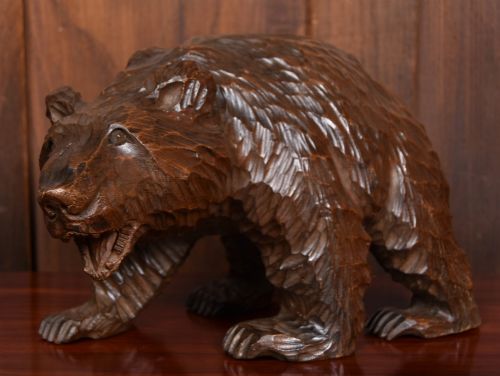
Dating primarily from the eighteenth century through to the early twentieth century, these sculptures reflect the distinct aesthetic priorities of their makers. European religious pieces sit alongside Japanese bear carvings and African tribal fertility figures.
Materials and technique
Carvers utilised local and imported timbers, selecting walnut, oak, linden wood and dense hardwoods depending on the required level of detail. Grain direction and natural timber tones dictate the visual weight of each finished sculpture.
Surface treatment varies from polished natural wood to polychrome paint and lacquer highlights, particularly on religious figures and Asian works. Hand chiselling leaves characteristic tool marks that separate genuine antique carvings from later reproductions.
Periods represented span from the eighteenth century through to the Art Deco era.
Quality differences
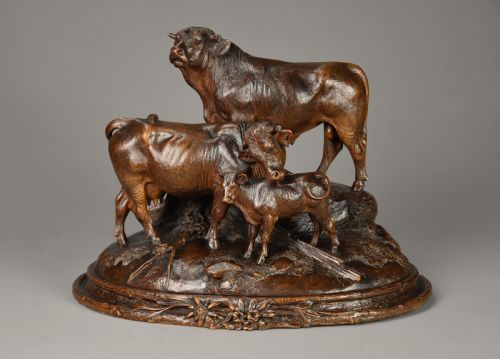
Anatomy and proportion separate standard decorative items from superior masterworks, particularly in animal and human studies. Skilled carvers capture tension in muscle and expression in faces, whereas simpler pieces rely on rigid symmetry.
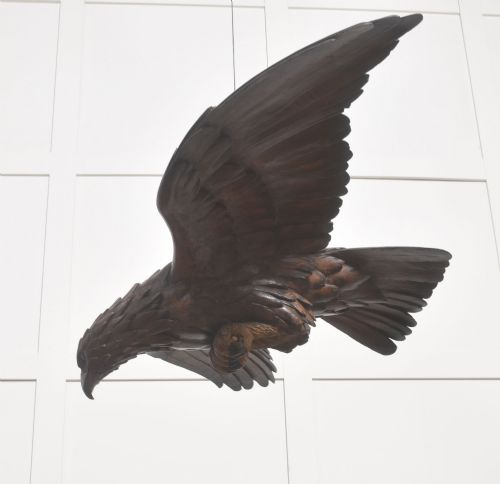
Depth of relief and undercut detailing indicate the maker's proficiency with timber. Crisp feather, fur or drapery carving requires significant technical mastery, distinguishing fine studio pieces from naive folk art.
J Huggler·Sier Kunst
The Brown Wooden Statue Glossary
- Polychrome
- Painted or decorated in several colours. This finish appears frequently on European religious figures and saints.
- Hardwood
- Timber from broad-leaved trees such as oak, walnut and mahogany. These dense woods resist splitting and allow for intricate, lasting detail.
- Limewood
- A soft, pale wood favoured by European carvers for intricate detail work. It cuts evenly in all directions without splintering.
- Black Forest
- A style of wood carving originating in Switzerland and Germany. These pieces typically depict local wildlife, particularly bears and deer, rendered with realistic textures.
- Folk art
- Utilitarian or decorative objects created by self-taught or traditional artisans. These pieces prioritise expressive form over academic accuracy.
Brown Wooden Statue: Frequently Asked Questions
How do I care for an antique wooden statue?
Keep wooden sculptures away from direct heat sources and sudden humidity changes to prevent the timber from splitting. Dust gently with a dry, soft cloth rather than using liquid polishes or chemical cleaners.
Over time, natural oils help maintain the patina of older timber surfaces. Minimal handling preserves any original painted or lacquered finishes.
What is the difference between a figure and a statue?
The terms are often used interchangeably in antique listings, though statues generally imply larger, freestanding monumental works. Figures can refer to smaller table sculptures, bookends or individual elements within a larger group.
Scale and intended placement usually dictate how dealers categorise these carved wooden objects. Both terms describe three-dimensional representations of human, animal or religious subjects.
How can I tell the age of a carved wooden statue?
Examine the tool marks left by the carver, as hand-chiselled surfaces differ significantly from modern machine-tooled items. Wear patterns, timber shrinkage, and the accumulation of old wax or polish also indicate age.
Matching the carving style, subject matter, and wood species to documented regional traditions helps narrow down the period of manufacture. Signatures, stamps, or specific hardware mounts can provide additional chronological clues.
Where were Black Forest wooden statues made?
These carvings originated primarily in the mountainous Brienz region of Switzerland during the nineteenth century. Local woodcarving schools trained generations of artisans who specialised in realistic animal studies, notably bears and deer.
Items ranged from large hall furniture and umbrella stands to small desk accessories and bookends. The distinctive dark walnut and linden wood finishes became immensely popular across Europe and Britain.