





Ecclesiastical Carved Statue
An ecclesiastical carved statue brings centuries of devotion into a room, fashioned from solid timber and finished with gold leaf or pigment.
Ecclesiastical Carved Statue
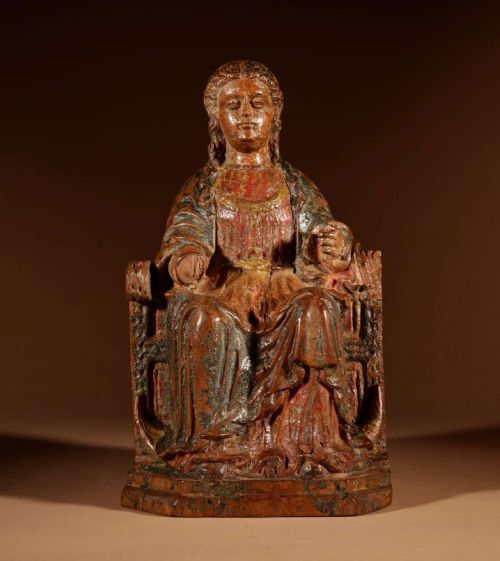
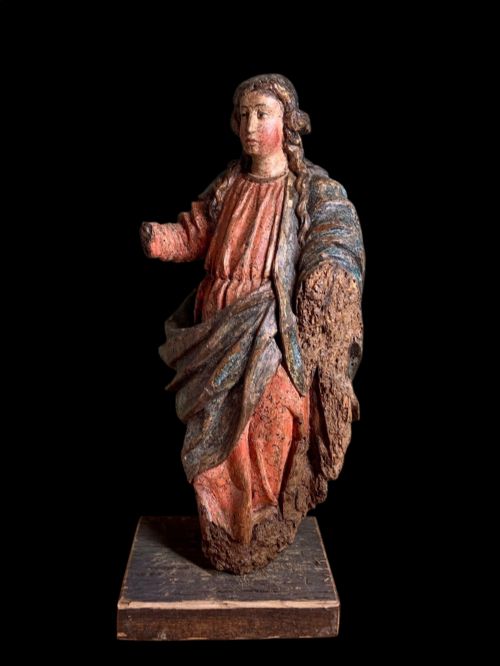
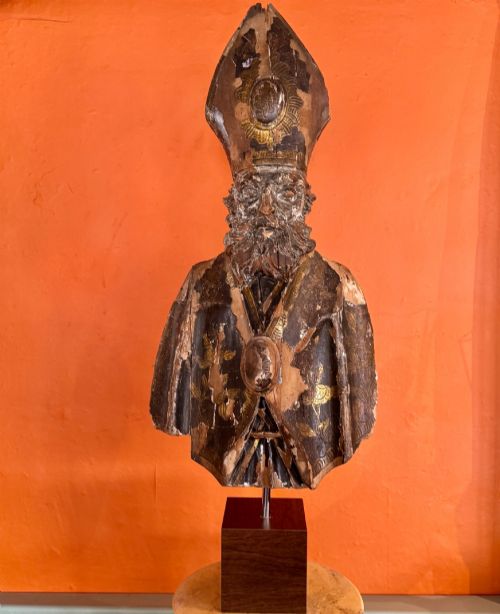
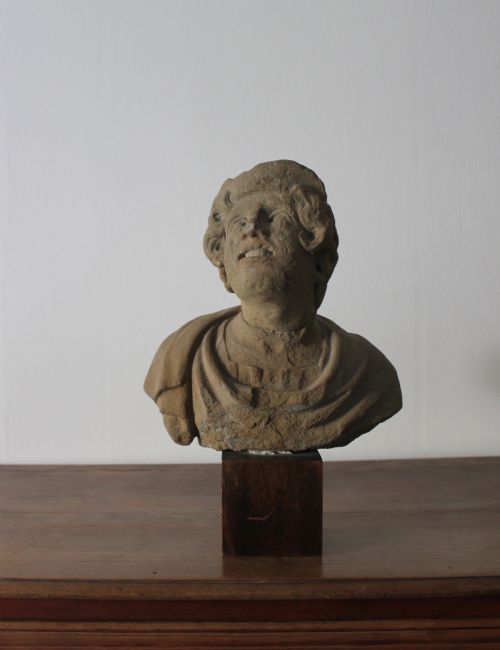
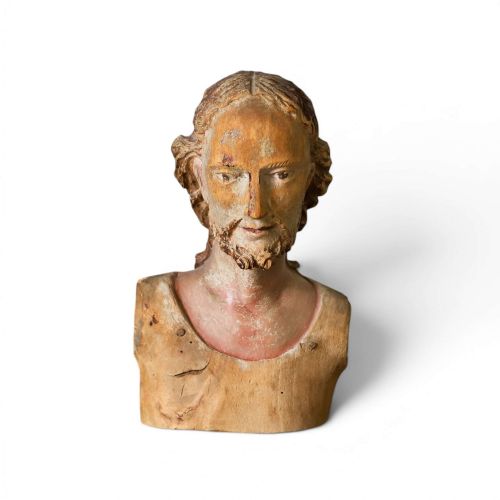
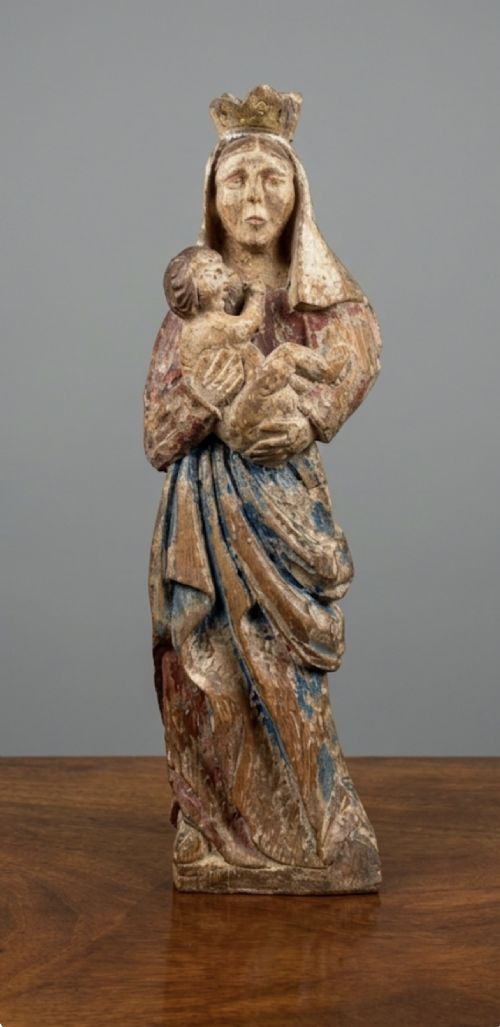
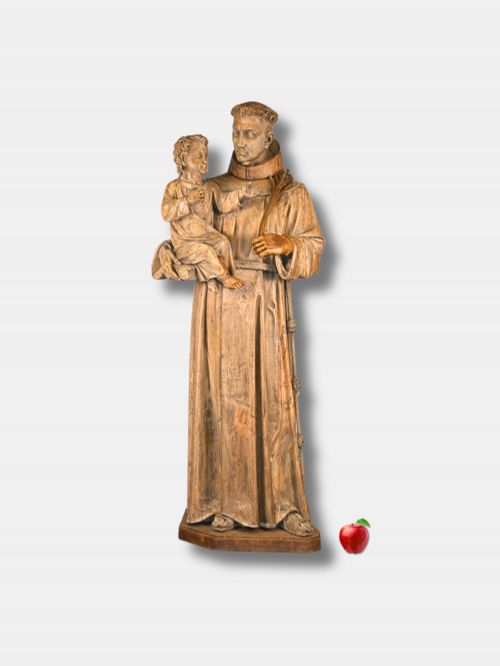
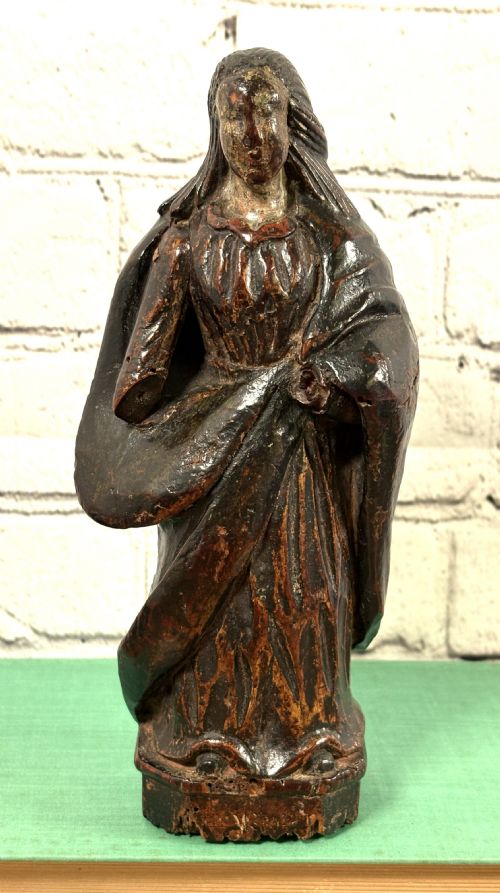
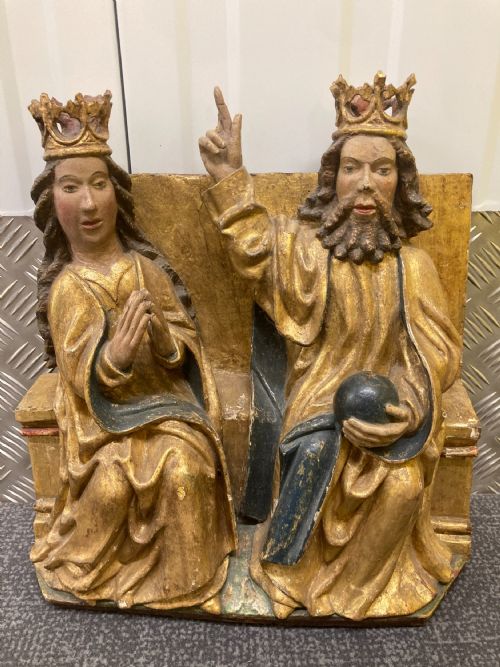
When searching for an ecclesiastical carved statue, one encounters figures of saints, angels, and holy personages spanning from the late medieval period through the nineteenth century. These sculptures take the form of full-length standing figures, seated madonnas, individual busts, and flanking pairs intended for altars or private chapels.
The pieces originate from workshops across Europe, notably in Italy, France, Germany, and Croatia, reflecting regional interpretations of Gothic, Renaissance, and Baroque styles. Surviving examples range from small devotional studies to life-size figures carved from sturdy woods like oak and walnut.
Materials and Techniques
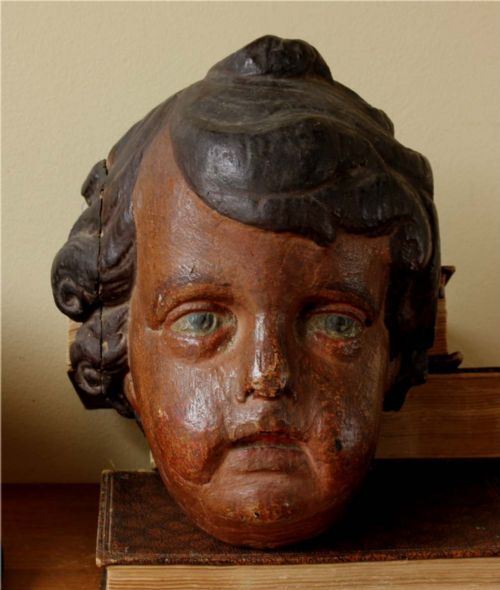
Tool marks left by chisels and gouges remain visible beneath the surface layers, revealing the hand-working methods of period artisans. Fragmentary pieces and isolated elements, such as cherub heads or angel brackets, demonstrate how larger architectural and devotional ensembles were constructed.
The design styles represented span from late medieval and Gothic traditions through Renaissance, Baroque, and nineteenth-century Gothic Revival.
Assessing the Workmanship
The distinction between ordinary workshop production and master craftsmanship lies in the anatomical precision and expressive depth of the carving. Superior figures display fluid drapery folds that respond logically to the posture beneath, while lesser examples rely on stiff, formulaic cutting.
The survival rate of original surface treatments also determines the standing of a piece, as authentic traces of early polychrome paint or giltwood add historical integrity. Workmanship that maintains crisp detail through layers of gesso and pigment separates accomplished regional carving from routine ecclesiastical output.
The Ecclesiastical Carved Statue Glossary
- Polychrome
- Painted in several colours. This term describes wooden sculptures finished with pigmented layers to simulate life.
- Gesso
- A plaster mixture applied to wood as a base for paint or gold leaf. It provides a smooth surface for detailed gilding.
- Giltwood
- Wood that has been covered with a thin layer of gold leaf. This finish added luminosity to ecclesiastical settings.
- Putto
- A representation of a naked child, often winged. These figures appear frequently in Baroque religious art.
- Acolyte
- An assistant to a cleric in a religious service. Candlestick figures often depict these attendants.
Ecclesiastical Carved Statue: Frequently Asked Questions
How were these statues used?
Ecclesiastical statues stood in churches, monastic foundations, and private oratories to aid in devotion and liturgical services. They occupied altars, niches, and architectural brackets where the faithful gathered to pray.
Larger figures often formed part of elaborate altarpieces or accompanied crucifixes, while smaller studies served personal reflection in domestic spaces.
How do I tell periods apart?
Stylistic shifts provide the clearest guide to dating, moving from the stiff, solemn drapery of late medieval and Gothic works to the dynamic movement of Baroque pieces. Renaissance figures show a renewed interest in classical proportion and naturalism.
Material choices also offer clues, as dense oak dominates earlier northern European pieces, while limewood and softer hardwoods appear frequently in continental workshops.
How do I live with an antique carving?
These wooden figures require stable indoor humidity away from direct heat sources and strong sunlight to prevent the timber from splitting. Placing them on secure brackets or flat surfaces allows their substantial weight to be properly supported.
Gentle dusting with a dry cloth preserves fragile surface treatments like gesso and gold leaf without disturbing the historic finish.
What is a santos figure?
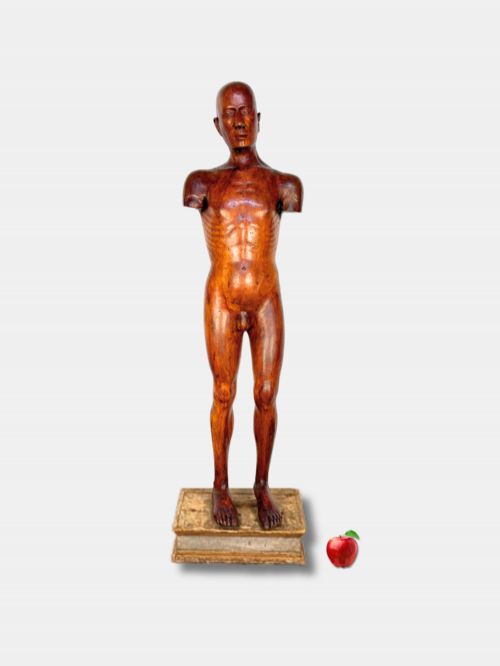
A santos figure is a devotional statue, often life-size, created for religious processions and displays in Catholic traditions. These sculptures frequently feature articulated limbs or wooden frames designed to wear real textiles.
Originating largely in southern European workshops, they represent saints or biblical figures used in active worship.