
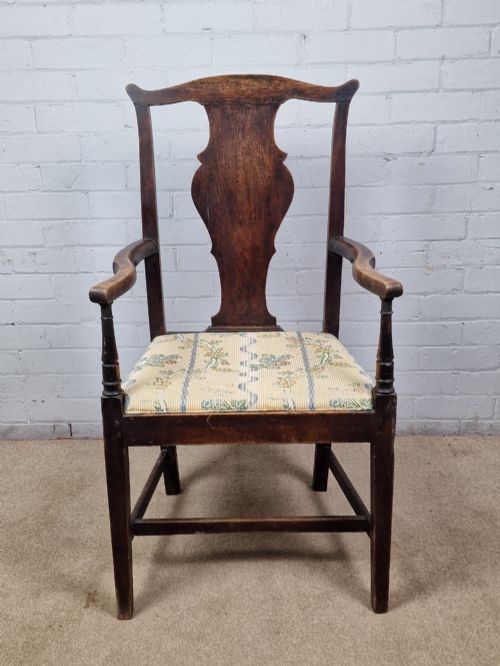
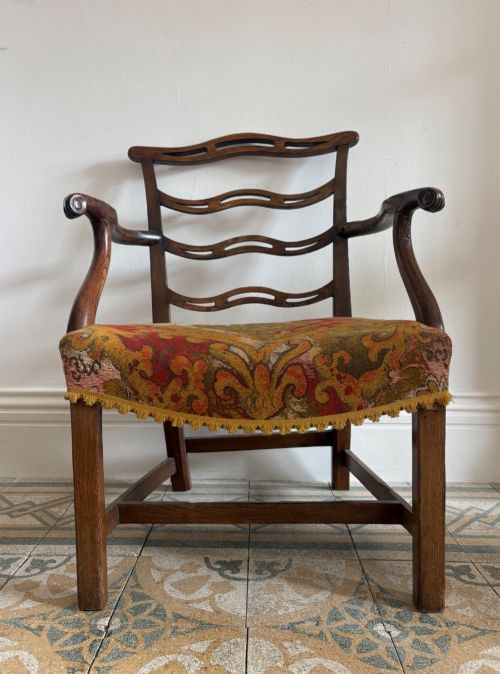
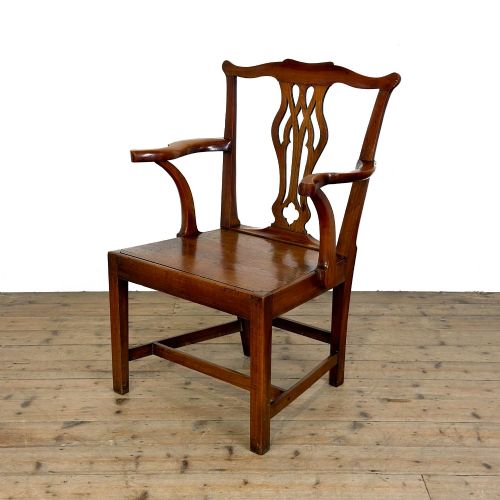
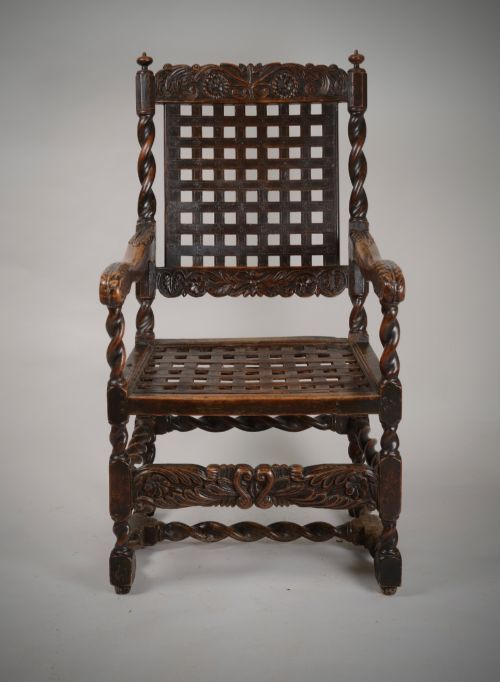
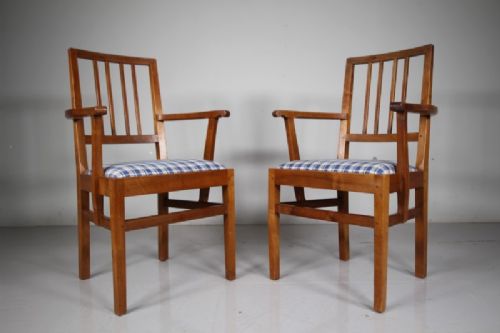
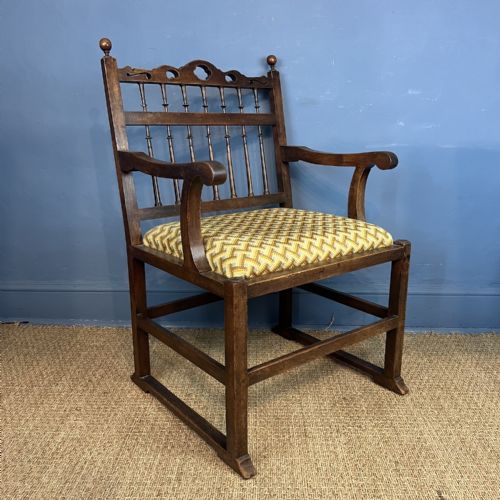
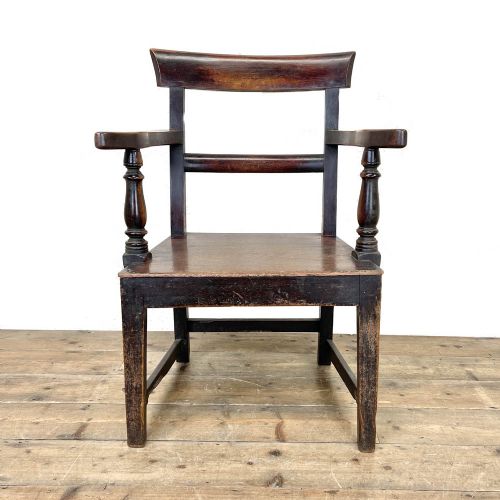
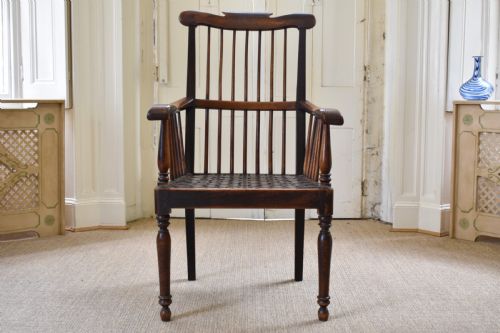
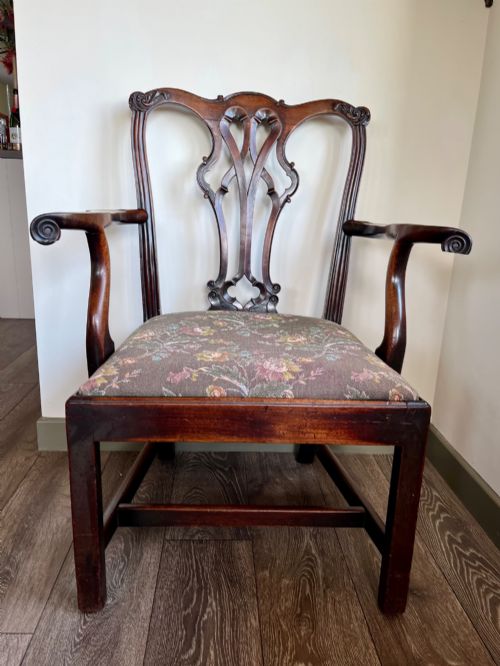
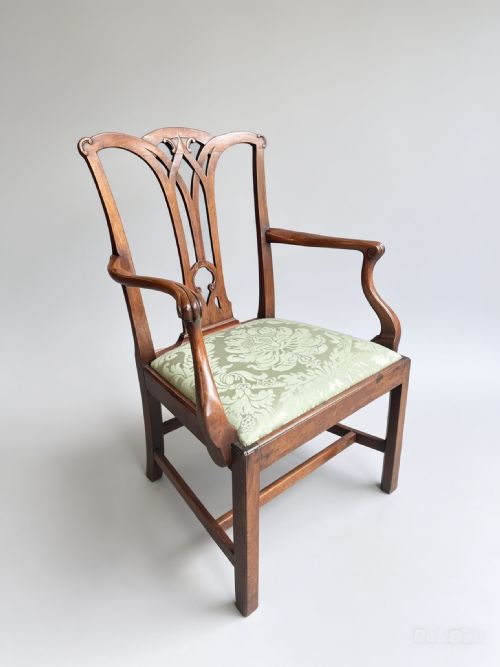
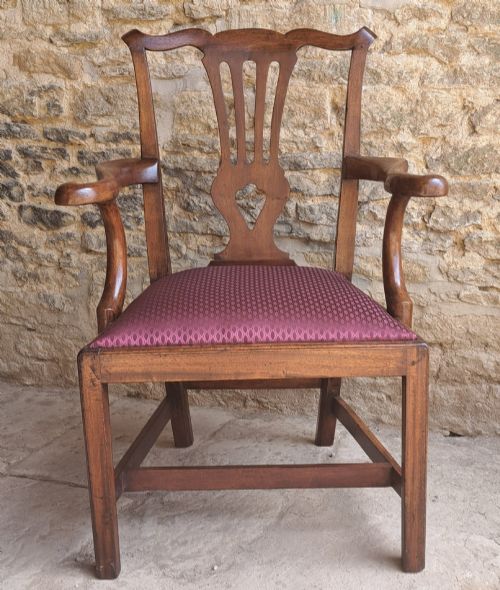
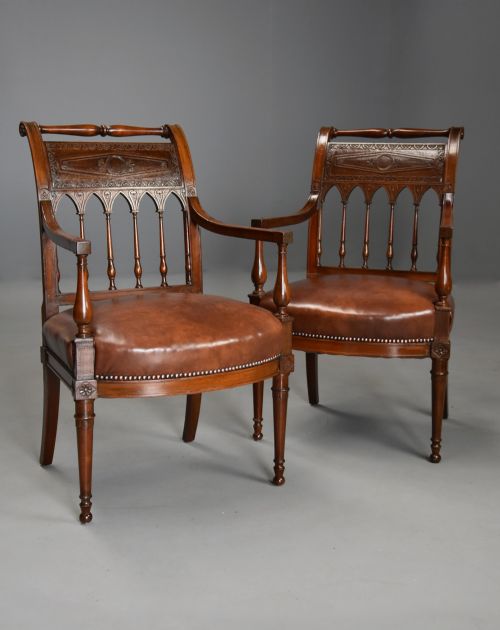
Brown Wooden Open Armchair
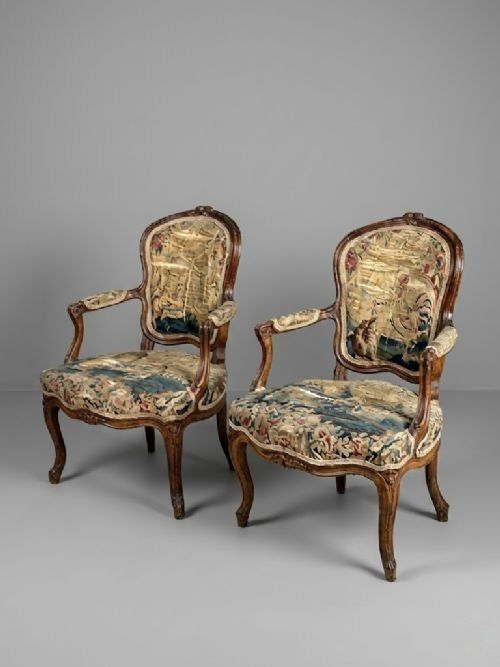
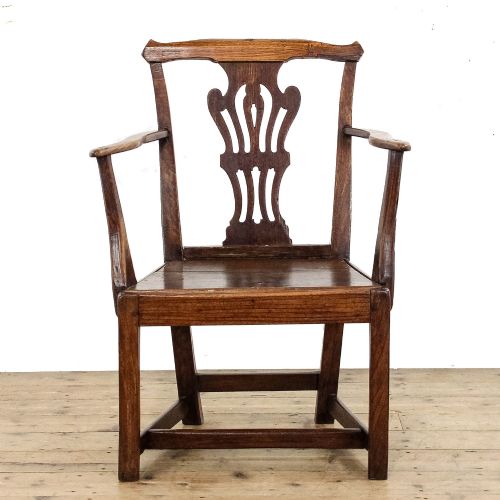
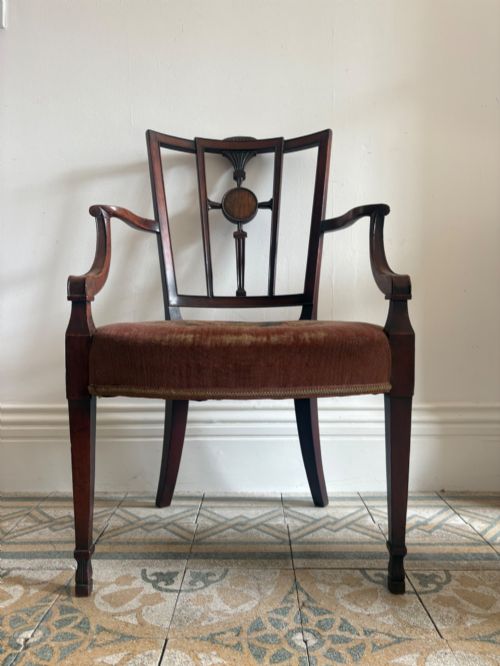
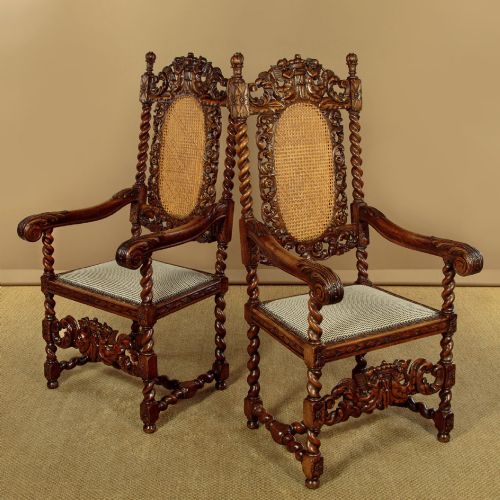
A brown wooden open armchair offers solid timber construction and accessible armrests, bringing traditional seating comfort into any room.
Brown Wooden Open Armchair
Construction and materials
Cabinetmakers and country joiners utilised native and imported hardwoods, selecting mahogany, walnut, and oak for formal commissions while turning to elm, ash, and fruitwood for vernacular seating. Timber selection dictated the structural integrity of the frame, allowing craftsmen to execute curved arm supports, rake back legs, and mortise-and-tenon joints designed to withstand daily use. Secondary woods often reinforced seat rails and underframing.
Surface finishing relied on hand-applied polishes, wax, or oil to nourish the timber grain rather than obscure it. Upholstered elements required webbing, horsehair stuffing, and heavy textile covers secured with iron tacks, while simpler versions utilised rush cordage woven directly around wooden seat rails.
One curious nineteenth-century variation designed specifically for comfortable imbibing appears under the colloquial title of a drunkards chair.
Distinctions in standard
Quality rests upon the integrity of the timber framing, the precision of the joinery, and the retention of original surface patination. Superior examples display crisp hand-carving along the splats and knuckles, alongside harmonious proportions dictated by period proportion rules rather than hasty assembly.
The degree of original surface survival separates master workshop output from later alterations or heavy restoration. Well-preserved joinery maintains tight structural joints without excessive metal bracing, while patinated timber exhibits the warm, unbleached tone accrued through long domestic use.
Gillows·Edward Barnsley·Dicon Nance
The Brown Wooden Open Armchair Glossary
- Carver chair
- A sturdy wooden armchair, often featuring open arms and a solid or splat back, historically used at the head of a dining table.
- Wainscot armchair
- An early heavy wooden seat constructed primarily from oak with panelled backboards, reflecting seventeenth-century domestic joinery.
- Ladderback
- A chair back featuring multiple horizontal wooden slats curved to support the sitter's spine, typical of country workshop production.
- Bobbin turned
- A style of furniture leg or stretcher shaped on a lathe to resemble a series of rounded wooden beads or spools.
- Aubusson
- A style of hand-woven tapestry traditionally utilised for heavy upholstery covers on formal eighteenth-century seating.
Brown Wooden Open Armchair: Frequently Asked Questions
How were these armchairs used historically?
These seats served primary roles in domestic parlours, libraries, and dining rooms, providing comfortable posture for reading, dining, or social conversation.
Many styles adapted to specific functional niches, such as low seat heights for fireside use or sturdy frames for heavy daily wear.
How do I identify the period of an armchair?
Period identification relies on observing the combination of timber species, joint construction methods, and stylistic motifs carved into the frame.
Comparing leg turning, splat shape, and arm profile against documented historical examples helps narrow down the century of manufacture.
How do I care for antique wooden armchairs?
Preservation involves maintaining stable indoor humidity levels and keeping the furniture away from direct heat sources that dry out historical timber.
Applying occasional specialist wax feeds the polished wood surface without building up excessive residue or damaging original finishes.