
George V Desk Chair
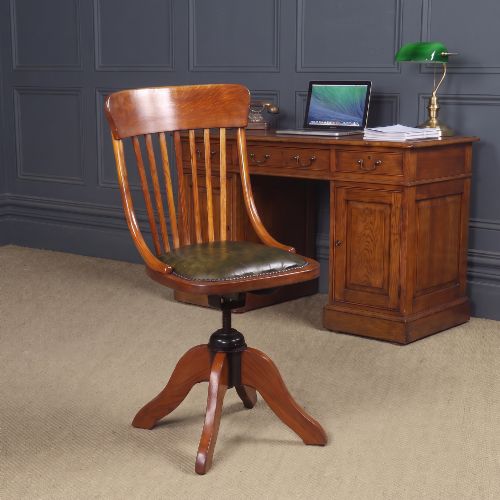
When you search for a george v desk chair, you find robust oak and beech frames paired with green leather seats from the 1920s designed for daily work.
George V Desk Chair
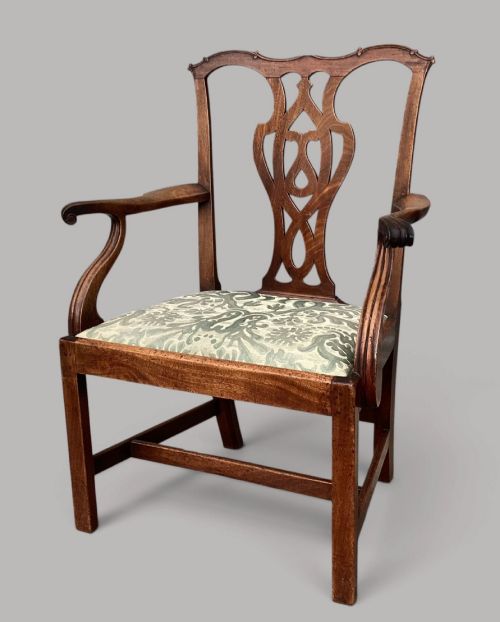
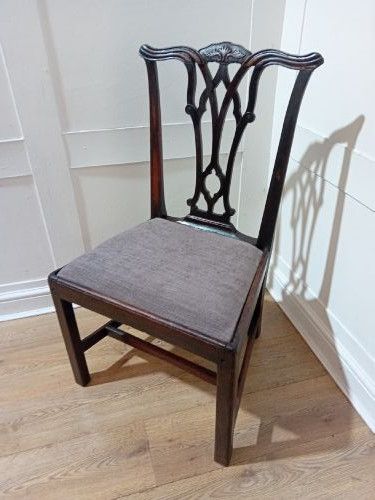
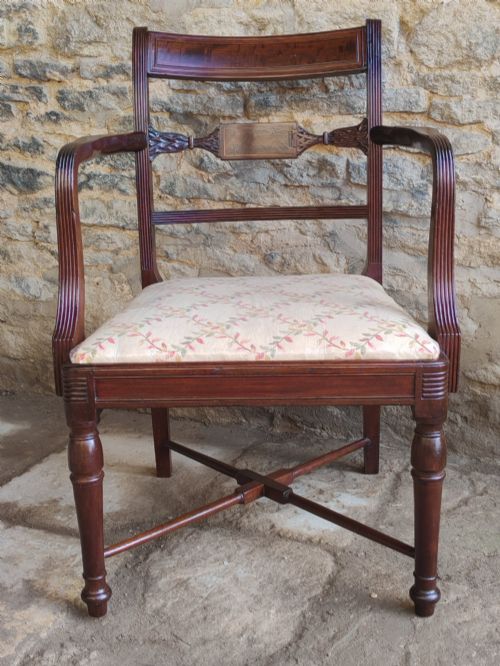
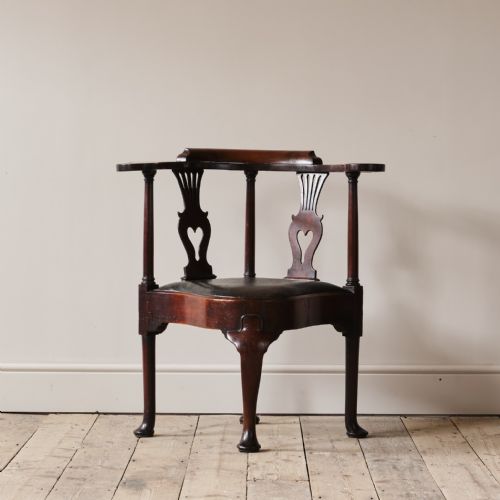
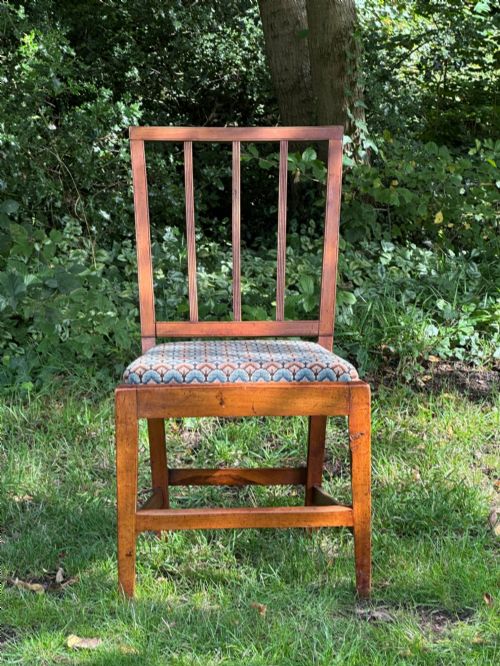
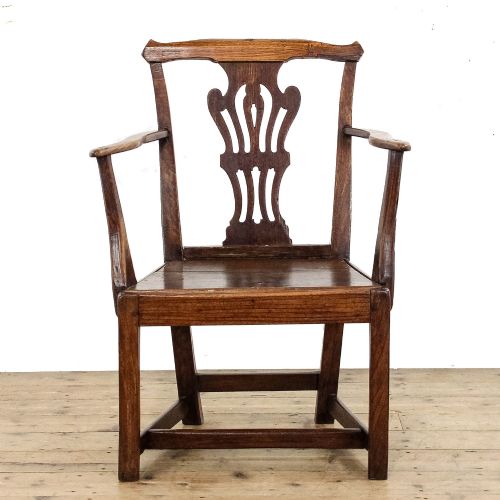
A george v desk chair encompasses early twentieth century revolving and office seating built for practical use, most frequently appearing in oak or beech with green leather upholstery. These pieces date from around 1920 and reflect the continuation of traditional form adapted for professional environments. Alongside these specific office models, the broader selection spans earlier centuries from George I through to Regency periods, featuring mahogany, walnut, and elm across various armchair and side chair formats.
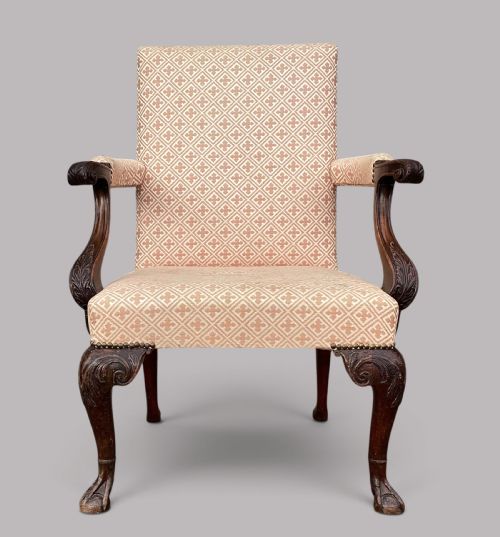
The dominant forms meeting this search phrase are revolving armless desk chairs and small office chairs produced around 1920. They combine utilitarian swivel mechanics with traditional timber frames, offering a distinct contrast to the formal library and Gainsborough chairs found in earlier Georgian listings. Buyers encounter sturdy domestic and commercial seating designed for sustained productivity rather than formal reception.
How they were made
Makers utilised solid timbers such as oak, beech, mahogany, and walnut, shaping frames through traditional joinery and turning techniques. Timber selection dictated the structural integrity of office seating, where revolving mechanisms required robust woods to withstand constant movement.
Upholstery relied on leather and fabric secured over padding, with green leather frequently chosen for working surfaces due to its durability. Brass components often reinforced swivel mechanisms and castors on desk chairs, ensuring functional longevity in study or office settings.
Listings span multiple centuries, incorporating oak, beech, mahogany, walnut, and leather across various desk and office chair configurations.
What varies in quality
The refinement of timber carving and the integrity of the underlying frame construction separate standard examples from finer productions. Heavier scantlings of oak or walnut and crisp detailing on legs and spindles indicate superior craftsmanship.
The originality and smooth operation of revolving mechanisms and castors influence value, alongside the condition of the leather upholstery. Surviving stamped attribution or cohesive patination across the timber surfaces further distinguishes the finer pieces.
Gillows·Giles Grendey
The George V Desk Chair Glossary
- Revolving
- A seating design featuring a central pivot mechanism that allows the chair to turn full circle. This innovation became standard for office and desk chairs during the early twentieth century.
- Carver
- An armchair, typically designed to match a set of dining or office side chairs. They often feature elbow rests and broader proportions.
- Gainsborough
- A wide, upholstered armchair with open padded arms, originating in the mid-eighteenth century. These pieces provide comfortable seating for libraries and desks.
- Cabriole
- A furniture leg that curves outward at the knee and tapers inward toward the foot, inspired by animal limbs. This form frequently appears on walnut and mahogany seating from earlier periods.
George V Desk Chair: Frequently Asked Questions
What defines a george v desk chair?
A george v desk chair is typically an early twentieth century office seat dating from around 1920. These pieces often feature revolving oak or beech frames fitted with green leather seats.
They combine practical swivel functionality with traditional timber construction suited for study and office environments. This distinguishes them from formal eighteenth century library or dining chairs.
How do I identify a revolving desk chair?
Revolving desk chairs include an under-seat pivot mechanism that allows the chair to turn. They are commonly constructed from sturdy timbers like oak and beech to support movement.
Many examples omit arms to fit neatly beneath office tables. Metal or brass hardware often supports the swivel action.
Are these chairs suitable for daily use?
These office chairs were originally built for sustained working environments and robust daily tasks. Solid timber frames and durable leather seats ensure they remain functional for modern study spaces.
Buyers should verify the stability of the revolving mechanism and joints. Proper maintenance keeps these vintage office seats practical for contemporary workspaces.
How do I distinguish 1920s chairs from earlier periods?
Chairs from the 1920s often incorporate mechanical swivel components and standardised office hardware not found in earlier centuries. Their timber finishes and joinery reflect early twentieth century mass production methods.
In contrast, Georgian pieces rely on fixed frames, hand-carved details, and period-specific timbers like walnut and early mahogany. Examining the undercarriage and hardware helps clarify the date of manufacture.