



Early Georgian Armchair
An early georgian armchair provides substantial timber frames and formal presence, offering a foundational seating form for traditional interiors.
Early Georgian Armchair
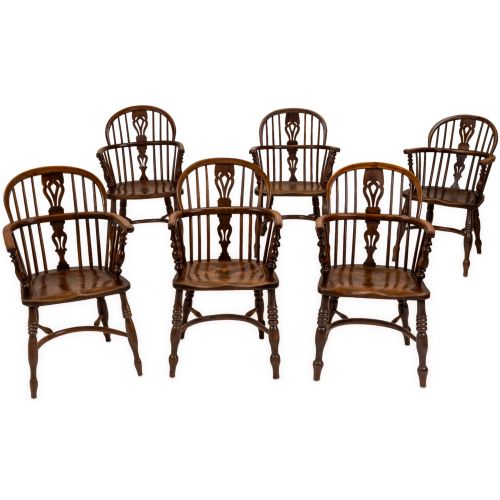
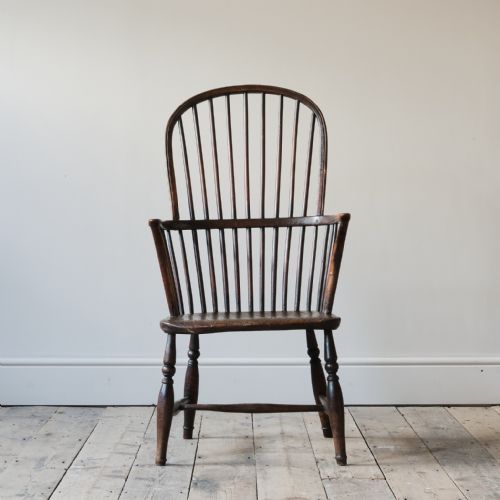
The search for an early georgian armchair reveals seating from the eighteenth century alongside later revival pieces produced in mahogany, walnut, oak, and ash. Buyers encounter formal walnut wing chairs and robust oak wainscot armchairs alongside country versions made from elm and yew wood.
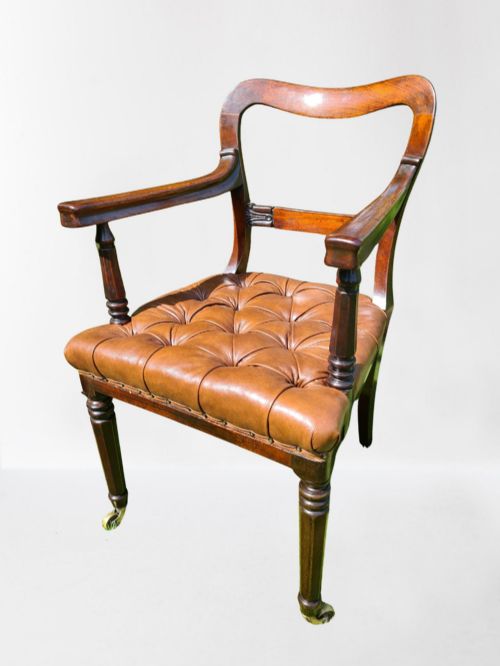
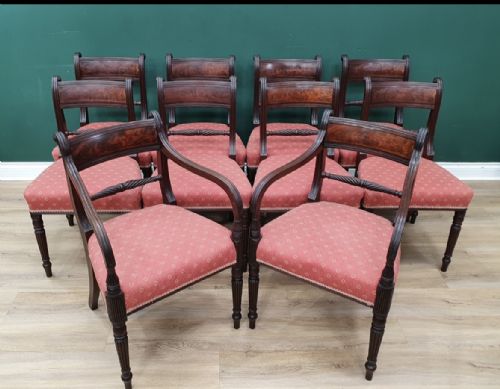
Many examples span the broader early nineteenth century, featuring Windsor armchairs with crinoline stretchers, mahogany desk chairs, and upholstered library armchairs. These forms reflect both formal urban cabinet-making and regional vernacular traditions.
Materials and construction methods
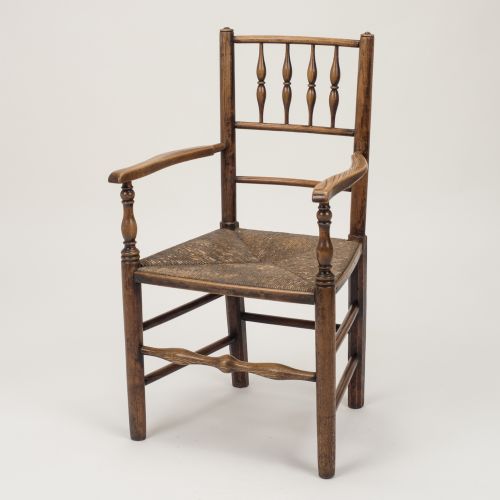
Cabinet makers built formal seating using dense hardwoods like mahogany and walnut, often applying decorative burr veneers or carved details to the show wood. Country makers relied on local timbers such as elm, ash, and yew, turning spindle backs and steaming hoops for Windsor designs.
Joinery techniques combined mortise and tenon frames with pinned joints for structural strength, while rush seating and leather upholstery provided supportive seats. Winged library models utilised deep stuffing methods over webbing to support upholstered panels and cushions.
Listings feature oak, walnut, and mahogany alongside regional timbers like yew, elm, and ash across eighteenth and nineteenth-century periods.
Judging quality and craftsmanship
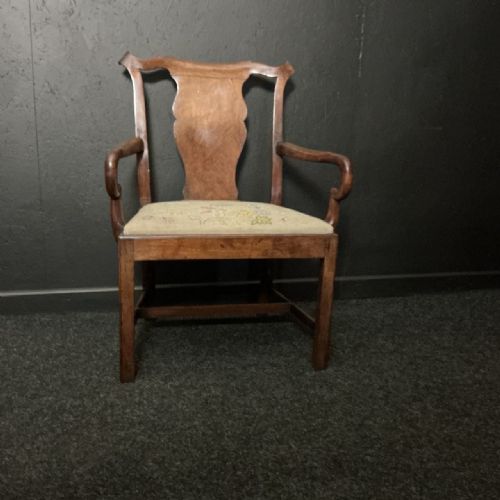
The distinction between tiers rests on the crispness of carved details in walnut and mahogany, the weight of the timber, and the integrity of the original framing. Superior examples maintain balanced proportions and uncompromised timber sections throughout the arms and legs.
Surface finish significantly influences standing, with patinated wax surfaces on early woods holding more appeal than stripped or heavily restored timber. Original upholstery foundations or correct period replacement methods separate standard vernacular pieces from master-carved urban outputs.
The Early Georgian Armchair Glossary
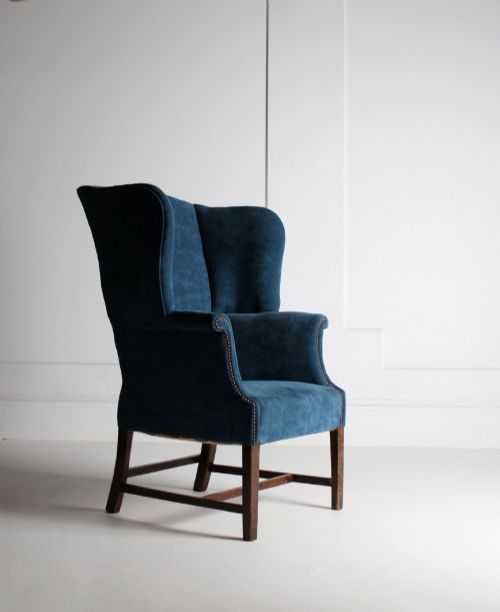
- Wingback
- An upholstered armchair with side panels designed to shield the sitter from draughts. These deep seats often feature leather or tapestry coverings.
- Windsor
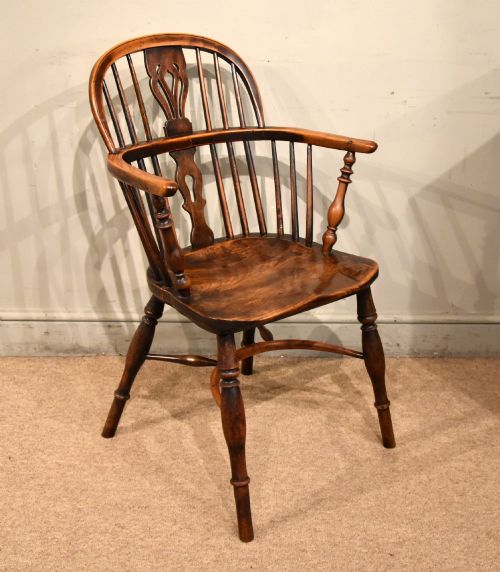
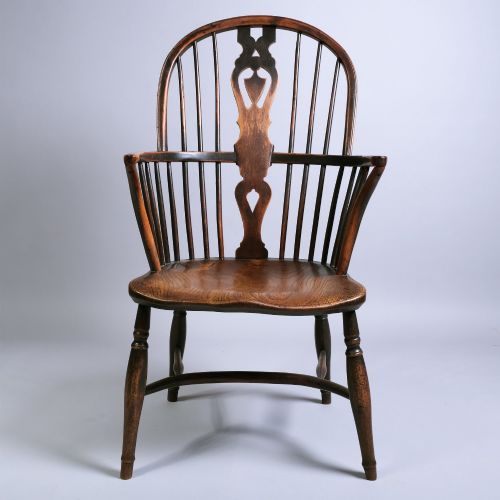
- A wooden chair featuring a solid saddle-shaped seat into which the legs and spindle back are wedged. Yew, ash, and elm feature heavily in their construction.
- Gainsborough
- A wide-seated mahogany armchair with open padded arms, originating in the mid-eighteenth century. They typically serve as desk or library chairs.
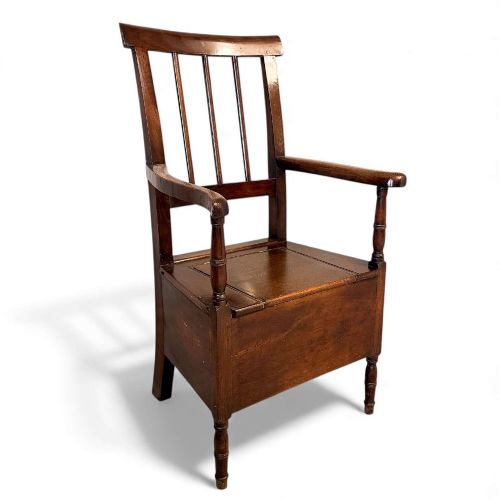
- Commode chair
- A seating form fitted with a concealed chamber pot enclosure beneath the seat. Eighteenth-century versions often disguise this function within solid wooden cabinetry.
- Crinoline stretcher
- A curved under-framing brace linking the legs of Windsor chairs for added rigidity. This hoop-shaped support is characteristic of earlier regional designs.
Early Georgian Armchair: Frequently Asked Questions
How do I spot a reproduction?
Examine the timber shrinkage, tool marks, and construction joints to determine the actual age of the frame. Genuine eighteenth-century surfaces display natural wear patterns and patination that modern replicas struggle to duplicate.
Check whether secondary woods match the period of the primary facade. Inconsistencies in timber species or machine-cut elements usually point towards later revival manufacture.
Were these chairs used at desks?
Many sturdy mahogany and walnut armchairs were specifically designed for reading, writing, and desk work. Their wide proportions accommodated the heavy clothing of the period.
Library and desk chairs often incorporated pivoting mechanisms or wider armrests to facilitate long hours of study. These specialised forms remain popular for modern home offices.
What is a Windsor chair?
A Windsor chair is a timber seat constructed by inserting individual spindles and legs directly into a thick wooden seat base. Ash, elm, and yew provide the necessary flexibility and strength for the bentwood hoops.
Originating in rural workshops, these chairs evolved into sophisticated stick-back and comb-back variants across the English countryside. Their enduring appeal lies in their robust construction and organic lines.
How should I care for leather upholstery?
Maintain antique leather surfaces by applying microcrystalline wax or specialist balms to prevent the hide from drying out. Avoid placing these chairs near direct heat sources or strong sunlight.
Gentle dusting with a dry cloth keeps the surface clean without stripping the aged finish. Proper conditioning preserves the suppleness of nineteenth-century buttoned and plain leather panels.