
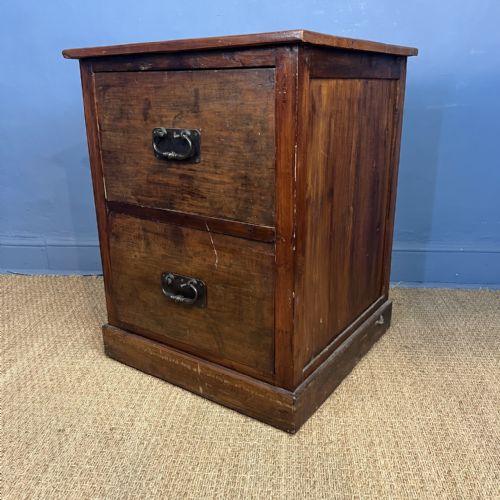
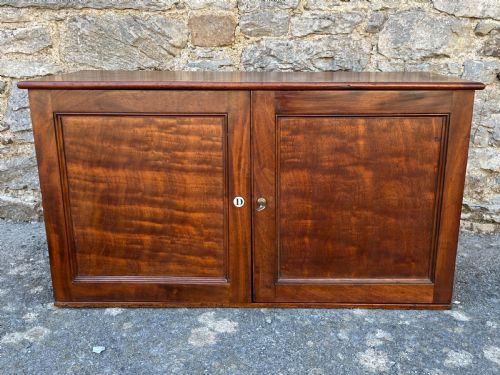
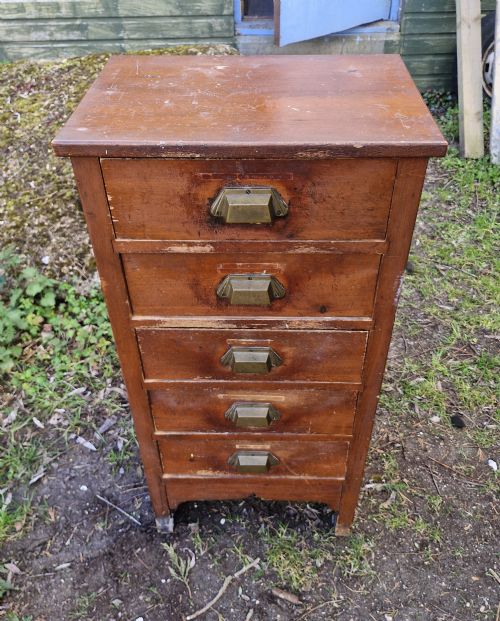

Brown Wooden Office Cabinet
A brown wooden office cabinet brings order to a workspace, combining practical storage with the warmth of traditional timber.
Brown Wooden Office Cabinet
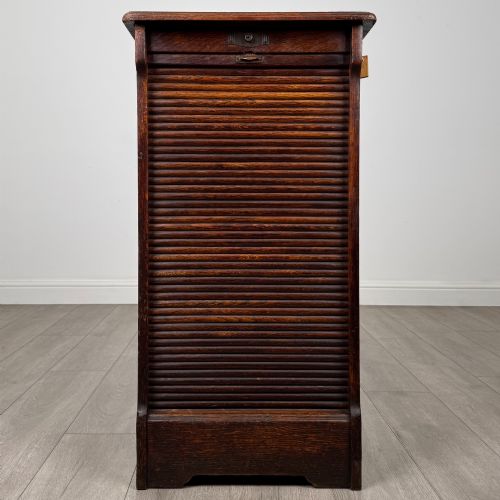
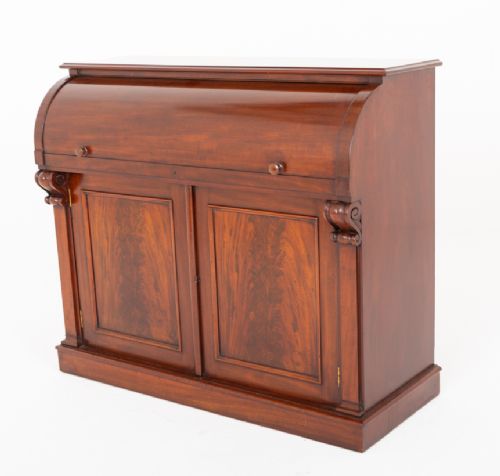
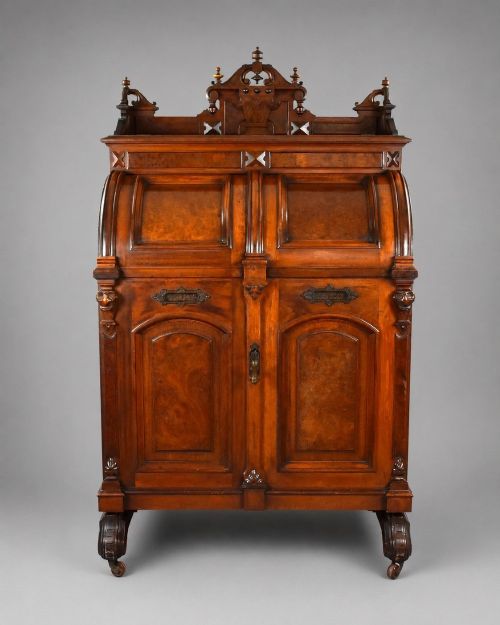
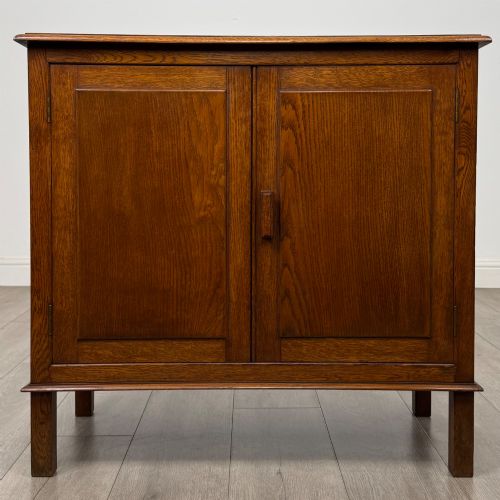
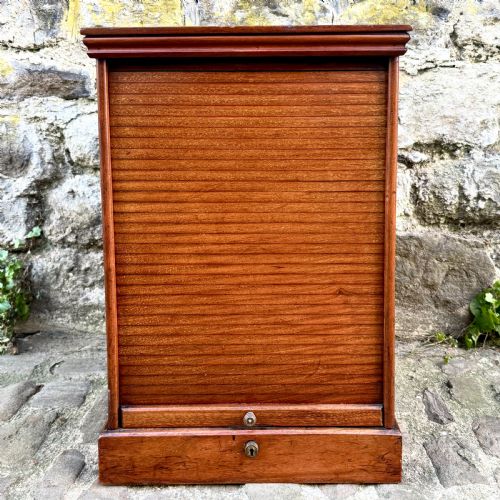
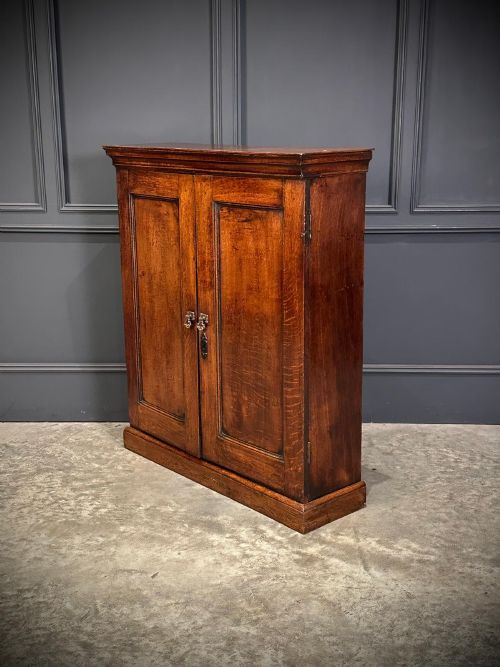
A brown wooden office cabinet serves as a functional workspace storage solution, appearing across multiple eras from the nineteenth century through the Art Deco period. Buyers encounter various forms designed for administrative tasks, including filing cabinets, tambour front units, and banks of drawers.
The pieces on this page span several decades, featuring designs rooted in Victorian, Edwardian, and early twentieth-century traditions. Oak and mahogany dominate the selection, often complemented by specialised internal mechanisms for correspondence and files.
Makers from these periods adapted domestic furniture techniques to commercial environments, resulting in robust pieces built for daily paperwork. Whether configured as a roll-top desk, a stacking bookcase, or a card index system, each brown wooden office cabinet reflects the administrative needs of its era.
Materials and construction
Craftsmen utilised durable hardwoods like solid mahogany, oak, and walnut to build these functional storage units, ensuring longevity in busy offices. Brass hardware, including handles and label holders, provides operational contrast against the dark wood surfaces.
Advanced joinery techniques allowed for specialised elements such as flexible tambour slats, stacking sectional frames, and multi-drawer banks. Polished finishes protected the timber while highlighting the natural grain patterns characteristic of high-grade cabinet making.
Materials appearing across these listings include oak, mahogany, walnut, pine, teak, and brass.
Distinctions in quality
The standard of a brown wooden office cabinet rests upon the selection of timber and the precision of its moving parts. Superior examples feature well-fitted tambour doors that glide smoothly and drawers that run true within their housings.
Original brass fittings and patent locking mechanisms elevate a piece, distinguishing standard commercial storage from finely appointed office furniture. The integration of solid secondary woods and clean internal dividers further separates exceptional workplace antiques from utilitarian items.
The Brown Wooden Office Cabinet Glossary
- Tambour
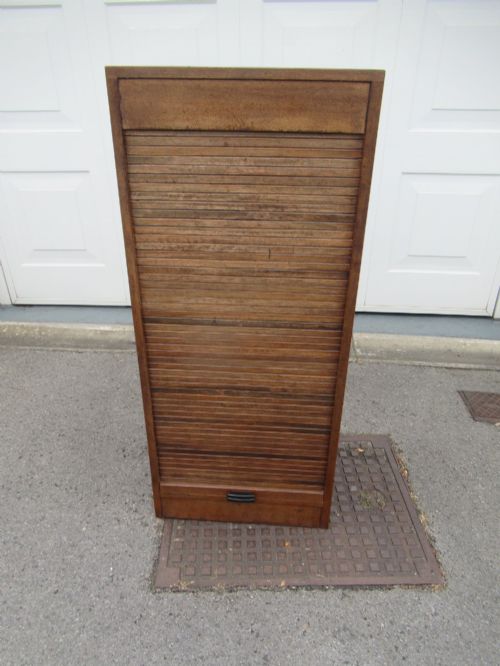
- A flexible shutter door formed of narrow wooden slats glued to a canvas backing. This mechanism allows the front of a cabinet to slide smoothly around a curve and conceal the interior.
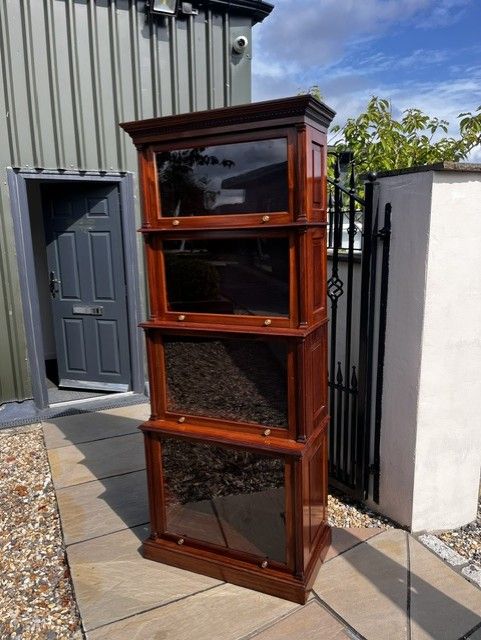
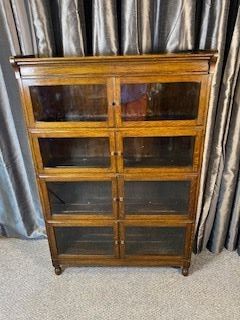
- Barrister bookcase
- A modular bookcase featuring glass-fronted stacked sections that lift and slide inward. They were designed for legal offices to protect books while allowing easy access.
- Bank of drawers
- A multi-drawer storage unit designed for sorting correspondence, documents, or specimens. These pieces prioritize maximum vertical storage capacity for administrative use.
- Patent file
- An indexed filing system integrated into a cabinet, often associated with specific nineteenth-century inventors. These mechanisms revolutionised office organisation before modern suspension files.
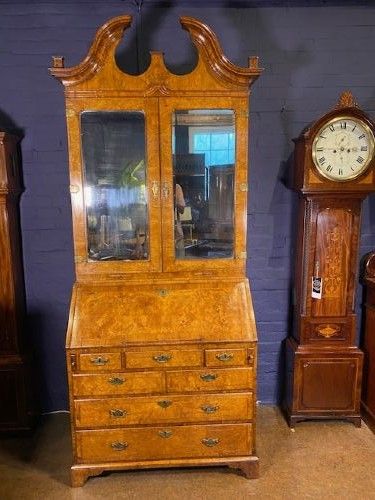
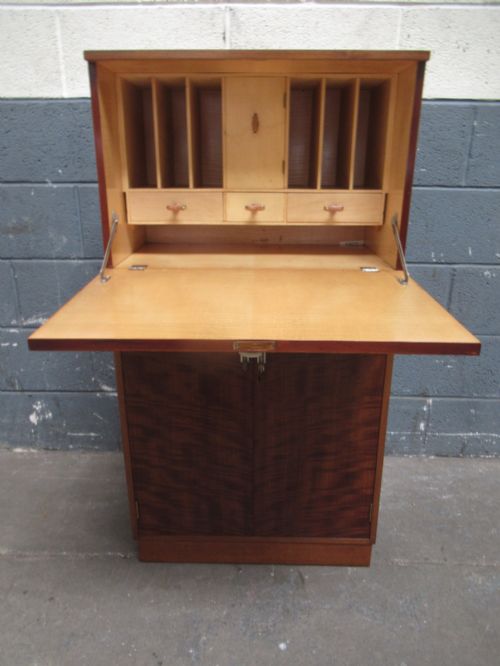
- Bureau bookcase
- A combination furniture form featuring a sloping fall-front writing surface above drawers or shelves. They provide both concealed workspace and enclosed storage.
Brown Wooden Office Cabinet: Frequently Asked Questions
How do I date a wooden office cabinet?
Examine the timber, hardware, and construction methods to establish an approximate period. Victorian and Edwardian pieces often display heavier mouldings and distinct brass pulls, while Art Deco items introduce streamlined profiles.
Patents marked on internal hardware or locks can also narrow down the year of manufacture. Document drawers and backing boards reveal hand-tool marks on older examples and machine cutting on later ones.
What is a tambour front cabinet?
A tambour front cabinet uses a sliding door made of vertical wooden strips attached to a flexible backing fabric. This design allows the door to slide away into the sides or top of the cabinet.
It proved popular in offices because it saved floor space by eliminating swinging doors. These mechanisms require careful maintenance to ensure the slats glide smoothly along their tracks.
How were old filing cabinets used?
These cabinets housed correspondence, ledgers, and index cards before modern digital filing systems existed. Businesses relied on specialised drawers, pigeonholes, and patent filing mechanisms to keep paper records accessible.
Many units were tailored to specific professions, such as law firms, schools, or post offices. Their interiors often feature original dividers and label holders used by clerks.
Can I use an antique filing cabinet today?
These cabinets function well in modern workspaces for storing stationery, art supplies, or contemporary paper files. Solid wood construction ensures they remain robust enough for daily use.
Buyers should measure modern paper sizes against historical drawer dimensions before storing documents. Placing them in climate-controlled rooms helps preserve the timber and nineteenth or twentieth-century finishes.