

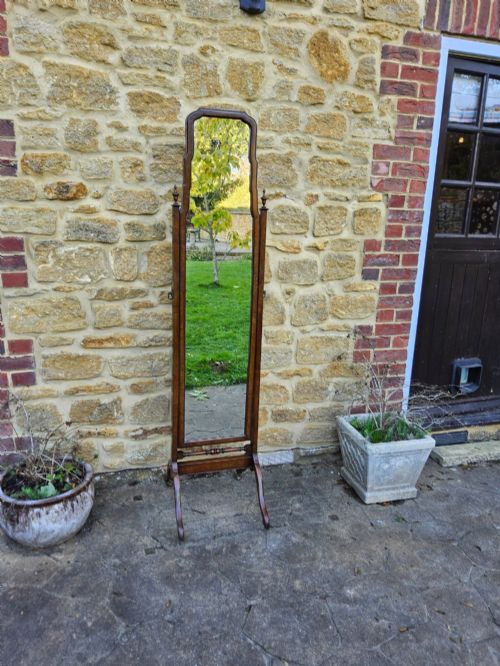
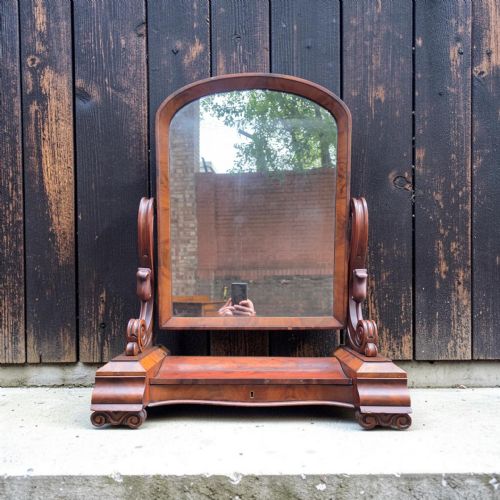
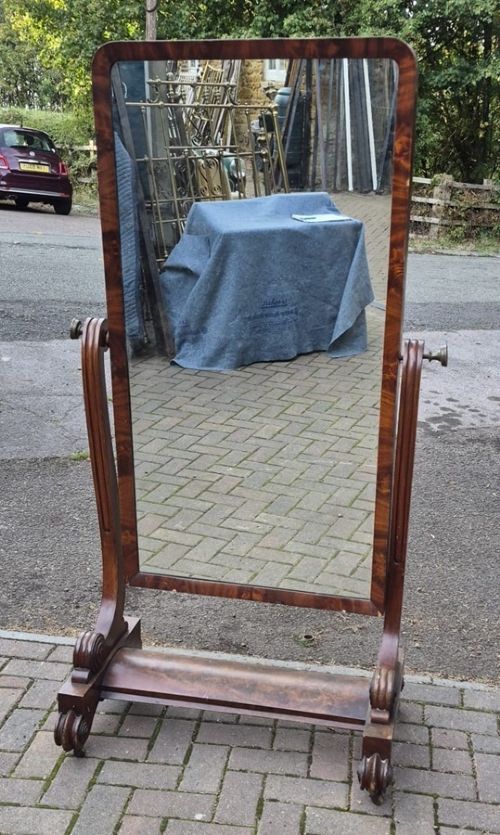
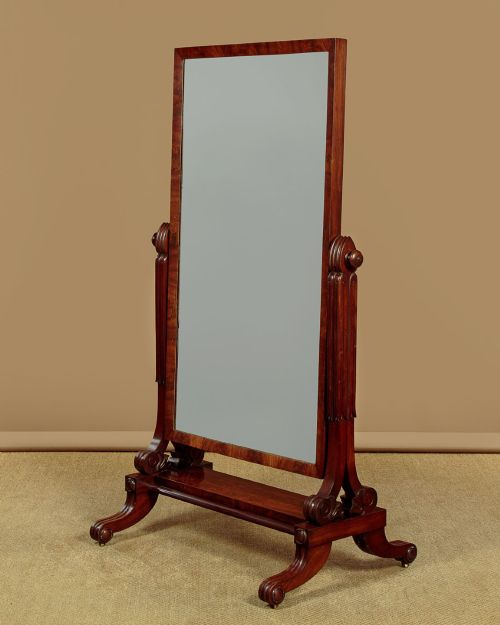
Brown Wooden Dressing Mirror
A brown wooden dressing mirror brings warmth and practicality to a room, offering a functional glass plate set within a timber frame.
Brown Wooden Dressing Mirror
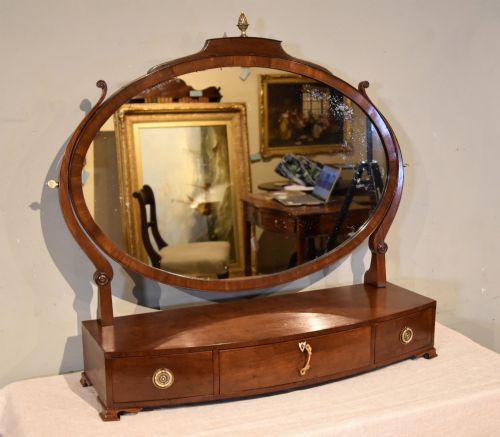
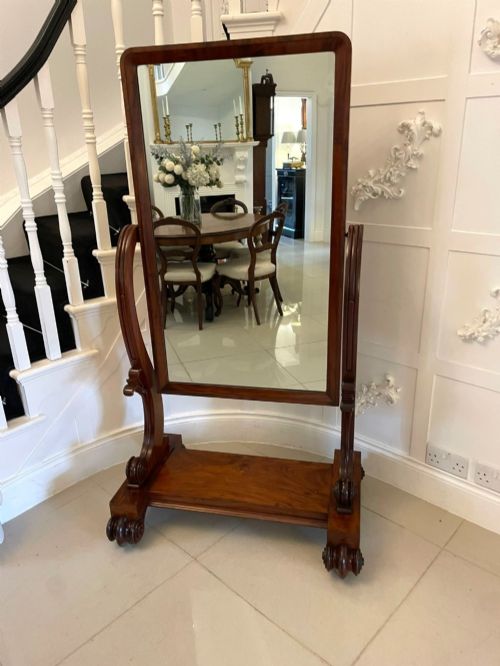
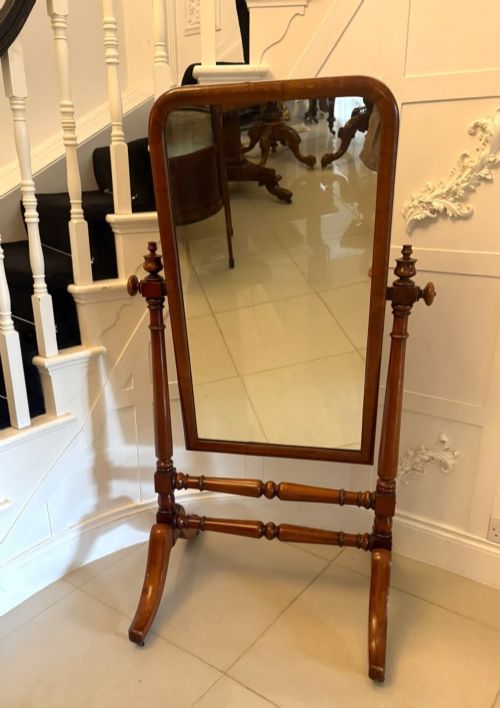
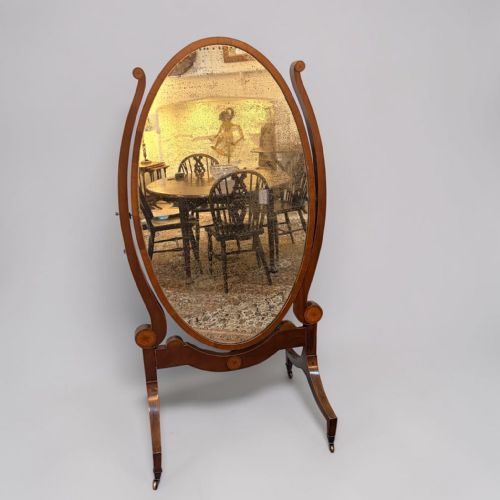
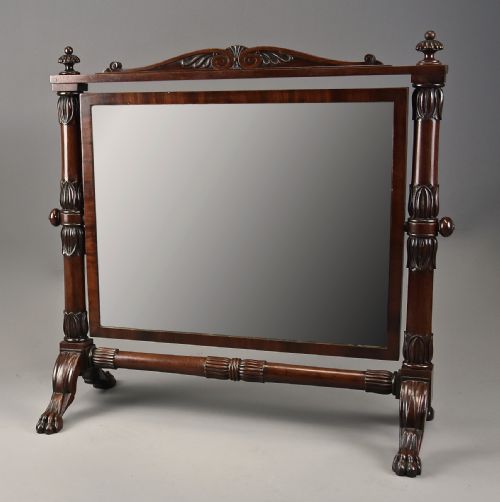
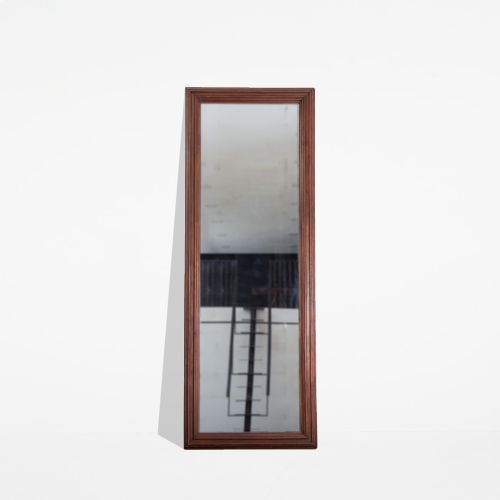
When you search for a brown wooden dressing mirror, you are looking at items designed for grooming and reflection, typically resting on a table or standing independently on the floor as a cheval or swing glass.
The versions you are most likely to meet on this page span the Georgian, Victorian and Edwardian periods, constructed in rich timbers such as mahogany, walnut and oak.
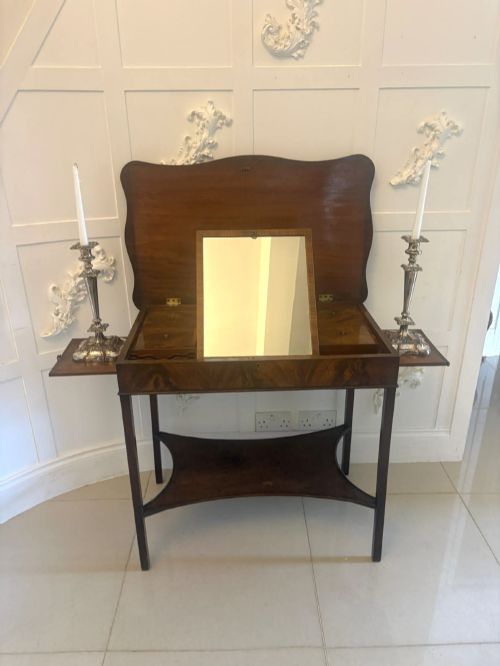
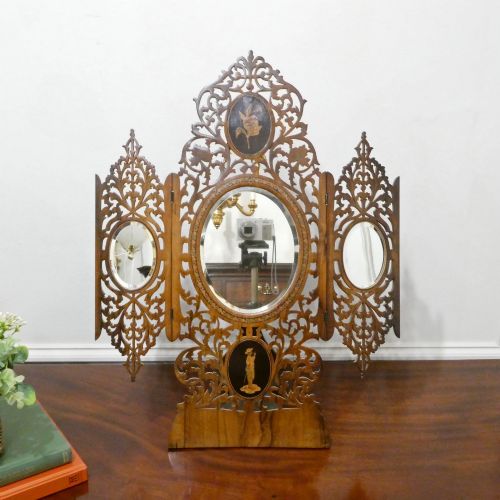
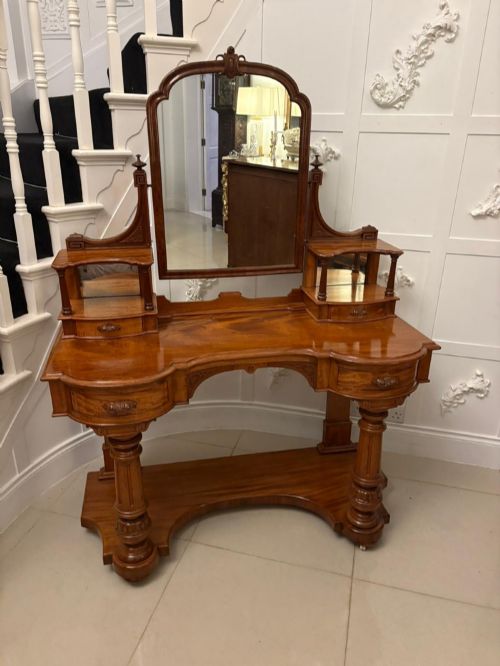
These pieces range from compact tabletop toilet mirrors to large freestanding cheval mirrors and full dressing tables equipped with adjustable glass plates.
How they were made
Cabinet makers utilised dense hardwoods like mahogany and walnut, frequently selecting figured veneers and burr patterns to create decorative surfaces on the frames and drawer boxes.
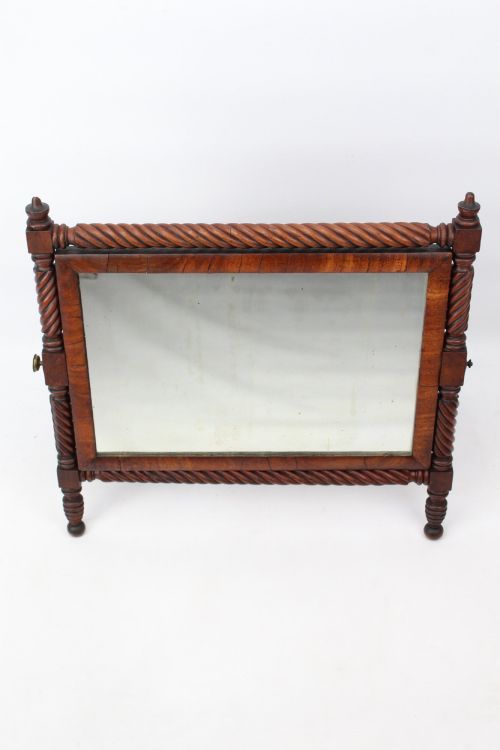
Support structures rely on traditional joinery, incorporating brass hardware, barley twist turnings and pivoted swing mechanisms that allow the glass to tilt at various angles.
Brown Wooden Dressing Mirror Retail Price Guide 2026
Typical asking prices for brown wooden dressing mirror among the pieces listed under this phrase on Sellingantiques today, from the lower quarter to the upper quarter. They describe what is for sale here now, not the wider market.
Listings feature items spanning the 18th century, Georgian, Regency, Victorian, Edwardian and 1920s periods.
What varies in quality
The distinction between standard examples and finer pieces lies in the selection of timber, such as the use of Cuban mahogany or figured walnut, alongside the depth and crispness of carved details.
Proportion and structural integrity dictate the overall grade, where well-balanced frames, original mirror glass and robust pivoting mechanisms indicate superior workshop execution.
Heal And Sons·P And MA Nicholson
The Brown Wooden Dressing Mirror Glossary
- Cheval mirror
- A freestanding full-length dressing mirror supported by a frame with vertical posts and pivoting pivots. This allows the entire glass plate to tilt freely.
- Toilet mirror
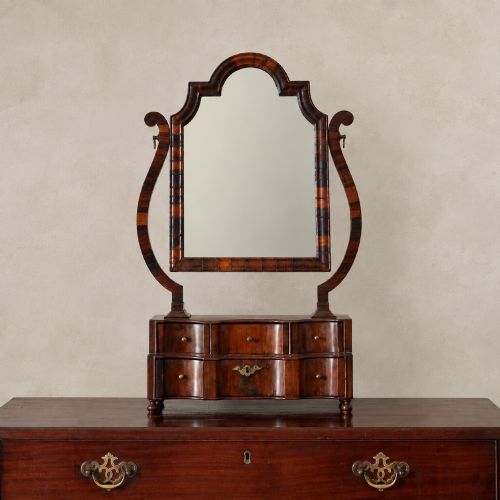
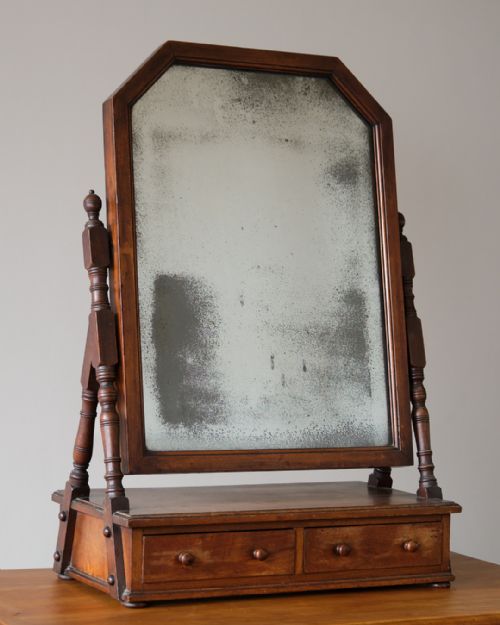
- A smaller dressing mirror designed to sit upon a table, chest of drawers or dressing chest. These often feature small drawers incorporated into the base.
- Swing mirror
- Any mirror hung on pivots within a frame that permits the glass to tilt back and forth. It is a defining feature of traditional dressing mirrors.
- Serpentine front
- A furniture front characterised by a concave central section flanked by two convex ends. This undulating shape adds considerable visual movement to dressing tables and mirror bases.
Brown Wooden Dressing Mirror: Frequently Asked Questions
Where should I place a dressing mirror?
These mirrors suit bedrooms and dressing rooms, typically placed upon a dedicated dressing table, chest of drawers or positioned directly on the floor if freestanding.
Position the glass near natural light sources to maximise reflection and aid with daily grooming routines.
How do I identify a Victorian mirror?
Victorian examples often display heavier proportions, darker mahogany or walnut timbers, and sometimes carved ornamentation or barley twist supports.
Examining the construction methods and the backing boards helps confirm the mid to late nineteenth-century origin.
What is a campaign shaving mirror?
A campaign shaving mirror is a portable travel version designed for officers on the move, built for compact storage and durability.
These utilitarian pieces often feature protective wooden cases or folding frames suited for transit.
Are the mirror plates original?
Many older pieces retain their original glass, which may exhibit minor foxing or age spots that confirm its long history.
Replacement glass is also common in pieces that have survived centuries of daily use.