

Brown Wooden Console
A brown wooden console brings warmth and structure to a hallway, drawing together mahogany, oak, and walnut across centuries of craftsmanship.
Brown Wooden Console
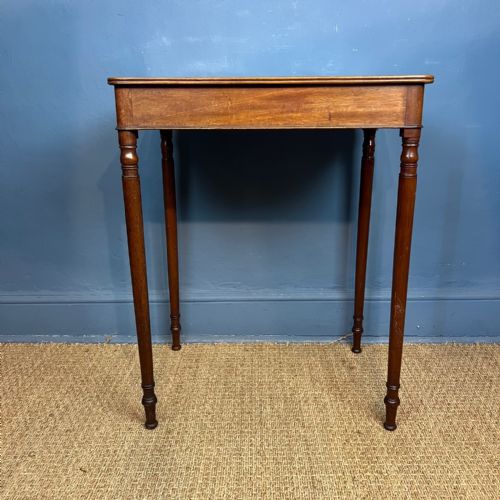
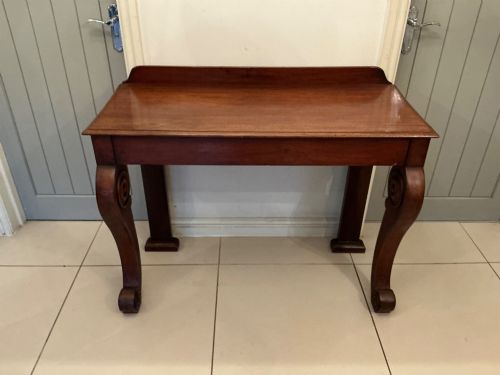
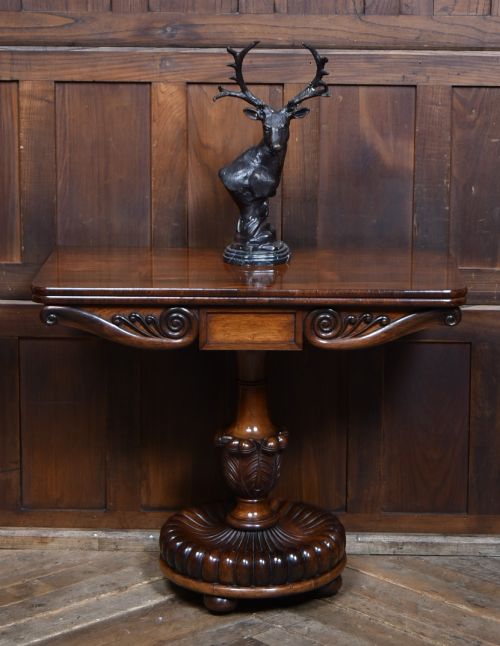
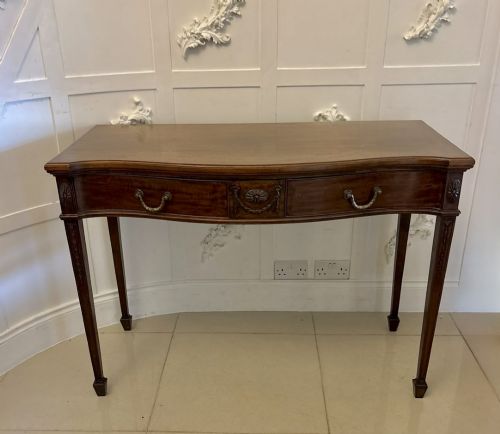
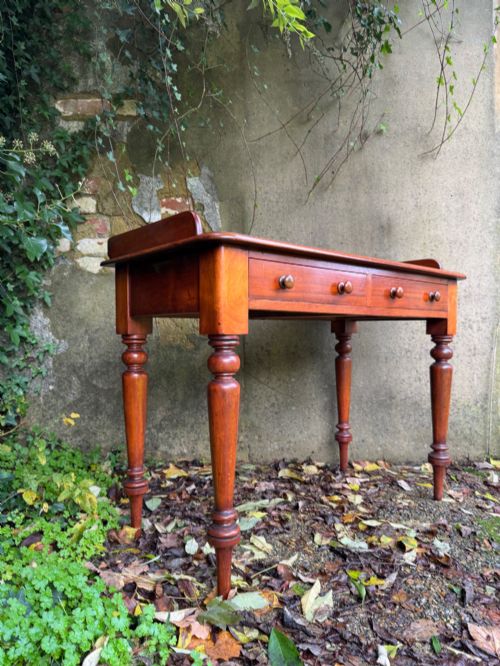
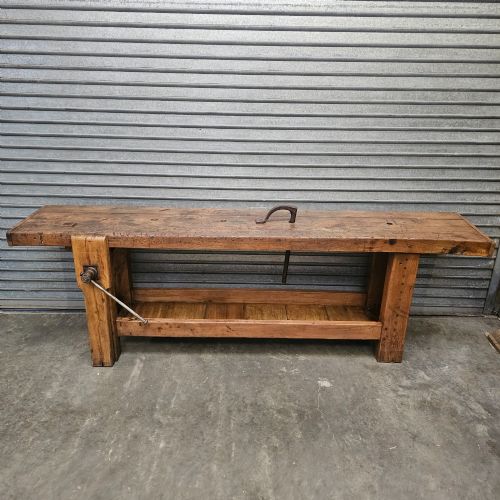
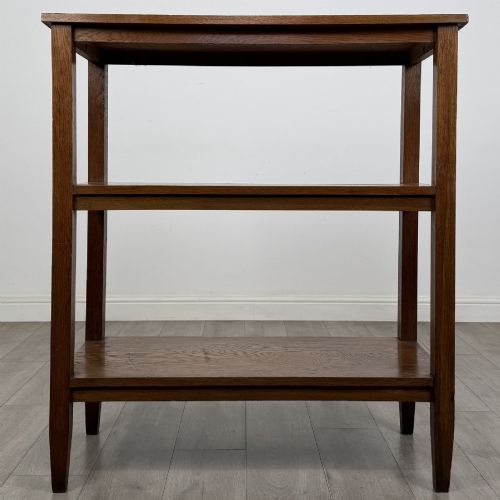
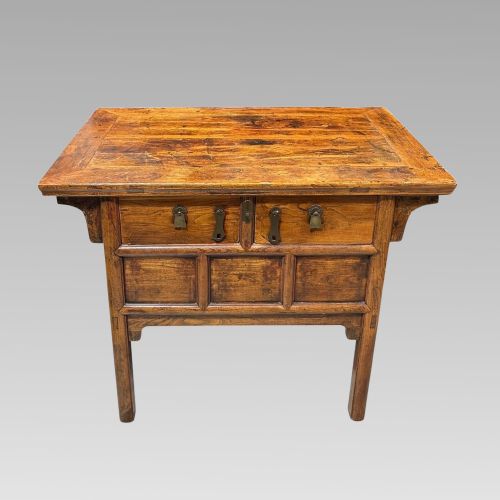
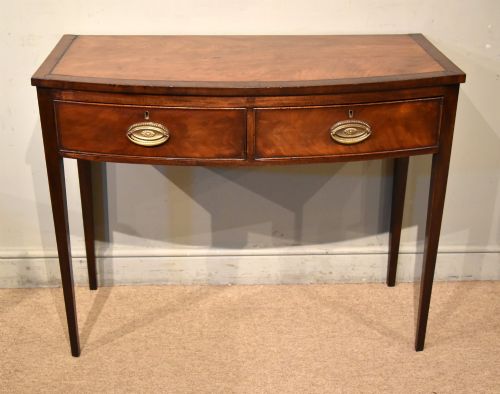
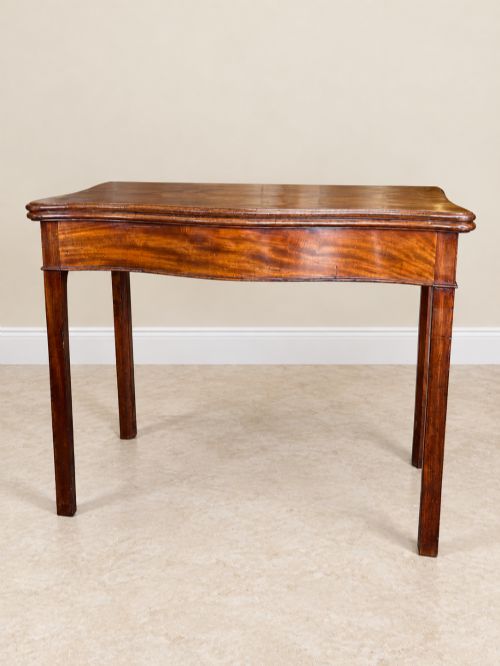
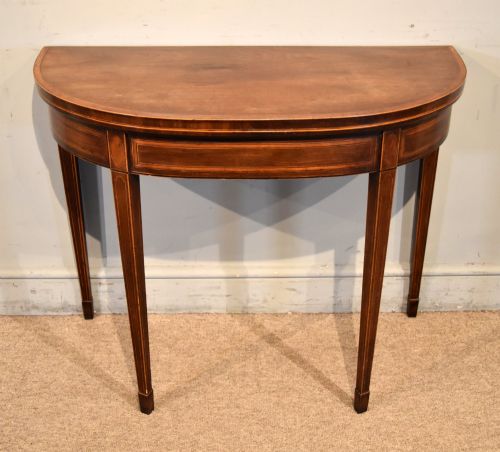
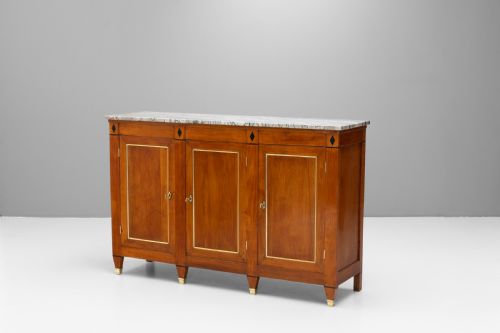
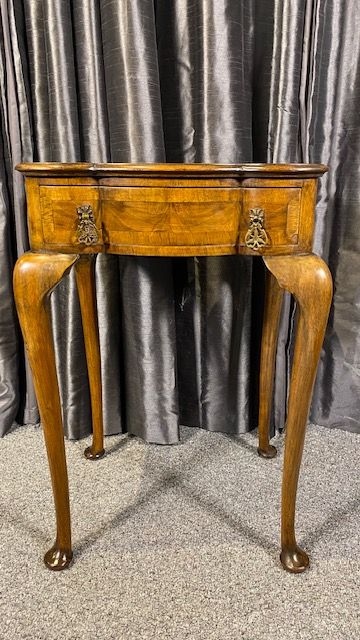
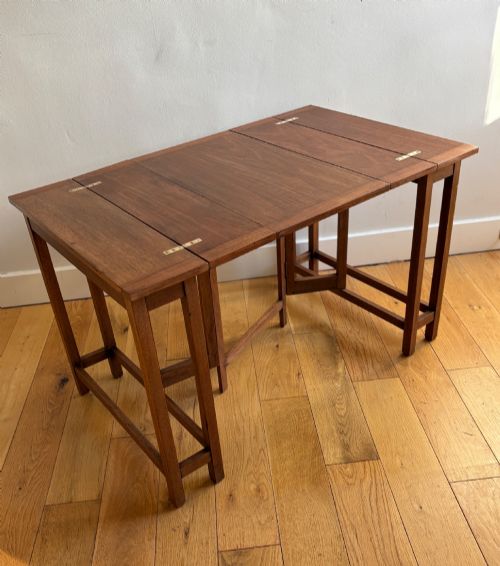
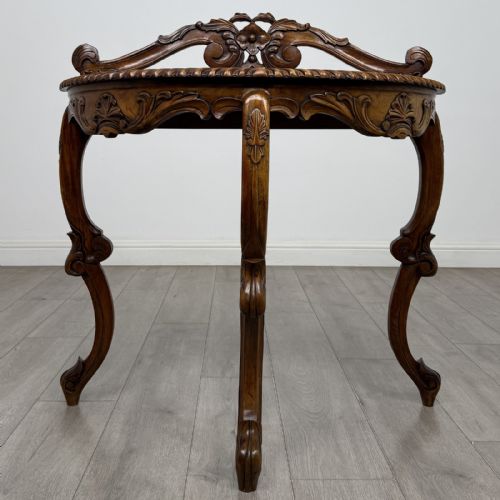
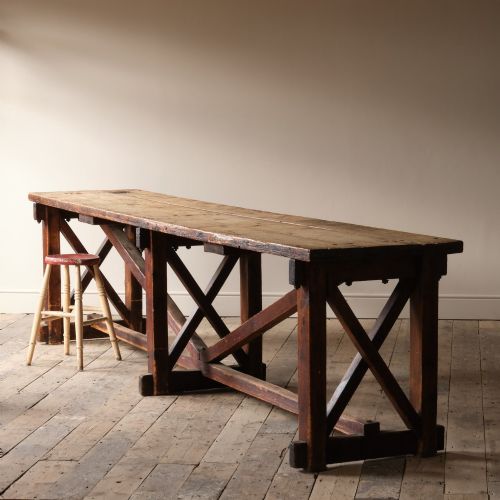
A brown wooden console serves as a functional and decorative table placed against a wall, frequently appearing as a hall table or serving table in the listings. These pieces emerge from periods spanning the Georgian era through to Edwardian times, offering varied timber surfaces.
Buyers will most often meet mahogany and oak examples from the nineteenth and eighteenth centuries. These tables range from simple side tables to more elaborate card and writing tables.
The form adapts readily to domestic spaces, functioning as a console or serving piece while displaying the distinct grain of walnut, pine, or fruit wood.
Materials and construction methods
Cabinetmakers utilised solid timbers such as mahogany, oak, and walnut, often enhanced with flame mahogany veneers or boxwood inlay. Structural integrity relied on traditional joinery suited to the period.
Secondary timbers like pine frequently appear in drawer linings and internal framing. Brass fittings and handles provided functional contrast to the dark wood surfaces.
Brown Wooden Console Retail Price Guide 2026
Typical asking prices for brown wooden console among the pieces listed under this phrase on Sellingantiques today, from the lower quarter to the upper quarter. They describe what is for sale here now, not the wider market.
Cabinetmakers occasionally tucked secret drawers behind dummy facades to surprise anyone searching for hidden storage.
Evaluating craftsmanship and condition
Superior examples display finely figured grain patterns, such as flame mahogany or burr walnut, matched across the top and drawer fronts. The crispness of carved details and the retention of original brass hardware elevate a piece.
Construction depth dictates longevity, where solid timber framing and neat dovetail joints distinguish finer workshops from simpler utility pieces. Patina accumulated through age reflects the history of the timber without obscuring the original finish.
Giles Grendey
The Brown Wooden Console Glossary
- Console table
- A table designed to be fixed against a wall, often supported by brackets or legs at the front.
- Flame mahogany
- A veneer cut from the fork of the mahogany tree, producing a distinctive flickering flame pattern.
- Lowboy
- A small eighteenth-century dressing table or side table featuring one or more rows of drawers.
- Dovetail
- A joint formed by interlocking wedge-shaped fingers, standard in drawer construction across these periods.
- Patina
- The surface sheen and softening of colour developed by wood over years of handling and exposure.
Brown Wooden Console: Frequently Asked Questions
Where should I place a console table?
A brown wooden console fits naturally in an entrance hall, reception room, or behind a sofa where surface space is needed without blocking movement.
Its shallow depth allows it to sit flush against a wall while displaying decorative objects or lighting.
How do I care for antique mahogany and oak?
Maintain the timber by dusting with a dry cloth and applying natural beeswax periodically to nourish the grain.
Avoid placing wooden furniture near direct heat sources or strong sunlight to prevent drying and fading.
How can I tell a Georgian table from a Victorian one?
Georgian pieces often display restrained classical proportions and timber choices like walnut or early mahogany, alongside hand-cut joinery details.
Victorian items may incorporate bolder proportions, denser mahogany, or alternative treatments like scumble paint and Gothic styling.
What is the difference between a side table and a console?
A side table stands independently on four legs and can float within a room, whereas a console traditionally requires support against a wall.
In modern usage, the terms frequently overlap to describe narrow rectangular tables placed against interior walls.