


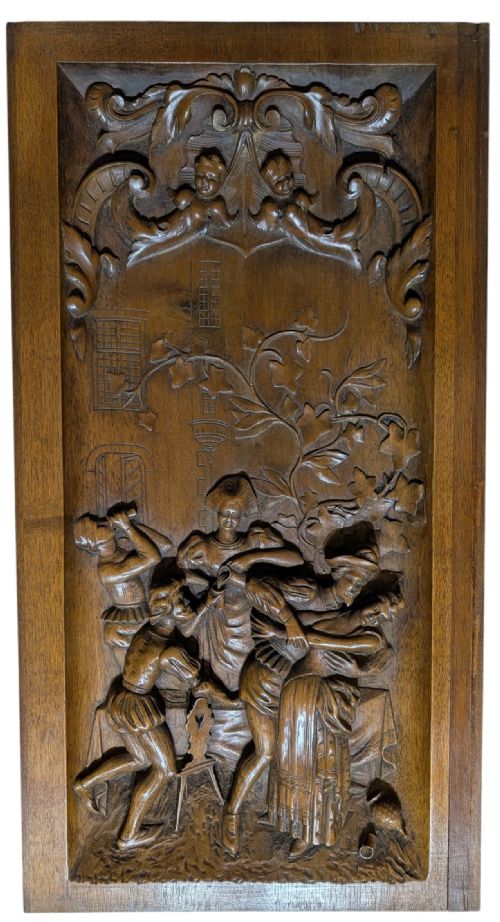


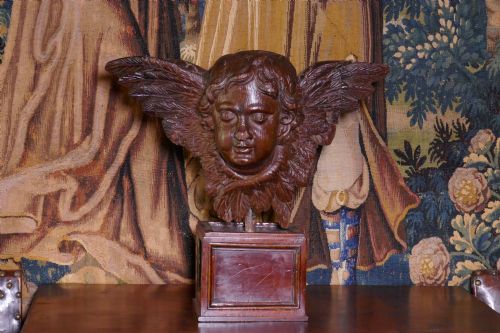


Brown Wooden Cherub
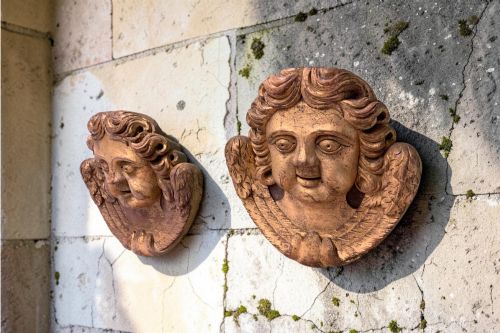
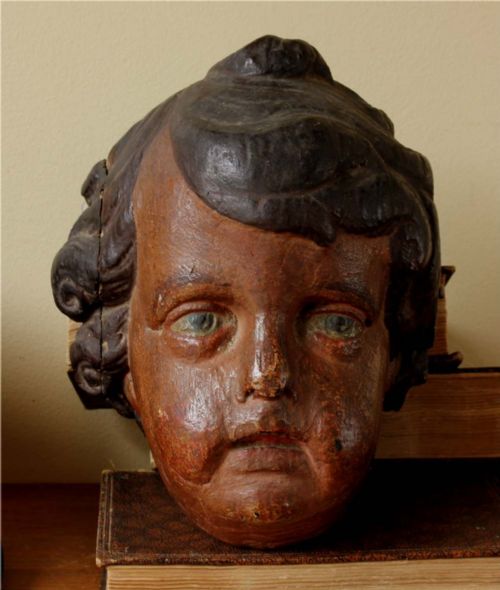
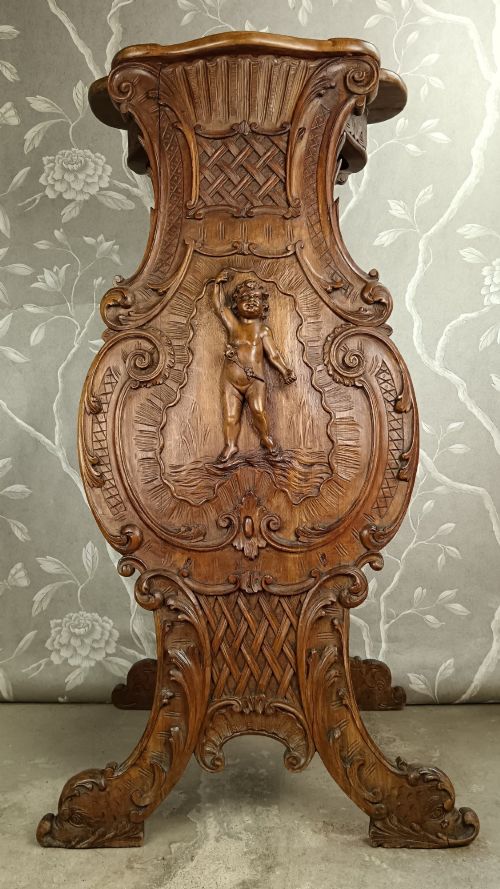
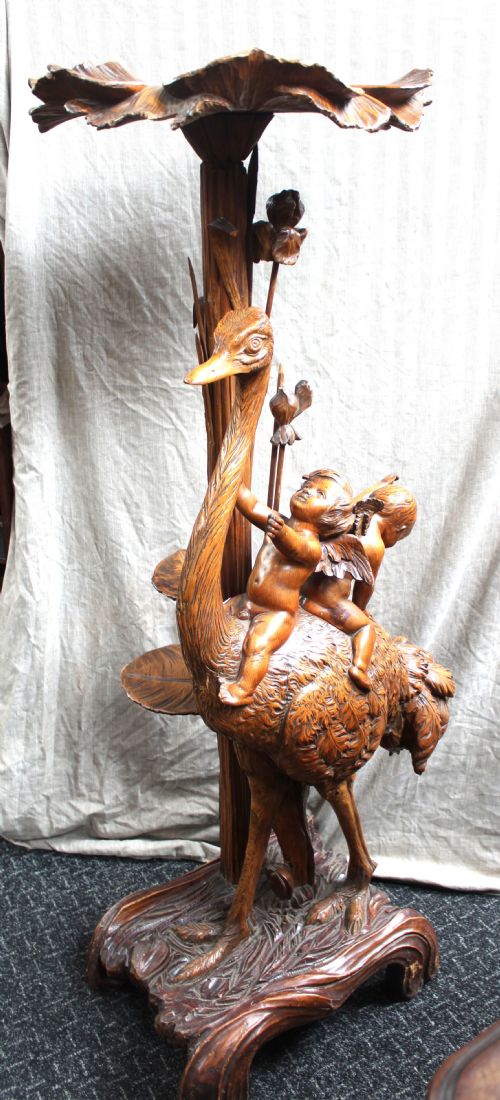
Brown wooden cherub carvings range from robust seventeenth century oak panels to ornate nineteenth century Italian putti statues.
Brown Wooden Cherub
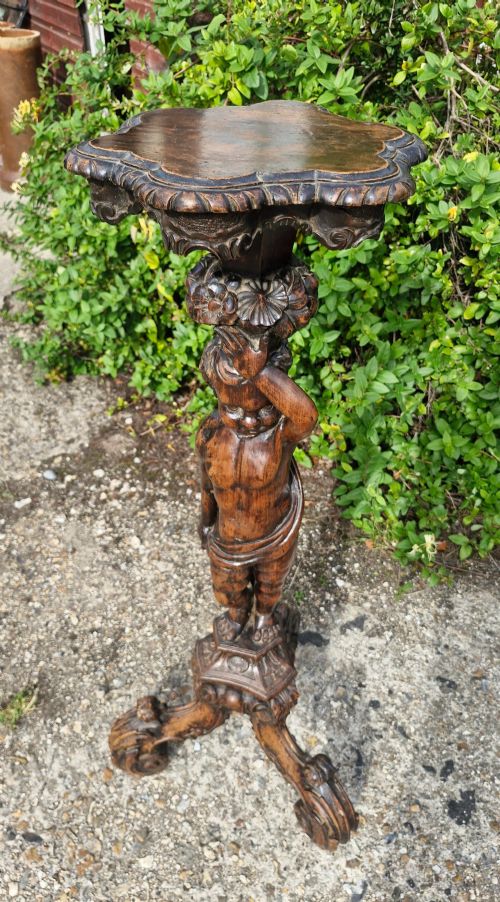
A brown wooden cherub brings figurative carving into domestic spaces through wall brackets, architectural fragments, and freestanding statues. When searching for brown wooden cherub, a buyer encounters domestic devotional figures and decorative furnishings dating across several centuries. The selections on this page demonstrate the enduring appeal of winged infant motifs carved from timber.
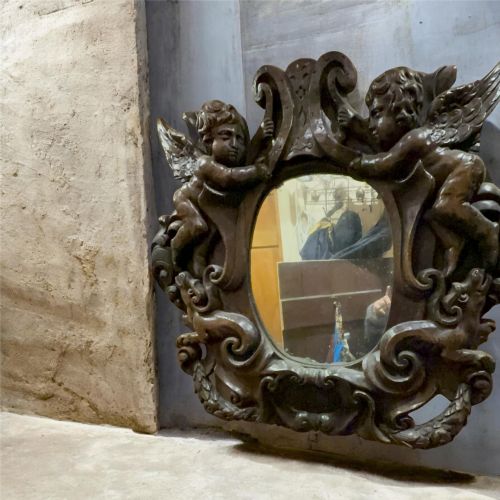
The most frequent examples span the seventeenth to the nineteenth centuries, drawing on Baroque, Renaissance Revival, and Carolean styles. These pieces manifest as mirror frames, corbels, wall carvings, and candle holders executed in European workshops. Each item reflects the prevailing sculptural conventions of its period and region.
Materials and carving techniques
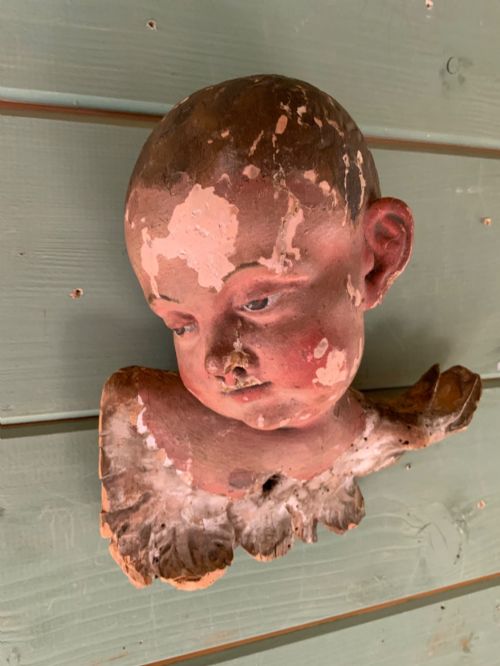
Carvers shaped these objects primarily from hardwoods such as oak, walnut, lime wood, fruitwood, and boxwood. Timbers were selected for their grain and density, allowing artisans to achieve deep undercut reliefs and delicate facial expressions. Gesso and polychrome pigments were occasionally applied to enhance surfaces.
Artisans utilised hand chisels and gouges to build three-dimensional forms from solid blocks or panels. Joinery techniques varied from pegged mortise and tenon frames to single-piece sculptures integrated with turned bases.
Brown Wooden Cherub Retail Price Guide 2026
Typical asking prices for brown wooden cherub among the pieces listed under this phrase on Sellingantiques today, from the lower quarter to the upper quarter. They describe what is for sale here now, not the wider market.
Listings feature items spanning the seventeenth, eighteenth, and nineteenth centuries, executed in oak, walnut, lime wood, and fruitwood.
Distinctions in craftsmanship
The choice of material and the crispness of the tool marks further differentiate the standard of execution. Finishes that retain a natural, aged patina without obscuring the original carving enhance the visual impact of the piece.
The Brown Wooden Cherub Glossary
- Putti
- Winged infant figures originating in classical art and frequently depicted in Renaissance and Baroque carving. They appear often as attendants in religious and decorative works.
- Baroque
- An artistic style prevalent from the seventeenth to the eighteenth century characterised by dynamic movement and dramatic ornamentation. It heavily influences the scrollwork and cherubs seen in these listings.
- Carolean
- A British stylistic period spanning the mid to late seventeenth century under the reign of King Charles II. This aesthetic favours rich oak carvings and scrolling acanthus foliage.
- Polychrome
- Painted in several colours. This surface treatment appears on historical wood sculptures to provide lifelike decoration.
- Gesso
- A plaster mixture applied to wood surfaces as a base for painting or gilding. It provides a smooth ground for refined ornamentation.
Brown Wooden Cherub: Frequently Asked Questions
How were wooden cherubs used?
Historical cherub carvings served both ecclesiastical and domestic functions within European interiors. They adorned church altars, architectural paneling, and household furniture as symbols of protection and divine presence.
Over time, many of these figures transitioned into decorative wall brackets, mirror frames, and freestanding display pieces for wealthy homes. Their presence added classical gravitas and sculptural richness to domestic spaces.
How do I date a wooden carving?
Dating relies on examining the tool marks, timber species, and stylistic conventions specific to particular eras. Seventeenth century pieces often utilise heavy oak with deep, hand-chiselled relief work.
Later nineteenth century revivals frequently employ Italian walnut or lime wood with softer contours and machine-assisted preparation. Comparing the wear patterns and construction methods helps establish the likely period of origin.
Where should I place a cherub carving?
These pieces suit display on neutral walls, mantels, or dedicated pedestals where their three-dimensional form can be appreciated. Wall brackets and mirrors function well in hallways and reception rooms as focal points.
Freestanding figures and panels require stable environments away from direct heat sources to protect the historic timber. Proper placement highlights the depth of the carving and preserves the integrity of the wood.
What timber types should I expect?
European oak appears frequently in seventeenth and eighteenth century panels and architectural fragments. This dense wood provides structural stability and deep relief capabilities.
Italian and German pieces often utilise walnut, lime wood, or fruitwood, which allow for softer facial detailing and intricate carving. Boxwood is occasionally found in smaller decorative items and personal objects.