
French Baroque Carving
French baroque carving represents ornate, theatrical woodwork and gilt furniture originating from seventeenth and eighteenth century ateliers.
French Baroque Carving
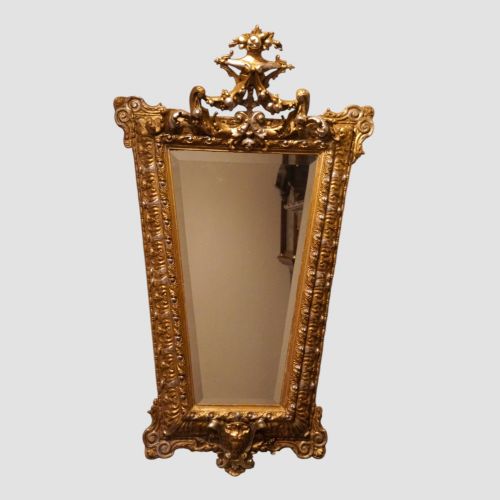
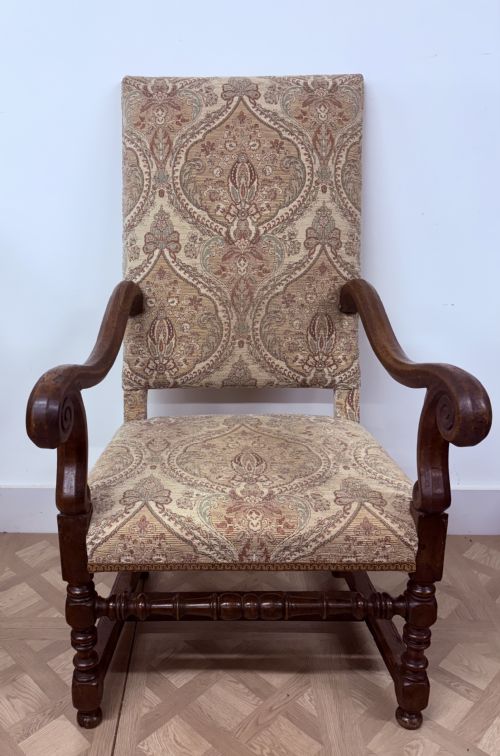
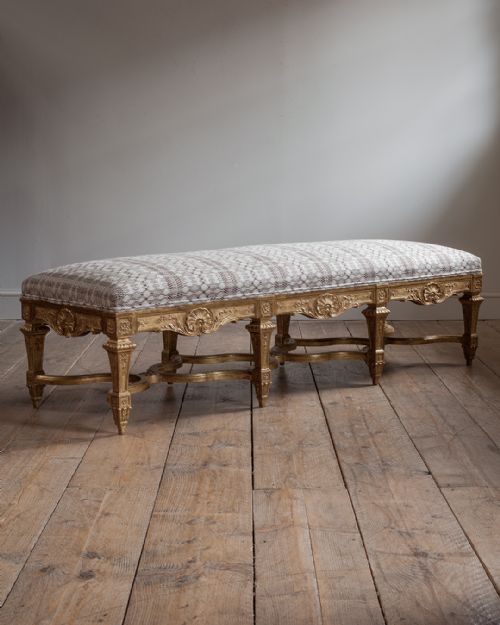
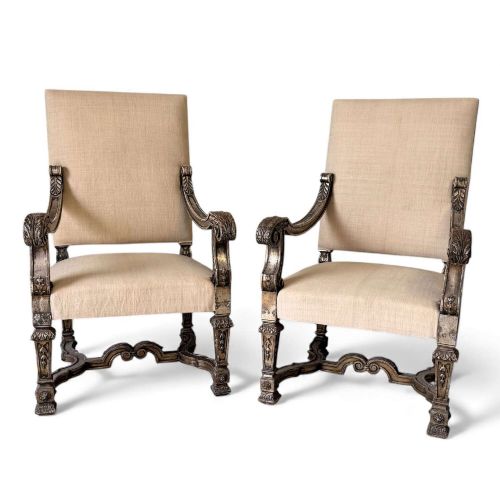
French baroque carving encompasses heavy, dramatic wooden forms and gilded decorative objects created in sixteenth and seventeenth century aesthetics. When exploring french baroque carving, buyers encounter wall mirrors, console tables, armchairs, and architectural panels dating from the seventeenth, eighteenth, and nineteenth centuries.
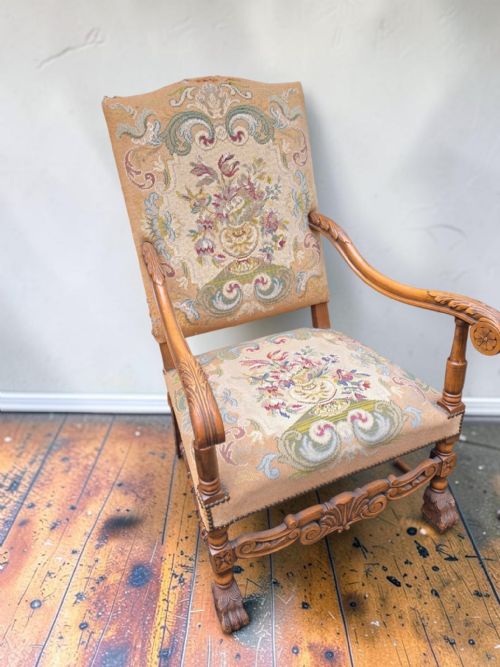
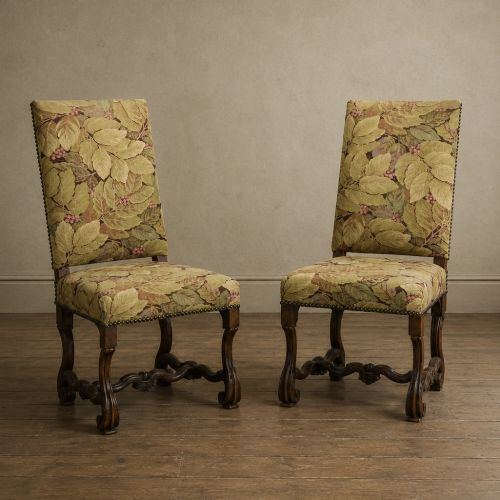
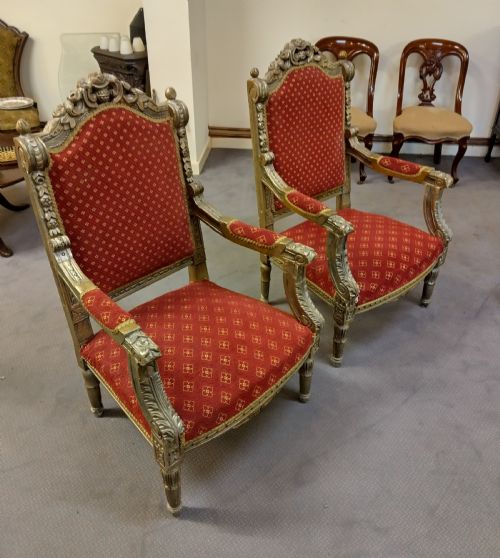
The objects span original period works alongside later revival pieces produced during the nineteenth and early twentieth centuries. Armchairs upholstered in tapestry or needlepoint and giltwood mirrors dominate the selection available on this page.
How they were made
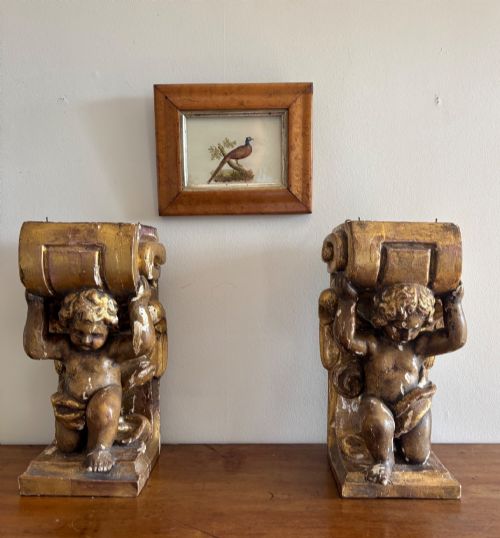
Craftsmen shaped solid walnut, yew tree, and timber bases using hand chisels to achieve deep relief and intricate figural details. Artisans applied layers of gesso to wooden substrates before laying gold leaf and silver-gilt finishes over the carved surfaces.
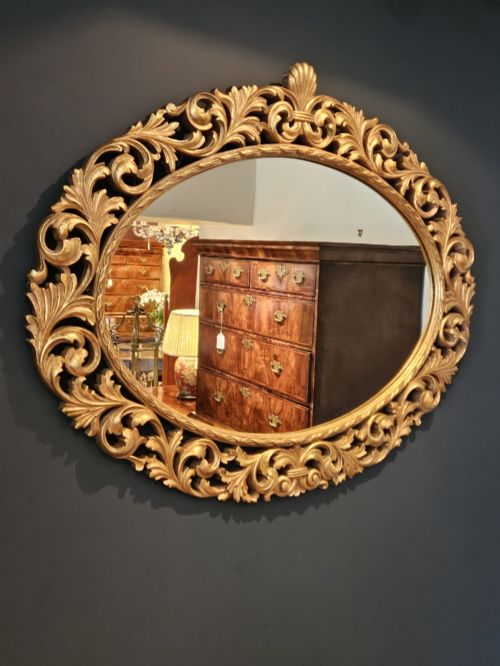
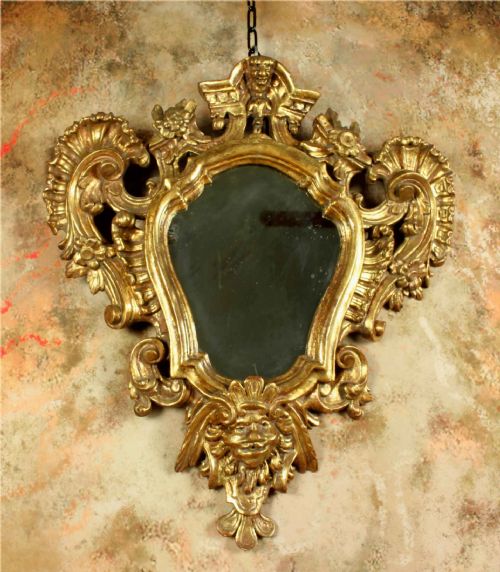
Mirrors incorporated original mercury plates set within carved giltwood frames, whilst seating frames received textile upholstery secured with traditional methods.
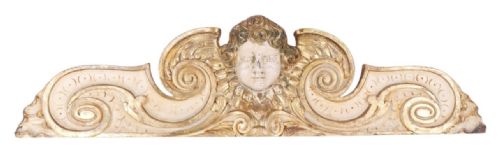
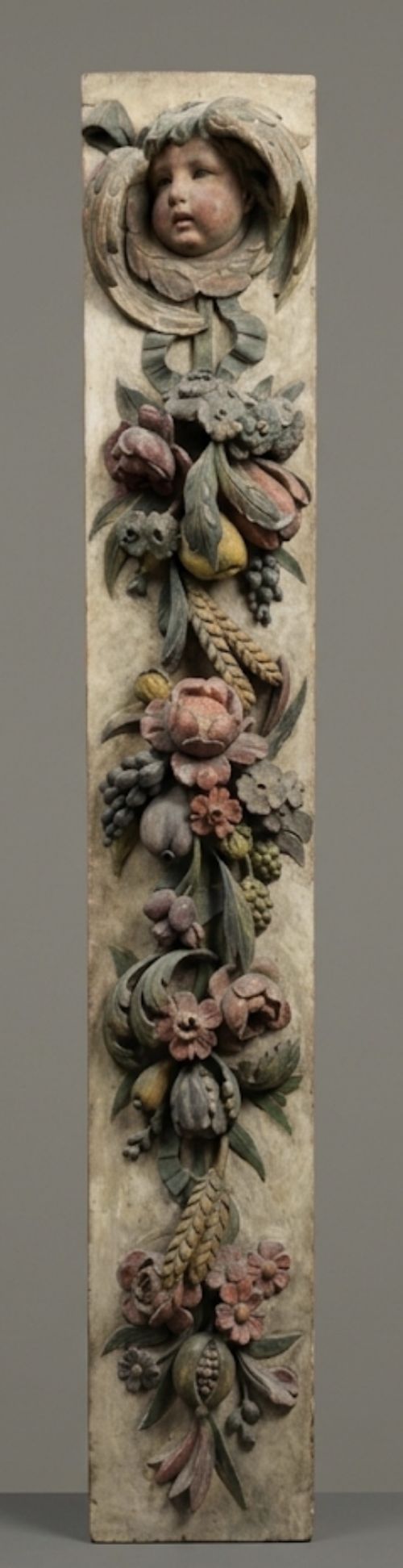
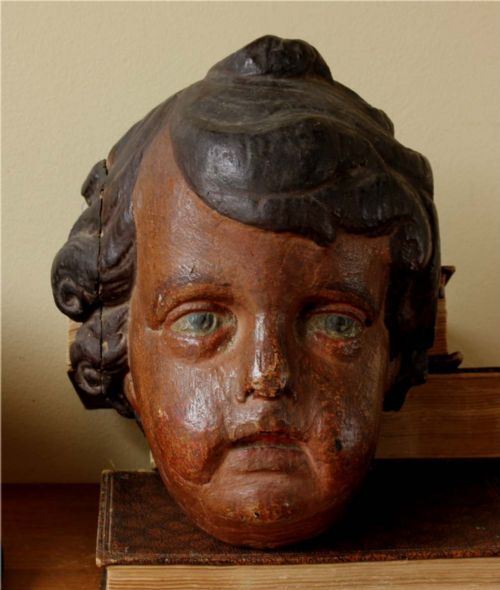
Chubby cherubs peer out from over door panels and mirrors, watching over centuries of quiet rooms.
What varies in quality
The depth and sharpness of the hand chiselling dictate the artistic merit of each carved element, distinguishing master execution from mechanical production. Crisp detailing on foliate scrolls, cherubs, and architectural masks reveals superior skill.
The integrity of the original gilt surface and the preservation of the underlying timber ground determine the historical value and visual impact of the piece.
Louis De Silvestre
The French Baroque Carving Glossary
- Giltwood
- Wood that has been coated with gold leaf or gold powder. This surface treatment was widely applied to mirrors and console tables.
- Gesso
- A plaster mixture applied to wood surfaces to provide a smooth base for gilding. It allows intricate relief work to be carved sharply.
- Mercury Plate
- An early mirror glass produced by pouring a tin and mercury amalgam onto glass sheets. This technique predates modern silvering methods.
- Console Table
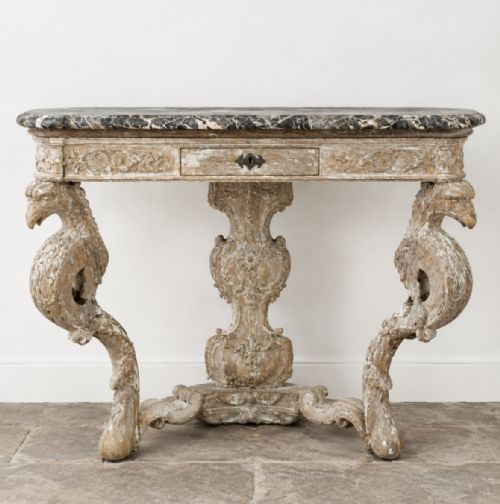
- A table supported by wall brackets or legs, designed to sit against a wall. Eighteenth-century examples frequently feature carved giltwood frames.
- Pricket
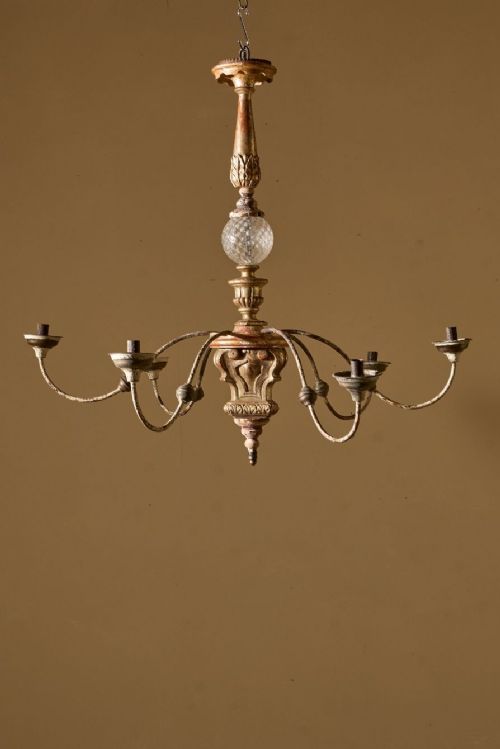
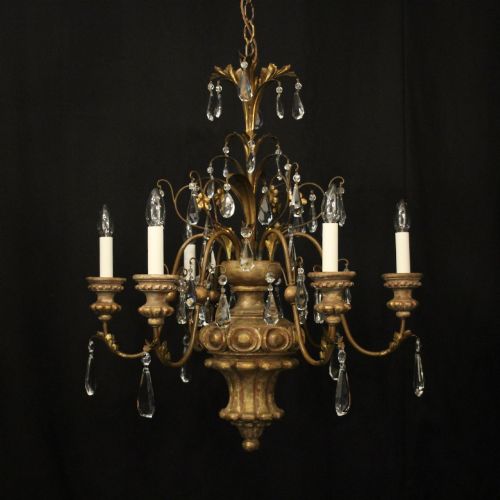
- A sharp metal spike on a candlestick or chandelier designed to hold a candle in place. These metal elements accompany carved timber fixtures.
French Baroque Carving: Frequently Asked Questions
How do I date a carved wooden mirror?
Examine the construction of the wooden frame and the composition of the mirror plate behind the glass. Early examples often utilise mercury glass plates and hand-cut timber joints.
Check for the type of gesso and gold leaf application underneath the surface dirt. Later revival pieces from the nineteenth century typically display different backing boards and modern fixings.
Where should I place a giltwood console table?
Position these tables against a principal wall in a hallway or living room to showcase the carved apron and legs. Pair them with a matching wall mirror above to recreate period interior schemes.
Keep the timber away from direct heat sources and strong sunlight to protect the fragile gold leaf and gesso finishes.
What is the difference between baroque and revival pieces?
Baroque pieces were manufactured during the seventeenth and early eighteenth centuries under the direct influence of the period's royal courts. They carry authentic age-related wear to the timber and gilding.
Revival pieces were produced later, particularly during the nineteenth century, emulating the earlier theatrical forms using traditional hand-carving techniques and period styles.