

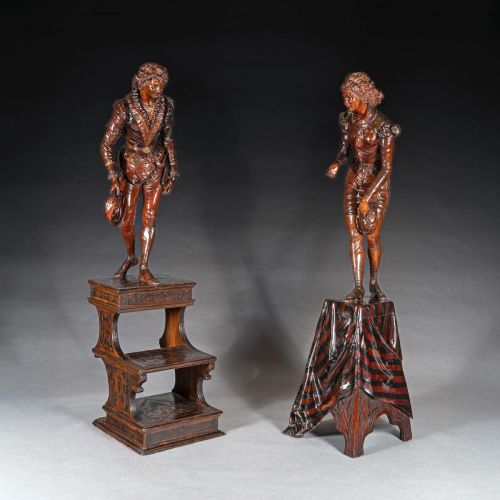
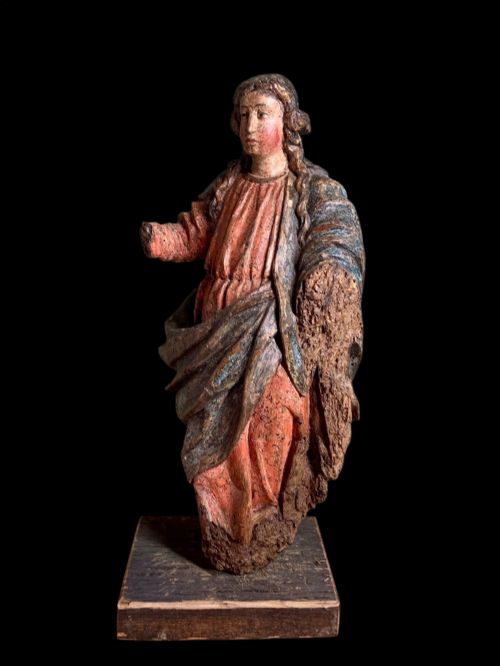
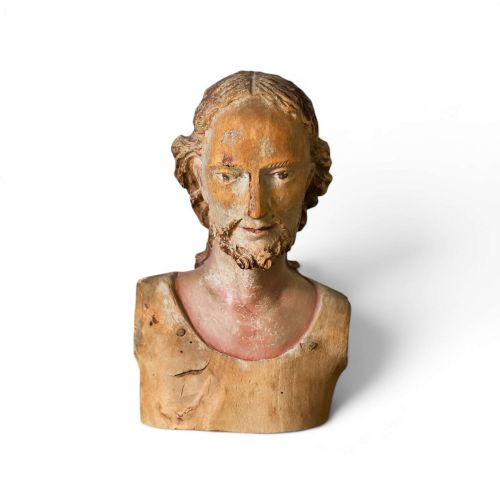
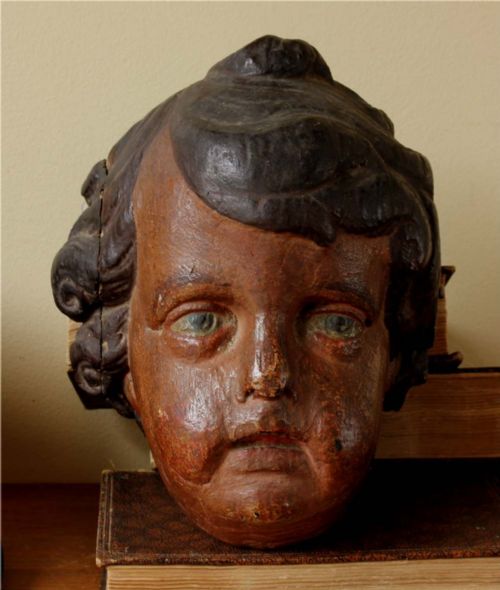


Brown Polychrome Carving
Brown polychrome carving unites centuries of figurative sculpture and decorative panel work finished with layered pigment and paint.
Brown Polychrome Carving
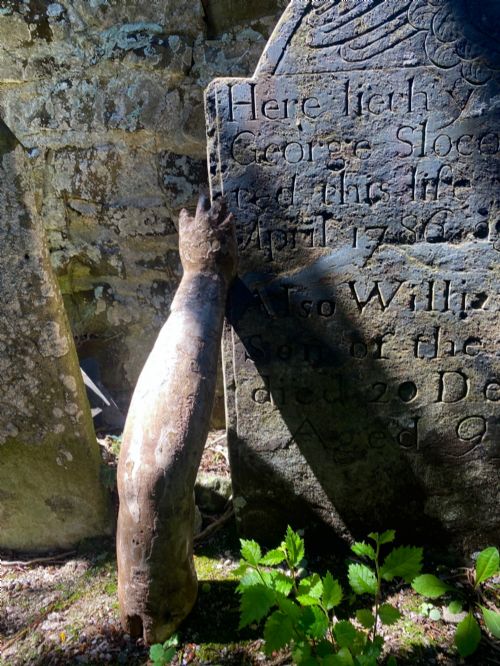
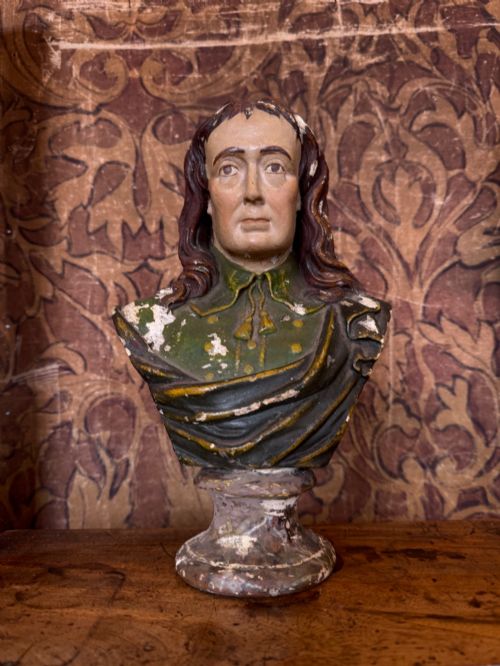
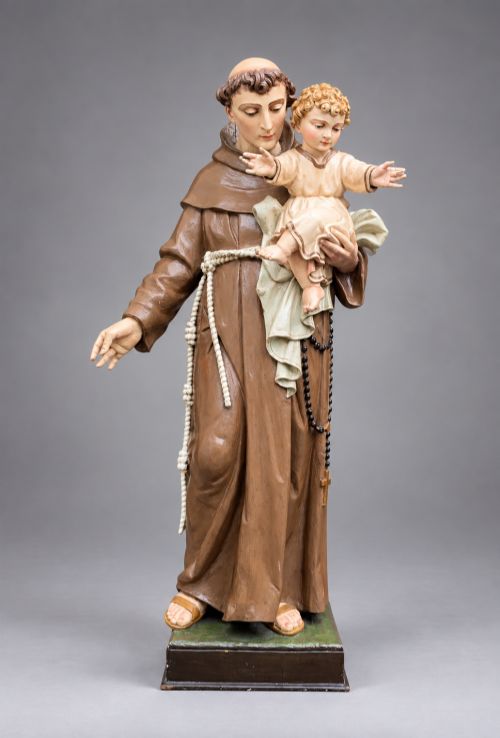
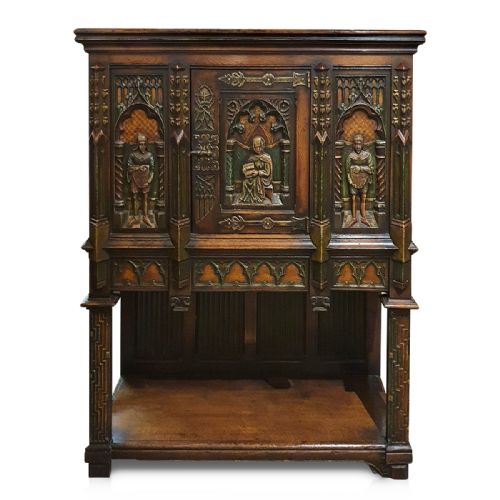
Brown polychrome carving spans religious figures, structural panels, and decorative objects drawn from diverse global traditions. Pieces range from medieval church figures and saint sculptures to Asian screens, African marriage panels, and folk art forms.
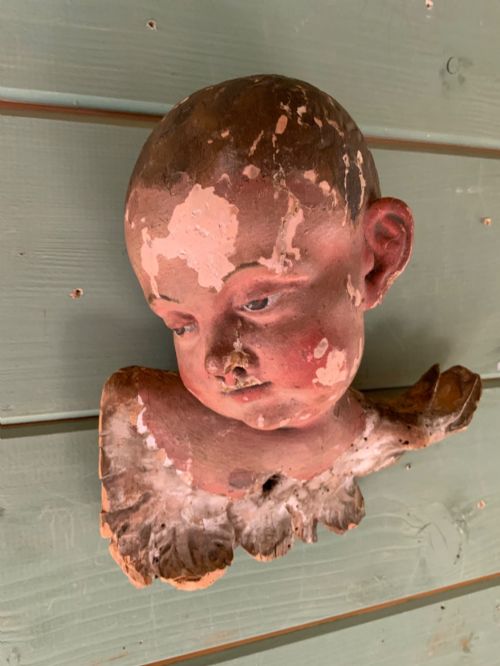
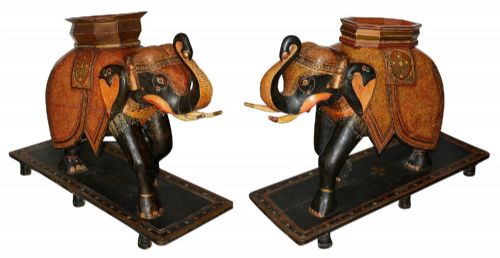
Religious figures and saints dominate the selection, alongside decorative works such as lacquer elephants and wall plaques. These items display the rich interplay of carved timber surfaces and surviving historical pigment.
Examples stretch across centuries, including pre-sixteenth century medieval pieces, seventeenth and eighteenth-century baroque works, and nineteenth-century interpretations. Each item relies on the combination of worked wood and applied surface colour.
Materials and Technique
Makers shaped structural forms from varied timbers including pine, olive wood, and sandstone, applying gesso as a ground layer before adding pigment and paint. This preparation created a stable base for detailed polychrome schemes.
Brown Polychrome Carving Retail Price Guide 2026
Typical asking prices for brown polychrome carving among the pieces listed under this phrase on Sellingantiques today, from the lower quarter to the upper quarter. They describe what is for sale here now, not the wider market.
A stoic nineteenth-century shop display rooster stands ready to greet visitors alongside centuries of solemn saints.
Evaluating Quality
Quality rests in the precision of the underlying chisel work and the integrity of the surviving surface finish. Stronger examples retain crisp anatomical detail in the carving alongside undisturbed historic layers of pigment.
The sophistication of the form separates standard production from exceptional work, whether in the expressive modelling of a saint's face or the complex execution of an eight-fold screen.
Bohumil Kafka
The Brown Polychrome Carving Glossary
- Polychrome
- Decorated in multiple colours, often applied to wood or stone sculpture. This surface treatment brings depth and realism to carved figures.
- Gesso
- A plaster mixture used as a smooth base for painting on wood. Artisans applied this preparation before adding pigment.
- Coromandel
- A type of Chinese incised lacquerware where designs are cut into a dark ground and filled with colour. These panels form folding screens and decorative elements.
- Caquetoire
- A light, high-backed armchair designed for conversation in sixteenth and seventeenth-century France. The narrow seat accommodated the voluminous fashions of the period.
- Putti
- Depictions of chubby male infants, frequently found in Renaissance and Baroque art. These figures often appear as winged cherubs in religious sculpture.
Brown Polychrome Carving: Frequently Asked Questions
What is brown polychrome carving?
It refers to sculptural and decorative wooden items finished with layered paint, pigment, or lacquer.
These pieces encompass religious figures, architectural panels, and decorative objects from various historic periods.
How do I care for these carvings?
Keep pieces away from direct sunlight and fluctuating humidity to protect the underlying wood and fragile pigment layers.
Dust gently with a dry, soft cloth rather than using liquid cleaning products.
How are different periods identified?
Dating relies on stylistic markers in the carving technique, the choice of timber, and the composition of the gesso and paint layers.
Changes in clothing style and religious iconography also help place a piece within a specific century.
Where were these pieces originally used?
Many religious sculptures stood within churches, altarpieces, or domestic shrines across Europe.
Other items, such as screens and plaques, served decorative or functional roles in secular interiors worldwide.