
Brown Wooden Benches
Brown wooden benches bring sturdy timber seating into hallways and rooms, offering practical longevity through centuries of domestic use.
Brown Wooden Benches
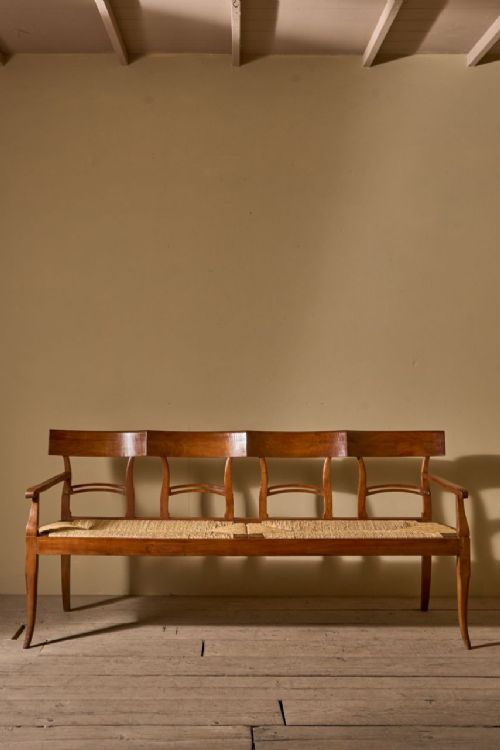
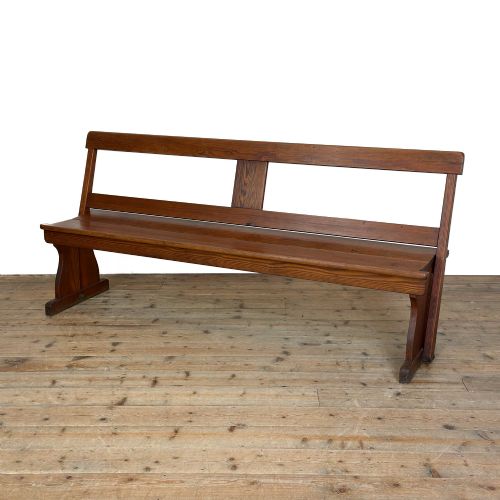
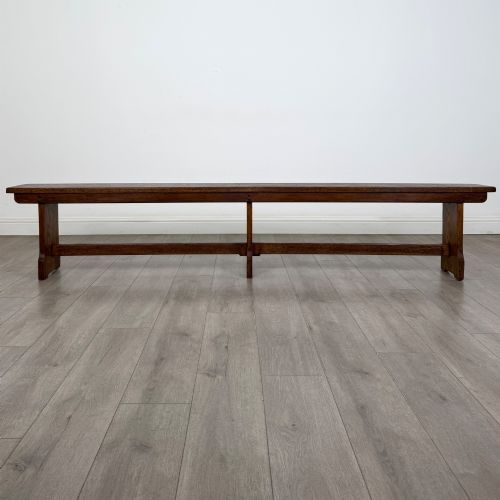
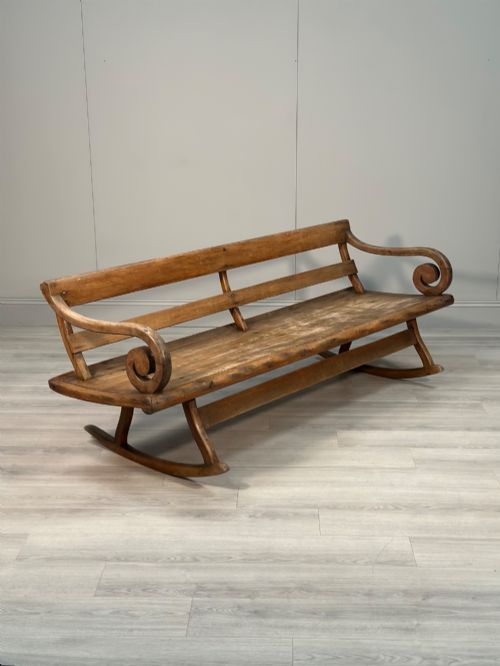
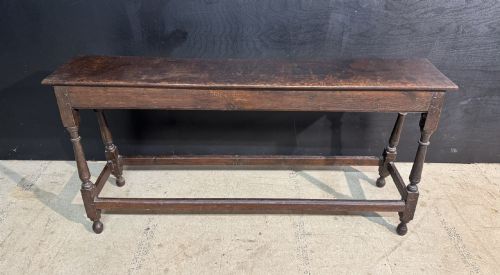
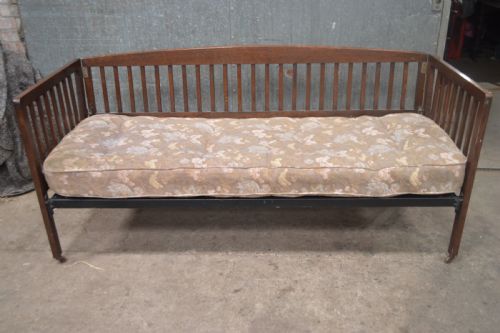
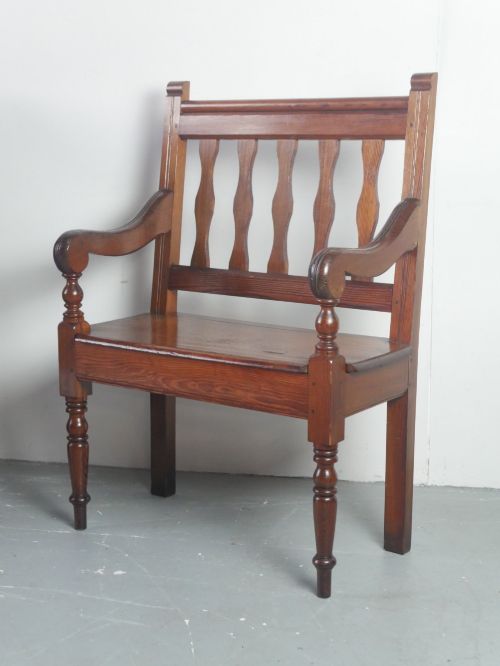
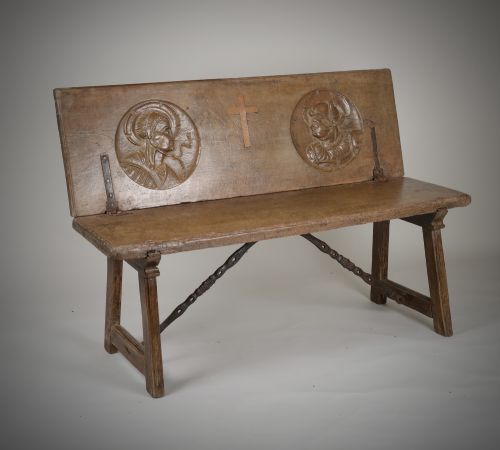
When you examine brown wooden benches, you find utilitarian furniture spanning domestic, ecclesiastical and civic origins. The selection ranges from 18th century oak settles and high back chapel pews to Edwardian luggage racks and rustic country forms.
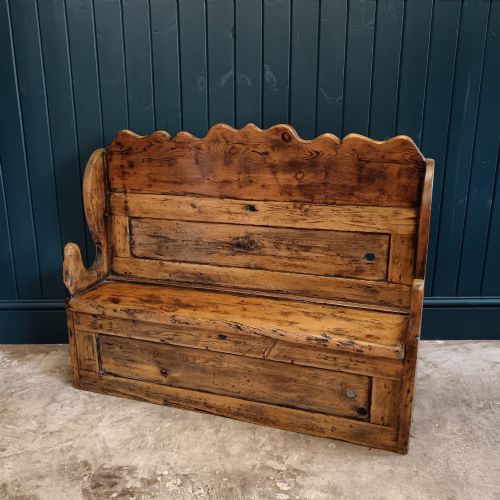
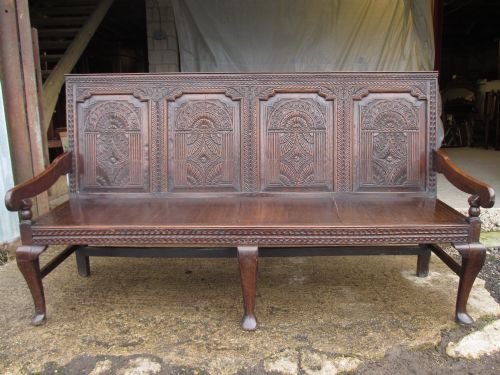
The version you are most likely to meet on this page is the oak hall bench or settle from the 19th century. These pieces often feature timber panels, box storage beneath the seat or simple turned supports shaped by regional vernacular traditions.
How they were made
Cabinet makers and country joiners utilised native hardwoods such as oak, elm, ash, and pine, selecting timber for strength and grain pattern. Construction relied on traditional joinery methods including mortise and tenon joints, pegged frames and panelled backs.
Finishes developed naturally through decades of polishing and handling, yielding honey brown patinas on pine and deep dark tones on polished oak. Iron and brass fixings or brackets occasionally reinforced structural stress points on heavy seating and luggage stands.
Some sturdy oak benches started life serving weary travellers in West End hotels before retiring to quiet domestic hallways.
What varies in quality
The standard of a piece depends heavily on the integrity of its timber and the retention of original structural components. Heavy oak and elm settles that retain their original box bases and unreplaced floor feet stand well apart from examples with extensive timber replacement.
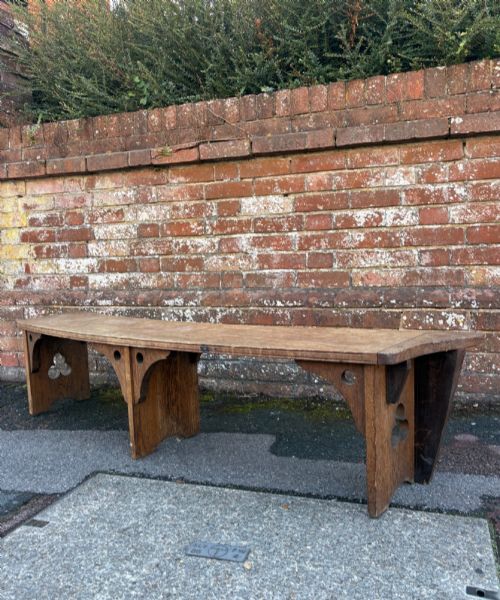
Carved detail and joinery refinement also dictate the tier of a piece. Crisp execution of trefoil supports, panelled linenfold or tulip decoration reveals the hand of a skilled maker, whereas crude alterations or mismatched replacement boards diminish the integrity of the design.
Gillows·Norris London
The Brown Wooden Benches Glossary
- Settle
- A wooden bench featuring a high solid back, armrests and frequently a box base with a lift up lid for storage. This form kept draughts away from occupants in older domestic halls.
- Joint stool
- A sturdy wooden stool constructed with mortise and tenon joinery using pegged joints rather than turned legs glued together. These items served as seating or small raised platforms.
- Luggage stand
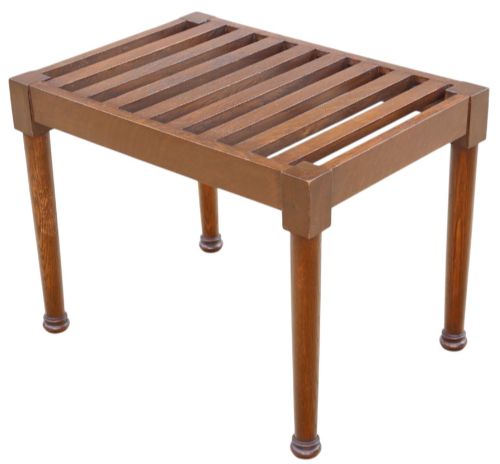
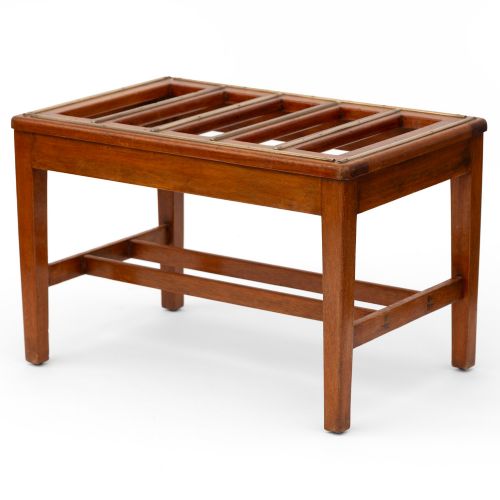
- A low slung folding or fixed rack typically fashioned from oak, mahogany or walnut with webbing straps across the top. Hotels and large houses utilised these for holding travel trunks.
- Box settle
- A variant of the settle incorporating a compartment beneath the seat boards accessed by lifting the lid. It provided secure storage for household blankets and heavy garments.
- Vernacular
- Furniture built by regional tradesmen following local traditions and available timbers rather than following high style metropolitan pattern books. These pieces reflect practical local utility.
Brown Wooden Benches: Frequently Asked Questions
Where did brown wooden benches sit originally?
These pieces populated domestic hallways, farmhouse kitchens, rural churches and institutional settings where heavy foot traffic demanded durable seating. Long settles often stood near hearths to block cold draughts.
Smaller luggage stands occupied bedroom suites in town houses and grand hotels to keep heavy travelling trunks elevated and accessible.
How do I distinguish an 18th century settle?
Early examples typically display deep honey brown patination on solid oak boards joined with hand cut wooden pegs. Their back panels show heavy grain movement and hand tool marks rather than uniform machine sawn precision.
Construction methods rely on pegged frame and panel assembly, often featuring simple arm profiles and integrated box storage bases beneath the seat.
Can I use an antique luggage rack daily?
Solid mahogany and oak racks built with folding or fixed frames handle modern luggage weight securely when joints remain tight. Their timber construction provides robust support for bags in contemporary boot rooms or guest bedrooms.
Checking that the webbing straps and wooden cross members stay firm ensures safe daily utility without risking structural movement.
What is the difference between a pew and a settle?
Pews generally formed part of institutional or ecclesiastical seating rows, featuring long plank seats and open backs or simple ends designed for fixed placement. Settles were movable domestic items with enclosed storage bases and solid panelled backs.
Church pews often emerged in pitch pine or oak, whilst domestic settles utilised native country timbers like elm and ash.