
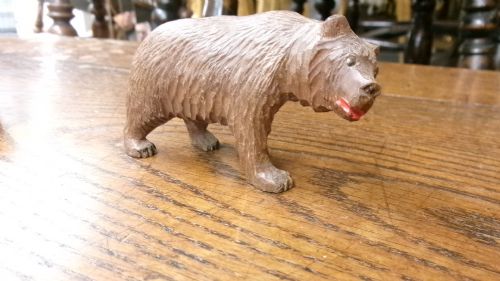


Brown Wooden Animal Figurine
These brown wooden animal figurine pieces bring character to a room, ranging from alpine bears to colonial elephants.
Brown Wooden Animal Figurine
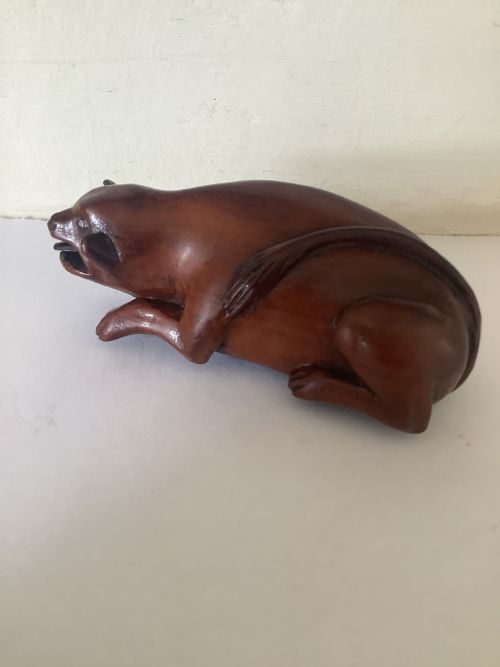
When you search for a brown wooden animal figurine, you encounter carved sculptures, bookends, snuff boxes, and okimono spanning the nineteenth and early twentieth centuries. The selection encompasses regional folk art traditions from Europe, Asia, and British colonial workshops.
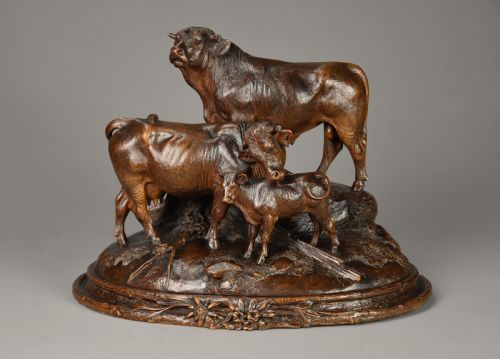
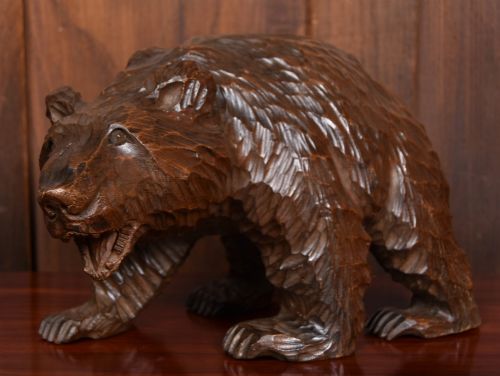
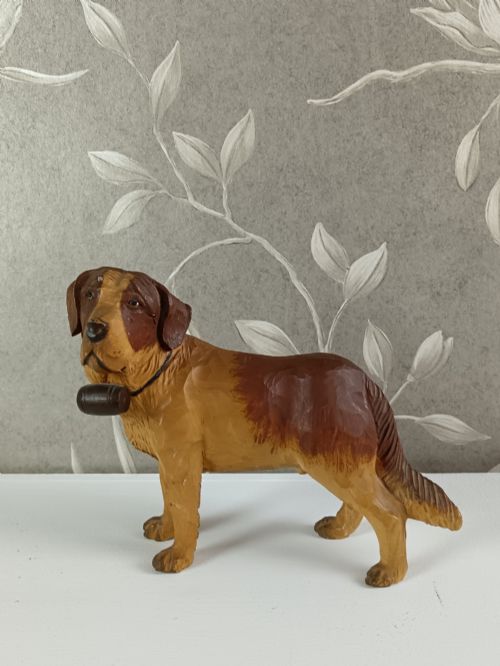
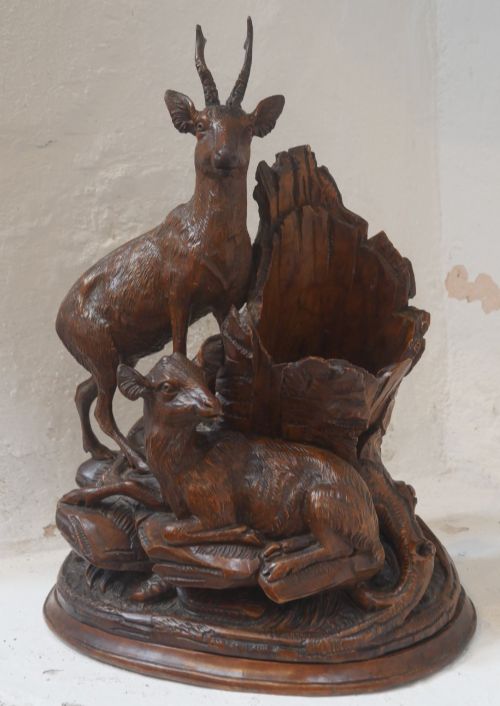
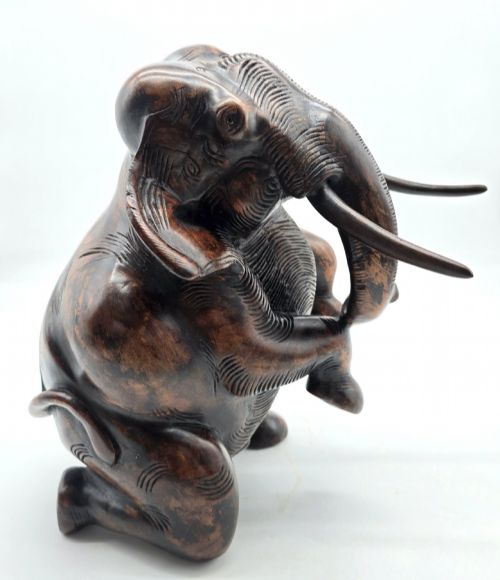
European examples lean heavily towards Alpine and Black Forest productions featuring bears, cattle, goats, deer, and dogs. Asian pieces include Japanese carved bears, tigers, rodents, and rabbits alongside Indian Raj period elephants and iguanas.
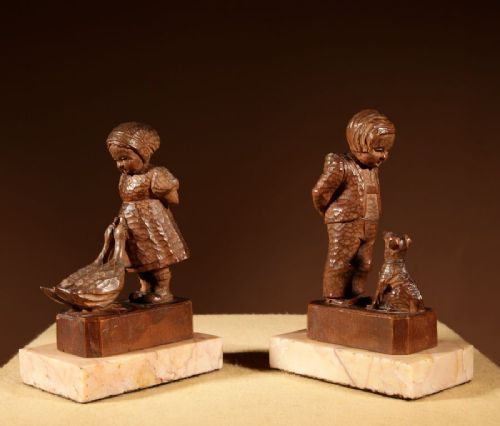
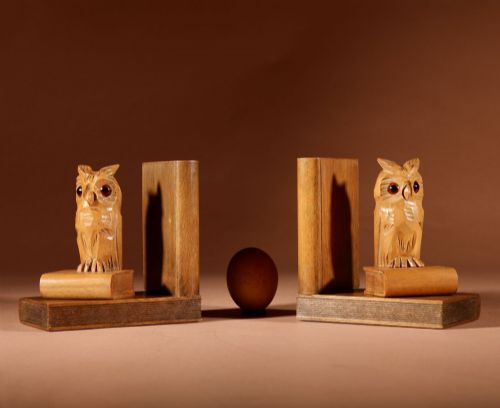
The most common items you meet on this page are carved wooden bears and elephants produced across the Victorian, Edwardian, and Art Deco eras. These objects functioned as decorative sculptures, study pieces, and functional items such as bookends.
Materials and carving techniques
Carvers utilised various timbers including linden wood, limewood, walnut, teak, and general hardwoods to shape these animal forms. European makers favoured softer linden and walnut for detailed fur and muscular definition, while Indian and Japanese workshops employed dense hardwoods and regional timbers.
Techniques rely entirely on hand carving, utilising gouges and chisels to create textures representing fur, hide, feathers, and anatomical structure. Some works incorporate applied elements such as stud eyes or secondary materials like brass alongside the primary wood carving.
Fifteen miniature bears march together from the nineteenth century, proving that small wildlife requires minimal pasture.
Markers of quality in carved wooden animals
Quality rests in the anatomical accuracy, depth of undercutting, and expressiveness achieved by the carver. Superior pieces display lively posture and convincing textures, whereas lesser examples appear stiff and lack detailed finishing around the limbs and head.
The sophistication of the design dictates distinction, from naively carved folk art pieces to finely detailed studio works by named makers. Proportions, restraint in ornamentation, and the preservation of original surfaces separate standard decorative items from exceptional carvings.
J Huggler·Laszlo Hoenig
The Brown Wooden Animal Figurine Glossary
- Black Forest
- A style of wood carving originating in central Europe during the nineteenth century, famous for realistic depictions of bears, dogs, and alpine cattle. These pieces often utilise linden wood and display rich brown tones.
- Okimono
- A Japanese decorative carving intended for display, often depicting animals, rodents, or figures with great attention to naturalistic detail. They emerged as popular export items during the Meiji period.
- Raj Period
- An era of British administration in India that produced distinctive carved teak and hardwood figures, particularly elephants and local wildlife. These objects frequently date from the late nineteenth and early twentieth centuries.
- Linden Wood
- A pale timber commonly utilised by European carvers for its fine grain and ease of shaping intricate details. It accepts dark staining well, yielding the deep brown finish seen on many animal sculptures.
Brown Wooden Animal Figurine: Frequently Asked Questions
What animals appear most often?
Bears and elephants dominate the selection, appearing across multiple periods and regional styles like Black Forest and Raj period work.
Other represented creatures include cattle, goats, dogs, fawns, tigers, rabbits, rodents, and an iguana.
How do I date these carvings?
Dating relies on stylistic clues, timber types, and associated labels or stamps recorded on the base. Nineteenth-century pieces often show deeper patination and traditional hand tools marks.
Twentieth-century examples occasionally reflect Art Deco styling or bear specific maker attributions from the nineteen-thirties.
Where were these figures made?
Origin locations span Switzerland, Germany, Japan, India, and China, reflecting distinct regional folk art traditions. European workshops focused on alpine animals, while Asian carvers produced local fauna.
Colonial Indian workshops created hardwood elephants for British residents during the Raj period.
How should I display them?
These sculptures suit placement on bookshelves, desks, or mantelpieces where their carved details remain visible. Bookend pairs can secure volumes while adding sculptural form to a room.
Keep them away from direct heat sources to prevent the wood from drying out and splitting.