


Vintage Japanese Folk Art
These vintage japanese folk art pieces bring raw, utilitarian beauty and master craftsmanship straight into a modern interior.
Vintage Japanese Folk Art
Vintage japanese folk art encompasses honest, everyday objects and hand-carved sculptures created across the nineteenth and early twentieth centuries. These items reflect the Mingei philosophy, celebrating the intrinsic worth of utilitarian craft made by anonymous artisans rather than elite studio artists. Buyers searching for vintage japanese folk art often encounter rustic furniture, traditional heating containers, and animal carvings.
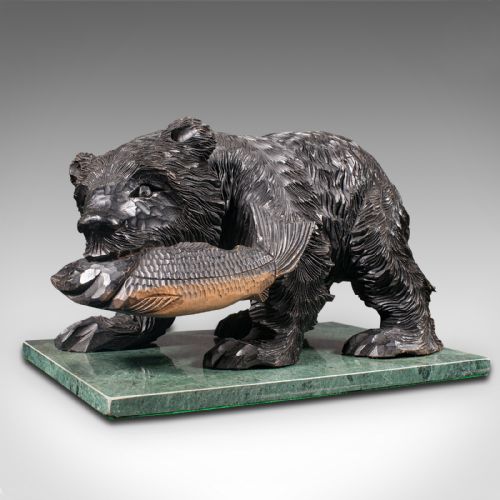
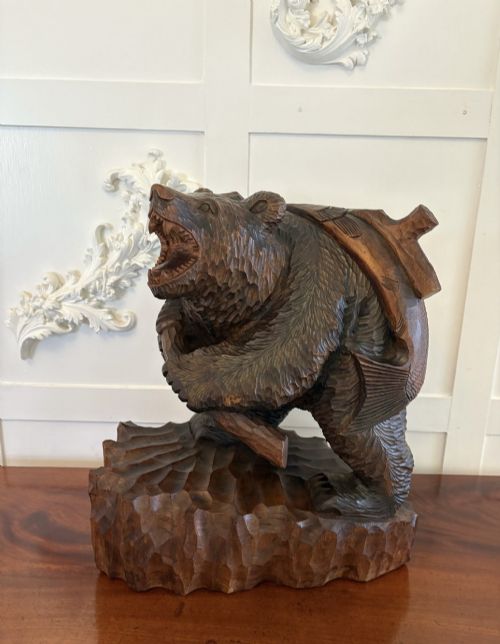
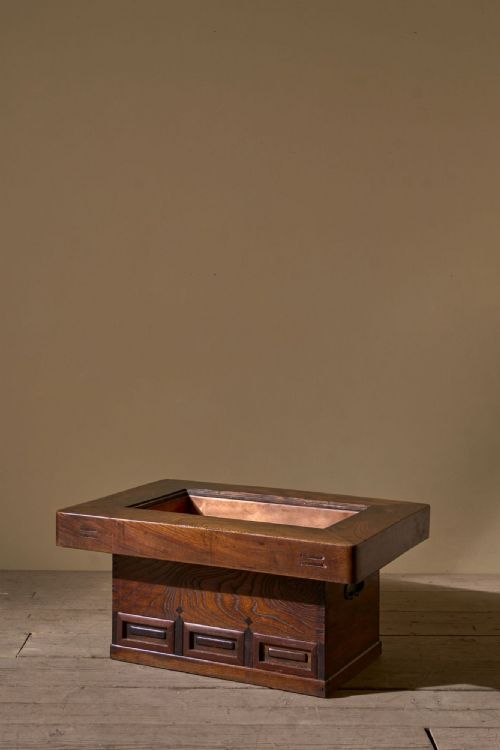
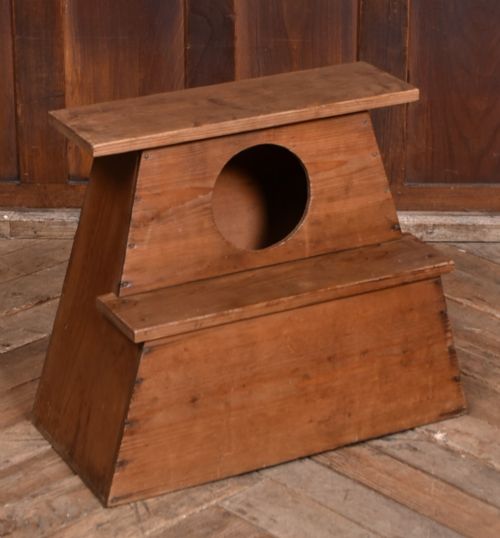
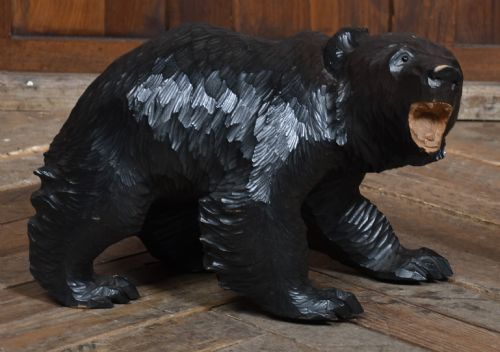
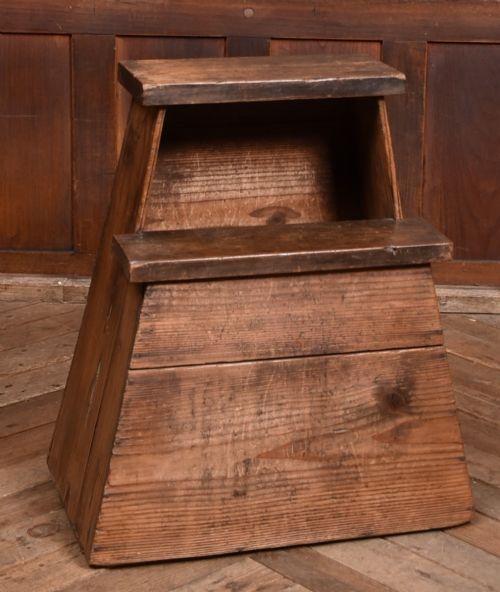
The selections available here lean heavily into nineteenth-century woodwork, featuring practical items like vendor stools and hibachi tables alongside spirited animal figures. Sculptures of bears carrying fish and depictions of cultural figures like Daruma dominate the sculptural forms. Each piece carries the marks of daily use and rural utility, offering a direct connection to traditional Japanese life.
Materials and construction
These items rely principally on native timbers such as linden wood, cedar, keyaki, and general carved wood chosen for their grain and workability. Artisans utilised hand-carving techniques, including distinct approaches like the nata-tsukuri style seen in figurative works. This method leaves visible hatchet or chisel marks that define the surface texture of the sculpture.
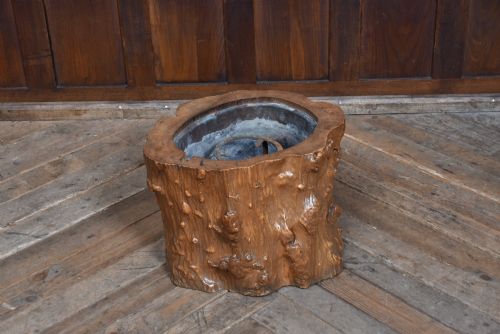
Metal elements in copper and iron appear primarily as functional hardware or linings within larger pieces like hibachi tables. Applied finishes generally consist of simple stains that enhance the natural qualities of the wood without masking its grain. The construction prioritises structural honesty and durability over decorative excess.
Materials documented across the available inventory include carved wood, cedar, linden wood, keyaki, copper, and iron.
Assessing quality in folk pieces
Quality in these works rests upon the vigour of the carving and the preservation of the maker's hand marks. Sculptures that display a strong sense of movement and confident tool work command greater appreciation than stiff or overly smoothed examples. The balance between utilitarian function and sculptural expression dictates the standing of each piece.
The integrity of the timber and the depth of the patina acquired through age significantly influence the appeal of the object. Pieces retaining their original surface finish without heavy intervention demonstrate superior preservation. Ultimately, the success of an item lies in the harmony between its material and its intended practical or symbolic purpose.
The Vintage Japanese Folk Art Glossary
- Mingei
- A Japanese folk craft movement that values the art of everyday objects created by ordinary craftspeople for daily use.
- Hibachi
- A traditional Japanese heating device, typically constructed from wood with a metal lining, often repurposed as a low table.
- Kibori Kuma
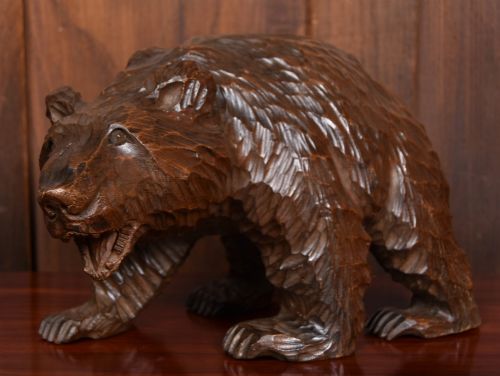
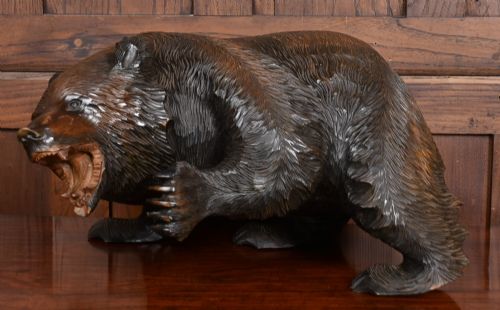
- A style of traditional wooden carved bear produced in Hokkaido, frequently depicted carrying a fish in its mouth.
- Nata-tsukuri
- A carving technique utilising a hatchet to shape the wood, leaving deliberate and expressive tool marks on the finished surface.
Vintage Japanese Folk Art: Frequently Asked Questions
What is vintage japanese folk art?
Vintage japanese folk art comprises utilitarian objects and handcrafted sculptures produced by anonymous artisans during the nineteenth and early twentieth centuries. These pieces embody traditional craftsmanship and the Mingei philosophy of everyday utility.
The selection typically includes carved wooden animals, vendor stools, and hibachi tables created from regional timbers like linden and keyaki. Each item reflects the practical needs and aesthetic values of rural Japanese life.
How were hibachi tables used?
Hibachi tables served as traditional heating devices in Japanese homes, holding burning charcoal inside a metal-lined central compartment. They provided localized warmth for domestic spaces and social gatherings.
Over time, many of these wooden containers found new life as low coffee tables or decorative display pieces. Their robust construction allows them to function readily in contemporary interiors.
What are Kibori Kuma carvings?
Kibori Kuma are traditional wooden bear sculptures originating from the Hokkaido region of northern Japan. They are typically hand-carved from local wood and frequently shown carrying a salmon in their jaws.
These sculptures represent a significant strand of rural folk carving from the nineteenth century onward. Their spirited forms and textured surfaces make them highly collectible decorative objects.
How do I date these pieces?
Dating relies on stylistic markers, the specific types of timber utilised, and the visible tool techniques left by the maker. Nineteenth-century examples often exhibit deeper patination and distinct hand-carved textures from traditional implements.
Later pieces from the early twentieth century may show subtle shifts in form and construction methods. Comparing the wear patterns and material ageing helps establish the temporal context of each object.
How do I style folk art at home?
These rustic wooden pieces integrate well into minimalist or eclectic interiors by adding tactile warmth and historical depth. Placing a carved animal sculpture on a simple shelf or utilising a vendor stool as a small side table highlights its sculptural qualities.
Allowing the natural wood grain and age patina to stand against neutral backgrounds lets the craftsmanship take centre stage. The honest materials ensure these items complement modern living spaces without overwhelming them.