

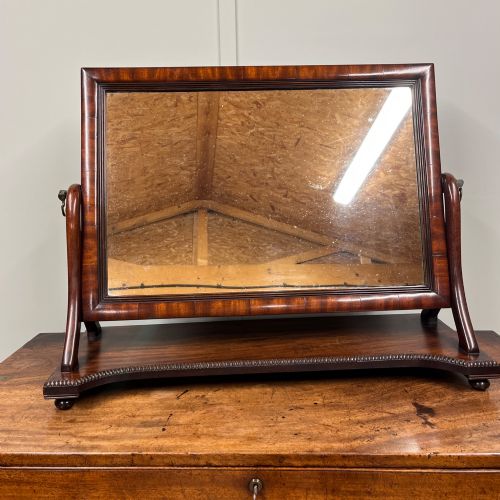
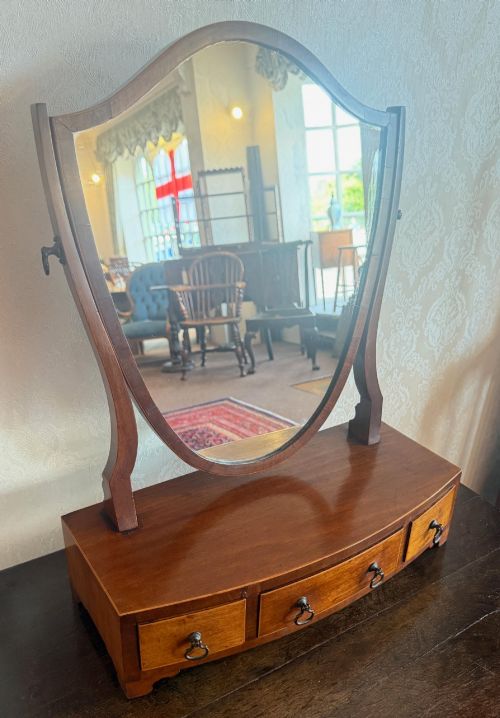
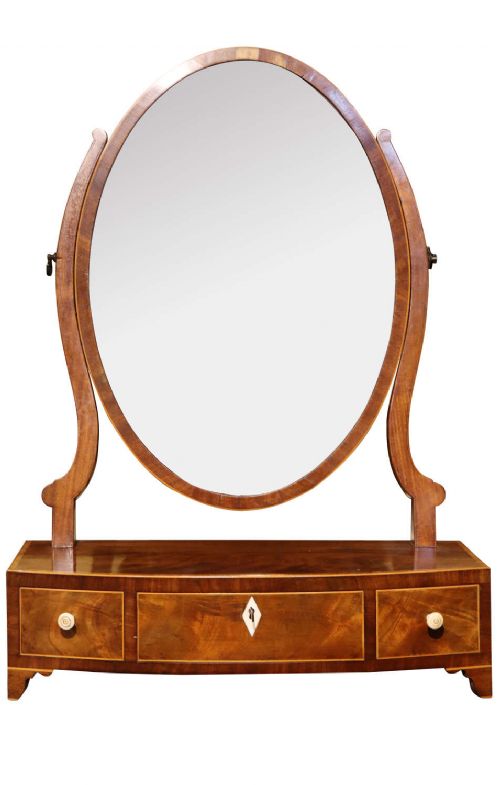
Brown Wood Toilet Table
A brown wood toilet table provides a dedicated surface for grooming, uniting functional drawer storage with a tilting mirror.
Brown Wood Toilet Table
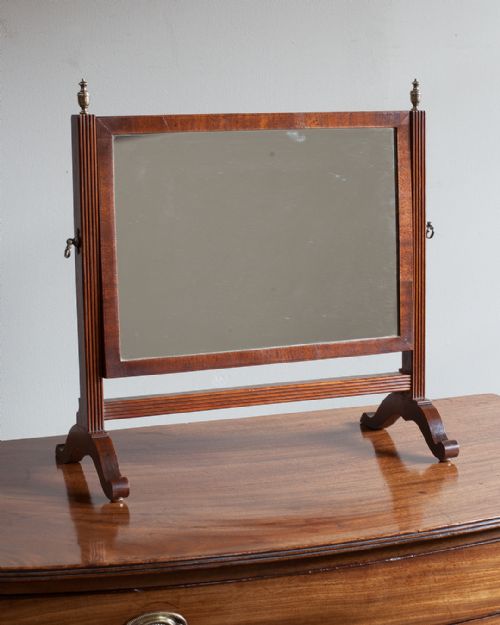
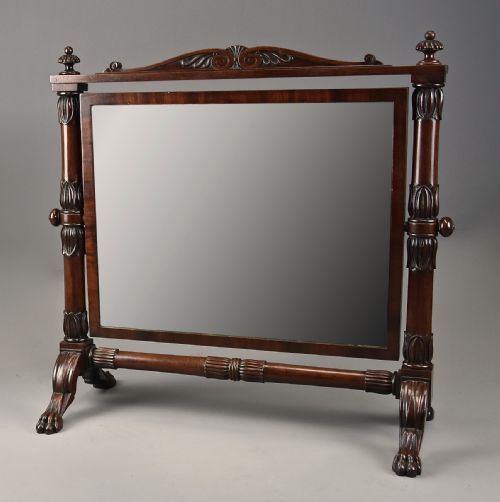
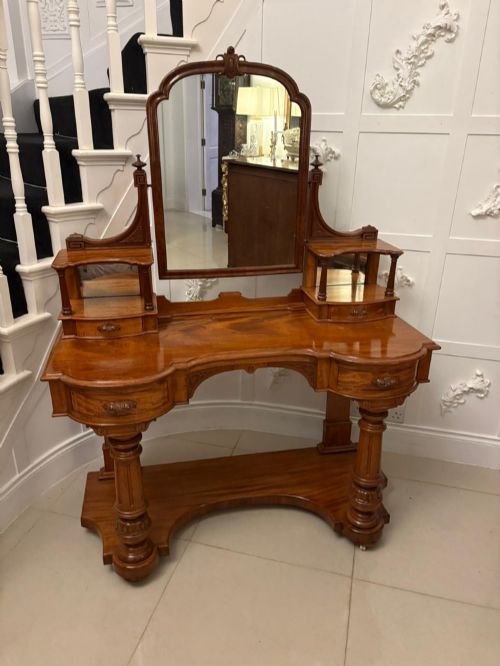
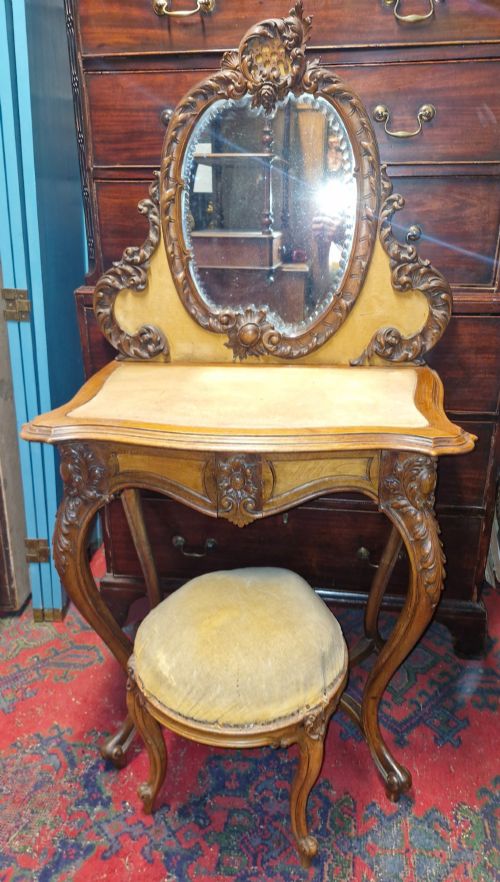
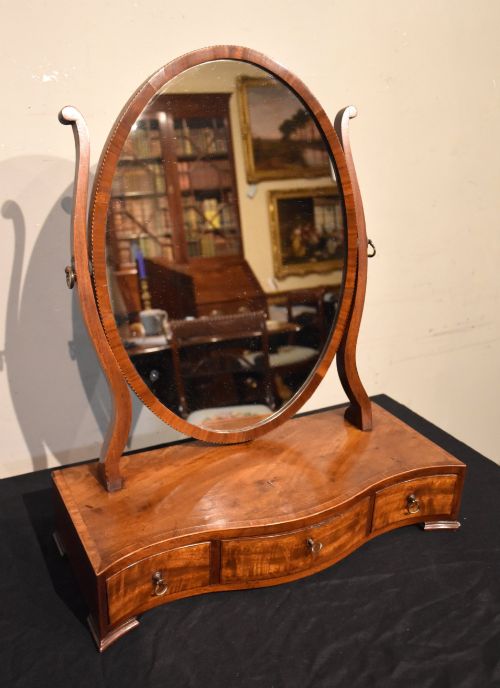
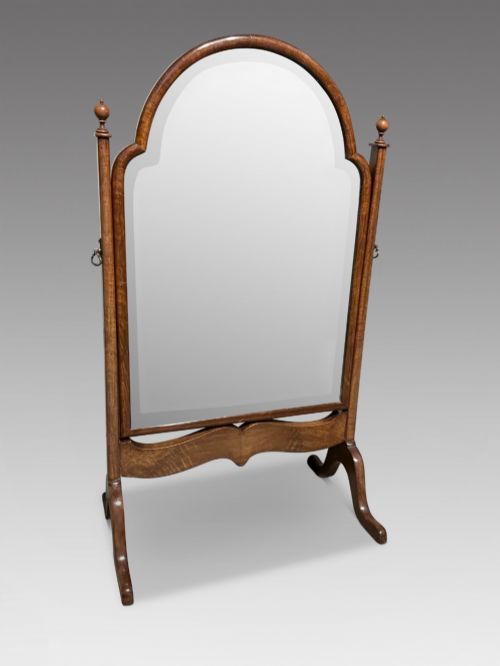
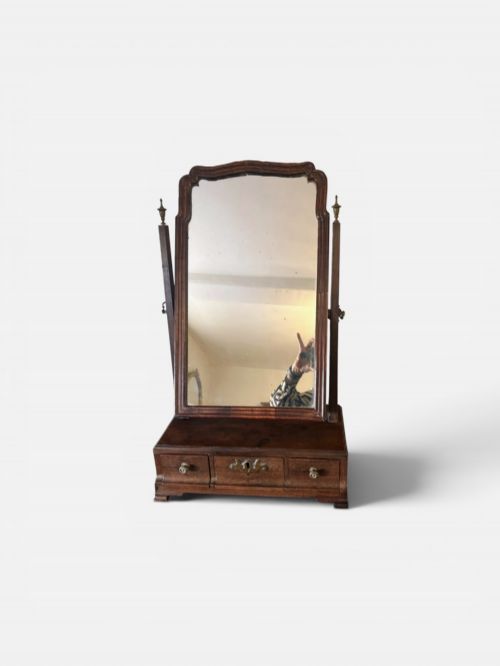
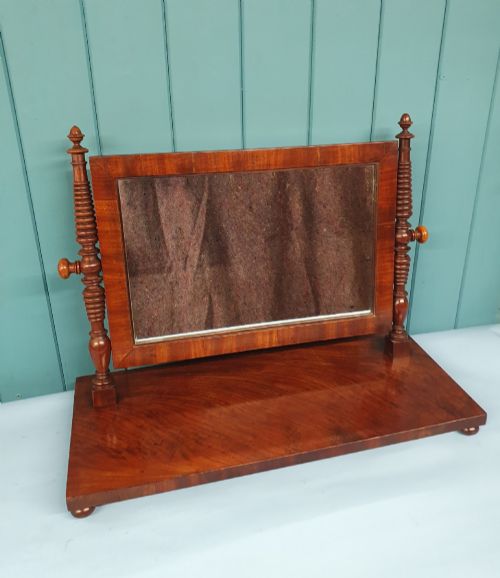
A brown wood toilet table encompasses both compact tabletop swing mirrors and substantial freestanding dressing chests originating from the eighteenth, nineteenth and early twentieth centuries. When you search for a brown wood toilet table, you encounter pieces designed for personal grooming that combine timber frames with adjustable glass mirrors.
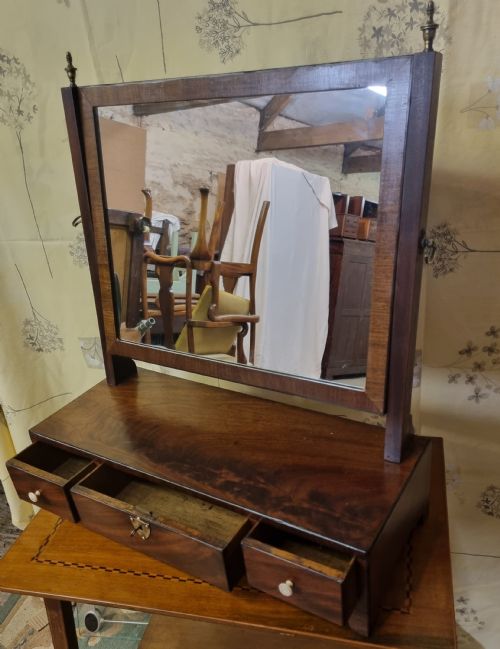
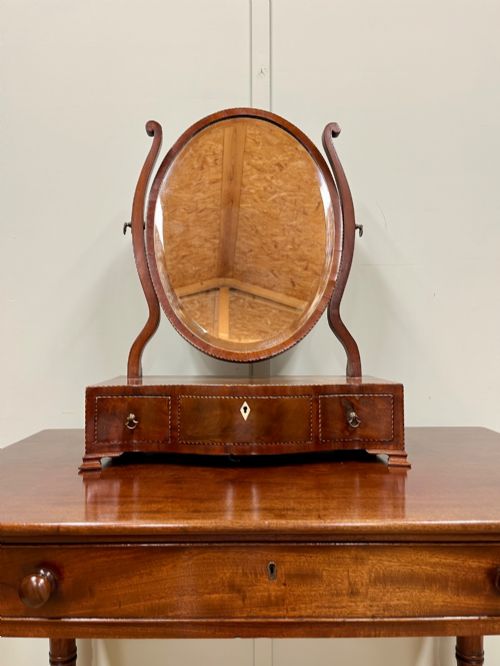
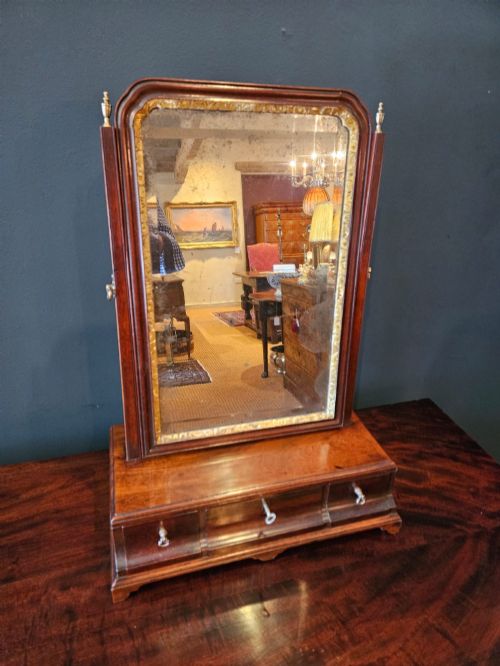
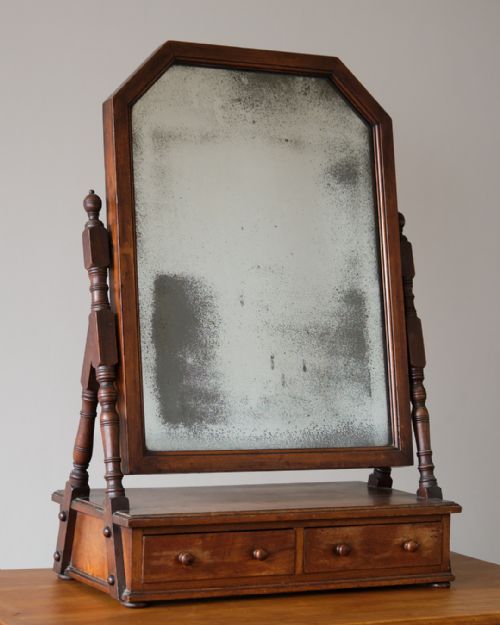
The most common forms on this page are swing mirrors and toilet mirrors featuring small base boxes with fitted drawers, alongside larger dressing tables and chests. These pieces typically rest upon a table or chest of drawers to reflect light and assist with daily grooming routines.
Originating across Georgian, Victorian, Regency and Edwardian periods, these tables showcase the changing domestic requirements of past centuries. Cabinetmakers built them to suit bedrooms and dressing rooms, using rich timbers to complement contemporary interior decoration.
Distinguishing quality
Quality rests upon the selection of timber figures, such as figured mahogany or rich walnut, paired with precise joinery in the drawer construction. Finer examples display subtle serpentine fronts, delicate crossbanding and well-proportioned mirror supports rather than plain, utilitarian boxes.
The integration of original brass hardware and the clarity of the surviving mirror glass elevate a piece. Superior workshops invested time in hand-carved details and balanced proportions that maintain elegance while supporting the weight of the swiveling frame.
Object types range from compact tabletop swing mirrors and shaving stands to full dressing tables and chests.
Heal & Sons
The Brown Wood Toilet Table Glossary
- Swing mirror
- A looking glass mounted on vertical posts with pivot screws that allow the plate to tilt back and forth. This form sits atop a dressing chest or forms the upper section of a toilet table.
- Serpentine front
- A cabinet front curved in a wave-like shape with a convex centre flanked by two concave ends. This contour requires skilled carpentry to shape the timber and fit the drawers.
- Crossbanding
- A narrow strip of veneer laid across the grain of the primary wood surface to create a contrasting border. Cabinetmakers utilised this technique on drawer fronts and table tops to frame the grain.
- Shaving stand
- A specialised form of toilet table equipped with adjustable mirrors and surfaces designed for grooming. These pieces often feature tripod stands or compact storage compartments.
- Escutcheon
- A small protective plate surrounding a keyhole, usually fashioned from brass or bone. It prevents the wood surrounding the lock from wearing down through repeated use.
Brown Wood Toilet Table: Frequently Asked Questions
What is a toilet table?
A toilet table is a piece of furniture designed for personal grooming, typically incorporating a table surface, drawers for storage, and an attached or resting mirror.
Historically placed in bedrooms or dressing rooms, these tables provided a dedicated space for styling hair and attending to personal hygiene before the widespread use of fitted bathroom furniture.
How do I date a wooden mirror?
Dating relies on examining the construction methods of the drawer boxes, the type of timber used, and the style of the mirror frame supports. Georgian pieces often feature hand-cut dovetails and serpentine fronts, while Victorian items display heavier carved mahogany and walnut.
Secondary woods, brass hardware styles, and the method of securing the mirror glass also offer clues to the decade of manufacture, ranging from the eighteenth century to the Edwardian era.
Where should I place it?
These pieces sit well on top of a low chest of drawers, a dedicated dressing table, or a sturdy sideboard where the mirror height suits daily use. Placing them near a natural light source enhances their practical function.
In modern interiors, smaller swing mirrors work effectively on desk tops or console tables, adding period character to bedrooms and hallways alike.
Are the mirrors original?
Many surviving pieces retain their original mirror glass, often identifiable by minor foxing, subtle warping, or silvering loss near the edges. Some pieces received replacement mirror plates over the centuries as the original glass deteriorated.
Examining the backboards and the fit within the wooden rebate helps determine whether the glass dates to the period of the frame.