


French Rococo Vanity
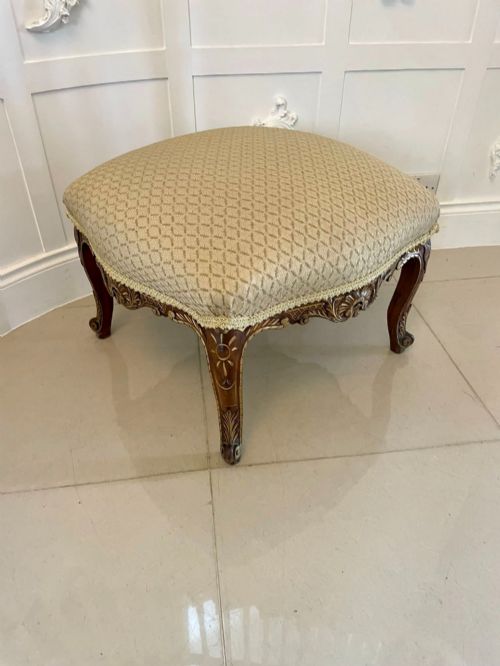
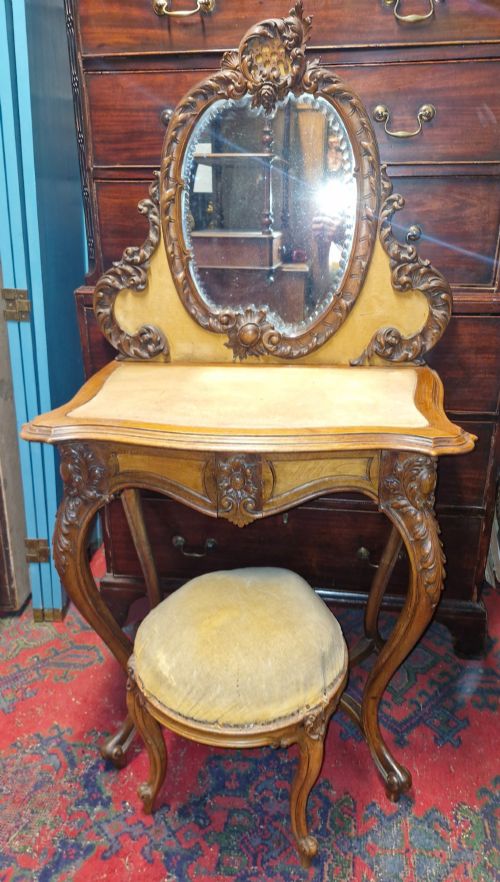
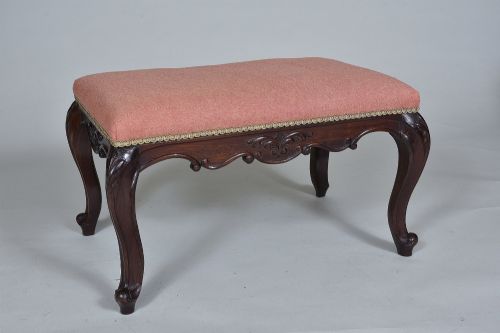
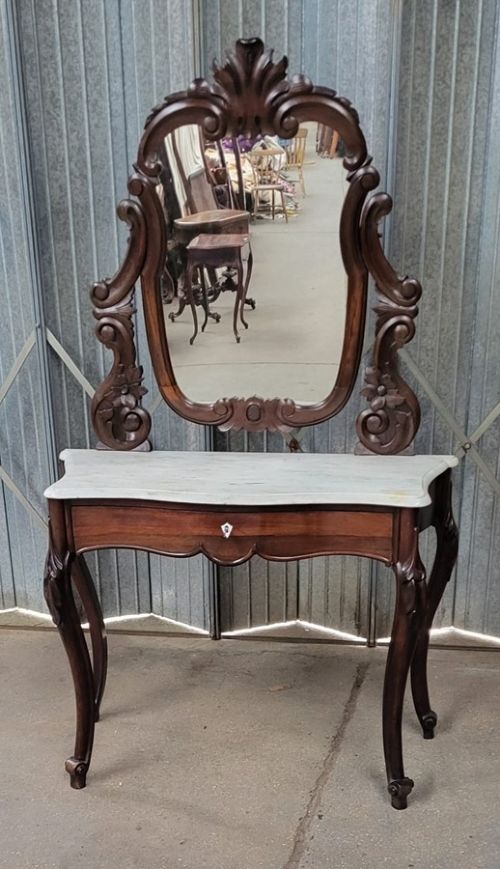
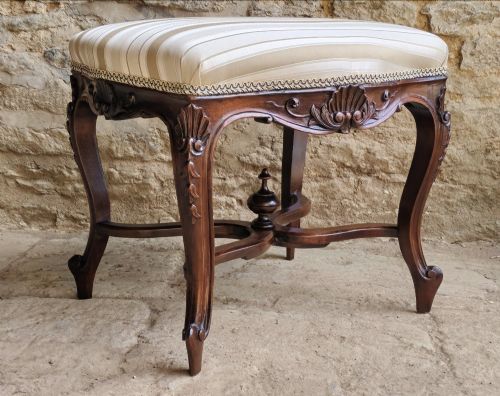
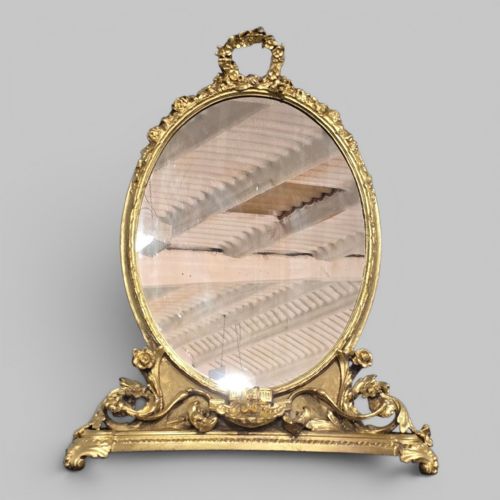
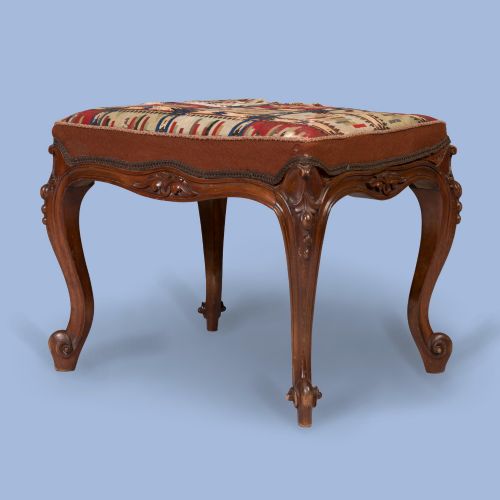
When you look for a French rococo vanity, you find a world of carved walnut dressing tables, giltwood mirrors and upholstered stools.
French Rococo Vanity
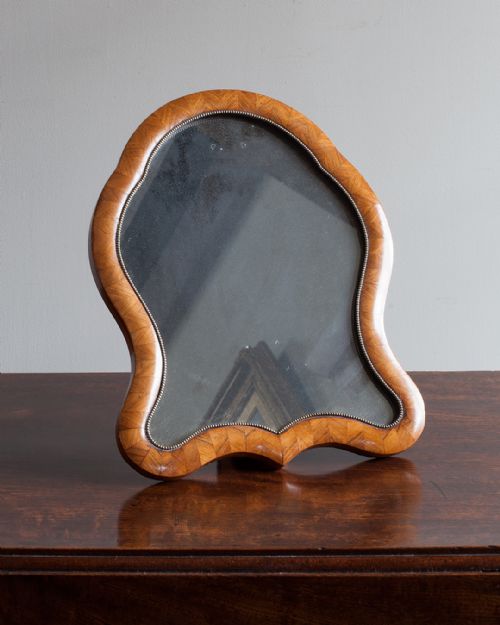
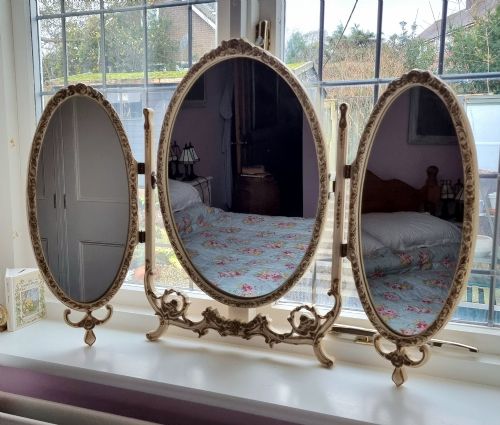
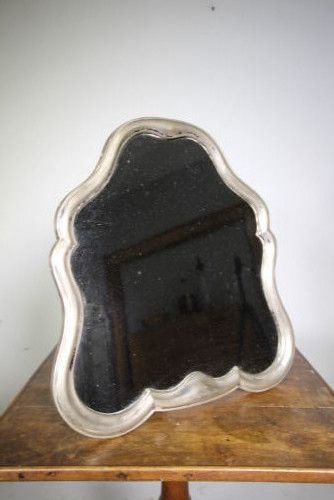
A french rococo vanity brings together dressing tables, mirrors and matching stools rooted in nineteenth-century revivals. Pieces span wall mirrors, dressing table mirrors, writing desks and footstools.
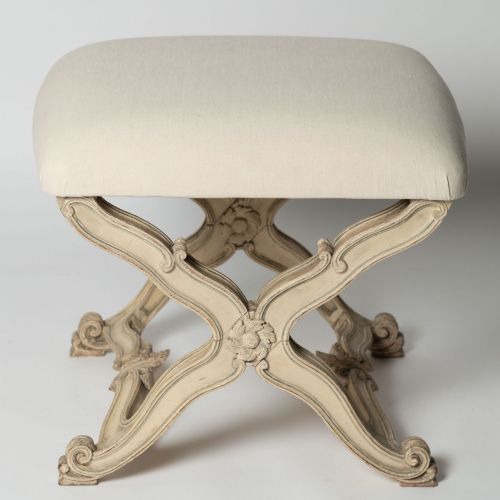
The materials vary from walnut and mahogany to solid brass, giltwood and gesso. Stools feature upholstery and carved wood frames designed to sit alongside dressing pieces.
Origins stretch across nineteenth-century Victorian workshops into early twentieth-century interpretations. The forms draw heavily on Louis styles, rococo curves and ornate continental design.
Materials and construction
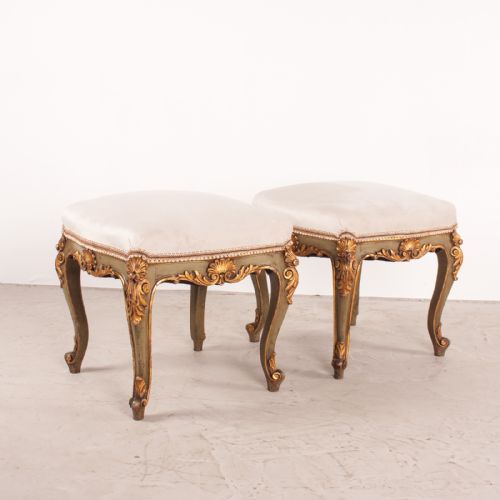
Woodwork relies on carved walnut, mahogany, oak and kingwood, often shaped into undulating curves and cabriole legs. Giltwood and gesso provide reflective, ornate surfaces on mirrors and frames.
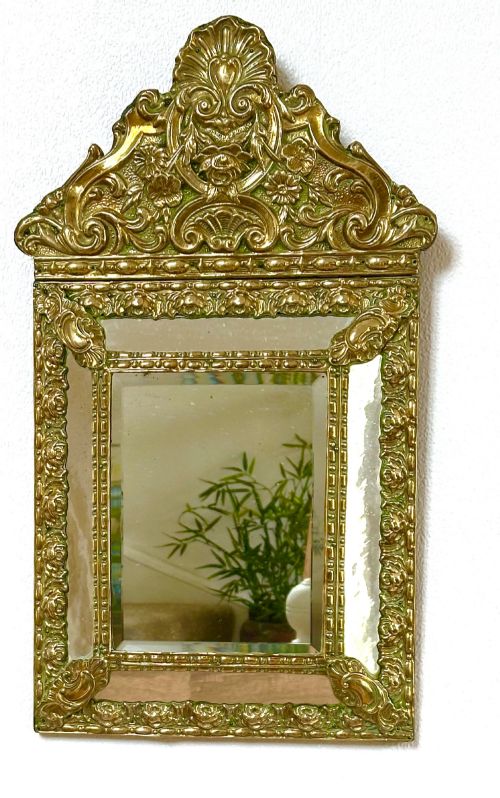
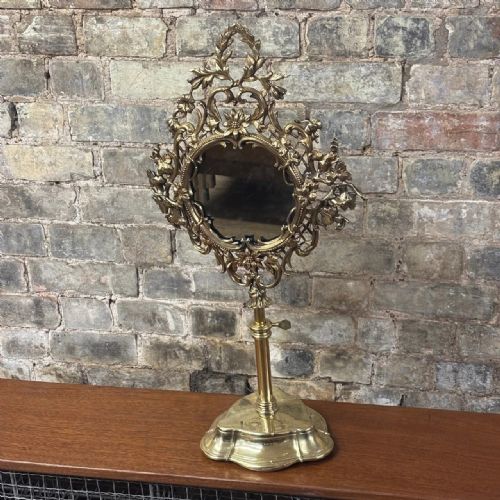
Brass, glass and fabric integrate into the designs through bevelled mirror plates, metal frames and upholstered seat covers. Paint and gilt finishes add decorative colour to continental stools and frames.
Listings feature items spanning the 1860s through the 1930s, using materials such as walnut, brass, giltwood and glass.
Standards of craftsmanship
Depth and crispness of hand-carving separate standard woodwork from finer examples. Timber selection, such as burr walnut or figured mahogany, defines the visual richness of dressing tables and writing desks.
Quality shows in the weight of cast brass, the clarity of bevelled glass and the execution of gilding over gesso. Upholstered elements depend on the proportion and integrity of the underlying frames.
The French Rococo Vanity Glossary
- Giltwood
- Wood coated with gold leaf or gilt paint. This finish appears frequently on ornate mirrors and frames.
- Cabriole leg
- A furniture leg that bends outward and then tapers inward. It is a defining feature of rococo seating and tables.
- Gesso
- A plaster mix applied to wood surfaces before gilding. It provides a smooth base for intricate carved details.
- Kingwood
- A dense exotic timber used in small nineteenth-century furniture. It shows distinctive dark figuring.
- Bevelled glass
- Glass with an angled edge cut around the perimeter. This technique adds depth to dressing table mirrors.
French Rococo Vanity: Frequently Asked Questions
What is a french rococo vanity?
A french rococo vanity encompasses dressing tables, adjustable mirrors and low stools inspired by eighteenth-century continental design. Makers revived these flowing, organic shapes during the nineteenth and early twentieth centuries.
These pieces combine functional dressing surfaces with decorative carved wood, gilt finishes and upholstered seats. They reflect a period of historic revival that favoured ornate curves and decorative glass.
How do I identify the period?
Dating relies on timber choices, construction methods and mirror plate characteristics. Nineteenth-century pieces often use solid walnut or mahogany with hand-carved details, while later examples show different assembly techniques.
Hardware, brass fittings and the style of the gilding also help establish whether a piece dates to the Victorian era or the early twentieth century. Examining the backboards and fixings provides further clues.
Where were these pieces used?
Such items belonged in domestic bedrooms, dressing rooms and boudoirs where personal grooming took place. Dressing tables and vanity mirrors offered spaces for hair styling and cosmetics.
Stools provided seating specifically proportioned for lower dressing tables, while table mirrors sat atop chests of drawers or dedicated washstands.
How should I care for giltwood?
Giltwood surfaces require gentle dusting with a soft, dry brush to protect the delicate gold leaf or gilt finish. Moisture and harsh cleaning agents can damage the underlying gesso.
Keeping mirrors and wooden frames away from direct sunlight and damp environments preserves the finish. Careful handling prevents chips to the carved plaster and wood.