



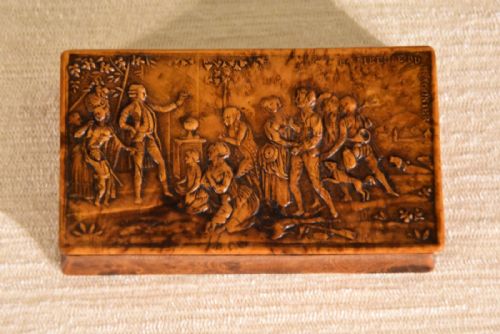


Brown Wood Snuff Box
These brown wood snuff box pieces are tactile pocket containers shaped by hands across the eighteenth, nineteenth, and early twentieth centuries.
Brown Wood Snuff Box
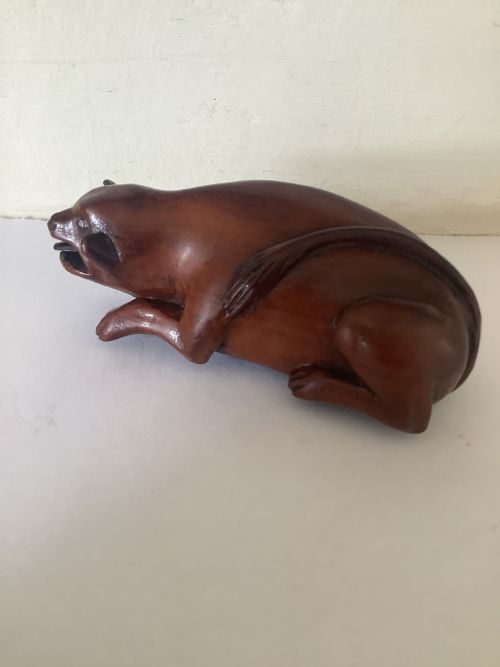
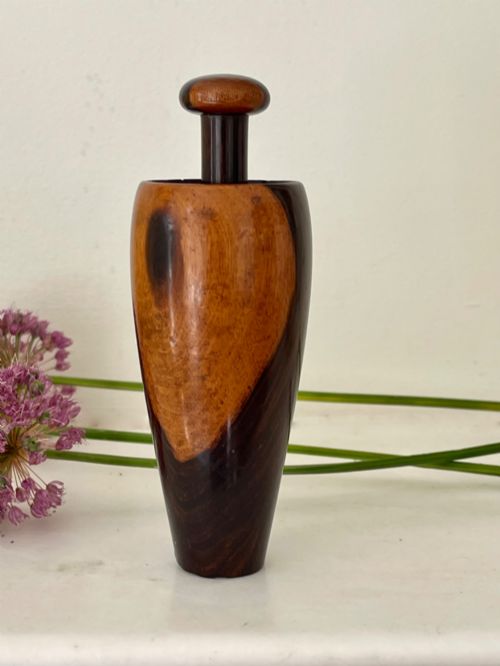
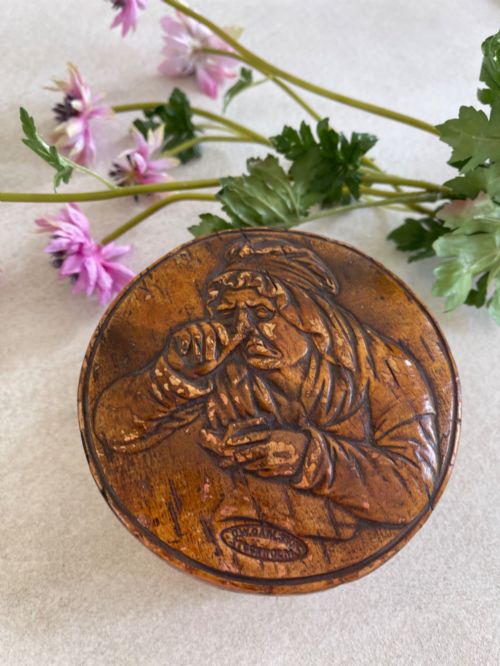
A brown wood snuff box takes many forms, from simple pocket carriers to elaborate table pieces and figural carvings. When exploring this selection, a buyer encounters everyday treen alongside folk art items shaped like shoes, books, birds, and even hands holding pinches of snuff.
The objects span multiple eras, drawing heavily from eighteenth-century Georgian designs through to nineteenth-century folk art and Edwardian examples. Materials extend beyond plain timber to include fruitwood, birch, maple, and specimen woods paired occasionally with tortoiseshell or metal.
Makers ranged from vernacular woodworkers crafting naive items to skilled artisans producing pressed maple and intricate chip-carved boxes. Welsh and Scandinavian origins appear alongside English and French pieces, reflecting diverse regional carving traditions.
Assessing quality and craftsmanship
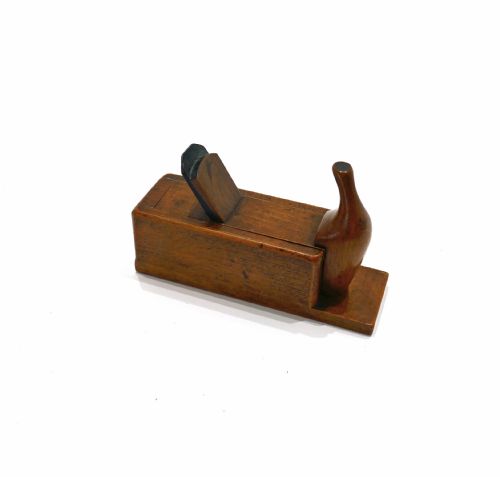
Quality rests in the crispness of the carving and the cleverness of novelty forms, such as boxes shaped as shoes or wood planes. Finer examples display deliberate attention to anatomical detail in figural subjects or precise geometric patterns in chip-carved surfaces.
The choice of material elevates certain pieces, particularly those utilising figured timbers like burr walnut, amboyna, or pressed maple. Condition and the preservation of original patination also dictate the standing of an item within the range.
Materials recorded across the selection include fruitwood, mahogany, birch, amboyna, burr walnut, maple, tortoiseshell, metal, and glass.
The Brown Wood Snuff Box Glossary
- Treen
- Small handmade wooden objects for domestic use. This term covers everything from small pocket containers to mortars.
- Fruitwood
- Timber derived from fruit-bearing trees such as apple, pear, or plum. Carvers favoured it for its fine, even grain which allowed for intricate detail.
- Chip carving
- A technique of removing small chips from a wooden surface to create geometric patterns. Welsh folk art pieces frequently display this method.
- Pressed maple
- Maple wood shaped under heat and pressure within metal dies. This technique created sharp, uniform relief decorations on nineteenth-century boxes.
- Specimen woods
- Various ornamental timbers assembled together to create decorative patterns. Makers used them to showcase different colours and grains in a single box.
Brown Wood Snuff Box: Frequently Asked Questions
What were brown wood snuff boxes used for?
These containers held powdered tobacco, known as snuff, which users inhaled through the nose for social or medicinal purposes during the eighteenth and nineteenth centuries.
Owners carried them in pockets or kept them on tables for guests, making them both personal accessories and conversational objects in company.
How do I date a wooden snuff box?
Dating relies on stylistic clues, construction methods, and the specific timber species favoured during particular eras. Georgian pieces often feature distinct cabinet-making traits, while nineteenth-century folk art embraces naive carving and novelty shapes.
Examining hinge types, interior construction, and wear patterns alongside known regional styles helps narrow down the period of manufacture.
Why are some boxes shaped like shoes?
Shoe-shaped snuff boxes formed part of a long vernacular tradition associated with luck, courtship, and betrothal gifts in Britain and Europe.
Carvers utilised the form because the curved toe and heel naturally accommodated the hand while offering a humorous or symbolic miniature sculpture.
How should I care for antique treen?
Wooden boxes require stable indoor humidity away from direct sunlight and heat sources to prevent the timber from drying out or splitting.
Occasional light waxing with appropriate formulations helps maintain the natural patina and protects the surface without building up heavy residues.