
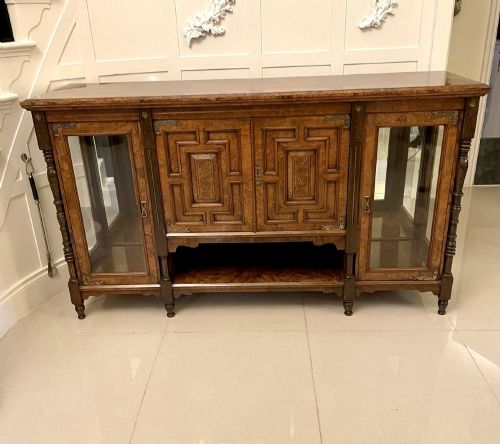
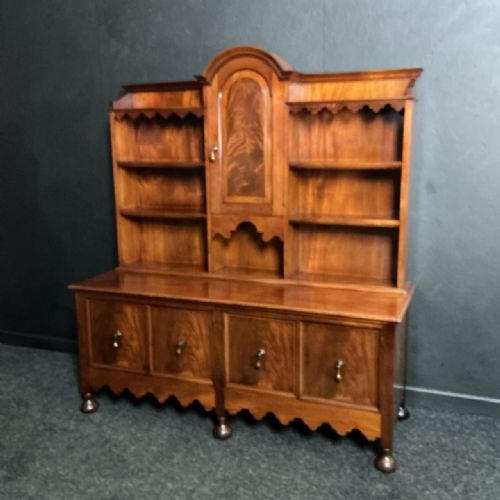
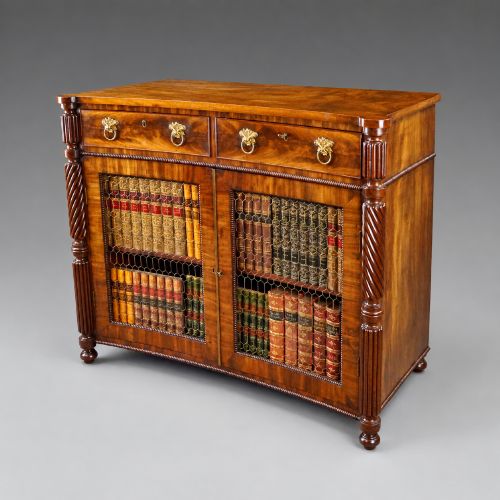
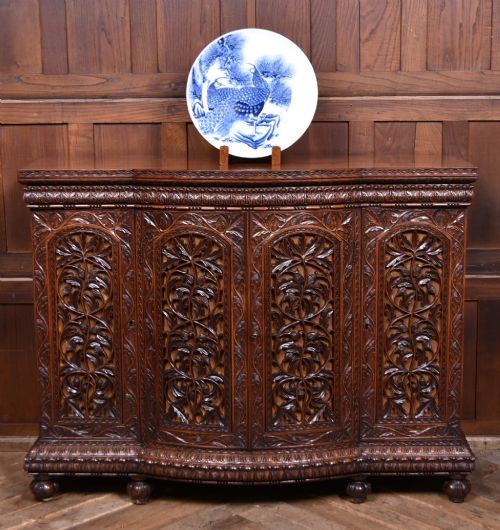
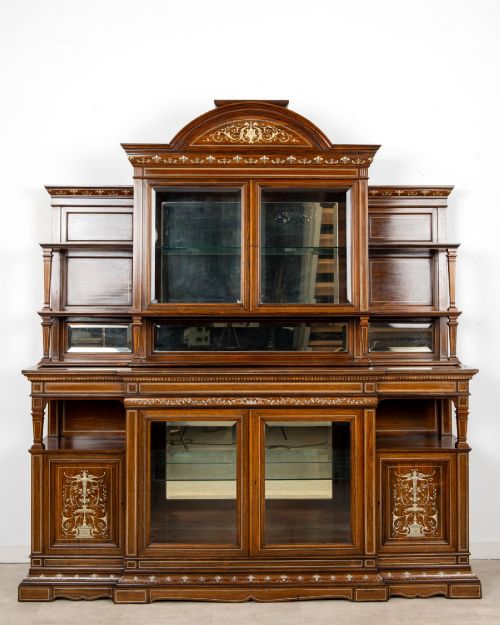
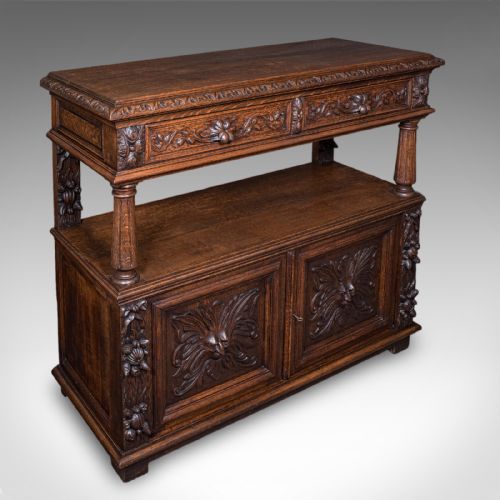
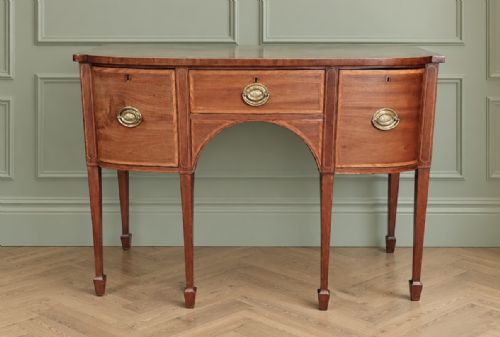
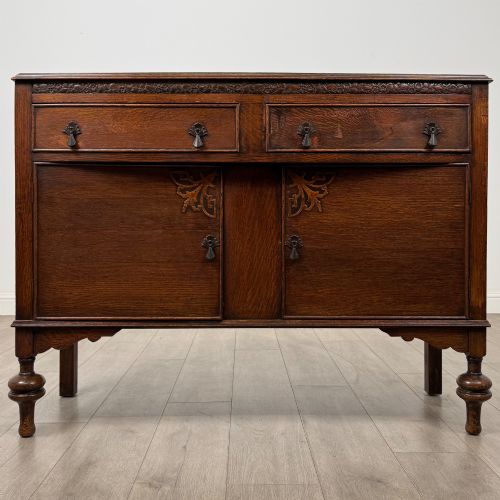
Brown Wood Sideboard Cabinet
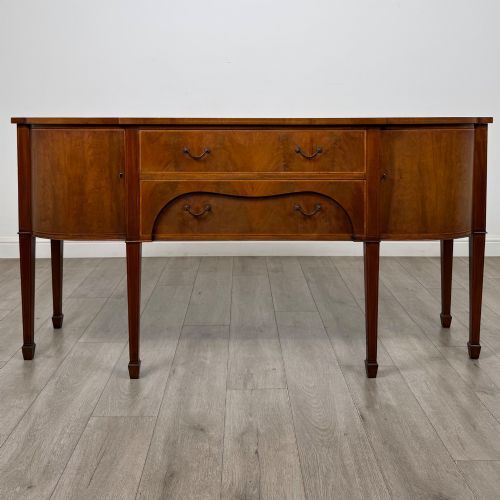
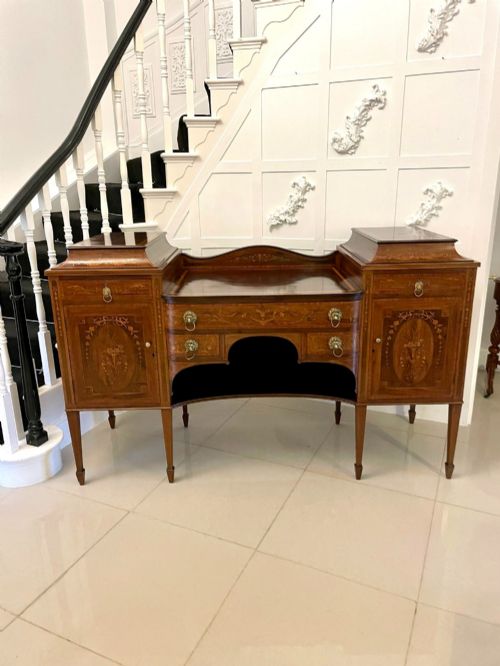
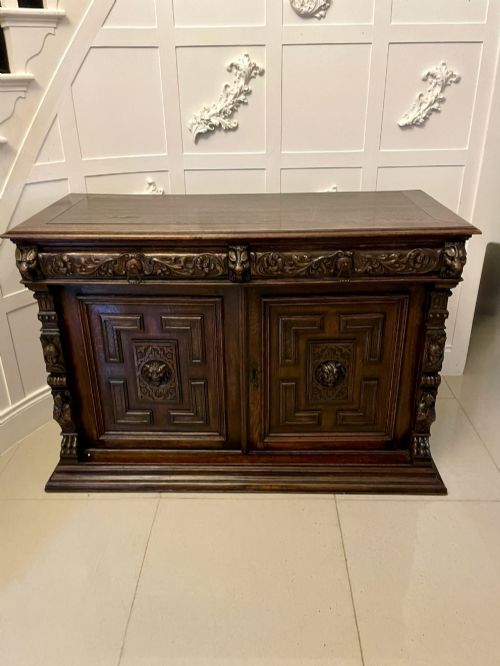
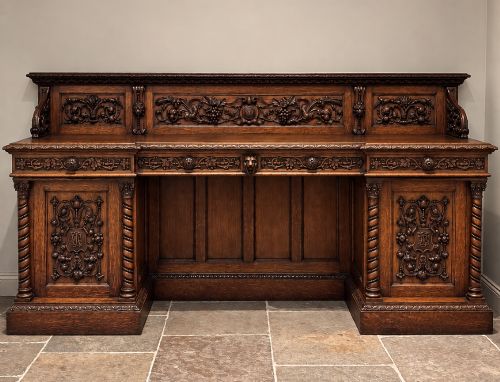
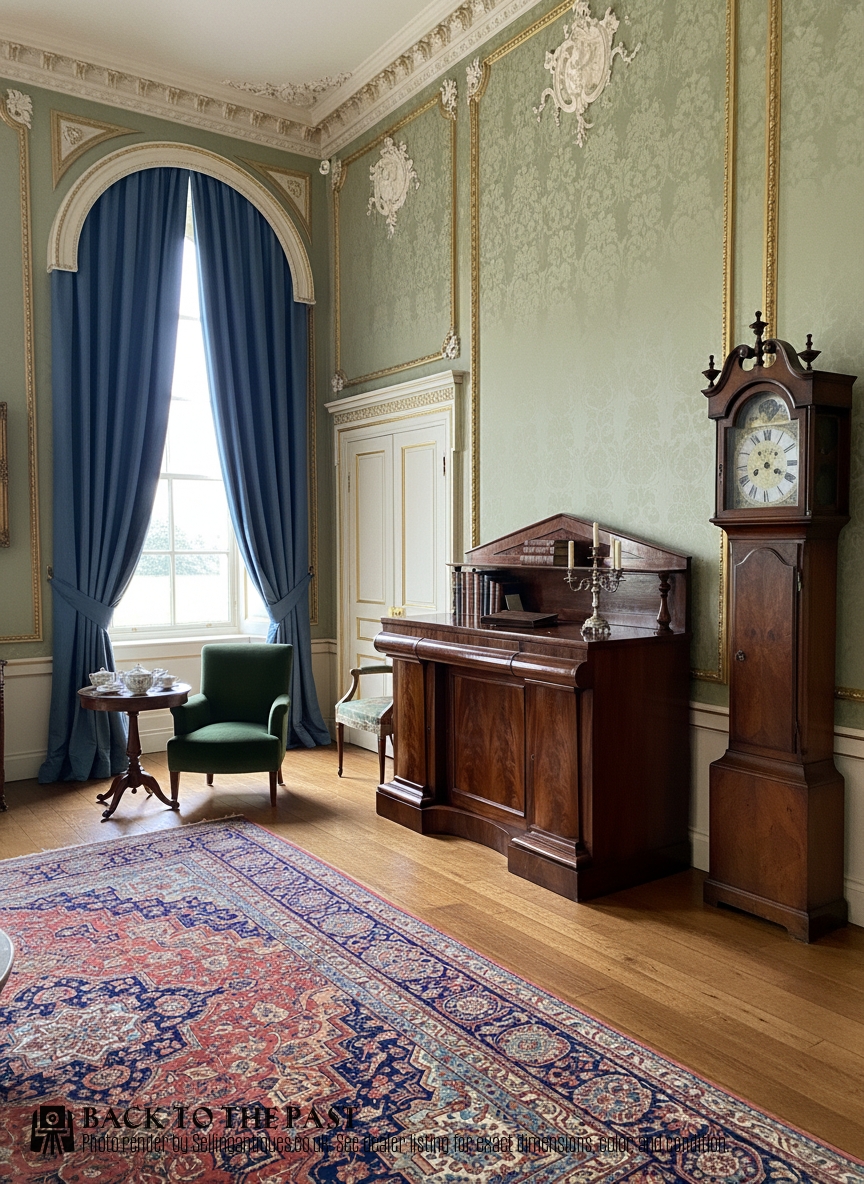
A brown wood sideboard cabinet provides substantial dining room storage through timbers like mahogany, oak, and walnut spanning multiple nineteenth-century and early twentieth-century periods.
Brown Wood Sideboard Cabinet
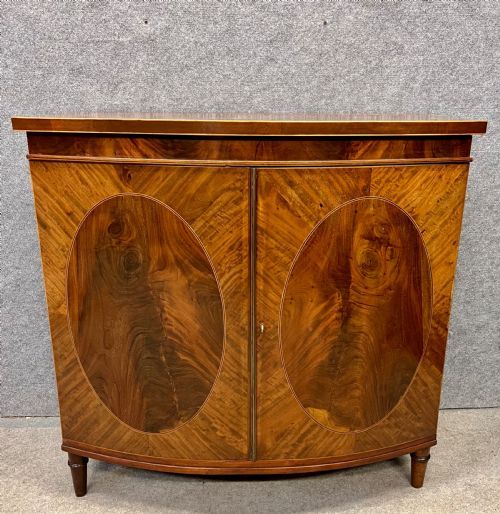
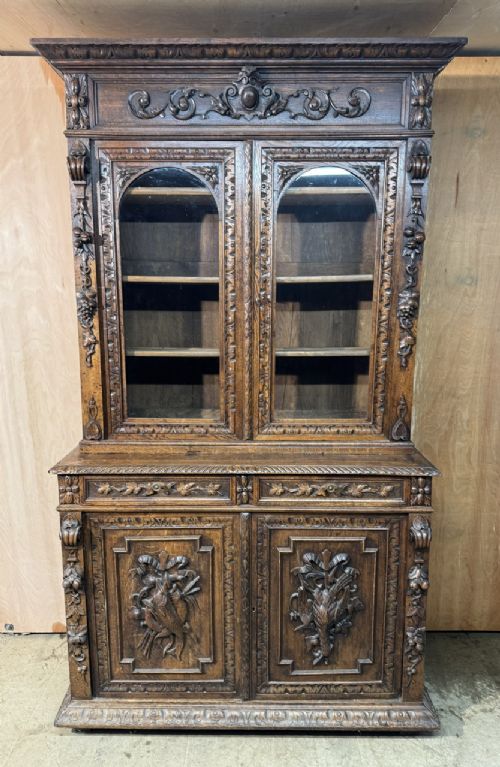
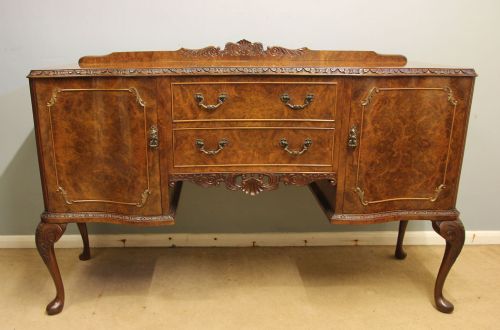
A brown wood sideboard cabinet functions as a large storage unit or serving station typically placed in dining spaces. Buyers encounter diverse forms here, including Victorian credenzas, Edwardian dressers, and Regency chiffoniers.
The inventory spans several centuries, featuring George III and Georgian pieces alongside 19th-century, Victorian, and Edwardian examples. Materials range from mahogany and oak to walnut, rosewood, and padouk.
Makers utilise various regional designs, from Scottish oak buffets to Welsh dressers and French provincial cupboards. Forms extend from bow front sideboards to demi lune cabinets and display cases.
Materials and construction methods
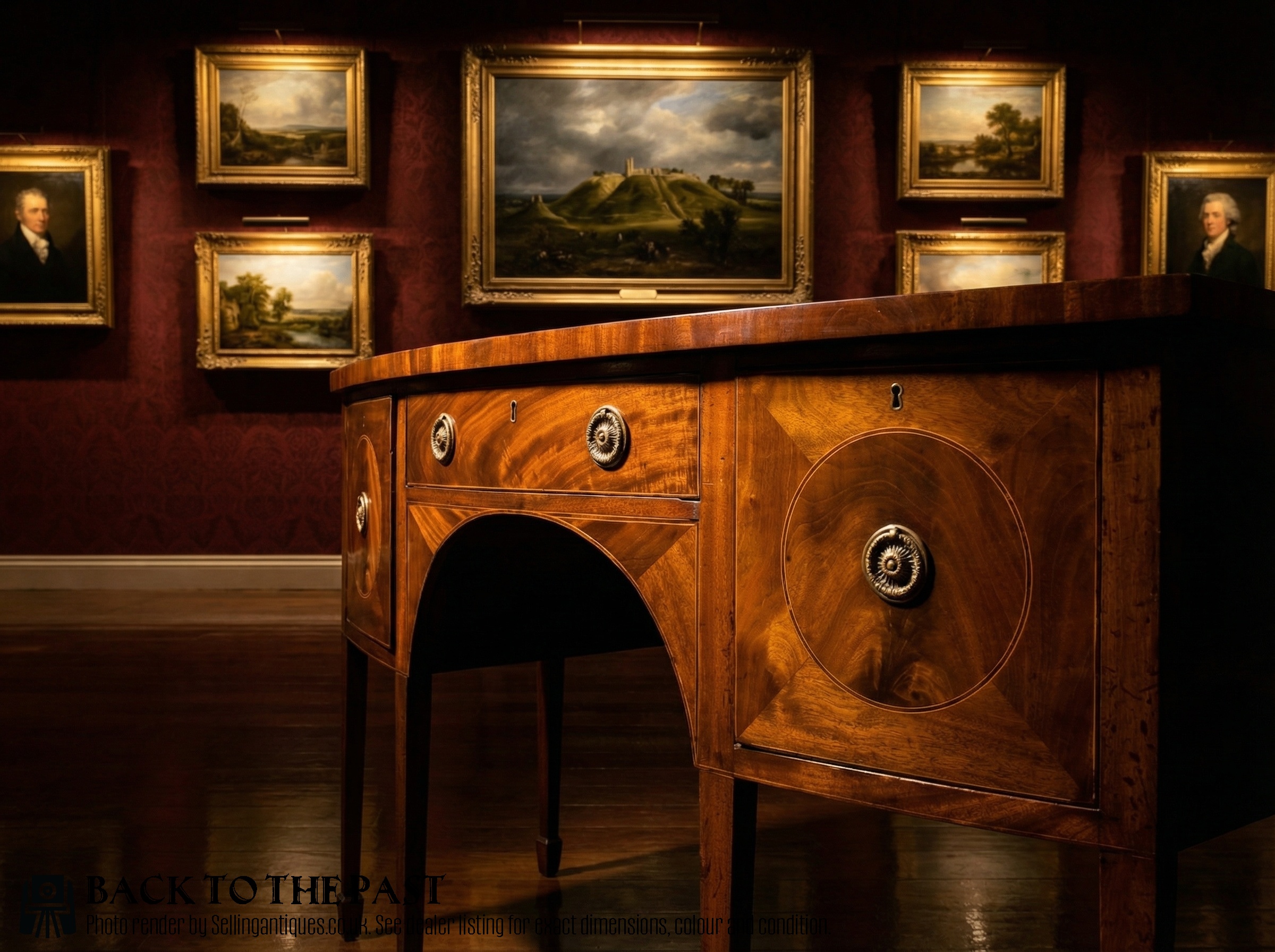
Cabinet makers construct these pieces using solid and veneered hardwoods such as mahogany, oak, walnut, and satinwood. Secondary timbers support internal shelving and carcase structures.
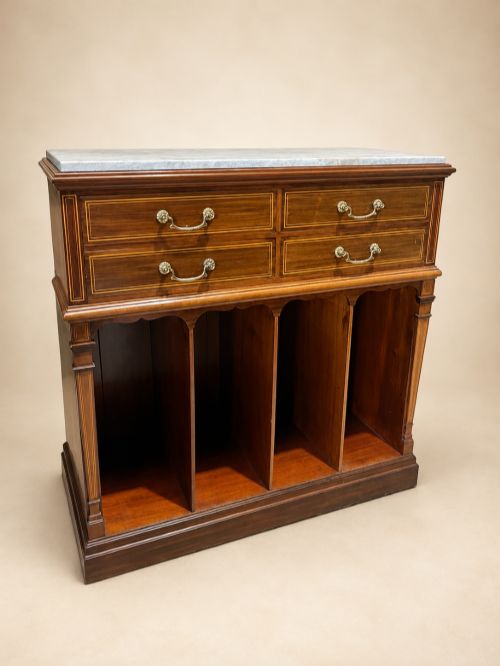
Decorative techniques include marquetry inlay, brass hardware fittings, glass panels, and carved ornamentation. Some items incorporate marble tops or specialised finishes like simulated rosewood paint.
House maid cupboards kept domestic tools tidy in provincial homes long before fitted kitchens arrived.
Distinctions in craftsmanship
Quality depends upon timber selection, evident in the choice of burr walnut, flame mahogany, or gonçalo Alves. Superior pieces display precise marquetry inlay and well-executed wood carving rather than simple applied decoration.
Structural integrity relies on traditional joinery methods within drawers and carcases. The sophistication of the design, such as serpentine or concave fronts, separates standard utility cupboards from high-status furniture.
Hewetsons London·Collinson and Lock
The Brown Wood Sideboard Cabinet Glossary
- Sideboard
- A dining room storage furniture piece designed for serving food and storing tableware. These units often feature a combination of cupboards and drawers.
- Credenza
- A low cabinet or sideboard, frequently featuring glass doors or curved ends, originating in the Victorian period. They often incorporate elaborate marquetry and burr veneers.
- Chiffonier
- A compact sideboard or low cabinet equipped with drawers and doors, popular during the Regency and Victorian eras. They frequently include enclosed shelving sections beneath the top surface.
- Marquetry
- Decorative veneer work forming geometric patterns or pictures using various coloured woods. Artisans inlay these thin wood pieces into the primary surface.
- Demi lune
- A half-moon shape utilised for the tops and fronts of specialised side cabinets and sideboards. This curved form allows the furniture to sit flush against a wall.
Brown Wood Sideboard Cabinet: Frequently Asked Questions
What is a brown wood sideboard cabinet?
A brown wood sideboard cabinet is a functional storage furniture piece designed for dining rooms and living spaces. These items incorporate cupboards, drawers, and shelving constructed from timber.
Examples on this page span styles from Georgian and Regency to Victorian and Edwardian periods. They utilise woods such as mahogany, oak, walnut, and rosewood.
How do I date a sideboard cabinet?
Dating relies upon stylistic markers, construction techniques, and prevailing wood preferences of specific eras. Georgian pieces display restrained classical lines, while Victorian examples often feature heavy carving and burr veneers.
Edwardian items frequently show lighter satinwood inlay and Sheraton revival influences. Examining internal drawer construction helps confirm the period of manufacture.
Where were these cabinets used?
These cabinets served primarily in dining rooms to hold silverware, linen, and serving dishes. They also functioned as surfaces for displaying decorative items during meals.
Some variations, such as chiffoniers and credenzas, appeared in drawing rooms and parlours. Smaller side cabinets adapted easily to entrance halls and reception rooms.
How do I care for antique wood?
Maintaining antique wood cabinets requires keeping them away from direct sunlight and sudden temperature changes. Consistent indoor humidity prevents timber from splitting or warping.
Applying appropriate wax polish preserves the finish and nourishes the natural grain. Regular dusting with a soft cloth prevents surface accumulation.