
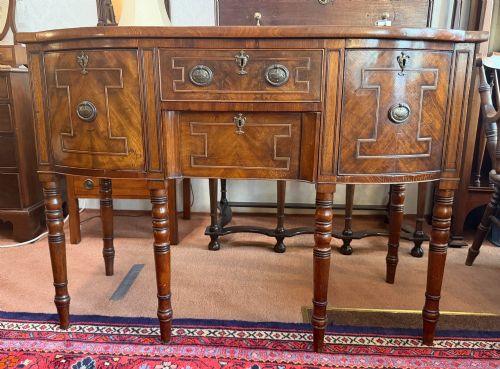
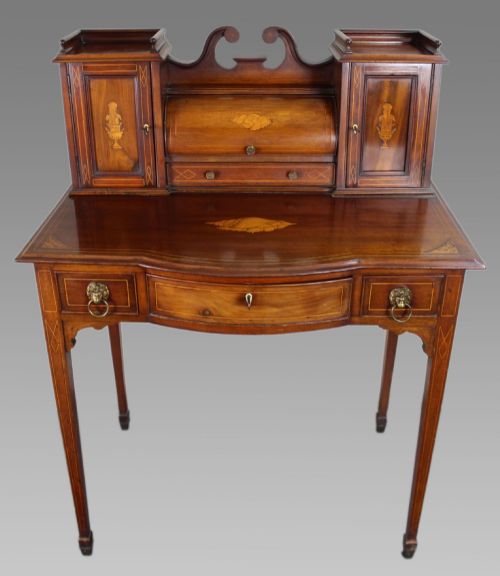
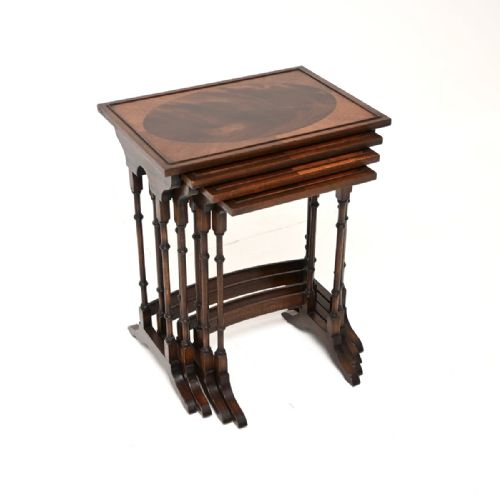
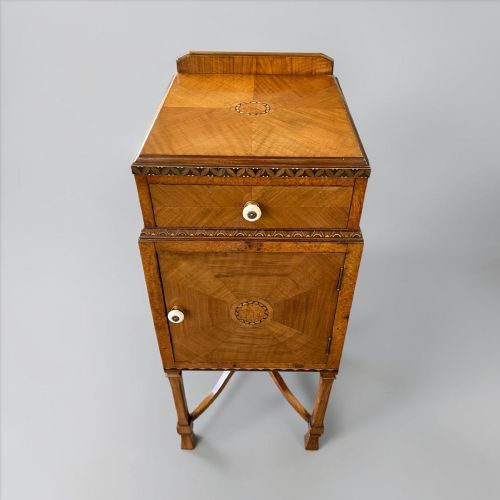
Brown Wood Inlaid Table
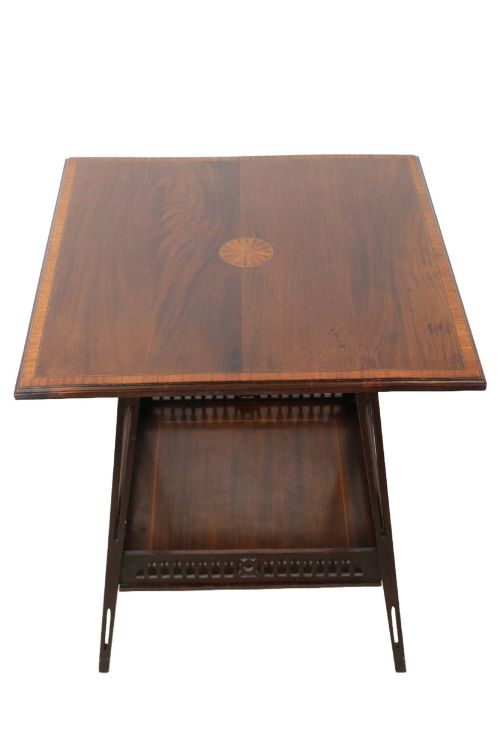
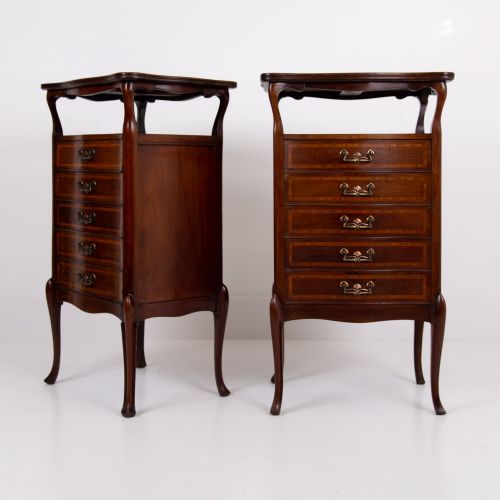
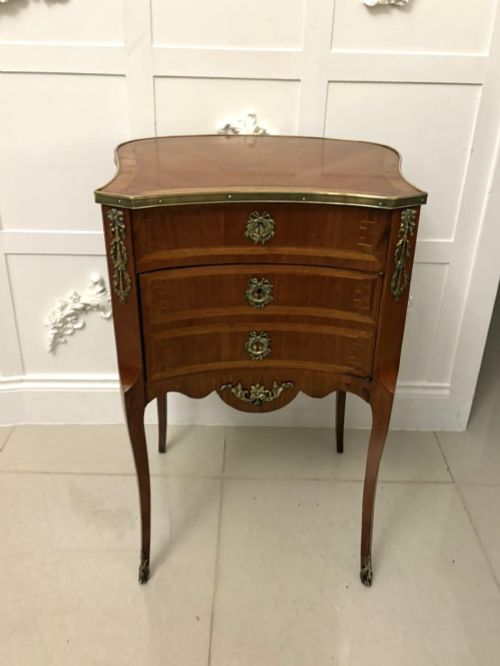
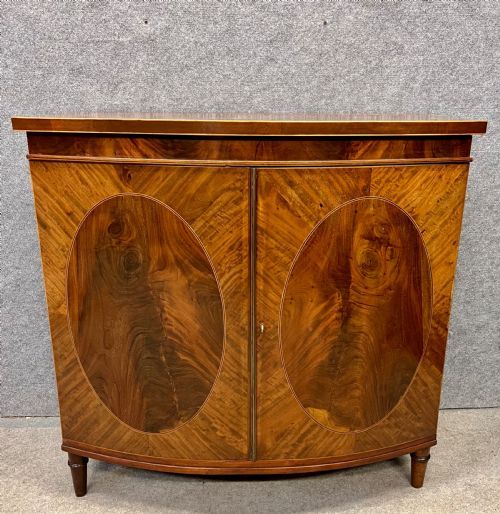
These brown wood inlaid table pieces combine rich timbers with precise decorative banding, offering practical surface space alongside historic craftsmanship.
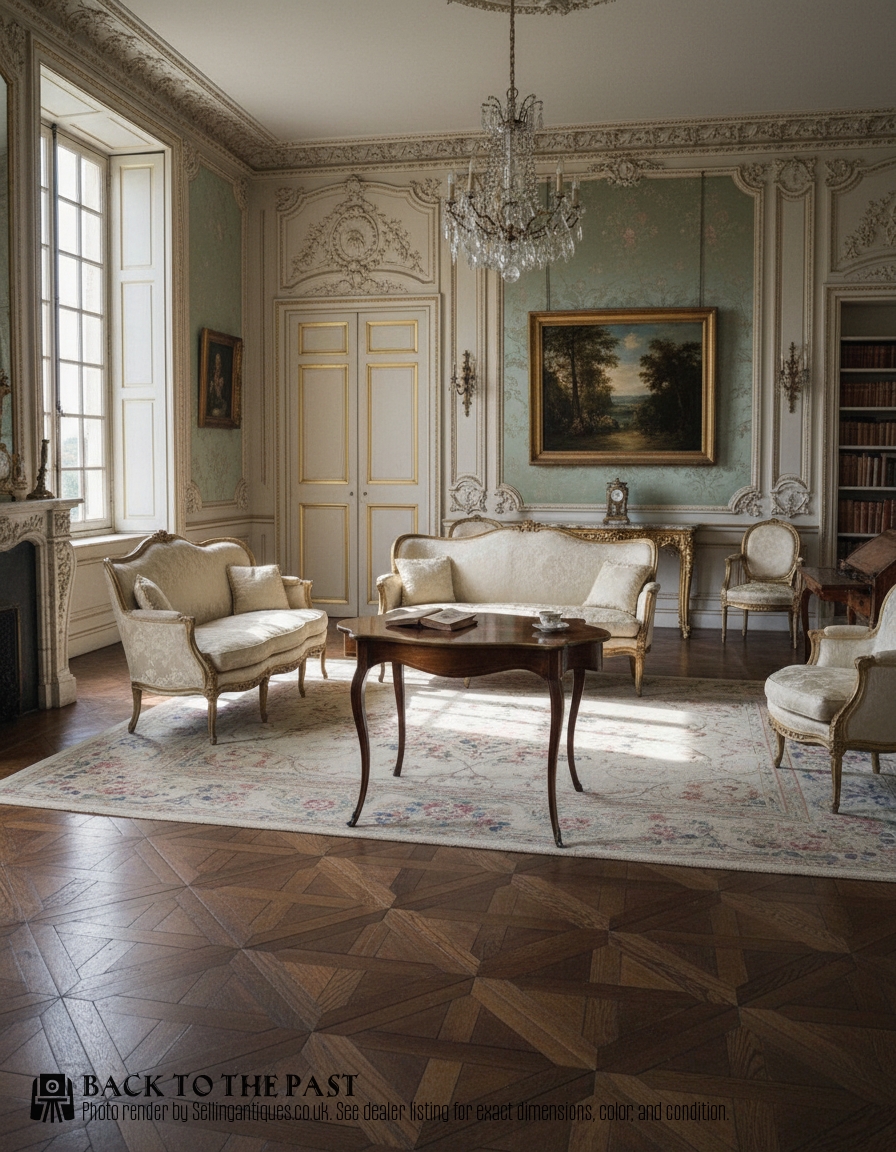
Brown Wood Inlaid Table
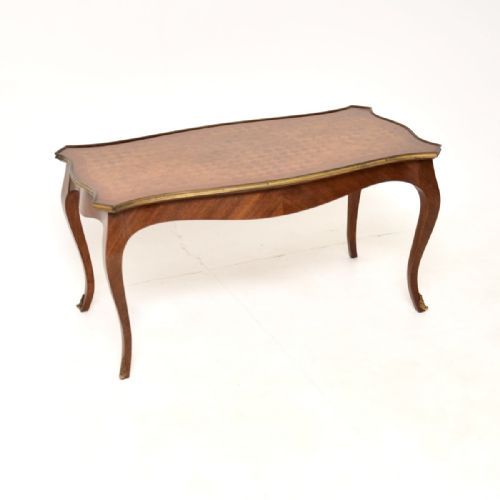
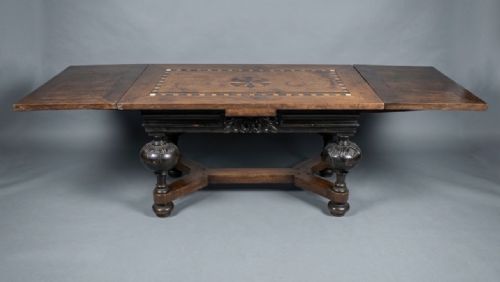
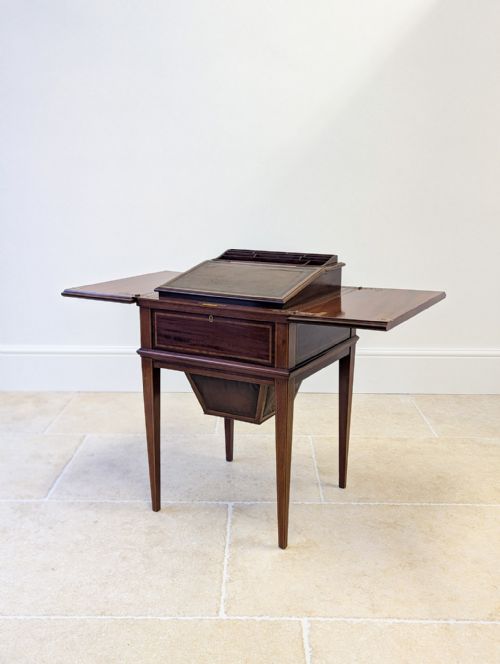
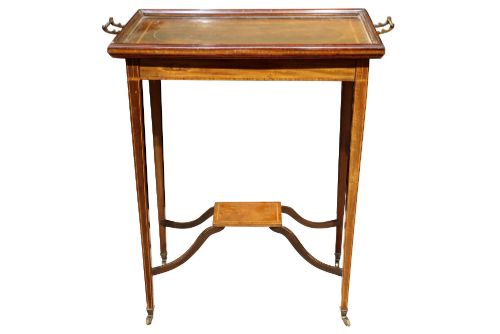
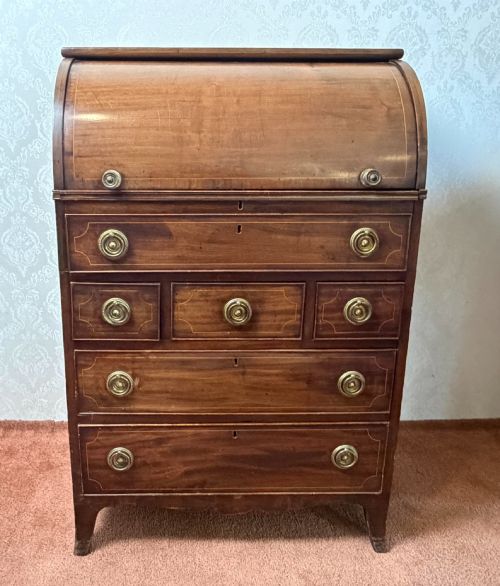
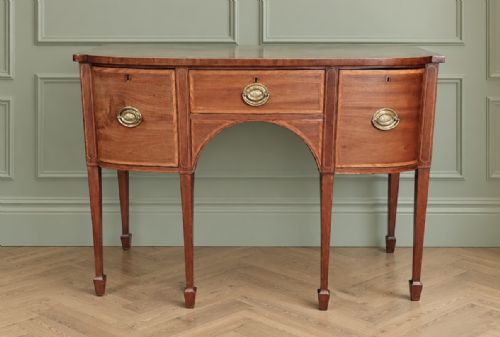
A brown wood inlaid table serves as a functional surface while displaying decorative woodworking traditions across periods from the eighteenth century through the Edwardian era. You will frequently encounter forms such as occasional tables, writing desks, coffee tables, and Pembroke tables in this selection.
The Edwardian pieces dominate the listings, alongside examples from the Georgian and Victorian periods, showcasing styles ranging from simple domestic items to revival designs. These surfaces suit daily use in reception rooms and hallways while providing distinct historic character.
Makers and workshops constructed these items using solid timbers and veneers arranged to highlight natural grain patterns alongside contrasting decorative borders.
What varies in quality
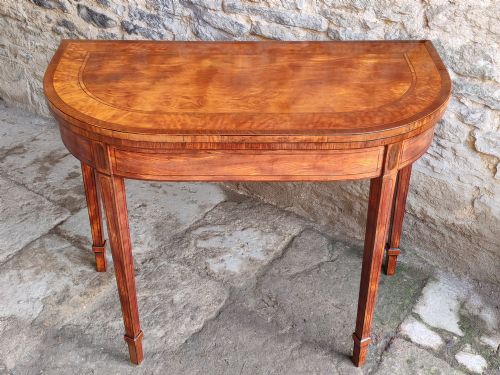
The precision of the inlay work separates simpler domestic pieces from finer workshop productions, as does the crispness of the surrounding timber mouldings. Tighter joints and cleaner contrast between woods indicate superior craftsmanship.
The choice of primary timber and veneer selection also dictates the grade of the piece, with richly figured burr walnut or select mahogany representing the more ambitious end of the maker's art.
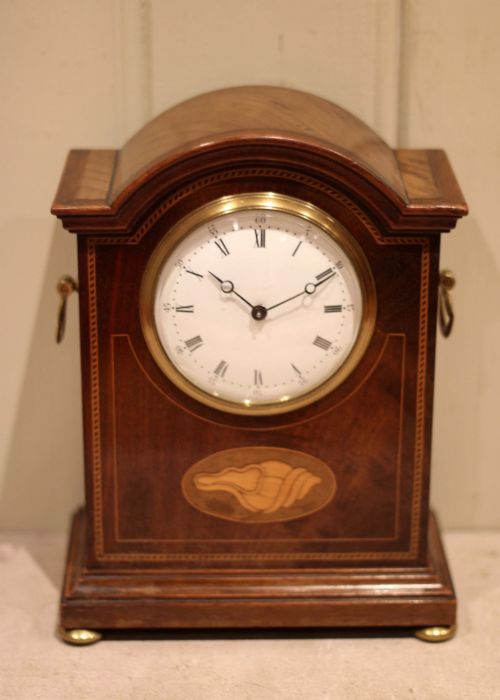
Even a humble plant stand or timepiece case received the meticulous inlay treatment.
Trevor Page And Co·Jackson And Graham
The Brown Wood Inlaid Table Glossary
- Inlay
- A decorative technique where pieces of contrasting wood, metal, or other materials are inserted into recesses within a solid timber base. This method creates flat, patterned surfaces across tabletops and cabinet fronts.
- Mahogany
- A durable tropical hardwood prized for its reddish-brown colour and stable grain, frequently utilised in Georgian and Edwardian cabinet making. It accepts fine carving and polished finishes exceptionally well.
- Satinwood
- A pale, lustrous timber native to India and Ceylon, valued for its golden yellow sheen and contrasting properties when used for banding. Makers often employed it alongside darker mahogany to accentuate borders.
- Pembroke table
- A small form of drop-leaf table featuring hinged flaps on two opposing sides, popular throughout the eighteenth and nineteenth centuries. They offer adaptable surface space for domestic settings.
- Parquetry
- A geometric mosaic of wood pieces used for covering floors or tabletops, similar to marquetry but strictly geometric in design. It creates repeating patterns across the wood surface.
Brown Wood Inlaid Table: Frequently Asked Questions
How do I care for my table?
Maintain the finish by keeping the timber away from direct heat sources and strong sunlight, which can dry out the historic wood and veneers. Dust regularly with a soft, dry cloth.
Apply high-quality beeswax sparingly when the wood appears dry, avoiding modern silicon polishes that build up over time and dull the grain.
How do I date these tables?
Examine the construction methods, timber choices, and overall design style to establish a period of origin. Georgian examples often display structural restraint and fine mahogany, while Edwardian pieces frequently combine lighter satinwood banding with informal occasional forms.
Hardware such as handles, hinges, and internal drawer construction also provide reliable clues to the decade of manufacture.
Where should I place it?
Position these surfaces in drawing rooms, hallways, or studies where their decorative timber tops can be appreciated without enduring excessive moisture or temperature swings. Smaller forms adapt easily beside seating or as lamp stands.
Ensure the table sits on level flooring to prevent strain on historical joints and hinged drop-leaves.