




Brown Wood Footrest
These brown wood footrest pieces bring period seating and low support into a room, offering practical comfort with traditional character.
Brown Wood Footrest
A brown wood footrest encompasses low stools and footstools designed to elevate the feet while seated in a chair or by the fire. The pieces found here span multiple periods, ranging from eighteenth-century examples to later twentieth-century iterations.
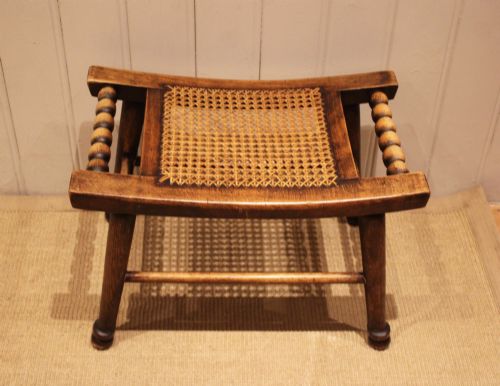
Makers produced these functional items in various forms, including small mahogany frames, burr yew wood designs, and turned beech structures. Buyers often encounter Edwardian long footstools alongside compact nineteenth-century variants.
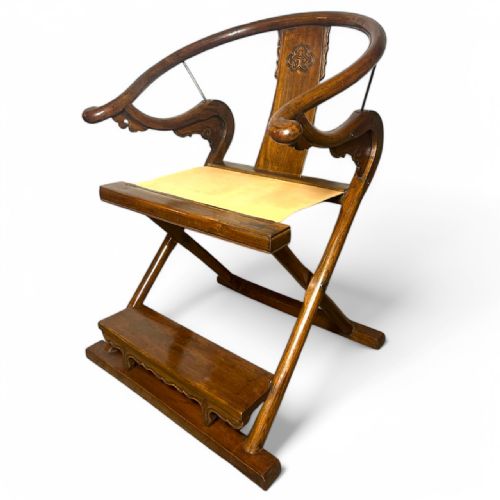
Styles range from traditional English and Victorian country vernaculars to Qing Dynasty forms and Chippendale revival pieces. Each object serves the dual purpose of domestic utility and period decorative display.
How they were made
Joiners and cabinetmakers utilised dense timbers such as mahogany, walnut, oak, elm, and beech to construct sturdy frames. Turned wood components, carved lion heads, and steam-bent elements demonstrate the range of woodworking techniques applied to these supports.
Upholstery methods varied widely, incorporating leather, tapestry, textile, and woven cane inserts like bergere. Brass accents occasionally secured joints or provided functional adjustments on specific continental models.
Listings feature mahogany, walnut, oak, elm, beech, and burr yew alongside materials like leather, tapestry, and cane.
What varies in quality
The selection of timber dictates the visual depth and structural integrity of the frame, with burr yew and figured mahogany representing finer material choices. Superior construction relies on tight joinery and well-executed turning rather than applied surface decoration.
The survival of original upholstery materials, such as early leather or authentic cane work, elevates an example's historical integrity. Coarser utility pieces show simpler secondary woods like beech and plain elm, intended strictly for domestic service.
The Brown Wood Footrest Glossary
- Bergere
- A type of closed upholstered armchair or stool featuring woven cane panels. This technique adds light texture to the wooden frame.
- Burr yew
- A prized timber harvested from yew tree growths, showing intricate grain patterns. Cabinetmakers used it for small decorative furniture.
- Turned wood
- Timber shaped on a lathe by rotating it against cutting tools. This process creates symmetrical spindles and legs.
- Mahogany
- A durable tropical hardwood valued for its rich brown colour and stable grain. It dominated fine furniture production through several centuries.
Brown Wood Footrest: Frequently Asked Questions
How do I use a footrest today?
Place the piece in front of an armchair or sofa to support your feet during relaxation. They also function well as low occasional seats when extra guests visit.
Keep the wood conditioned and avoid placing damp items directly onto the upholstery or finished timber surfaces to preserve the material.
Are these footstools sturdy enough to sit on?
Most frames are constructed from solid hardwoods like oak, walnut, or mahogany, making them structurally sound for sitting. Smaller nineteenth-century examples are primarily designed for resting feet rather than bearing full adult weight.
Examine the tightness of the leg joints and the condition of the timber before using a smaller piece as a seat.
What is the difference between Edwardian and Victorian styles?
Victorian pieces often feature darker, heavier timbers with dense carving and formal upholstery. Edwardian examples tend to show lighter construction and simpler lines.
Look at the turning style on the legs and the overall scale of the frame to help distinguish between these periods.
How should I clean the wooden frame?
Dust the timber regularly with a soft, dry cloth to prevent dirt buildup on the polished surface. Apply a traditional beeswax periodically to nourish the wood and maintain its natural sheen.
Avoid using modern aerosol polishes containing silicone, as they can degrade historical finishes over time.