
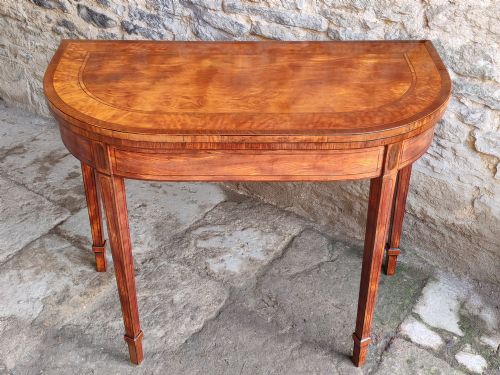
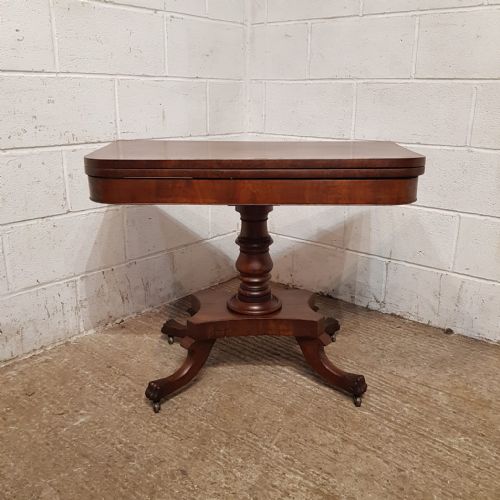

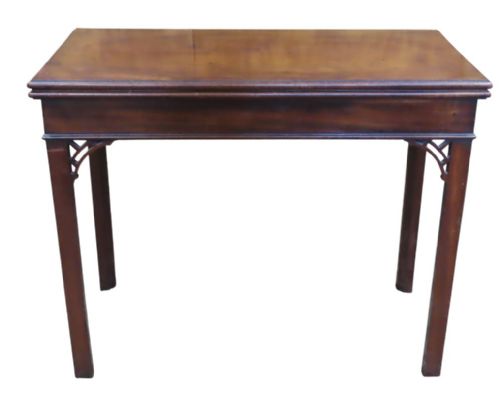
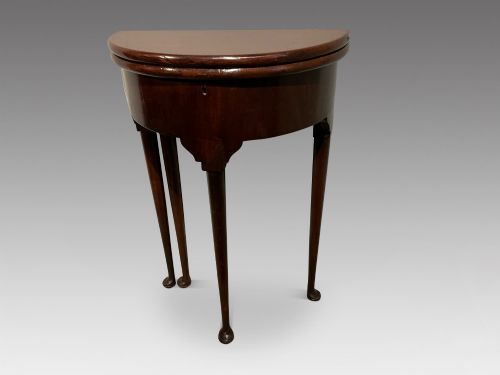
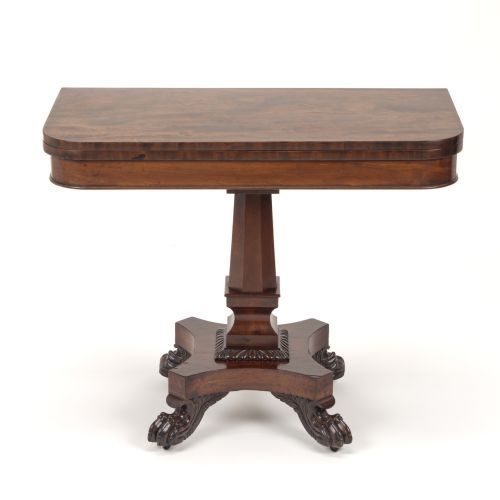
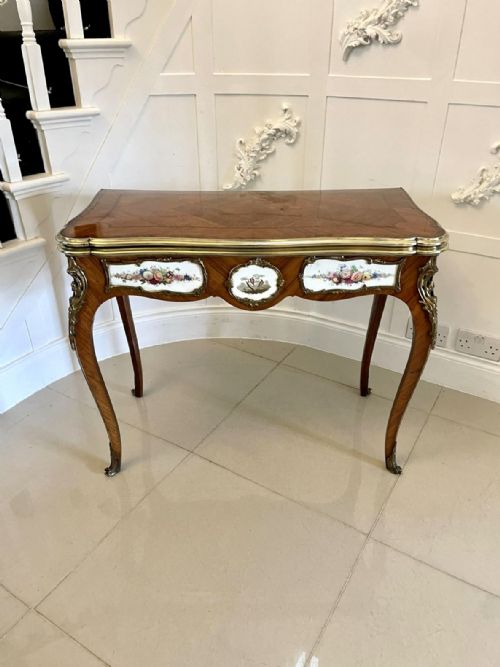
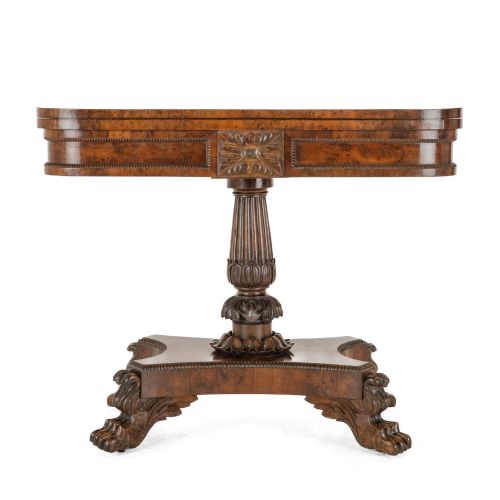
Brown Wood Fold Over Table
These brown wood fold over table pieces span Georgian tea tables to Victorian games tables, offering clever dual-purpose design for any room.
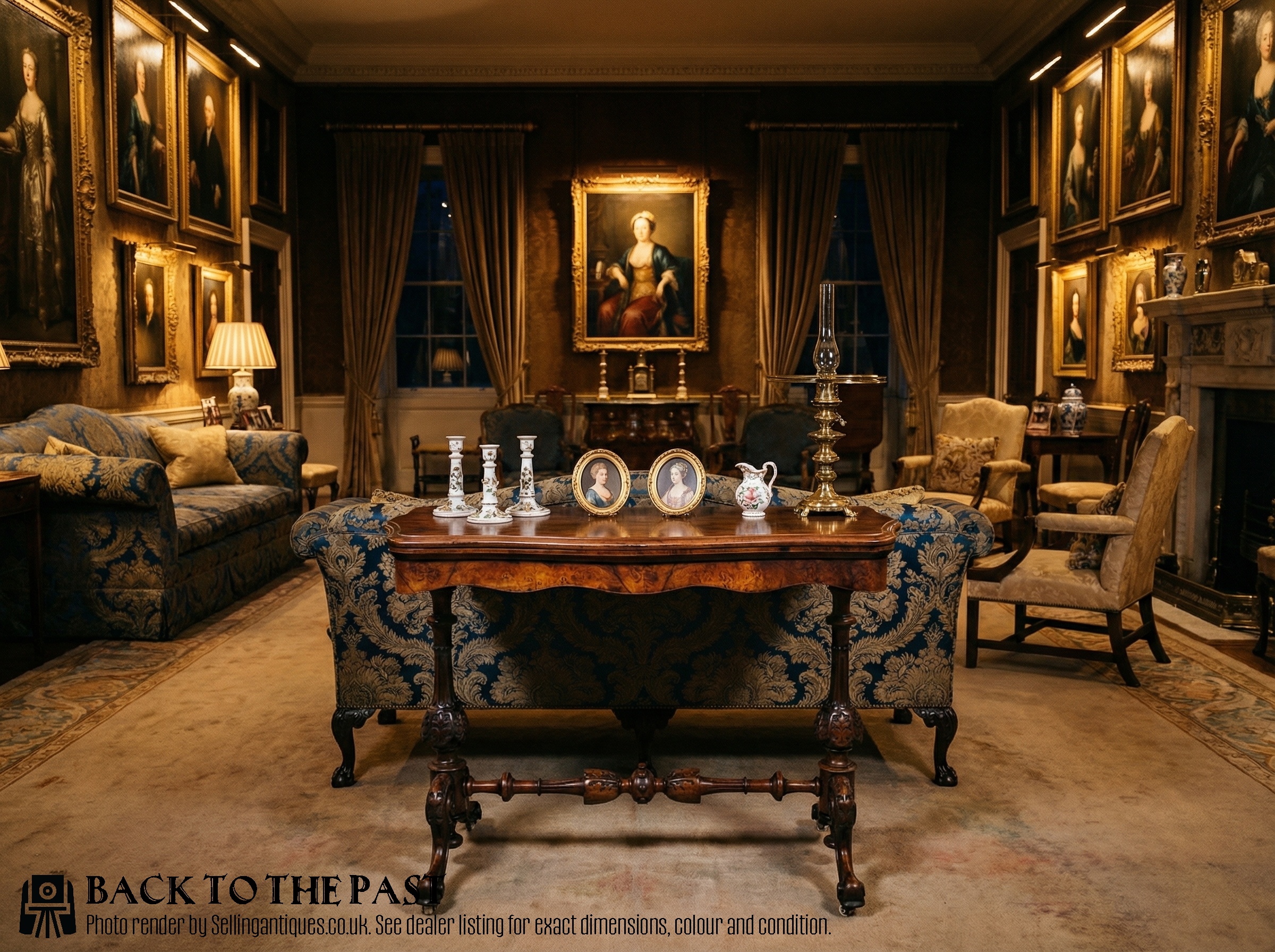
Brown Wood Fold Over Table
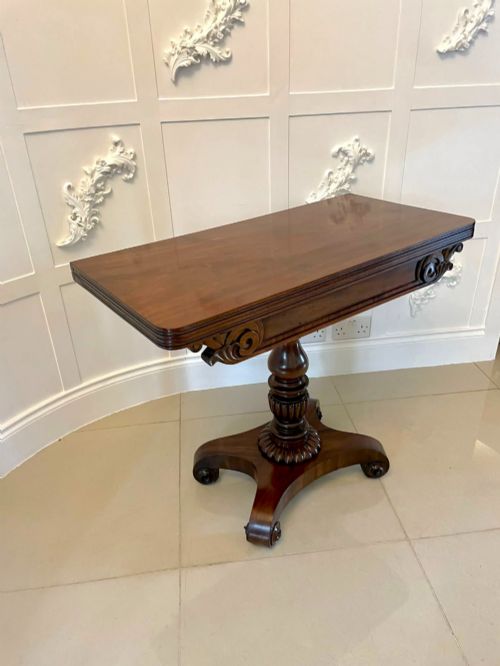
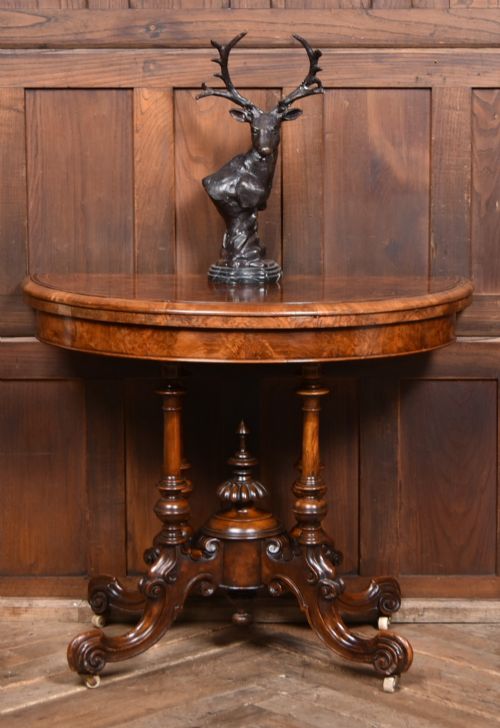
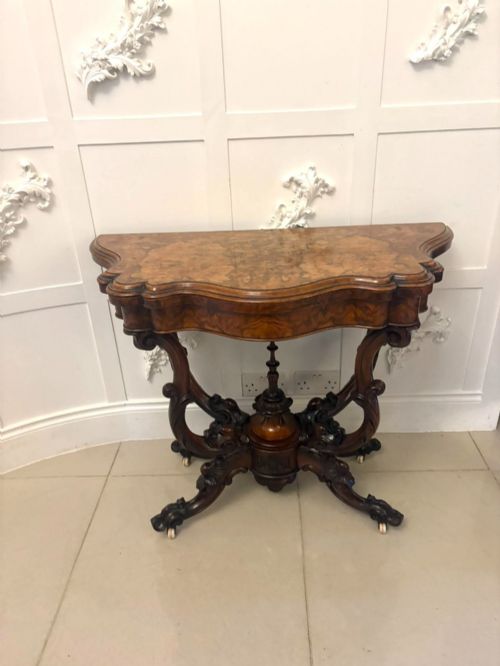
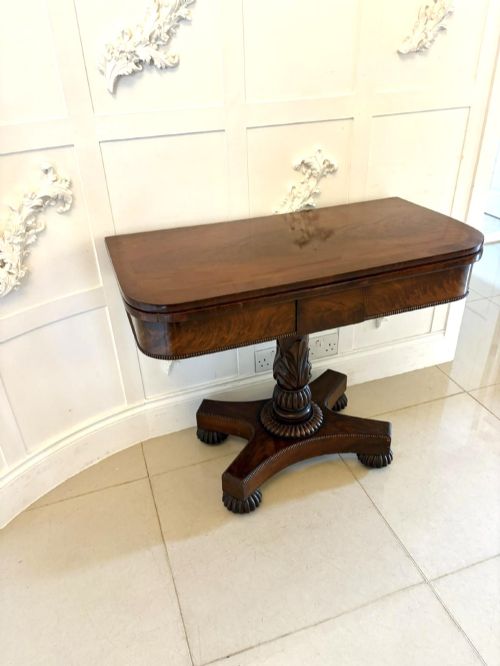
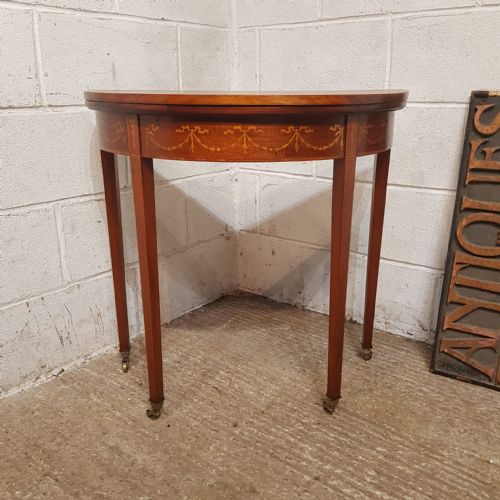
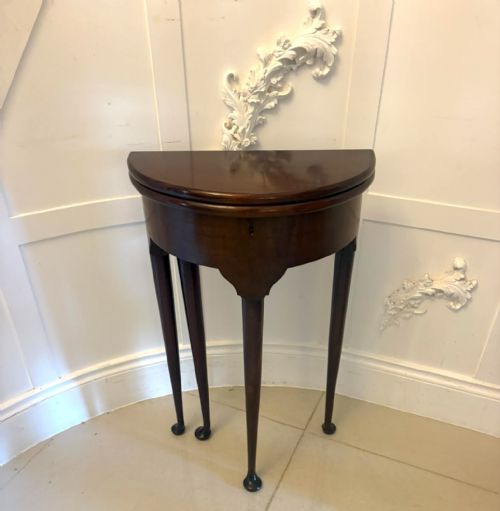
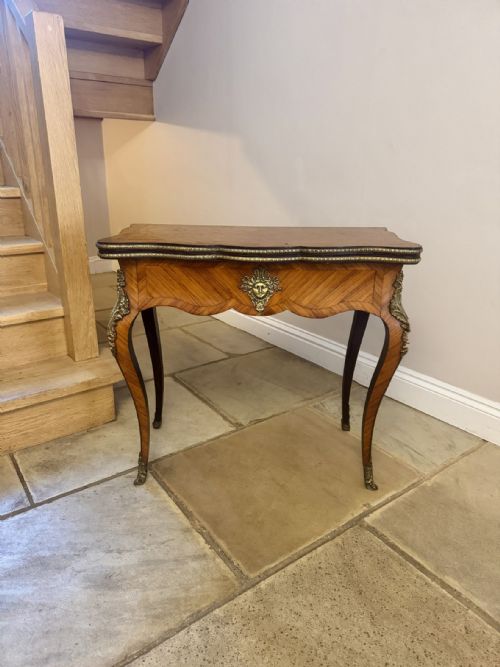
A brown wood fold over table combines compact everyday surfaces with expandable tops designed for card playing, dining, or tea. The pieces seen here span the 18th century, the Regency period, and the Victorian era, taking forms such as demi-lune, D-shaped, and serpentine shapes.
Mahogany and walnut dominate the selection, often arranged as card tables, games tables, or tea tables. Most examples operate with a swinging rear leg or a concertina action to support the doubled-over leaf when opened.
Makers and cabinetmakers of the Georgian and Victorian periods constructed these adaptable items to sit against a wall until needed for social gatherings. Buyers meet simpler mahogany tea versions alongside richly veneered walnut and kingwood pieces equipped for card games.
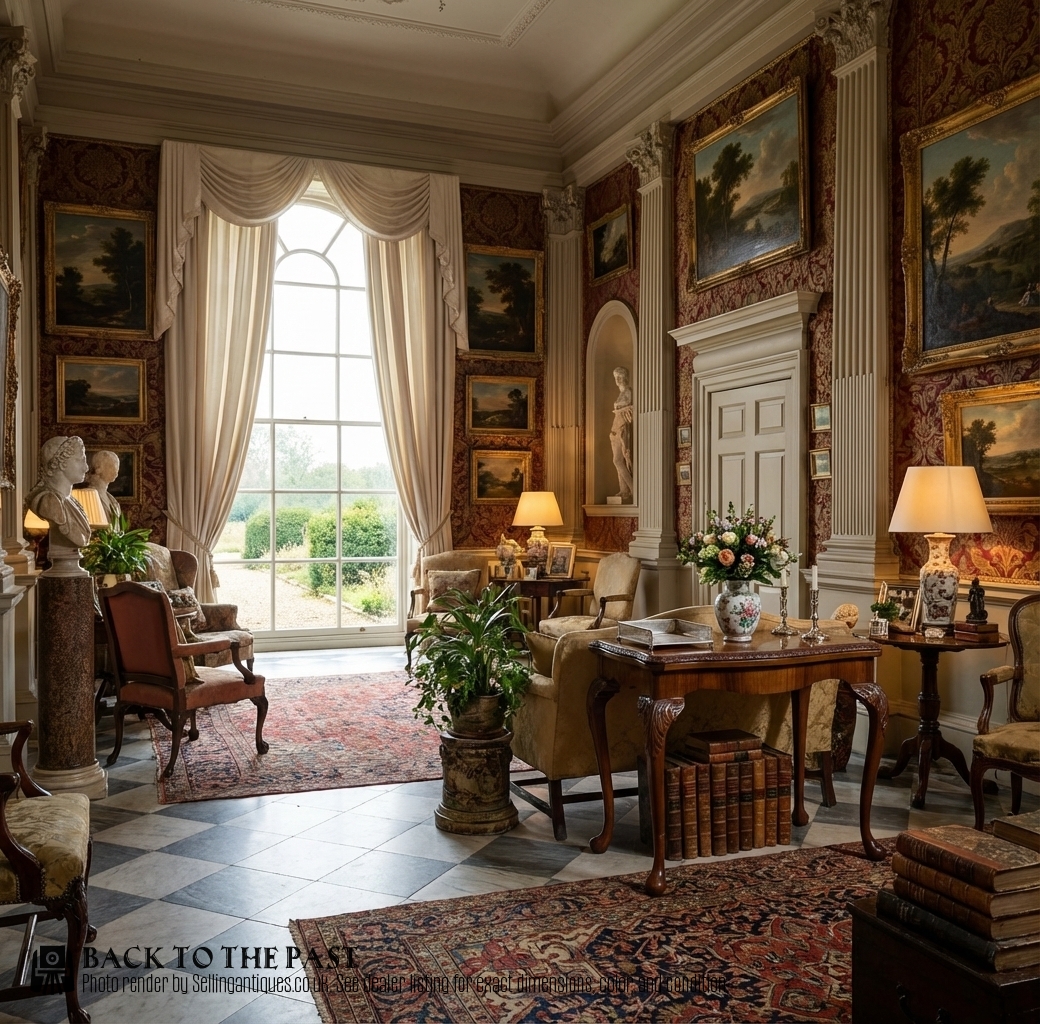
Materials and construction
Craftsmen built these tables using solid primary timbers like mahogany alongside decorative veneers such as burr walnut, satinwood, and kingwood. Inlays of boxwood and ebony frequently define the borders of the fold-over leaves.
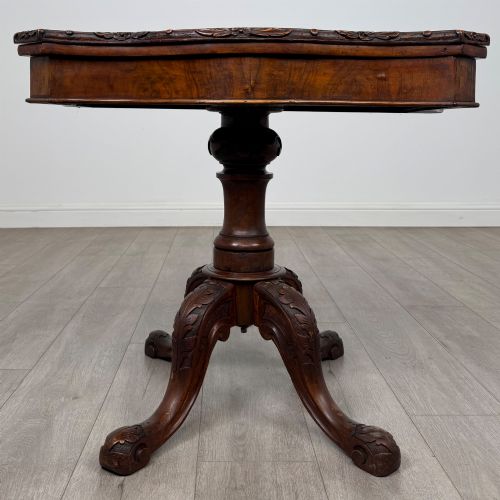
Internal framing often incorporates oak or deal, whilst brass hinges and swing brackets secure the pivoting top section. More elaborate examples integrate carved pillar bases, paw feet, or ormolu mounts to support the weight of the folding mechanism.
Listings feature woods like mahogany, burr walnut, satinwood, rosewood, and kingwood across periods from George II to Edwardian.
Distinctions in quality
Quality rests in the precision of the timber matching across the fold, where superior pieces maintain continuous grain patterns when opened. The crispness of carved details on the pillar base and the stability of the concertina or swing-leg action also separate standard workshop output from finer cabinet work.
The choice of secondary woods and the complexity of marquetry or cross-banding indicate the original maker's investment in the piece. Well-balanced proportions when closed reveal an attention to design that distinguishes better examples.
G T Morant·Edwards & Roberts·Maison Mottheau
The Brown Wood Fold Over Table Glossary
- Fold-over table
- A piece with a hinged top that doubles the surface area when unfolded. This mechanism allows a console or side table to transform into a card or tea table.
- Demi-lune
- A half-moon shape used for table tops and frames. These pieces sit flat against a wall.
- Concertina action
- An expanding framework that supports a folding table top evenly on all sides. It extends like an accordion when the leaf opens.
- Cross-banding
- A border of veneer laid with the grain running perpendicular to the main panel. This technique frames the top surface of many tables.
- Ormolu
- Gilded bronze used for decorative mounts on the corners and bases of 19th-century furniture. It appears frequently on French-influenced designs.
Brown Wood Fold Over Table: Frequently Asked Questions
What were these tables originally used for?
These pieces served multiple domestic functions in period homes, functioning as side tables or console tables against a wall during the day. When guests arrived, the top unfolded to provide a stable surface for tea drinking or card games.
Interior spaces benefited from this versatility because a single piece of furniture could change its footprint to suit the occasion without cluttering the room.
Where should I place one in my home?
A hallway, living room, or dining area suits these tables well because their folded profile requires minimal depth against a wall. They function effectively beneath a mirror or artwork as a display surface for lamps and decorative objects.
Position the table away from direct sunlight and heat sources to protect polished wood veneers from fading or drying out over time.
How do I identify the period of the table?
Examine the secondary timbers, fixing methods, and leg styles to determine the era of manufacture. Georgian pieces often display straight tapering legs and simple mahogany construction, whilst Regency examples introduce brass inlay and bolder carved feet.
Victorian tables frequently feature heavier burr walnut veneers, shaped serpentine tops, and elaborate pillar or basket bases. Examining the interior woodwork and hinge types helps confirm the age.