

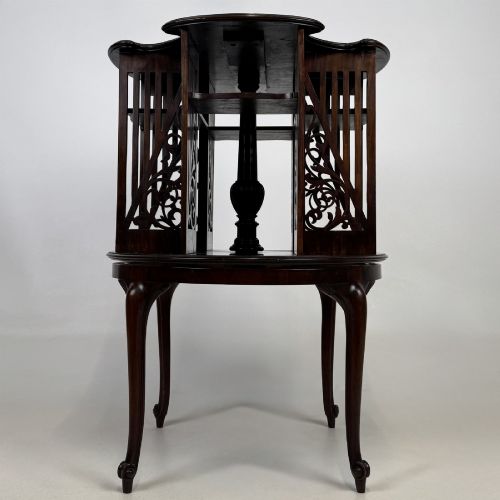
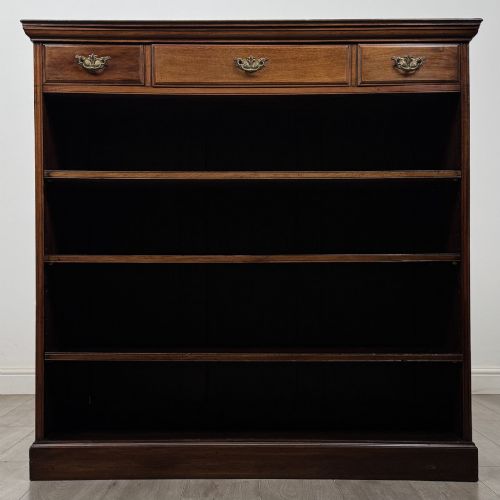
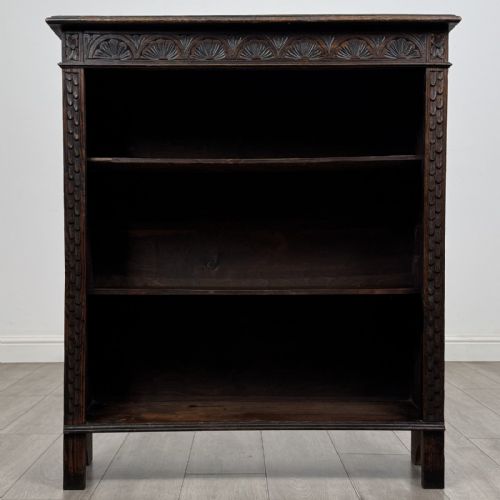
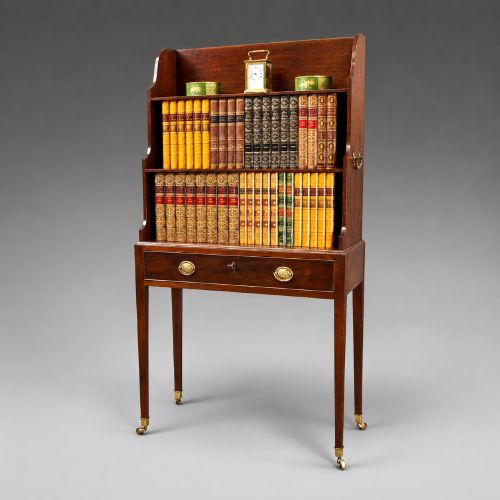
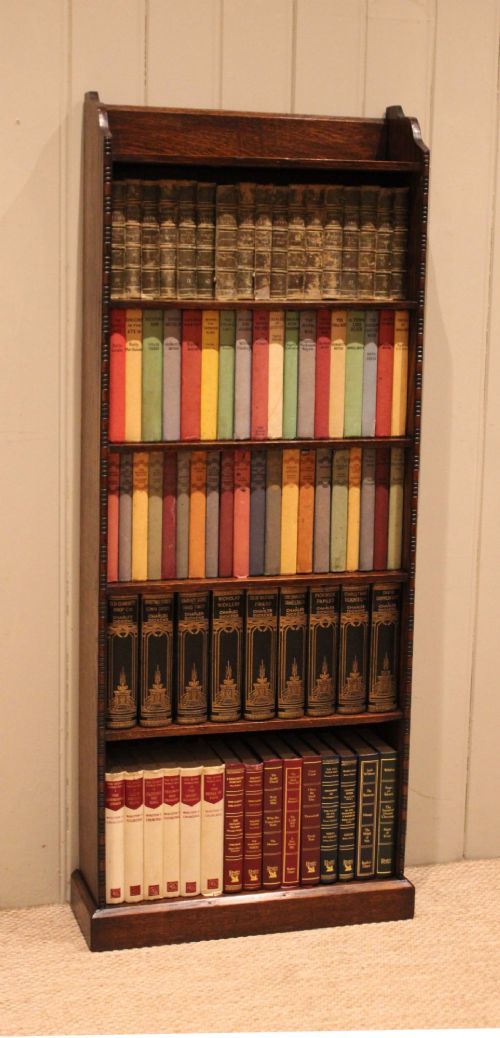
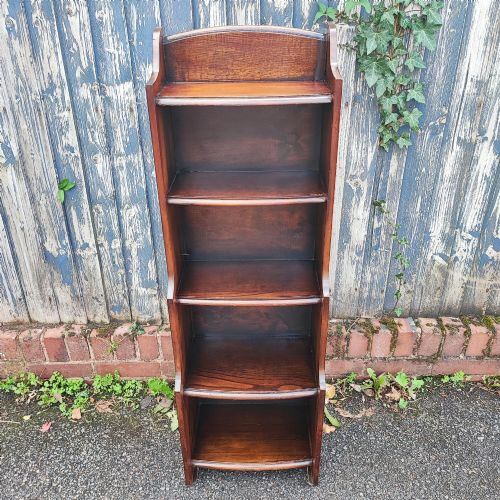
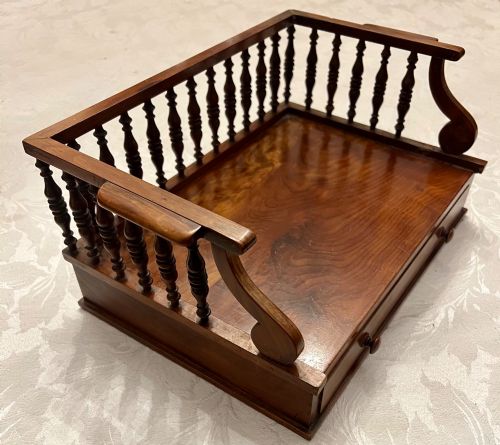

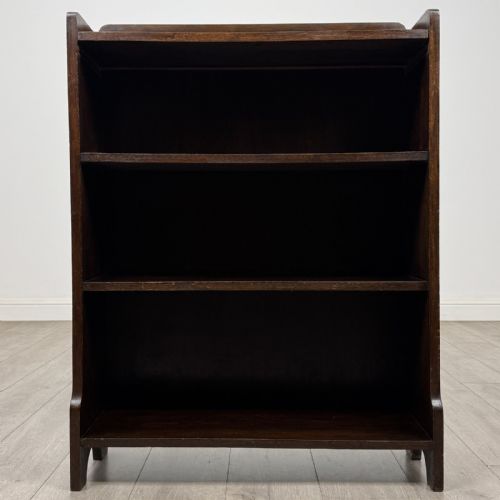
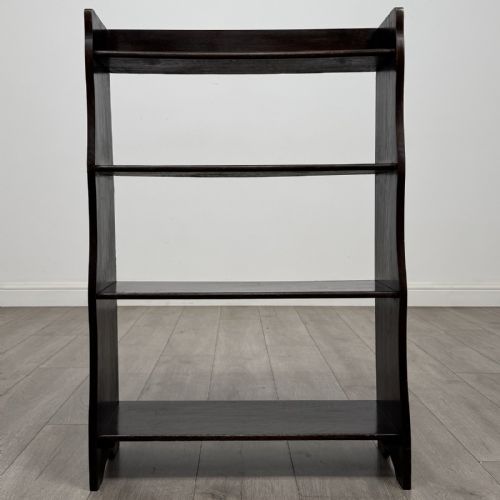
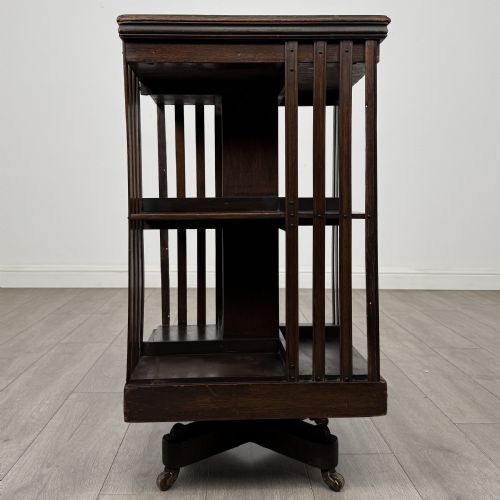
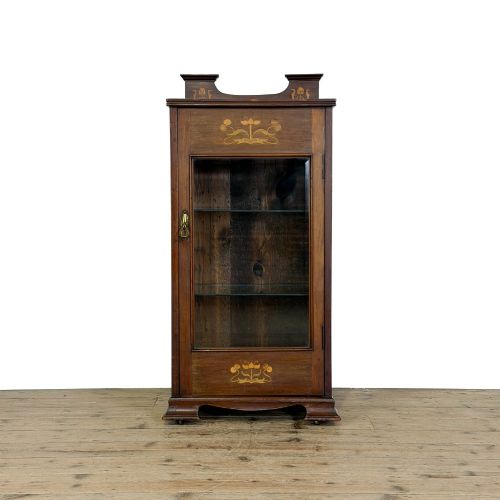
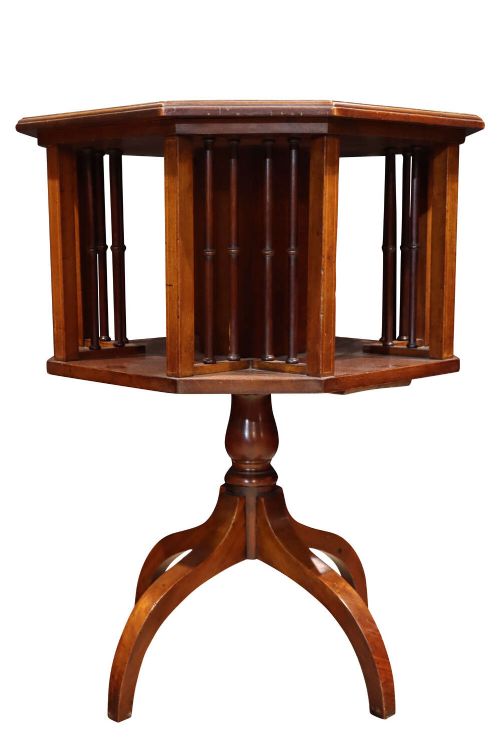
Brown Wood Book Stand
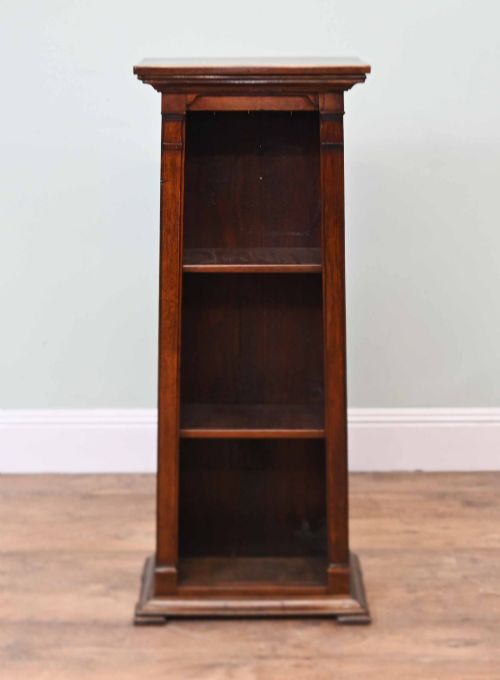
These brown wood book stand examples offer practical surface space and structural timber warmth for daily reading rooms.
How they were made
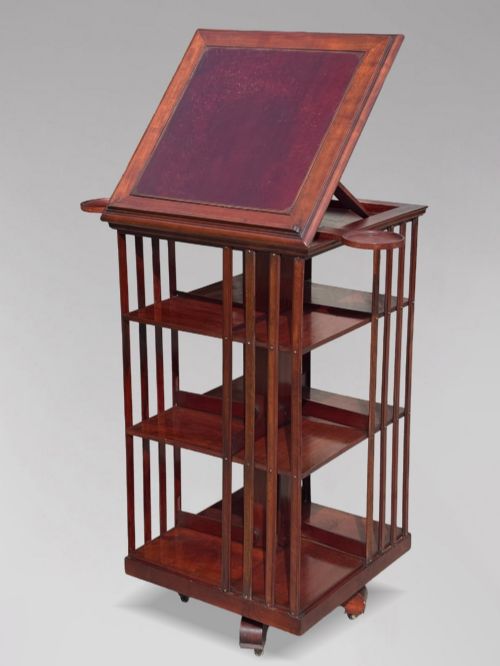
Cabinet makers utilised solid hardwoods such as mahogany and oak, often combining them with contrasting satinwood inlay or brass castors and ormolu mounts. Timbers were selected for grain pattern and strength, particularly in revolving mechanisms and adjustable reading tables.
Carving and joinery define the construction, from the intricate hand-carved owl figures of Black Forest pieces to astragal glazing bars on cabinets. Surfaces received polish or wax to highlight the natural tone of the brown wood.
What varies in quality
The standard of workmanship separates standard utility pieces from exceptional items, particularly evident in the smoothness of revolving mechanisms and the crispness of timber carvings. Superior examples display refined inlays, matched veneer grains, and original brass or bronze hardware.
Proportion and structural integrity also divide the range, as pieces with well-balanced dimensions and sound timber seasoning retain stability over generations. Original finishes and intact structural joinery command greater appreciation among collectors.
Brown Wood Book Stand Retail Price Guide 2026
Typical asking prices for brown wood book stand among the pieces listed under this phrase on Sellingantiques today, from the lower quarter to the upper quarter. They describe what is for sale here now, not the wider market.
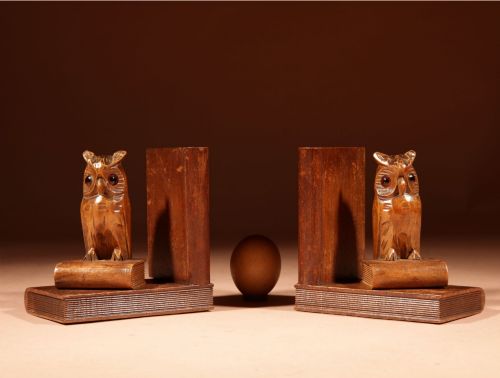
Several small timber bookstands feature carved wooden owls glaring wisely across the desk.
Shapland & Petter
The Brown Wood Book Stand Glossary
- Revolving bookcase
- A low timber stand designed to rotate on a central pivot for easy access to volumes from any angle.
- Astragal glazing
- Timber strips dividing glass panes within cabinet doors, common in Edwardian and Victorian display pieces.
- Whatnot
- A multi-tiered open stand utilised for displaying books and ornaments in nineteenth-century interiors.
- Lectern
- A slanted reading desk designed to hold large books or missals securely during study or service.
- Inlay
- The technique of embedding contrasting woods like satinwood into a primary timber base such as mahogany.
Brown Wood Book Stand: Frequently Asked Questions
What is a revolving bookstand?
A revolving bookstand is a rotating timber unit built to hold volumes accessibly on a table or floor pivot.
These pieces appeared frequently in Edwardian and Victorian libraries to maximise storage within compact spaces.
How do I date an oak bookcase?
Dating relies on observing construction techniques, timber selection, and stylistic details like mouldings or carved ornamentation.
Earlier pieces often feature heavier solid oak framing, whilst later Edwardian versions introduce lighter inlay work and brass castors.
Where were reading tables used?
Reading tables served in studies, libraries, and parlours to support heavy folios or music scores at convenient angles.
Many examples feature adjustable mechanisms or campaign folding designs for versatile placement.
What are Black Forest bookends?
Black Forest bookends are carved timber supports typically featuring animal subjects like owls, produced around nineteen hundred.
Carvers utilised linden wood and detailed hand-tooling to create expressive and amusing desktop accessories.