
Brown Wood Bench
A brown wood bench brings honest utility and enduring warmth to an interior, spanning sturdy rustic forms and polished period seating.
Brown Wood Bench
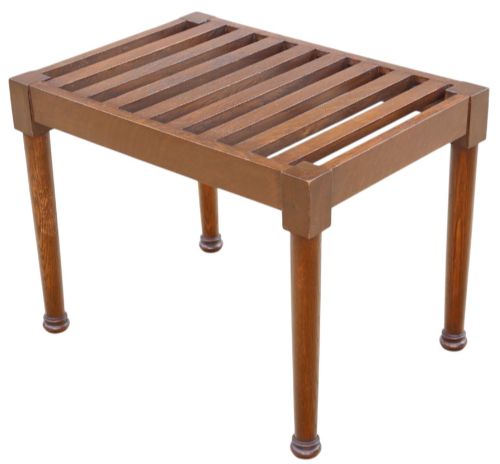
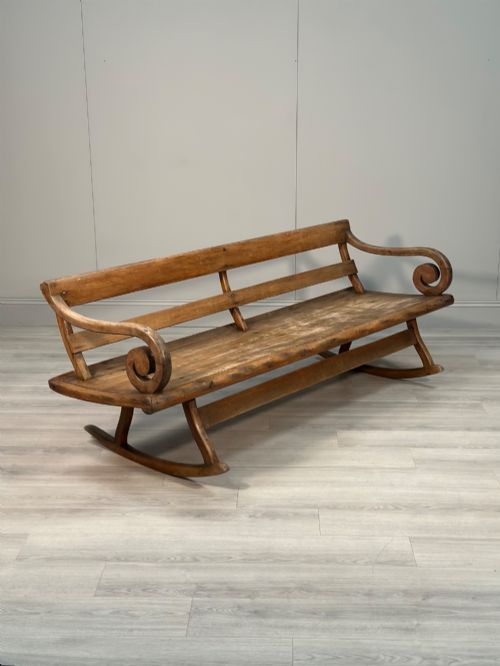
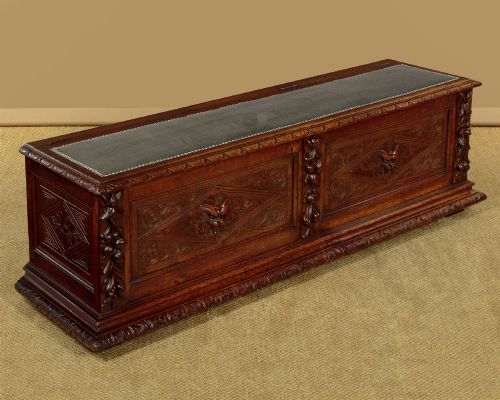
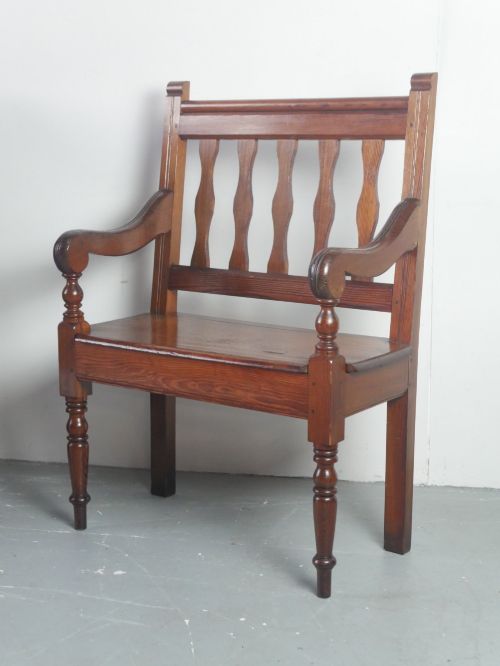
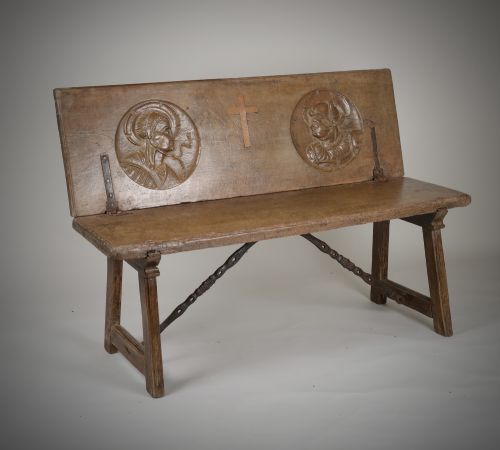
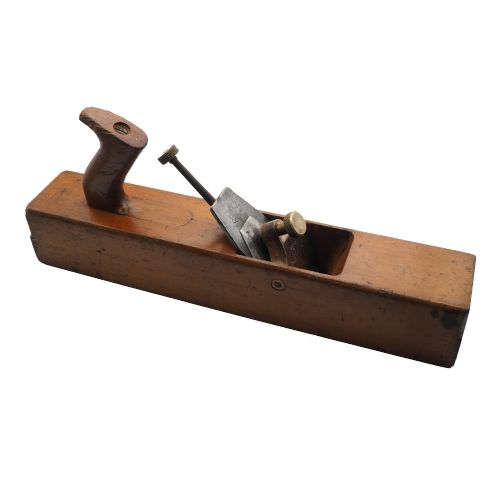
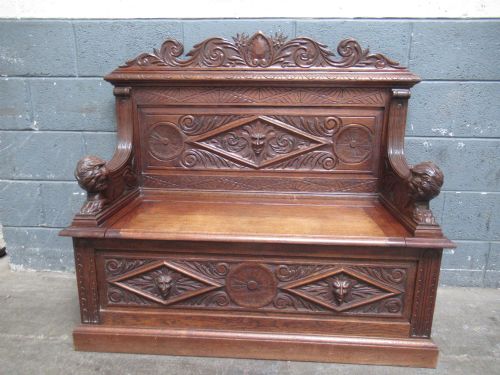
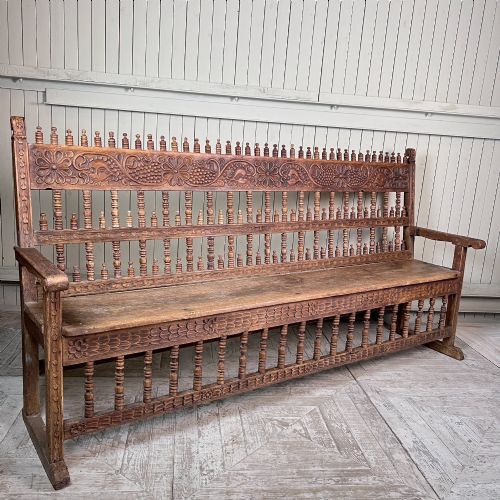
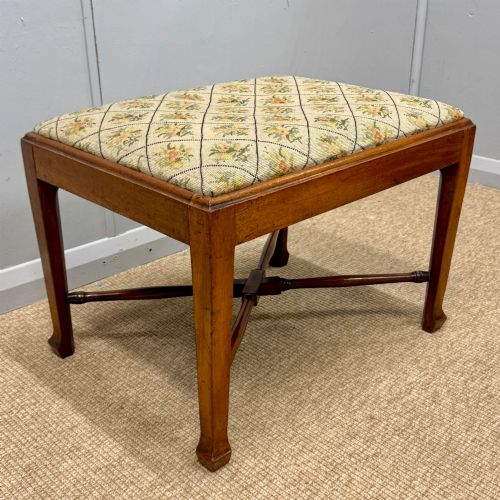
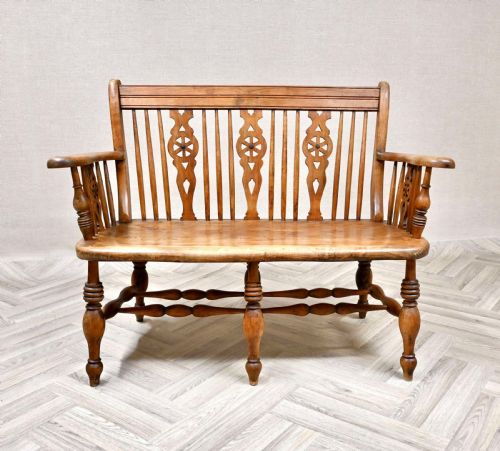
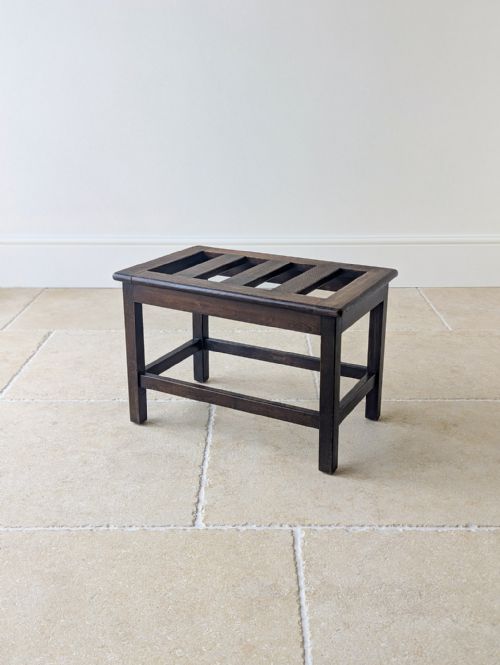
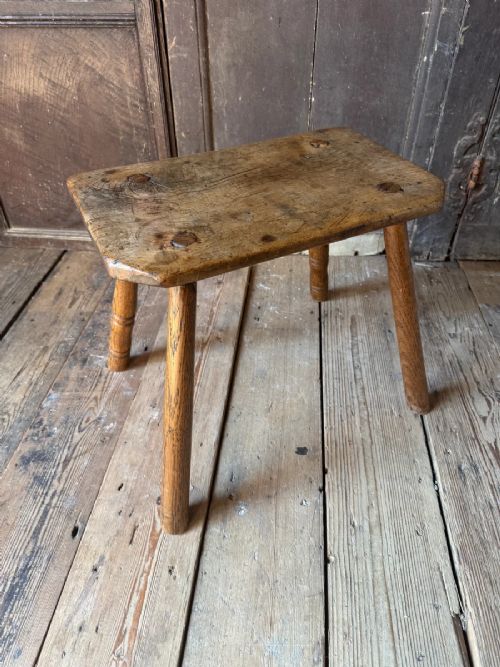
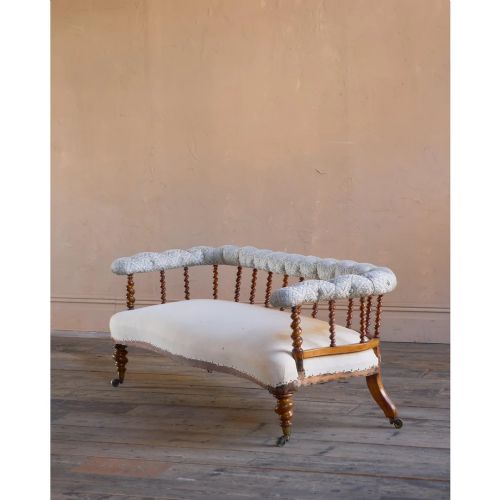
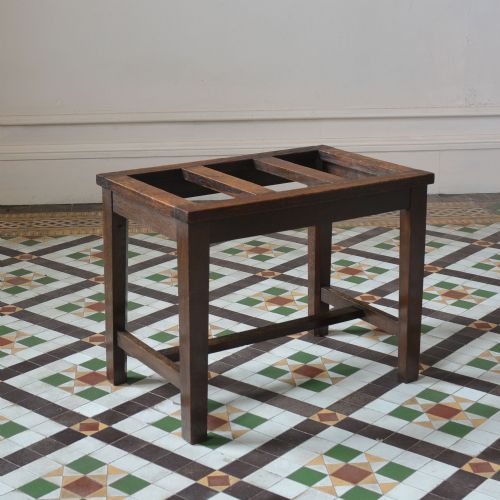
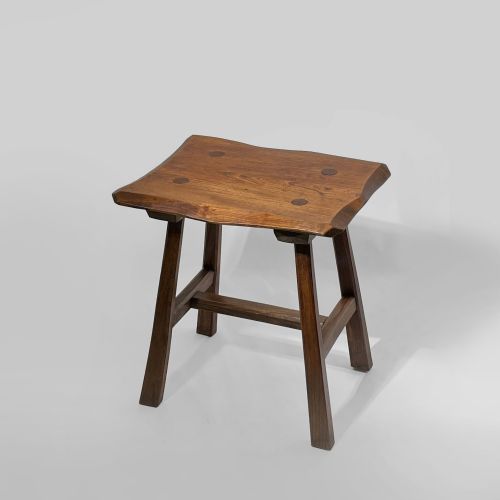
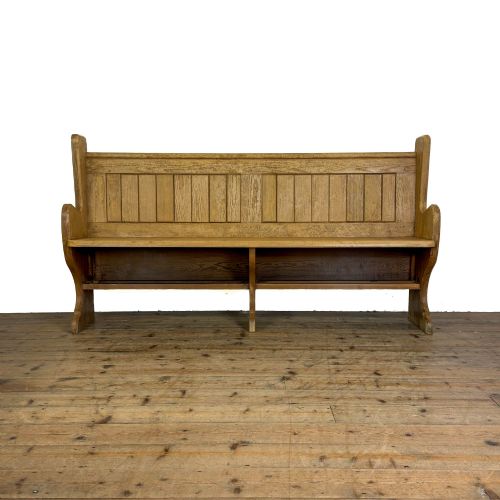
A brown wood bench encompasses a wide variety of seating forms designed for communal use, hallways, and living spaces, drawing from centuries of practical craftsmanship. When searching for a brown wood bench, buyers encounter everything from simple vernacular stools and chapel pews to carved oak box settles and mahogany luggage stands. The selection spans the nineteenth century through the Edwardian period, alongside regional variations in oak, elm, mahogany, and walnut.
Rustic country designs and formal revival styles populate the range, reflecting both utilitarian function and domestic display. Pieces range from straightforward pine and elm forms to ornate French provincial seating and Chinese hardwood altar benches. The lineage includes low tables, window seats, and x-frame stools that share a foundation in dense timber construction.
How they were made
Carpenters and joiners built these pieces using native and imported hardwoods like oak, mahogany, walnut, and cherry, often pairing solid timber planks with pegged joints and cross stretchers. Vernacular items relied on simpler regional techniques such as bodging and turning, while formal seating incorporated detailed hand carving and upholstery in leather or velvet.
Surface treatments range from waxed patinated finishes on natural grain to cinnabar lacquer and inlaid mahogany details. Structural integrity depended on traditional joinery methods, ensuring that benches and settles could withstand decades of daily service without failing at the joints.
What varies in quality
The distinction between standard utility items and finer examples rests upon the selection of timber, the crispness of hand-carved ornamentation, and the integrity of the original construction. Superior pieces display thoughtful proportions, well-figured wood grain, and minimal modern intervention in their structure.
Workmanship in joinery and turning sets the better examples apart from everyday workshop output. The presence of authentic period patination and robust framing indicates a higher standard of manufacture from regional or metropolitan makers.
C. Hindley & Sons·Thonet
The Brown Wood Bench Glossary
- Settle
- A wooden bench with a high back, solid arms, and often a storage compartment beneath the seat, designed to keep out drafts.
- Vernacular
- Everyday objects made by local craftspeople using traditional regional techniques and native materials rather than following high-style metropolitan fashions.
- Stretcher
- A horizontal timber connecting the legs of a piece of furniture to provide lateral stability and structural support.
- Box settle
- A heavy wooden seating form featuring an enclosed base accessed by lifting the seat lid, serving as both furniture and chest.
- Luggage stand
- A low folding or rigid rack traditionally placed in guest bedrooms to hold travelling trunks and bags.
Brown Wood Bench: Frequently Asked Questions
What is a wooden settle?
A settle is a traditional high-backed wooden bench with solid arms designed to shield occupants from cold draughts in older homes. Many examples include a hinged seat opening to a storage box underneath.
These pieces served functional roles in hallways, kitchens, and communal rooms before the widespread adoption of upholstered sofas.
How do I care for antique wood?
Maintain antique wooden surfaces by dusting regularly with a dry cloth and applying natural beeswax periodically to nourish the grain. Avoid placing furniture in direct sunlight or near heat sources to prevent timber splitting.
Proper environmental humidity preserves the structural integrity of pegged joints and historic finishes.
Where were luggage stands used?
Luggage stands originated in period bedrooms and grand hotels to keep travel trunks elevated for easy packing and unpacking. They combine sturdy wooden frames with supportive webbing or rails.
Today these versatile pieces often function as small side tables or luggage supports in guest spaces.
What is vernacular furniture?
Vernacular furniture refers to utilitarian pieces made by local craftspeople using regional woods such as elm, ash, and pine. These items prioritized simple construction over academic design styles.
Such furniture carries an honest aesthetic rooted in regional woodworking traditions.