


Brown Walnut Secretary Desk
These brown walnut secretary desk examples combine practical writing surfaces with concealed storage, offering enduring appeal for traditional and period interiors.
Brown Walnut Secretary Desk
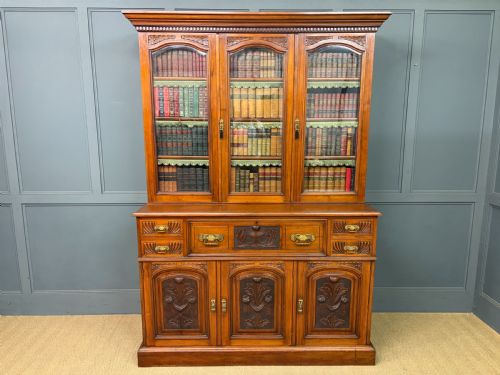
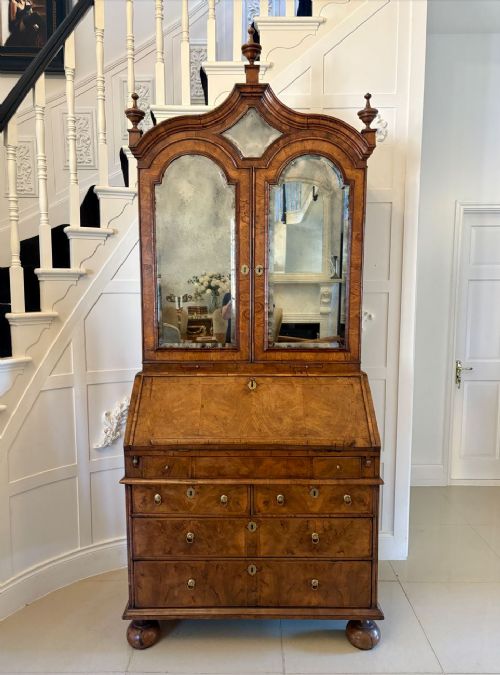
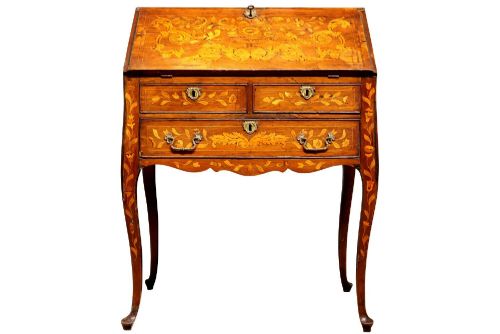
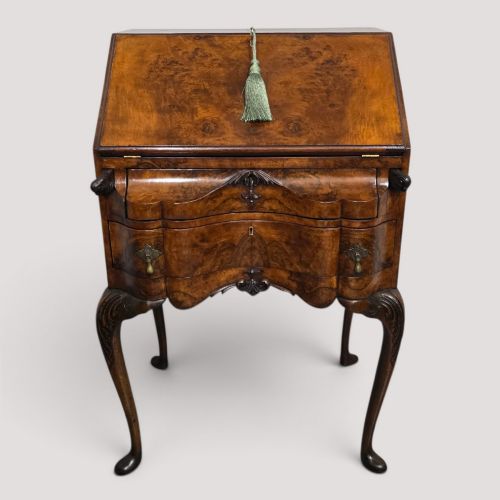
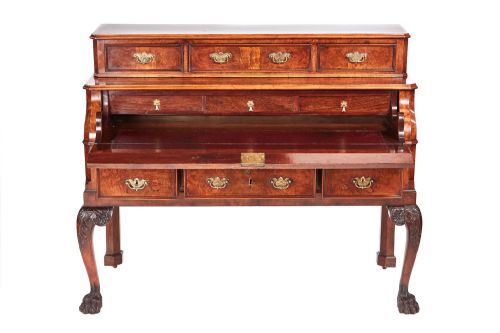
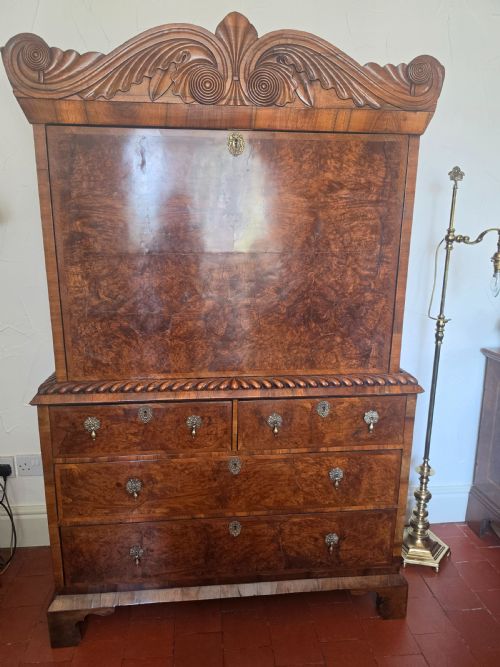
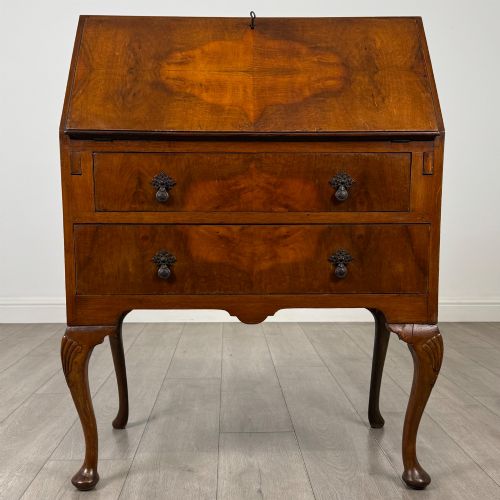
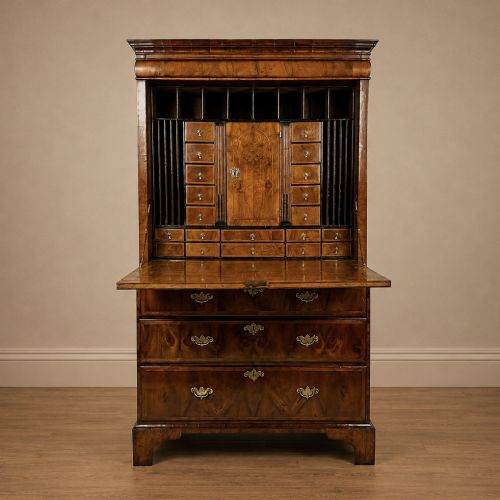
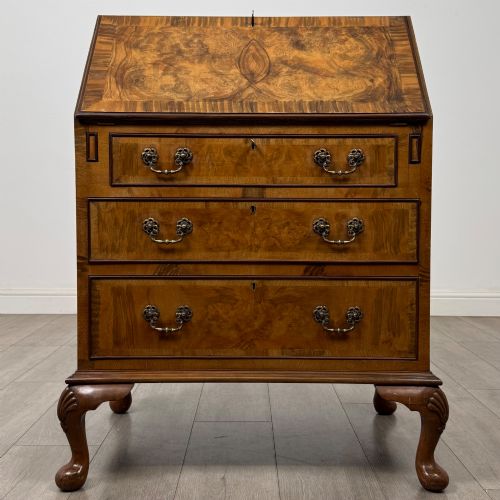
A brown walnut secretary desk unites a fitted writing compartment with enclosed shelving or drawer storage, often appearing as a bureau bookcase or drop-front writing cabinet. These pieces span centuries of cabinetmaking, featuring heavily in 18th-century Georgian and Queen Anne outputs as well as later 19th-century Victorian and 20th-century revivals.
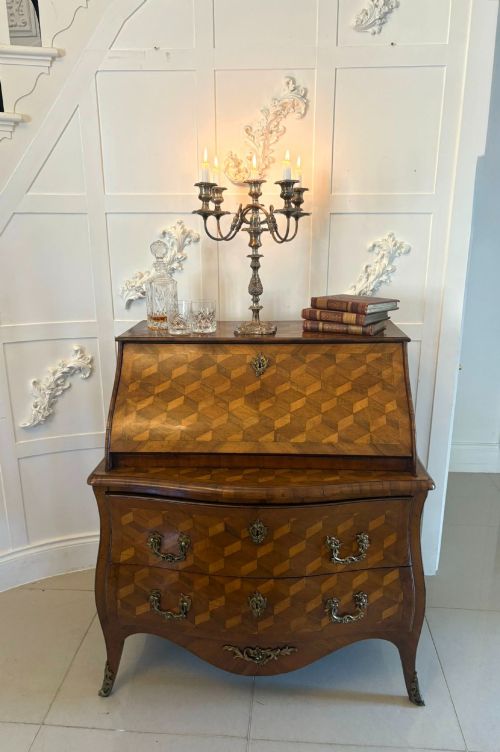
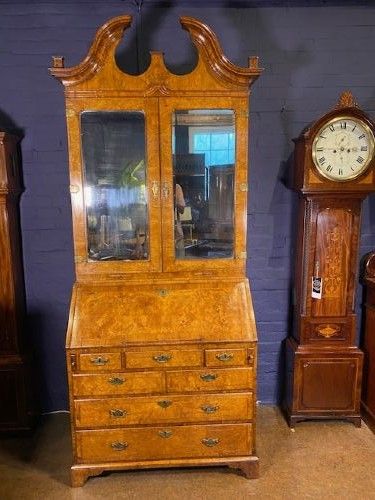
Buyers encountering this selection will find formats ranging from compact fall-front tables to towering double-dome bureau bookcases with glazed upper cabinets. Woods such as burr walnut veneer, plain walnut, and fruitwood dominate the construction, frequently accented by marquetry or featherbanding.
Materials and construction methods
Cabinetmakers utilised solid walnut and burr walnut veneer applied to secondary structural timbers such as oak or elm. Marquetry inlay, parquetry, and fine featherbanding decorate the primary surfaces of many pieces, particularly Dutch and English examples.
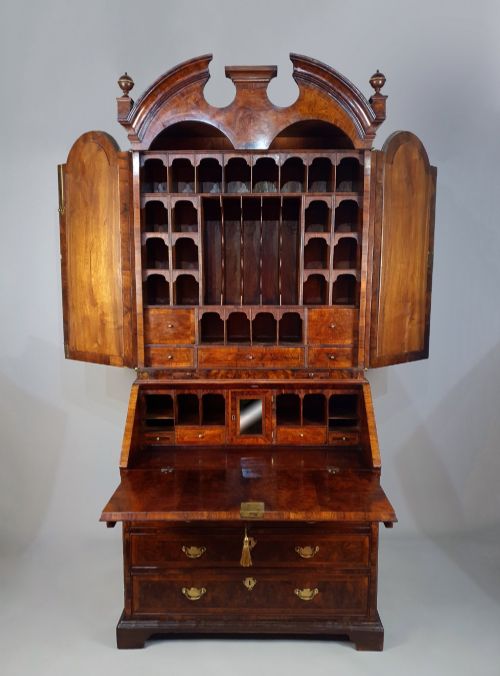
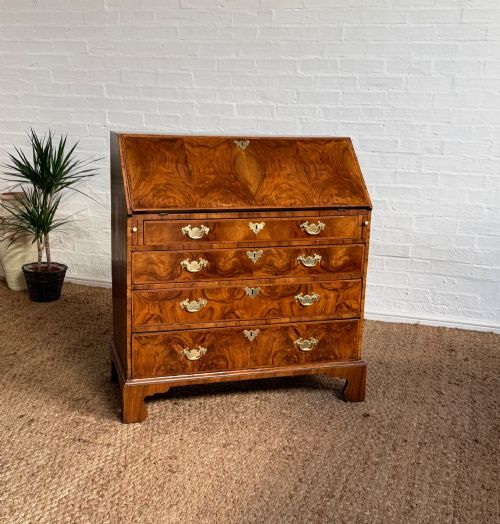
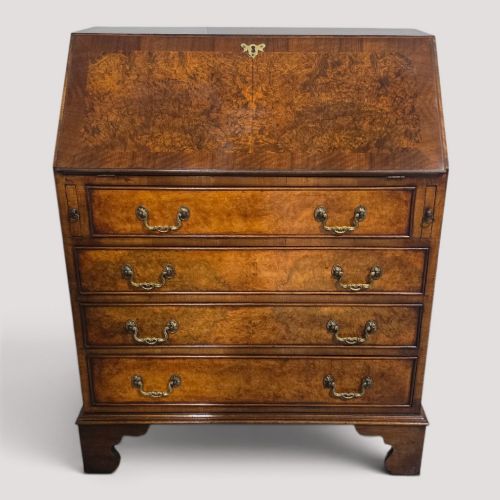
Hardware consists of brass drop handles, escutcheons, and original ironwork, while writing surfaces often incorporate inset red leather panels. Internal arrangements utilise small drawers and pigeonholes constructed from secondary woods like fruitwood.
Several pieces conceal secret inner compartments designed for stashing love letters or coin purses away from prying eyes.
Factors determining quality
The choice of timber grain defines the visual impact, with figured burr walnut and symmetrical veneer matching marking out superior cabinetwork. The intricacy of internal pigeonholes, secret compartments, and original brass hardware further distinguishes higher-tier pieces.
Structural integrity relies on the retention of original drawer linings, backboards, and stable fall-front mechanisms. Regional decorative techniques, such as floral marquetry or bombé shaping, indicate specialised workshops operating in England, Italy, or the Netherlands.
F.H. Marshall & Co Glasgow
The Brown Walnut Secretary Desk Glossary
- Bureau bookcase
- A writing cabinet featuring a sloping fall-front desk base combined with an upper shelved cabinet enclosed by doors.
- Burr walnut
- Timber taken from a tree growth or burl, yielding highly figured, swirling grain patterns prized by cabinetmakers.
- Fall-front
- A hinged writing flap that pulls down to reveal an interior fitted with small drawers and pigeonholes.
- Featherbanding
- A decorative inlay technique using veneer strips arranged in a herringbone pattern around panel borders.
- Marquetry
- Elaborate decorative patterns created by fitting together small pieces of tinted wood, ivory, or metal veneer.
Brown Walnut Secretary Desk: Frequently Asked Questions
What is a secretary desk?
A secretary desk is a form of writing furniture that combines a sloping or drop-front writing surface with concealed compartments and drawers. Many versions also incorporate an upper bookcase section with glazed doors.
These pieces served as private workspaces and storage cabinets for correspondence and valuable documents in domestic settings.
How do I identify a Queen Anne walnut desk?
Queen Anne walnut desks typically feature simple, elegant proportions, book-matched burr walnut veneers, and brass hardware. They often stand on cabriole legs ending in pad feet.
Interior compartments usually contain stepped drawers and hidden compartments surrounding a central well.
What is the difference between an escritoire and a bureau?
An escritoire generally refers to an upright writing cabinet with a fall-front panel that drops down to form a flat desk. A bureau more commonly describes a desk base with a sloping lid.
Both forms utilise internal drawers and pigeonholes to organise writing materials.
How should I care for walnut veneer furniture?
Walnut furniture requires placement away from direct sunlight and heat sources to prevent the wood and veneer from drying out. Regular dusting with a dry, soft cloth maintains the polished finish without moisture damage.
Application of appropriate wax helps preserve the natural lustre of the timber over time.