

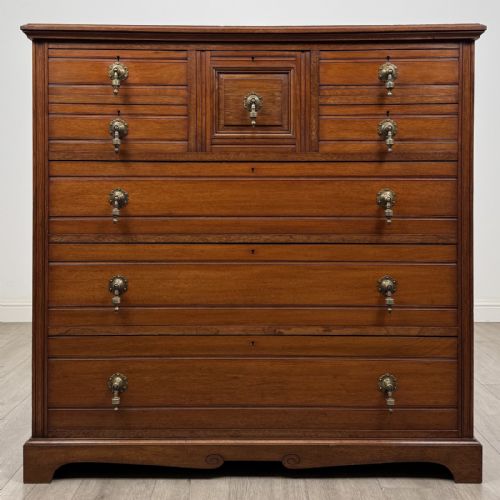
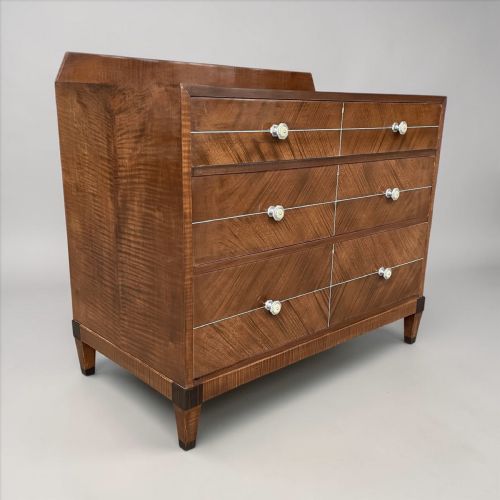
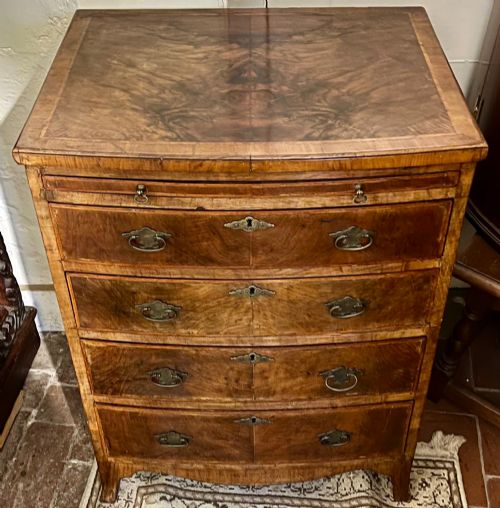
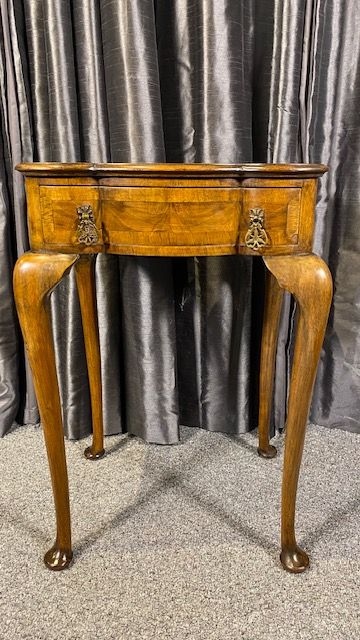
Brown Walnut Drawers
These brown walnut drawers encompass centuries of skilled joinery, offering rich timber surfaces and practical storage for any room.
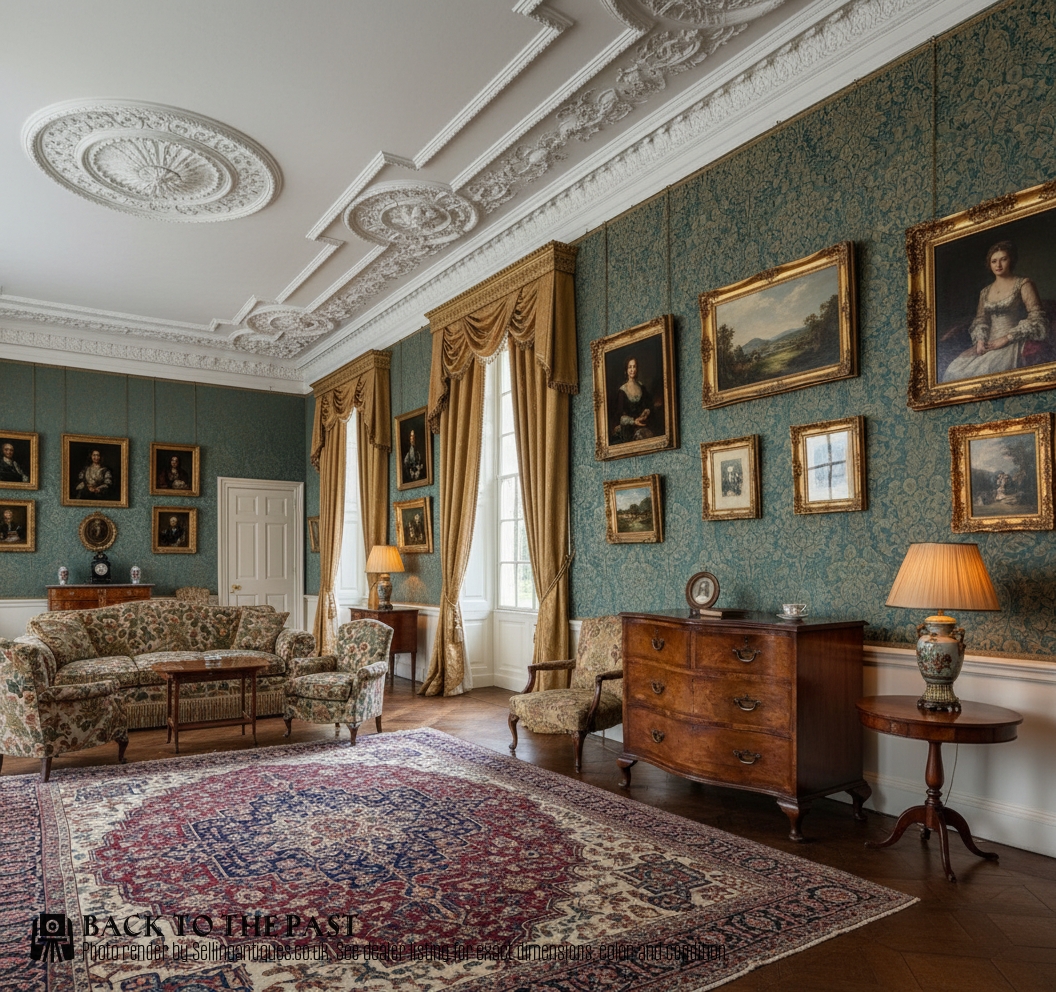
Brown Walnut Drawers
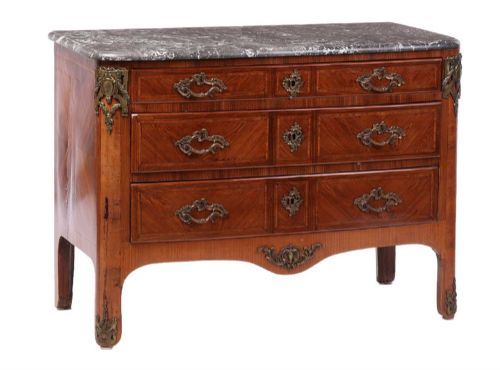
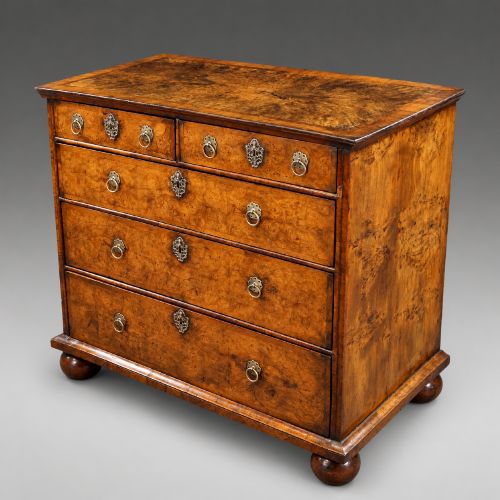
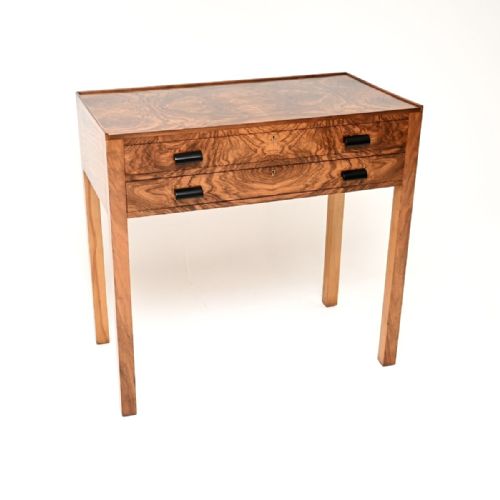
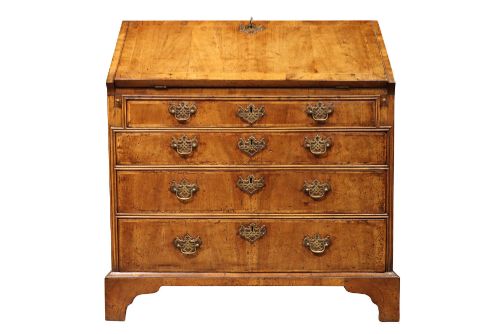
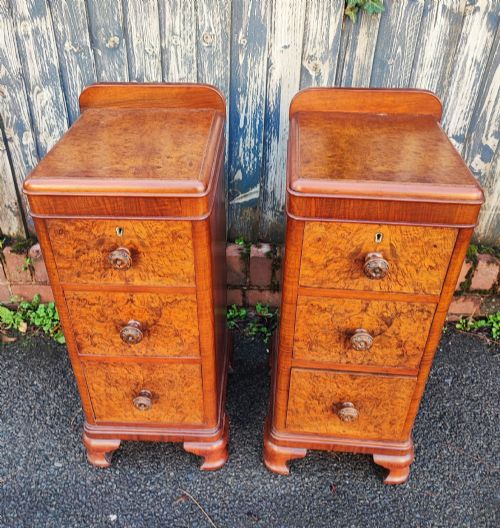
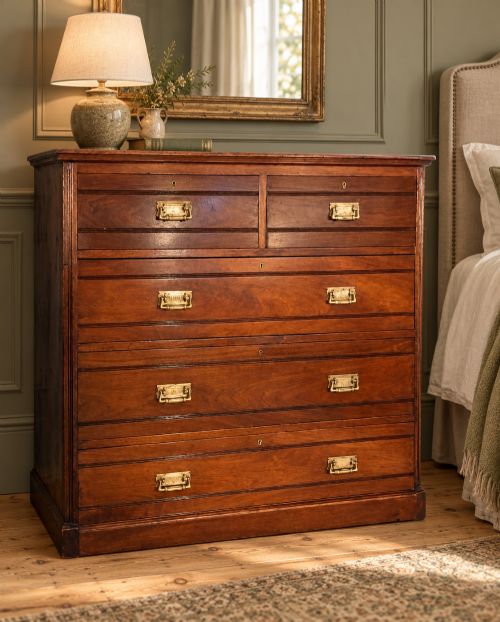
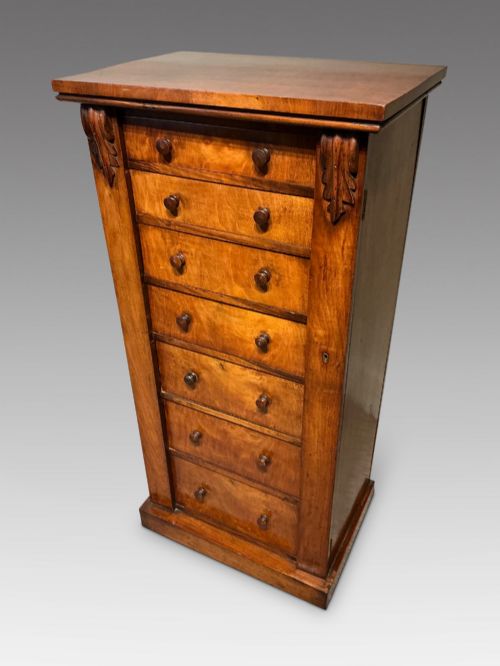
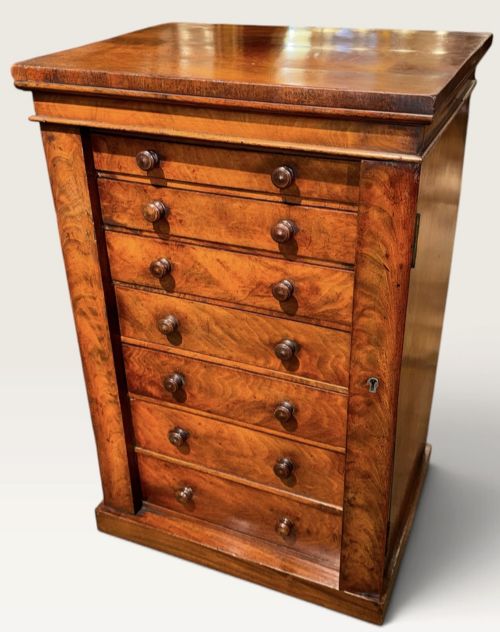
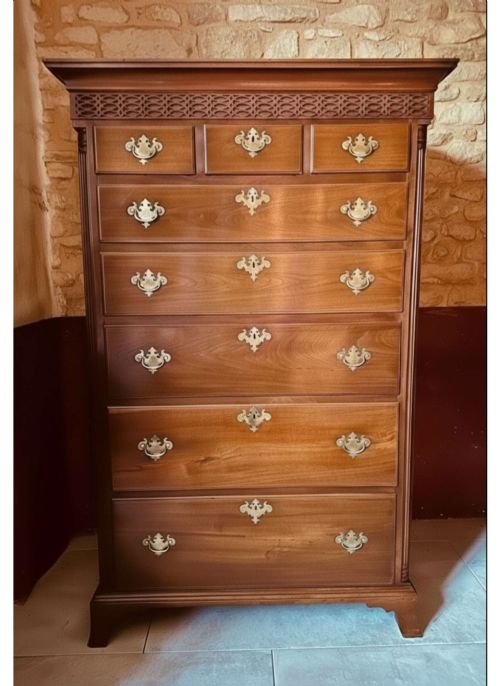
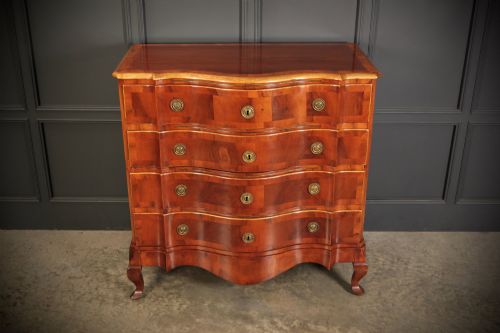
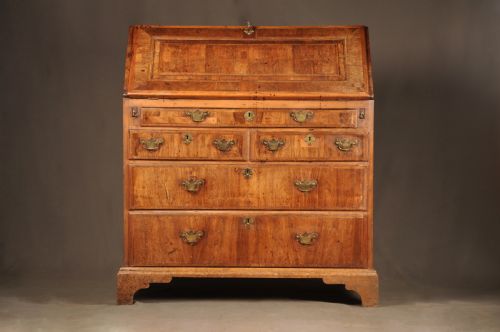
Brown walnut drawers span several centuries of cabinet making, appearing in forms such as chests of drawers, bureaux, and pedestal desks. The pieces listed now originate from periods including the Georgian era, the Victorian period, and the 1930s, alongside earlier 18th century examples. Buyers searching this phrase encounter everything from compact bedside chests to large serpentine commodes.
The domestic storage pieces on this page reflect diverse stylistic revivals and regional designs, including Queen Anne, William and Mary, and Art Deco influences. Chests and desks frequently incorporate secondary woods like pine and oak behind decorative exterior veneers. Proportion and scale vary widely across these historical periods, from diminutive apprentice pieces to substantial tallboys.
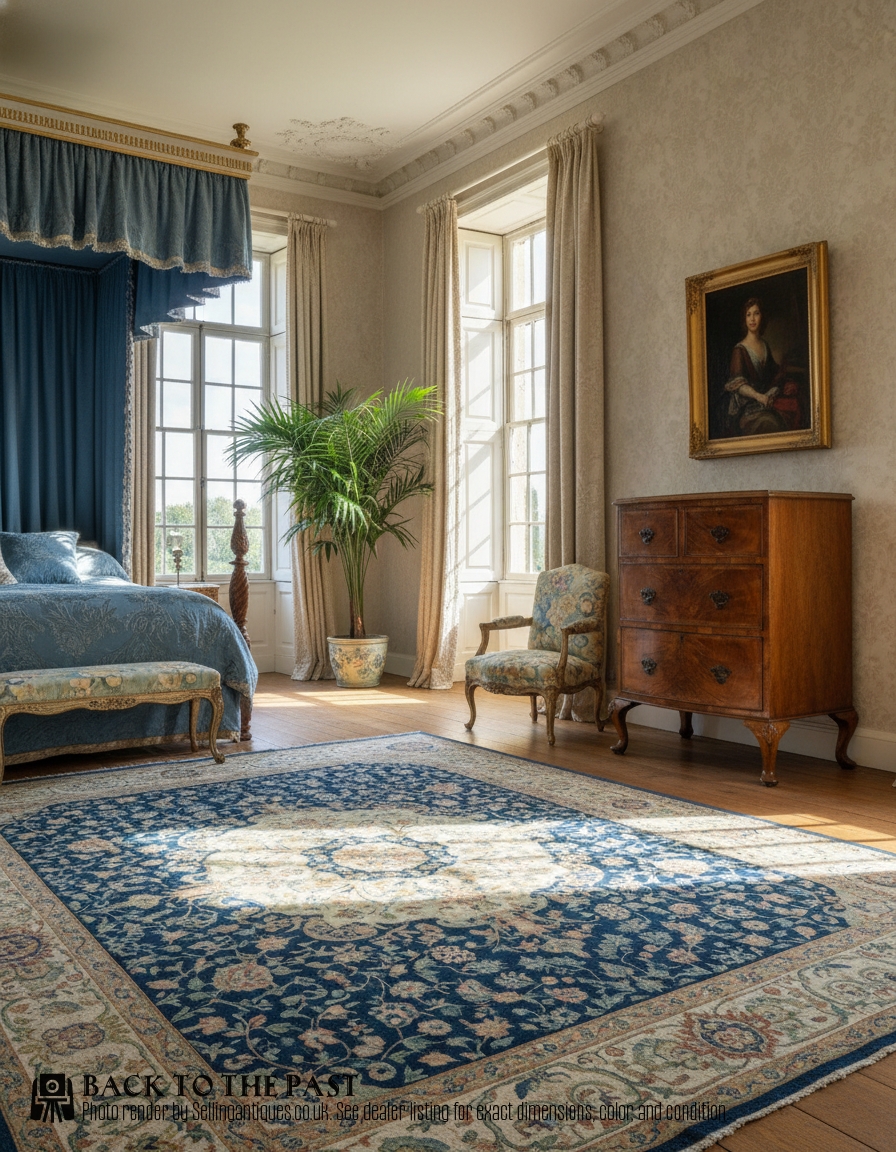
Materials and Construction
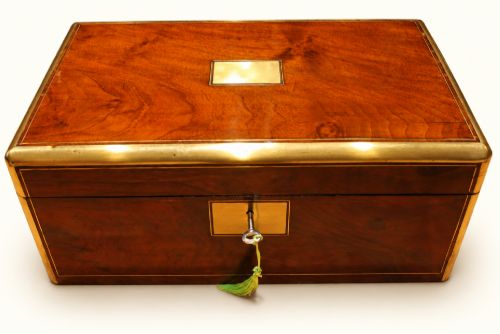
Cabinet makers utilised solid walnut, burr walnut, and figured walnut veneers applied over sturdy foundational timbers such as oak and pine. Marquetry and parquetry ornamentation often embellished the surfaces using contrasting woods, pewter, and ivory inlays. Brass handles, key escutcheons, and occasional ormolu mounts provided functional and decorative accents.
Joinery techniques relied upon traditional methods to assemble carcases, drawers, and writing surfaces. Leather inserts occasionally lined desk and bureau writing compartments, while crossbanding framed the figured timber panels to enhance the visual depth of the grain.
Brown Walnut Drawers Retail Price Guide 2026
Typical asking prices for brown walnut drawers among the pieces listed under this phrase on Sellingantiques today, from the lower quarter to the upper quarter. They describe what is for sale here now, not the wider market.
The listings span multiple centuries, incorporating materials such as brass, leather, ormolu, and kingwood alongside primary walnut timbers.
Assessing Quality
Quality rests upon the selection of timber veneers, where highly figured burr walnut and symmetrical grain patterns denote superior craftsmanship. The crispness of marquetry inlays and the integration of decorative crossbanding further distinguish finer examples from simpler utilitarian pieces.
Structural integrity reveals itself in the precision of drawer construction, the retention of original brass hardware, and the harmonious proportions of the overall carcase. Pieces exhibiting deliberate proportion and undisturbed period surfaces command greater appreciation among collectors.
The Brown Walnut Drawers Glossary
- Burr walnut
- Timber harvested from walnut tree growths, producing swirling, highly decorative grain patterns highly prized by cabinet makers.
- Marquetry
- Decorative veneer work forming pictures or geometric patterns using various woods, metals, or ivory.
- Crossbanding
- A border strip of veneer laid perpendicular to the grain of the central panel, creating a framed visual effect.
- Serpentine
- A curved shape resembling a snake, featuring a convex centre flanked by concave ends common on commodes.
- Tallboy
- A tall chest of drawers traditionally constructed by stacking one cabinet on top of another.
Brown Walnut Drawers: Frequently Asked Questions
How do I date brown walnut drawers?
Dating relies on observing construction methods, timber choice, and hardware styles associated with specific periods like the 18th century or the 1930s.
Secondary woods and dovetailing details further help establish the era of manufacture.
Where should I place a walnut chest?
These chests suit bedrooms, hallways, or living rooms as practical storage units or display surfaces for lamps and decorative objects.
Placing them away from direct sunlight protects the delicate walnut veneers from fading.
What is the difference between burr and figured walnut?
Burr walnut comes from knotted tree growths yielding intricate, swirling patterns, whereas figured walnut displays natural grain variations from standard timber.
Both types were selected for decorative exterior surfaces on fine furniture.
How do I care for antique walnut furniture?
Maintenance involves applying appropriate wax polishes periodically and keeping the timber away from extreme temperature fluctuations.
Avoiding excessive moisture preserves the finish and protects the underlying veneers.