


Brown Tribal Runner Rug
When you search for a brown tribal runner rug, you are exploring the rich weaving traditions of nomadic and village communities across Central Asia and Persia.
Brown Tribal Runner Rug
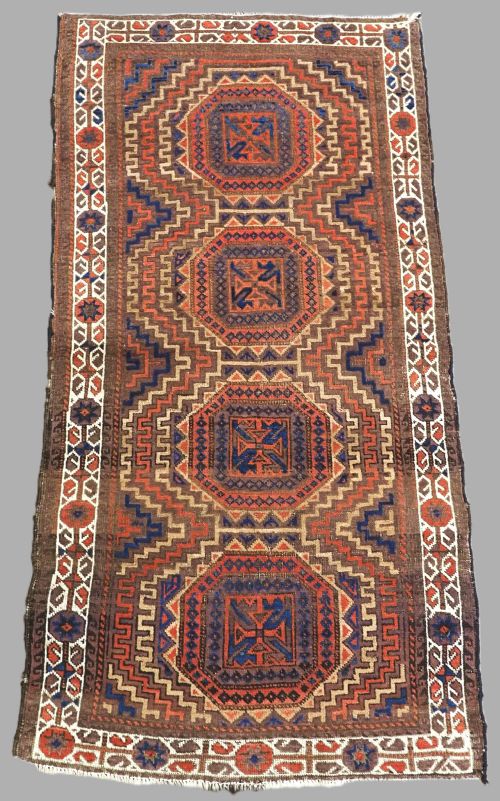
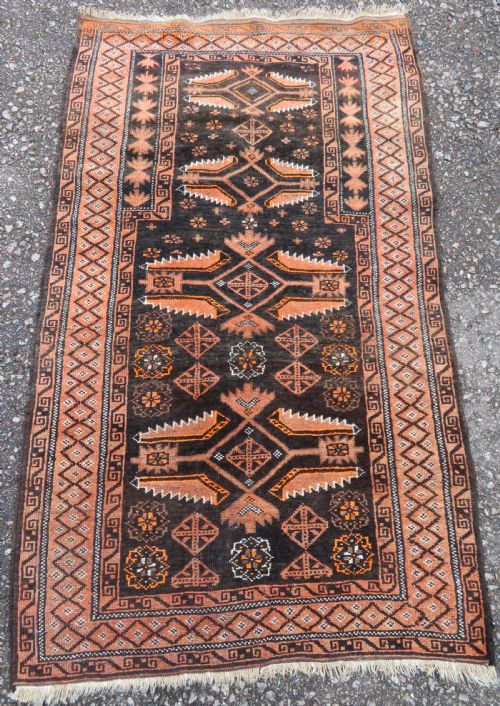
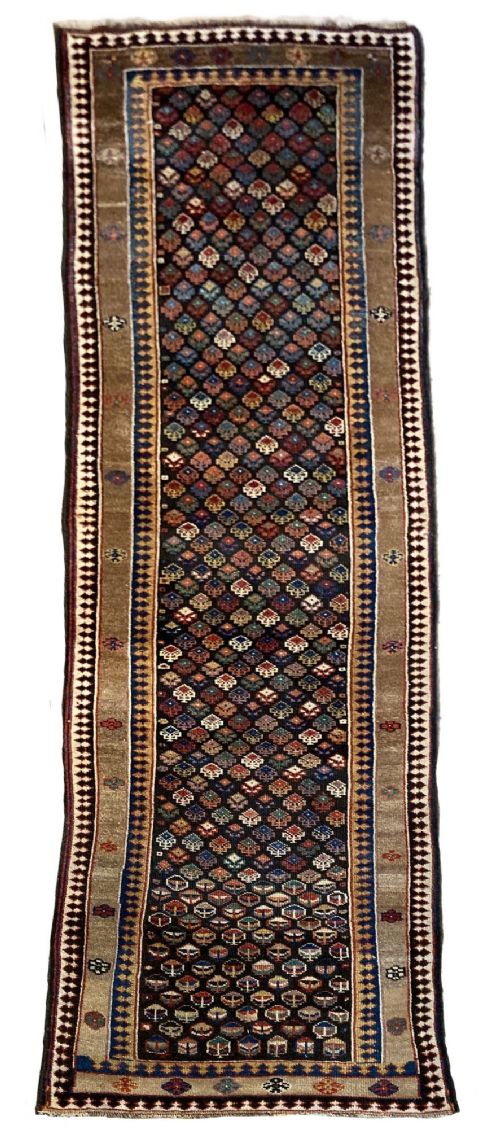
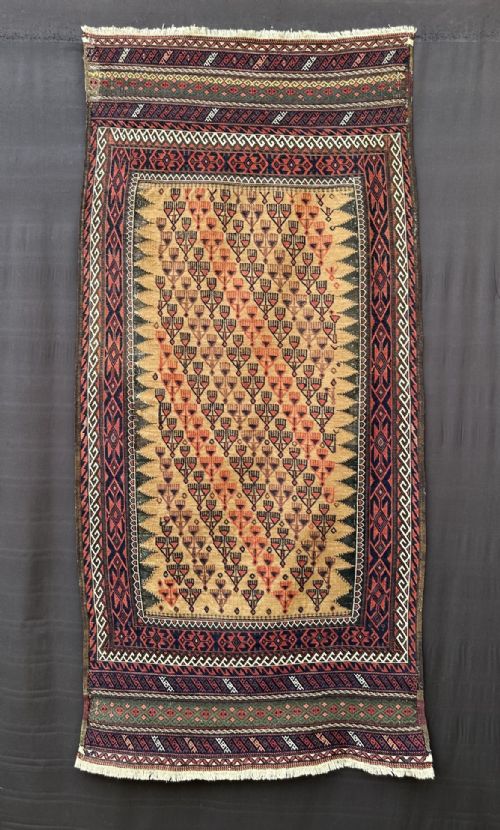
A brown tribal runner rug brings the distinct geometric patterns and rich earth tones of nomadic weavers into a narrow format. These elongated pieces served practical roles in tents and homes, often featuring traditional motifs passed down through generations.
The selection includes specific tribal and regional groups such as Baluch, Kurdish, and Turkmen makers. While many pieces take the form of long runners or gallery carpets, the broader category encompasses prayer rugs and flatwoven kilims.
Most examples date from the late nineteenth century through to the early decades of the twentieth century. Hand-knotted and flatwoven constructions reflect the everyday utilitarian output of village and tribal workshops.
Materials and Construction
Makers relied primarily on sheep wool for the pile and foundation, occasionally incorporating goat hair for sturdy selvedges or camel wool for natural undyed tones. Hand-spun wool provides the characteristic texture and durability found in these older nomadic textiles.
Natural dyes delivered the deep browns, reds, and dark hues typical of these woven objects. Vegetable and mineral colourants aged gracefully over decades, resulting in the subtle variations in shade visible across the surface of each piece.
Listings feature traditional formats spanning the nineteenth and early twentieth centuries, constructed from hand-spun wool and natural dyes.
Assessing Quality
Quality rests on the integrity of the weave and the handling of the materials. Tighter knots and finer hand-spun wool generally indicate a more durable and carefully executed textile.
The sophistication of the design layout and the depth of the natural dyes also distinguish finer examples. A well-balanced composition and harmonious colour palette elevate a piece from a simple utility item to a striking work of tribal art.
The Brown Tribal Runner Rug Glossary
- Gul
- A repeating octagonal or medallion motif commonly found in Turkmen and Baluch rugs. These stylized designs often identify the specific tribe that made the piece.
- Kilim
- A flatwoven carpet or rug produced without a pile. These pieces are created by tightly interweaving warp and weft strands to form geometric patterns.
- Prayer rug
- A small rug featuring a mihrab or niche design at one end. Historically, weavers designed these formats to indicate the direction of prayer.
- Sofreh
- A spreading cloth used for dining or food preparation in nomadic households. These utilitarian textiles often display striking tribal patterns and flatwoven techniques.
- Warp
- The vertical foundation threads stretched lengthwise on the loom. Weavers tie the rug knots or interlace wefts around these structural elements.
Brown Tribal Runner Rug: Frequently Asked Questions
Where were these runner rugs made?
These textiles originate from nomadic and village groups across Persia, Afghanistan, and Central Asia. Weavers in regions such as Khorasan, Fars, and Baluchistan produced them for daily domestic use.
Each tribal group developed distinct regional styles, utilising local materials and traditional patterns that reflected their specific heritage and environment.
How do I care for an old wool rug?
Protect your runner by placing it in a low-traffic hallway or using a quality underlay to prevent sliding. Gentle, regular vacuuming without a rotating brush roll keeps the wool pile clean.
Avoid exposing antique natural dyes to direct, harsh sunlight for extended periods. Professional cleaning tailored for antique textiles ensures the hand-spun wool remains preserved.
What is a Baluch rug?
Baluch rugs are hand-knotted textiles created by nomadic and semi-nomadic tribes inhabiting the borderlands of Iran, Afghanistan, and Pakistan. They frequently incorporate dark brown and red wool palettes.
These pieces often feature geometric guls, Tree of Life motifs, and prayer designs. Their compact sizes and durable construction reflect a mobile lifestyle.
How can I tell the age of a tribal rug?
Dating relies on examining the materials, structural characteristics, and dye types used in the construction. Pieces utilising entirely hand-spun wool and natural dyes generally point to nineteenth or early twentieth-century production.
Wear patterns, minor structural irregularities, and the specific tribal attribution also provide reliable clues for establishing an approximate period of origin.