
Brown Trestle Table
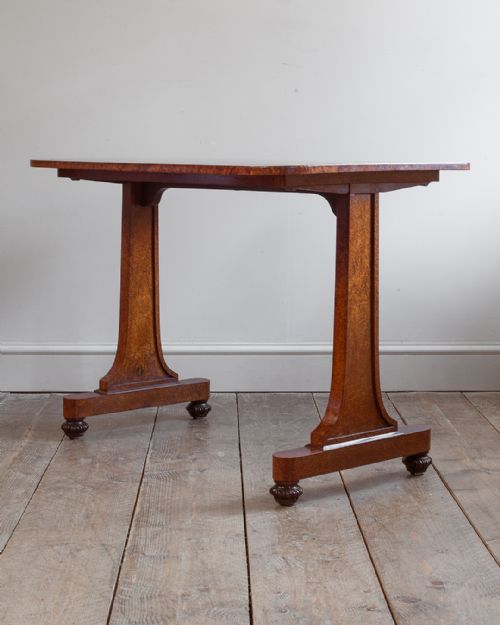
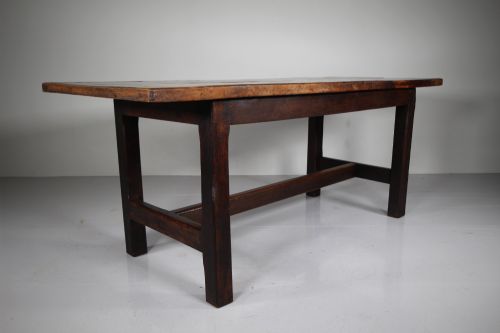
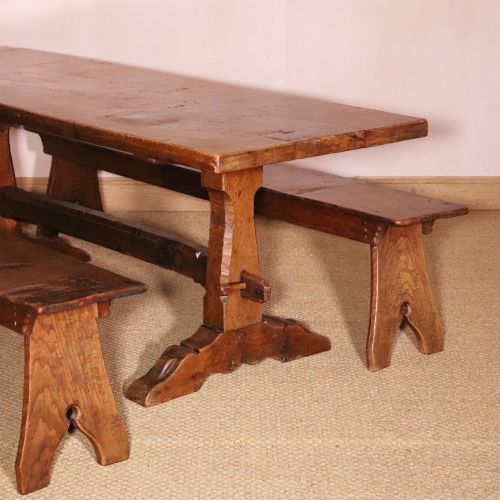
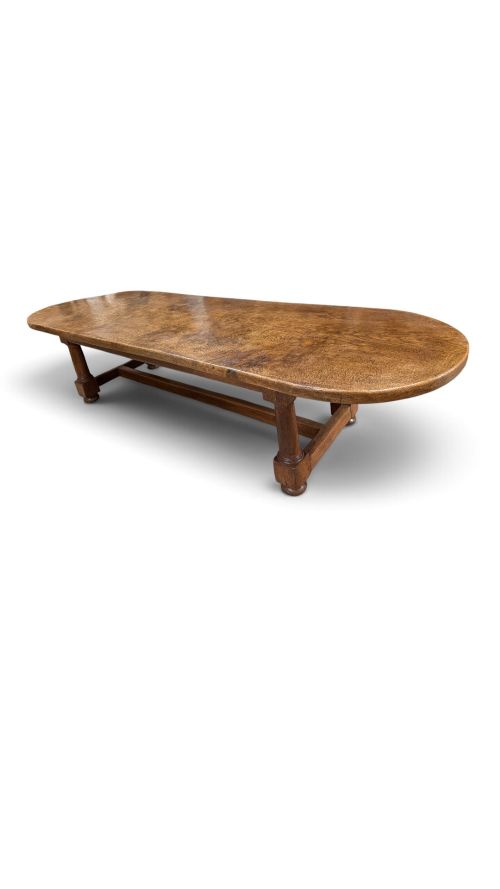
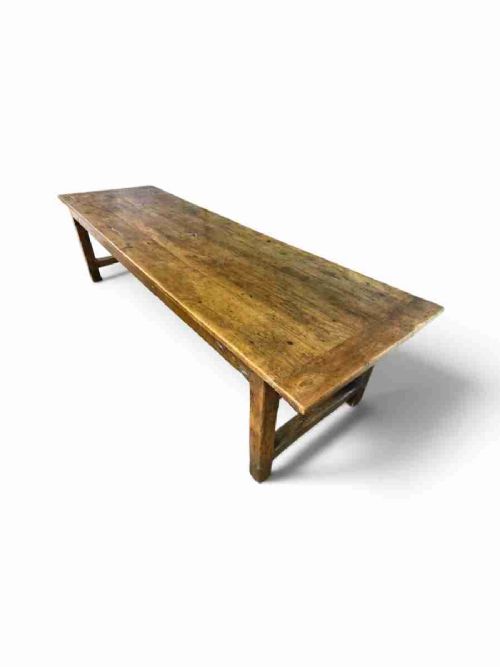
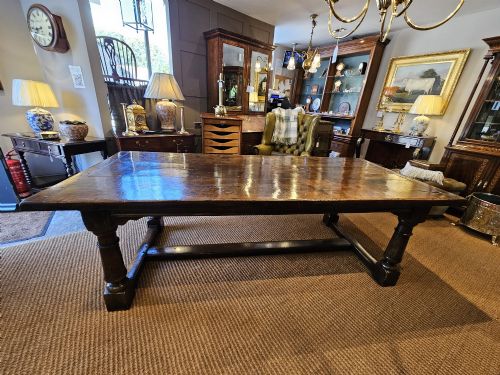
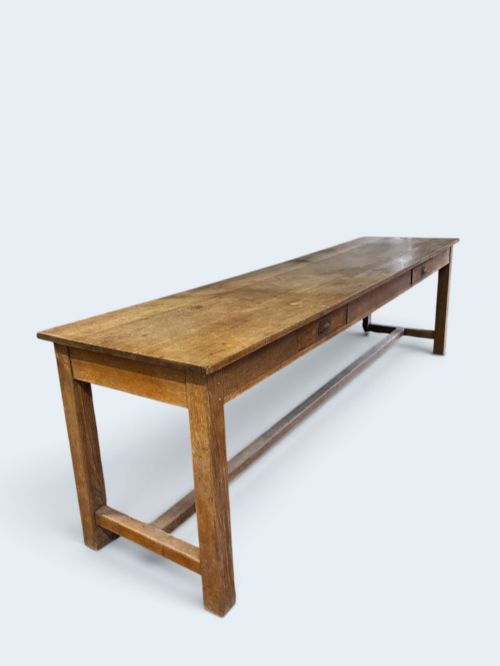
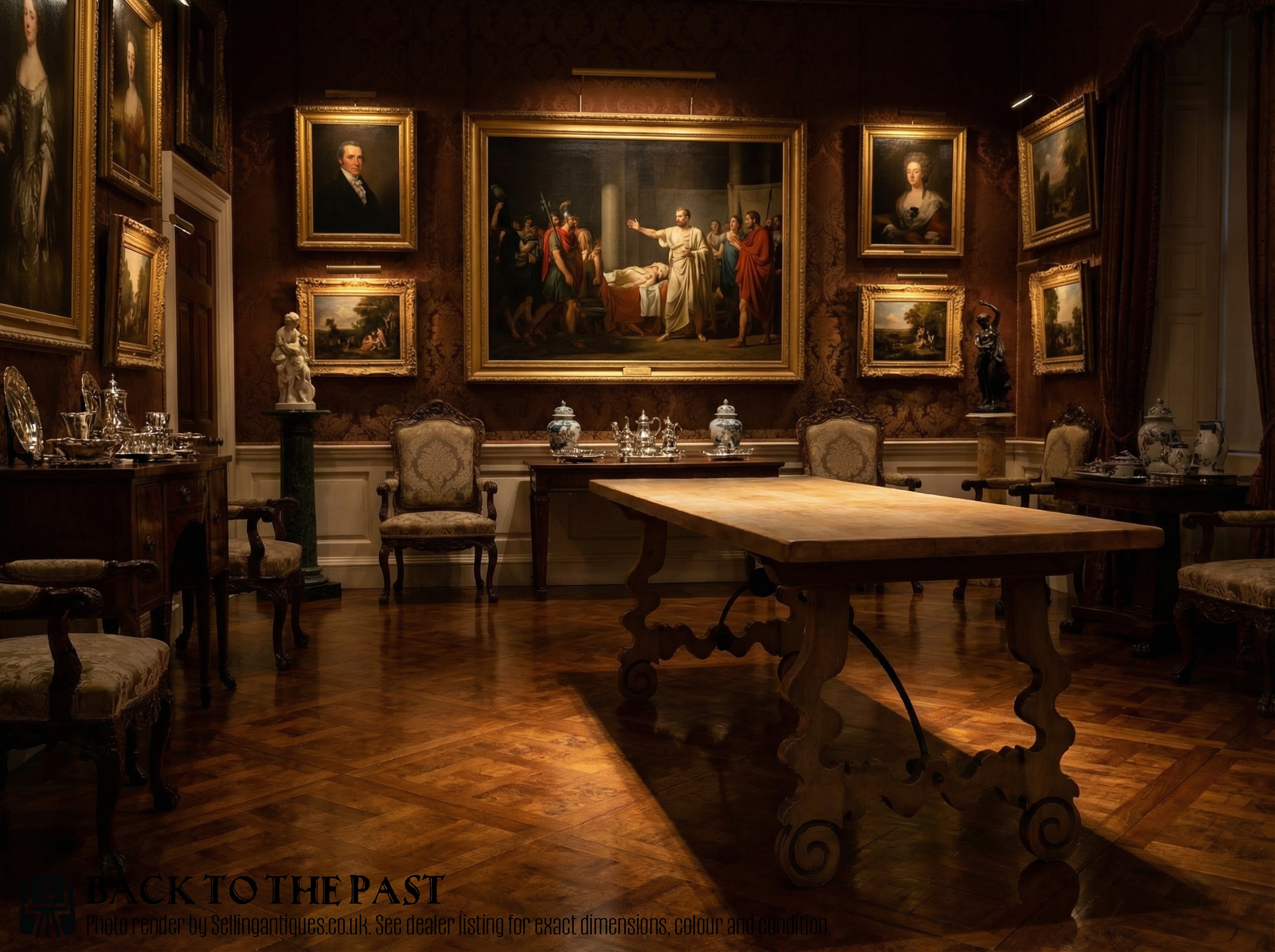
A brown trestle table provides a sturdy surface supported by outward-angled uprights, offering both utility and historic character for daily dining or work.
Brown Trestle Table
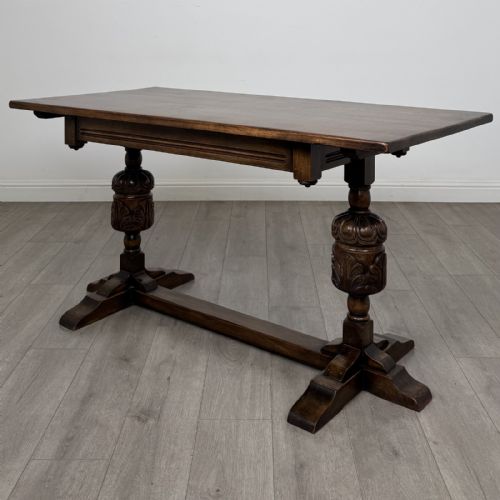
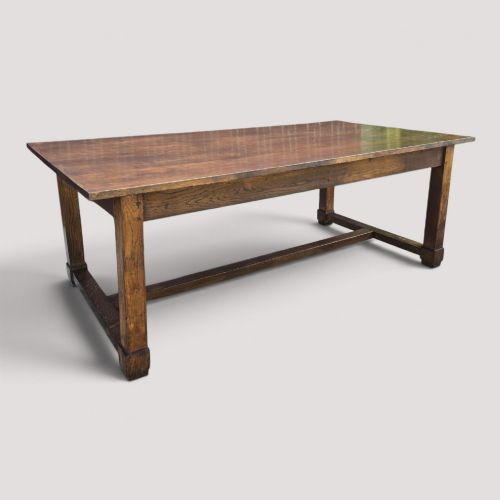
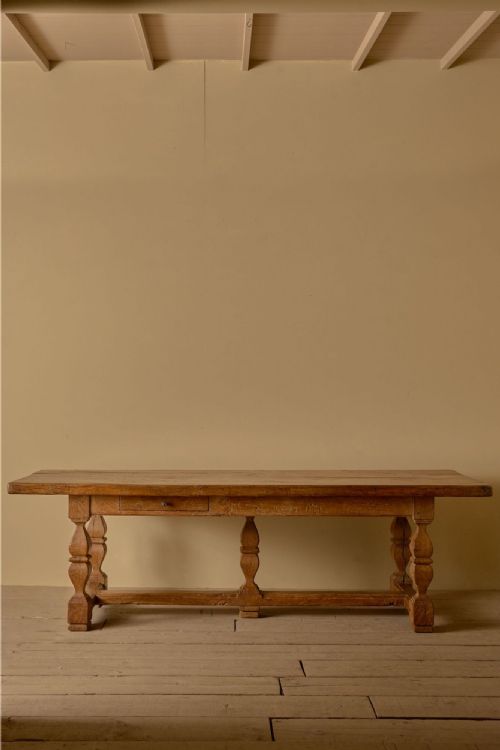
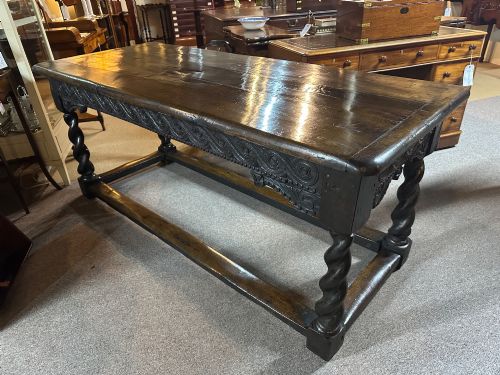
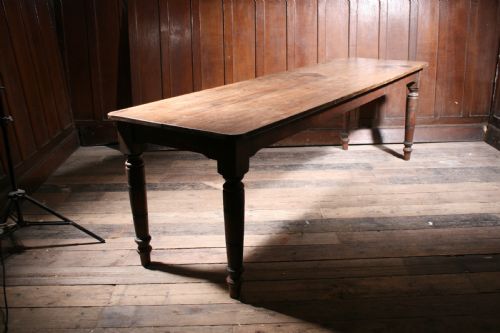
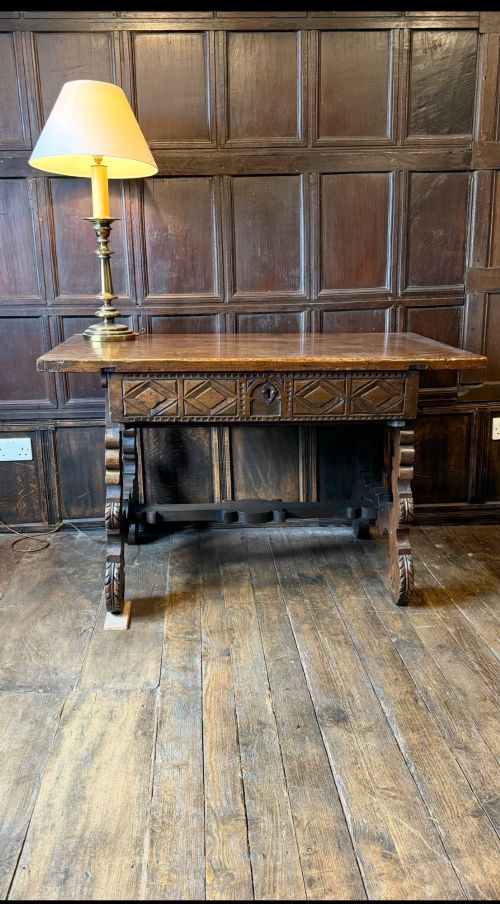
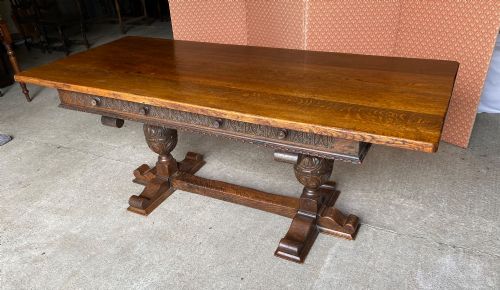
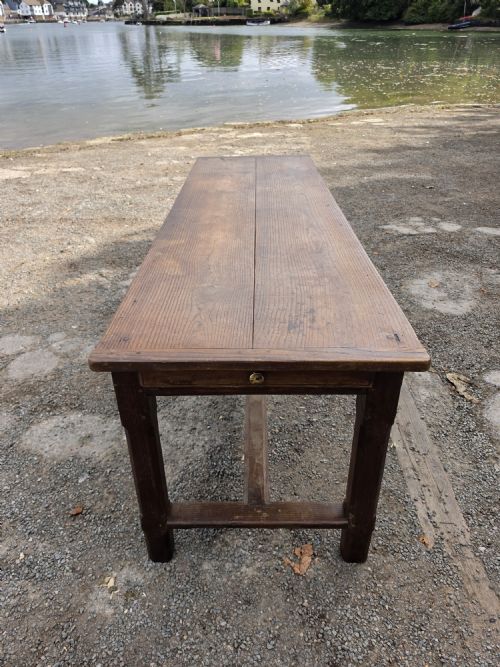
A brown trestle table is a functional surface supported by vertical feet or uprights connected by a central horizontal stretcher. Buyers searching for a brown trestle table encounter numerous examples fashioned as refectory, farmhouse, and tavern dining surfaces.
The selections span centuries of woodworking, stretching from the seventeenth century through the Victorian era and into the nineteen-twenties and nineteen-thirties. Oak dominates these offerings, accompanied by mahogany, walnut, pine, elm, and sycamore.
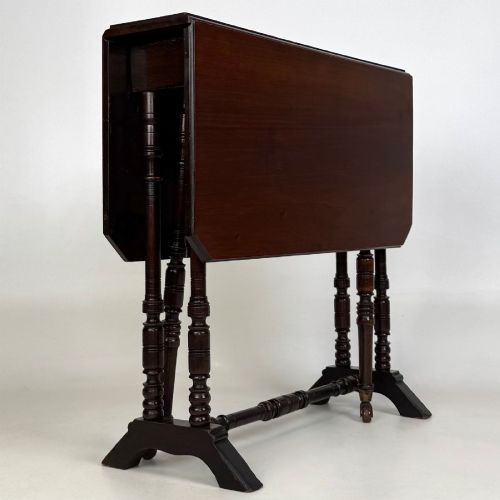
Forms extend beyond large dining pieces to encompass library tables, coffee tables, writing desks, and serving tables. French provincial, Gothic, Jacobean revival, and Arts and Crafts styles shape the visual presentation of these boards.
How they were made
Carpenters constructed these tables using solid hardwoods, primarily oak and mahogany, joined with traditional pegged mortise and tenon joints to ensure rigidity. Timbers were often cut from single planks or heavy boards, displaying natural grain and honest tool marks.
Secondary timbers like beech, pine, or elm appeared in framing and undersides, while brass hardware such as drawer pulls or hinges finished the work on writing and serving tables. Surfaces received wax, oil, or polish to protect the wood while developing a deep patina over decades of use.
One clever French folding vendange table stands ready to pour wine after the grape harvest is done.
What varies in quality
The calibre of a table rests on the selection of timber and the integrity of its structural framing. Superior examples display dense, well-figured grain, heavy gauge tops without excessive warping, and tight, original joinery that keeps the uprights firm.
Proportion and restrained ornamentation distinguish finer pieces from utilitarian counterparts. Tables retaining their original surface finish and authentic patina command greater interest than those stripped down and aggressively refinished.
Gillows
The Brown Trestle Table Glossary
- Trestle
- A structural support consisting of a horizontal beam or bar held up by two pairs of slanted legs. This design maximises legroom along the length of the board.
- Patina
- The surface sheen and mellowing developed by wood over years of handling, light, and polishing. It serves as a visual indicator of age and honest wear.
- Mortise and tenon
- An ancient joint method where a projecting tongue fits snugly into a corresponding cavity. This technique provides the primary rigidity for historic tables.
- Stretcher
- A horizontal bar running between the legs of a table to add structural stability. On these tables, it often sits low near the floor to brace the uprights.
Brown Trestle Table: Frequently Asked Questions
What is a brown trestle table used for?
These tables serve primarily as sturdy dining surfaces, kitchen prep stations, or large desks for writing and library work. Their open underframe provides generous legroom for seating groups of people.
Historically, long refectory and tavern variants accommodated communal meals in great halls and public houses. Today, they function equally well as statement pieces in modern or traditional dining rooms.
How do I date a brown trestle table?
Dating relies upon examining the timber grain, tool marks, joinery methods, and overall stylistic revival cues. Seventeenth and eighteenth-century examples display hand-cut pegs and heavy oak planks with deep patina.
Nineteenth and twentieth-century pieces often reflect specific revivals, such as Jacobean or Arts and Crafts movements, using machine-sawn timber alongside traditional hand finishing.
Are these tables suitable for daily dining?
Solid hardwood construction makes these tables exceptionally resilient for daily family meals and heavy kitchen use. Thick oak and mahogany boards withstand regular cleaning and accidental knocks.
Routine maintenance involves applying a gentle wax to nourish the wood and protect the surface from moisture rings and heat marks.
How do I clean an antique wood table?
Cleaning requires a soft, dry cloth to remove dust and debris without scratching the historic polish or wax. Avoid chemical sprays or excessive water, which can penetrate and stain older timber.
Occasional application of natural beeswax restores moisture and deepens the natural lustre of the wood without altering the underlying finish.