




Brown Timber Dining Seating
Brown timber dining seating comprises solid wood chairs, benches and tables spanning the eighteenth to early twentieth centuries.
Brown Timber Dining Seating
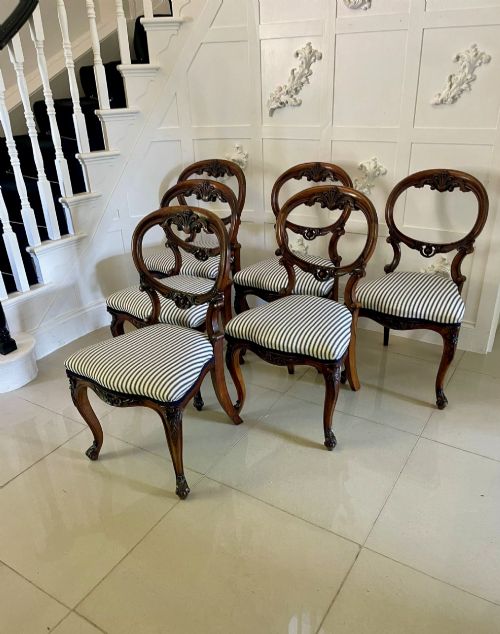
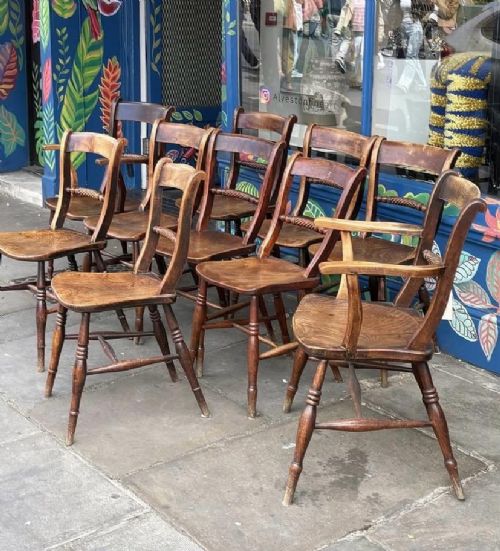
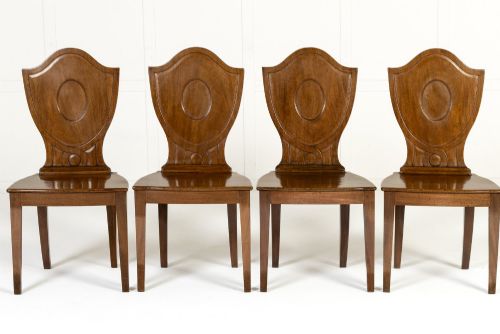
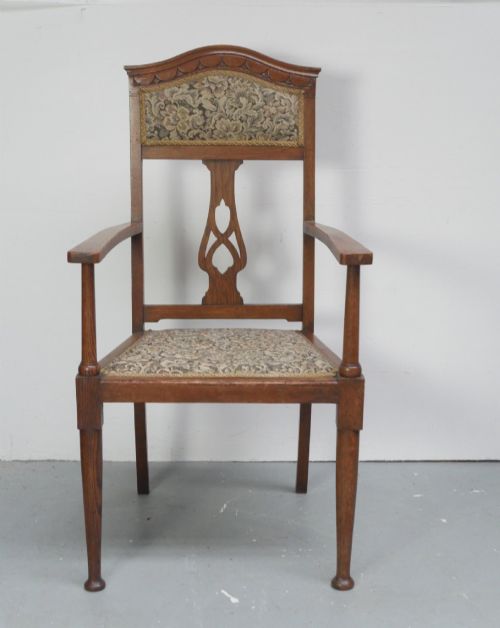
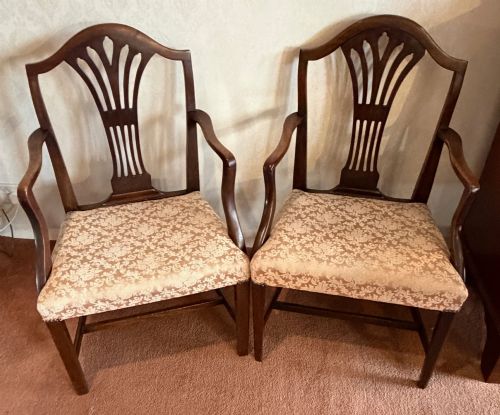
Brown timber dining seating encompasses an array of wooden chairs, benches and occasional tables designed for dining rooms and kitchens. Buyers searching this phrase encounter nineteenth-century walnut sets, Regency mahogany hall chairs and rustic elm Windsor chairs.
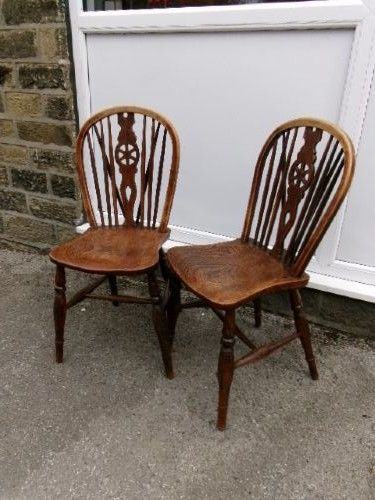
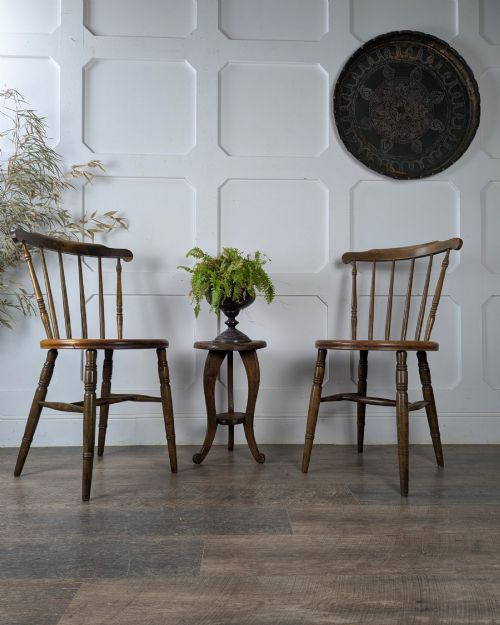
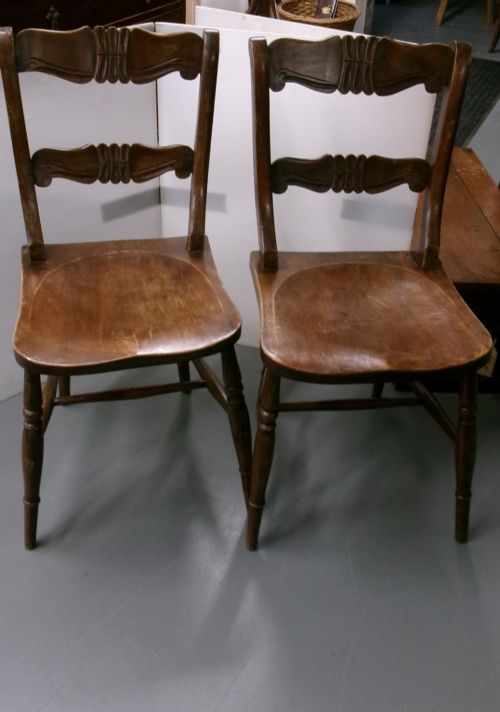
Origins span English, French and Irish workshops, incorporating styles from George II revivals to plain farmhouse forms. Solid wood construction defines the category, utilising durable timbers shaped into spindlebacks, wheelbacks and solid seats.
Materials and construction
Carpenters utilised native hardwoods including oak, elm, mahogany and ash, often combining flexible timbers like ash for spindles with sturdier woods like elm for solid seats. Joinery relied on traditional mortise and tenon joints, dowels and turned components.
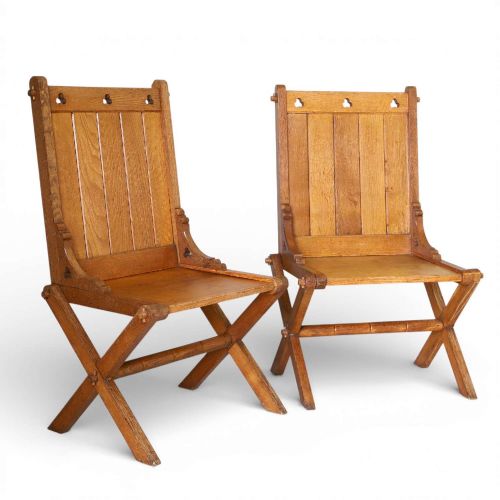
Surface finishes involved simple wax or polish applied directly to the timber, preserving natural grain patterns in walnut, cherrywood and pine. Carved details such as trefoils, shell backs and geometric panels were worked by hand into the solid wood.
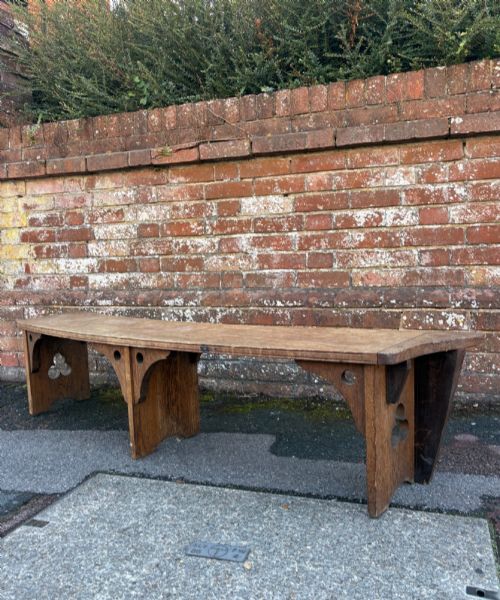
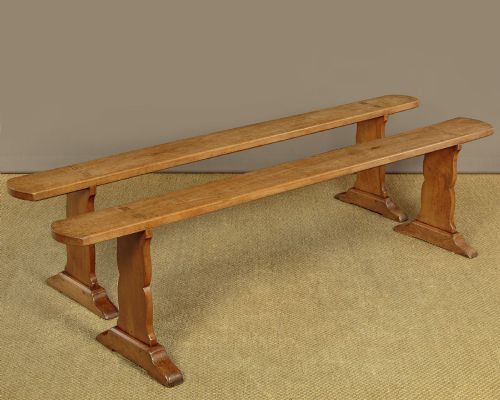
Bishopthorpe Palace provided an eighteenth-century oak bench now found among modern dining listings.
Markers of quality
Superior examples display careful selection of timber matching grain patterns across a set of chairs, whereas lower grades utilise mixed or mismatched woods. Finely turned spindles, crisp hand-carved relief work and robust structural joinery distinguish workshop production from standard utility items.
Proportion and comfort elevate certain chairs, such as Windsor comb backs with well-sculpted seats and balanced rake to the legs. Original surface patination and minimal timber replacement retain historical integrity compared to heavily restored or altered pieces.
Gillows·Worksop Allsop
The Brown Timber Dining Seating Glossary
- Windsor
- A traditional chair construction featuring turned legs and spindles wedged directly into a solid wooden seat. These typically include bentwood bow backs or comb backs.
- Hall chair
- A rigid wooden seat, usually timber-backed and unpadded, designed for placement in an entrance hall. They frequently display carved crests or painted family insignia.
- Súgán
- An Irish term for a twisted straw or hay rope used to form woven seat pads. This technique appears on traditional ash and regional country chairs.
- Refectory table
- A long dining table traditionally utilised in communal dining halls. The listings feature Victorian oak examples designed to seat multiple diners.
- Ladderback
- A chair back constructed with horizontal wooden rails between vertical uprights. These often support rush or woven seating materials.
Brown Timber Dining Seating: Frequently Asked Questions
How do I care for antique wooden dining chairs?
Maintain timber seating by applying natural beeswax periodically and avoiding direct placement near heat sources. This preserves the moisture in woods like mahogany, oak and elm.
Keep upholstered pads and rush seats clean with gentle dusting rather than liquid cleaners. Sturdy joinery benefits from occasional checks to ensure stretcher joints remain tight.
Can I mix different styles of antique dining chairs?
Mixing single chairs or small pairs within the same timber family creates a collected country dining arrangement. Matching wood tones like oak or mahogany helps unify disparate forms.
Ensure seat heights remain compatible for dining comfort when combining different nineteenth-century regional chair styles.
What is the difference between a side chair and a hall chair?
Side chairs are scaled for dining tables, featuring comfortable proportions and sometimes upholstered seats. Hall chairs are stiffer, purely wooden seats intended for occasional use in hallways.
Regency and Victorian hall chairs often showcase more elaborate carved back panels intended to impress visitors rather than provide lounging comfort.