
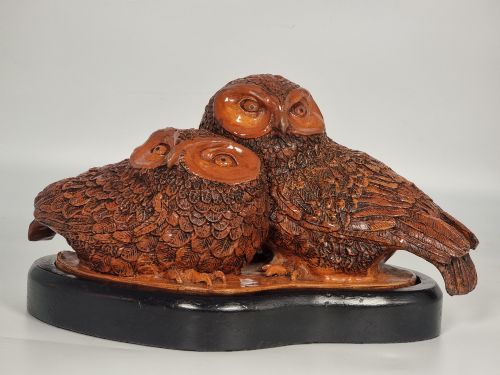
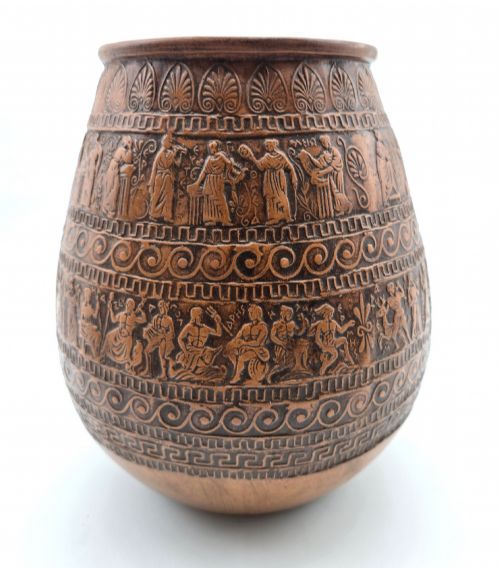
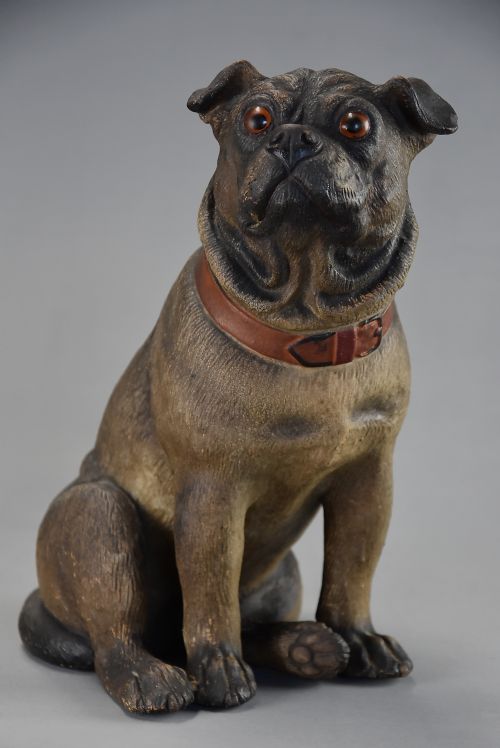
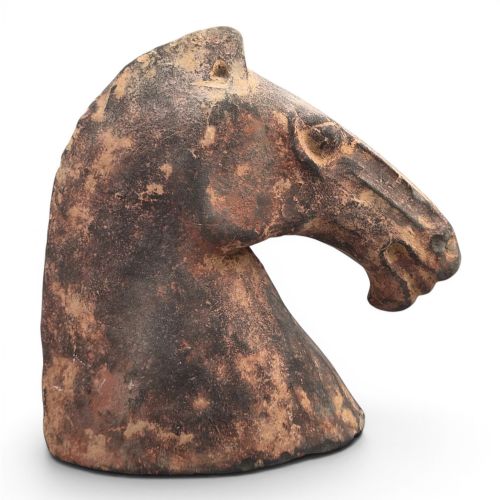
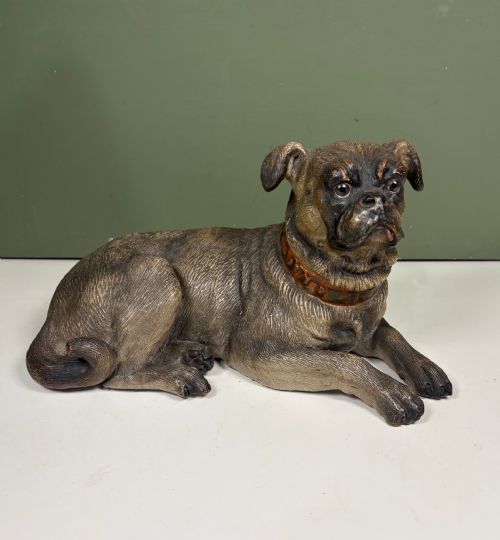
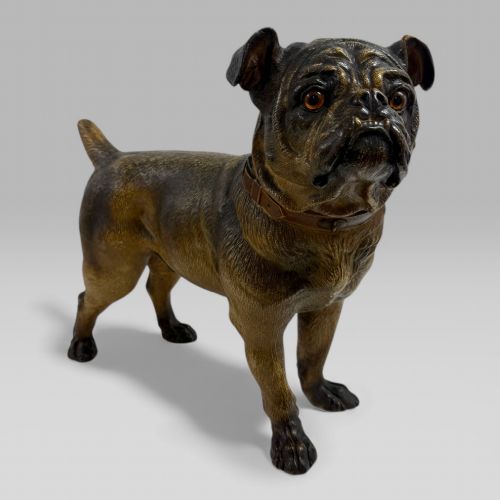
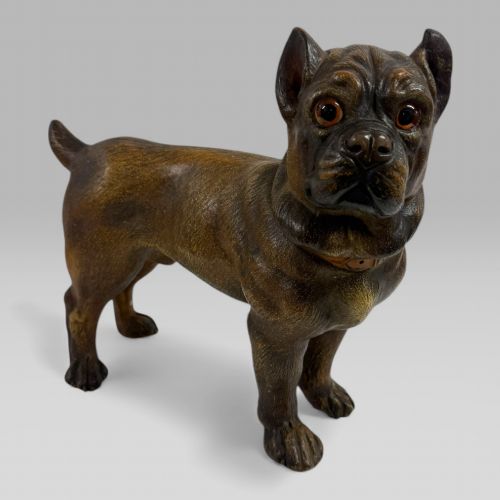


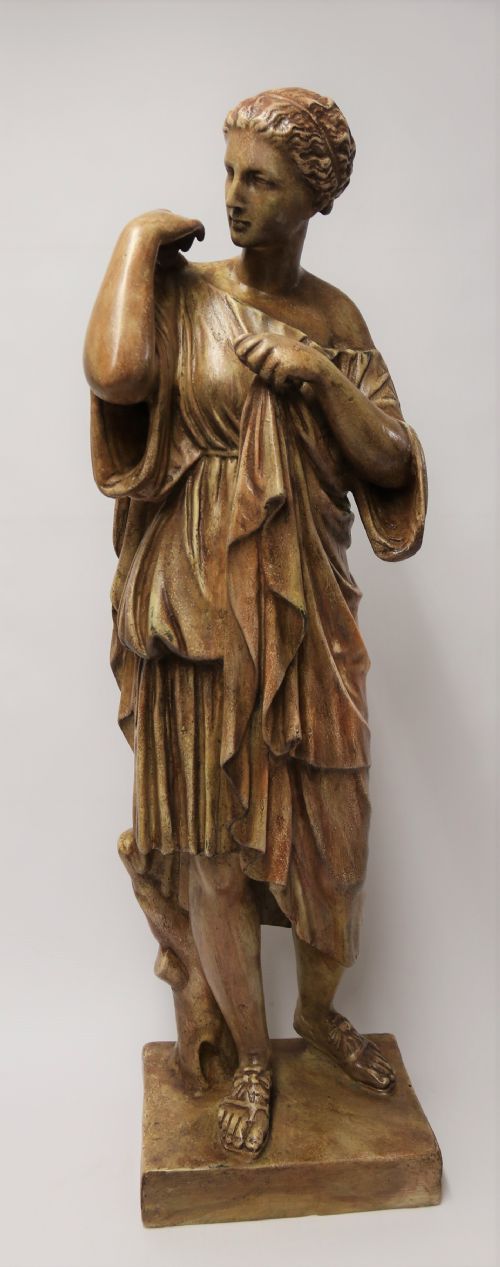


Brown Terracotta Figure
These brown terracotta figure examples combine fired clay and sculpture from the nineteenth and early twentieth centuries, offering a tangible link to historical decorative arts.
Brown Terracotta Figure
When searching for a brown terracotta figure, collectors encounter sculptural works formed from fired clay and earthenware across various historical periods. The selections span nineteenth-century European sculpture, Austrian animal studies, and classical depictions, reflecting diverse global origins.
The objects on this page predominantly include figurative sculptures, animal models, and portrait busts produced in European workshops and international contexts. These pieces range from classical mythological representations to domestic animal subjects created in the Victorian and Art Nouveau eras.
How they were made
Maker studios shaped these works using refined clay and terracotta, often finishing the surfaces with pigment, paint, or subtle glazes. Sculptors hand-sculpted or cast the forms before firing the material at high temperatures to achieve permanence.
Many items incorporate mixed elements such as ebonised wooden bases or integrated stands to support the heavy earthenware bodies. The interaction between raw baked clay and applied surface colour defines the primary physical characteristic of these pieces.
Listings feature nineteenth-century terracotta sculptures alongside earlier pottery traditions, incorporating materials such as pigment, wood, and earthenware.
What varies in quality
The distinction between standard commercial output and superior craftsmanship lies in the modelling precision and the sensitivity of the hand-finishing. Skilled sculptors achieved expressive anatomical details and convincing textures in the clay.
The preservation of original painted surfaces and pigments significantly influences the integrity of each piece. Finer works retain their intended coloration and crisp surface definition without excessive restoration or loss of detail.
Richard Avrilli·Joseph Gott·Octave Galliard-Sansonetti·Bernard Bloch·A Gory
The Brown Terracotta Figure Glossary
- Terracotta
- A porous earthenware medium composed of fired clay, widely used for sculptural objects and architectural ornaments. It typically exhibits characteristic reddish-brown tones.
- Earthenware
- Pottery fired at relatively low temperatures that remains porous unless glazed. This substance serves as the foundational material for many nineteenth-century decorative figures.
- Art Nouveau
- An international style of art and design prominent around nineteen hundred, characterised by organic forms and fluid lines. Figures from this period often depict naturalistic female subjects.
- Mingqi
- Chinese burial objects placed in tombs to accompany the deceased into the afterlife. These ancient artefacts include painted pottery figures and animal representations.
- Patination
- The natural ageing and surface alteration accumulated on an object over time. In terracotta works, this includes subtle wear to applied pigments and surface finishes.
Brown Terracotta Figure: Frequently Asked Questions
What periods do these figures date from?
The pieces span various eras, encompassing nineteenth-century European sculpture alongside earlier global examples. Makers produced these works across the Victorian and Edwardian periods using traditional ceramic techniques.
Items range from nineteenth-century classical revivals to twentieth-century studio pottery and continental foundry outputs. Each era brought distinct stylistic priorities to the handling of clay.
How were terracotta sculptures cleaned?
Porous earthenware requires gentle dry maintenance to preserve fragile surface pigments and finishes. Brushing away dust with a soft tool prevents particulate accumulation without introducing moisture.
Because many pieces retain original paint or patination, liquid cleaners should be avoided entirely. Proper conservation relies on stable indoor environments away from excessive humidity.
Where were these Austrian figures produced?
Continental workshops in Vienna and surrounding regions generated numerous large animal sculptures and decorative figures during the late nineteenth century. Prominent firms employed skilled modellers to create realistic animal and human subjects.
These factories utilised local clay resources and specialised firing kilns to produce substantial life-size sculptures. Many pieces bear impressed factory marks or artist signatures on their bases.
How do I identify a classical revival piece?
Classical revival sculptures draw direct inspiration from ancient Greek and Roman aesthetic traditions. These works frequently depict mythological figures, historical subjects, or Grand Tour souvenirs.
Artists during the nineteenth century utilised these antique motifs to create academic sculptures in terracotta and earthenware. The focus rests heavily on idealized human anatomy and classical drapery.