



Brown Pottery Jug
When you search for a brown pottery jug, you encounter utilitarian stoneware and decorative earthenware vessels spanning multiple centuries of ceramic history.
Brown Pottery Jug
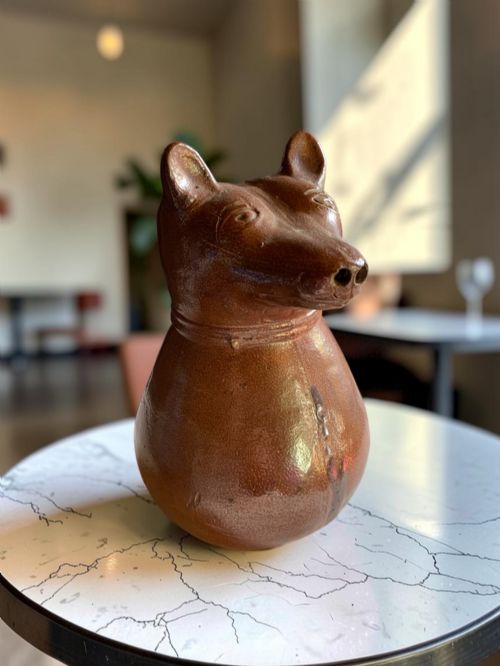
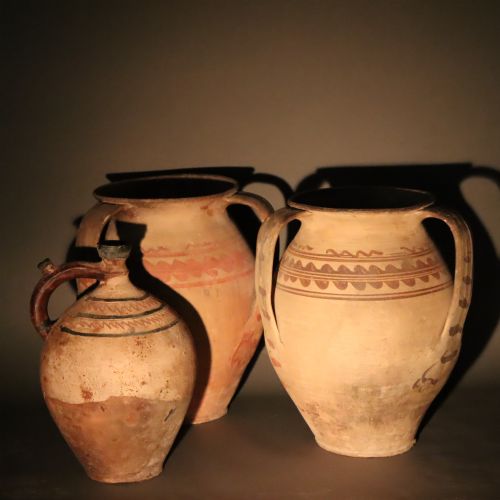
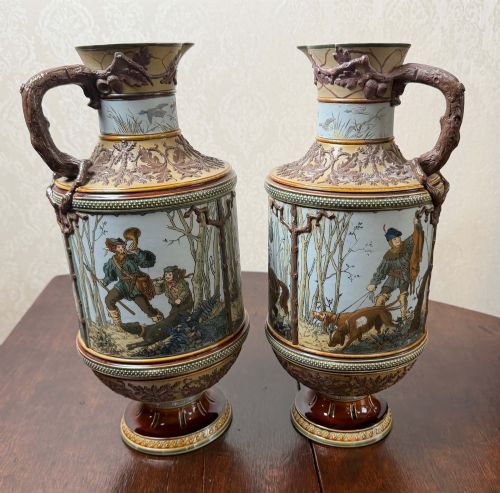
A brown pottery jug is a vessel designed for holding liquids, ranging from modest kitchen crocks and tavern flagons to ornate Victorian parlor ewers. These pieces originate across centuries, with the nineteenth century and the Victorian era providing a substantial portion of the available specimens.
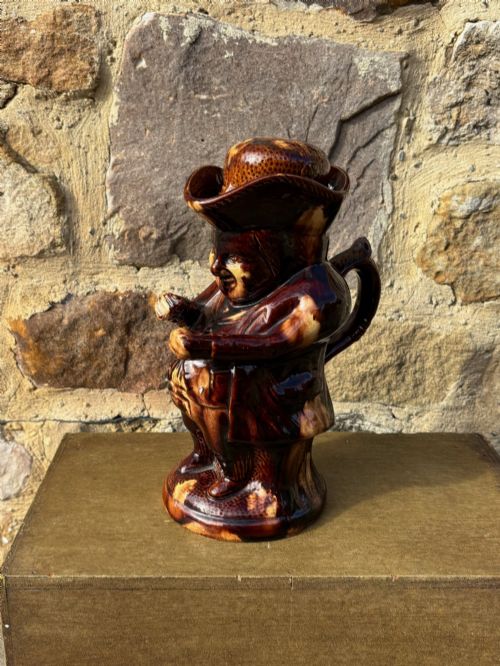
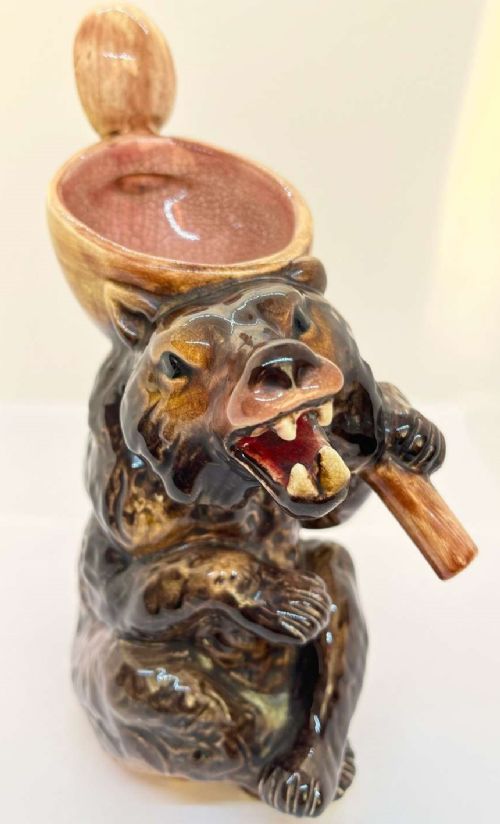
The forms vary significantly depending on their intended function, encompassing tall bottles, puzzle jugs, character toby jugs, and large harvest pitchers. Many examples bridge the gap between simple utility and domestic display, decorated with incised motifs or sporting scenes.
How they were made
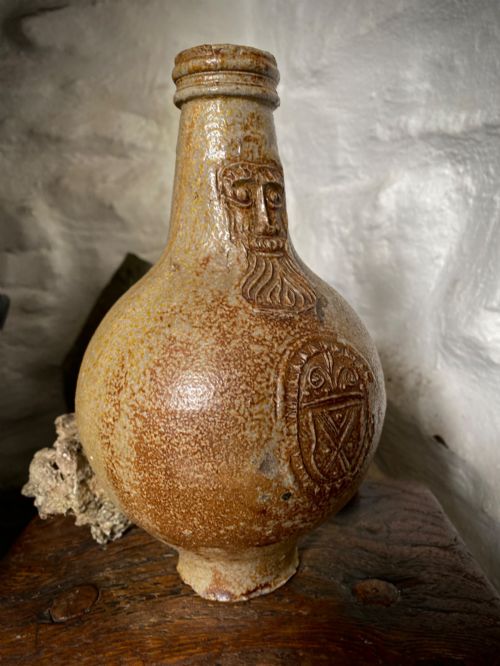
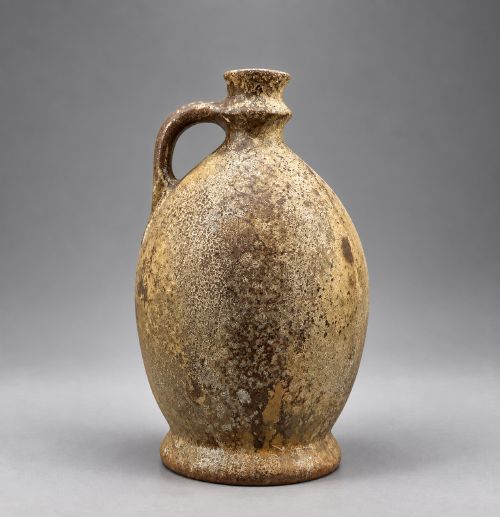
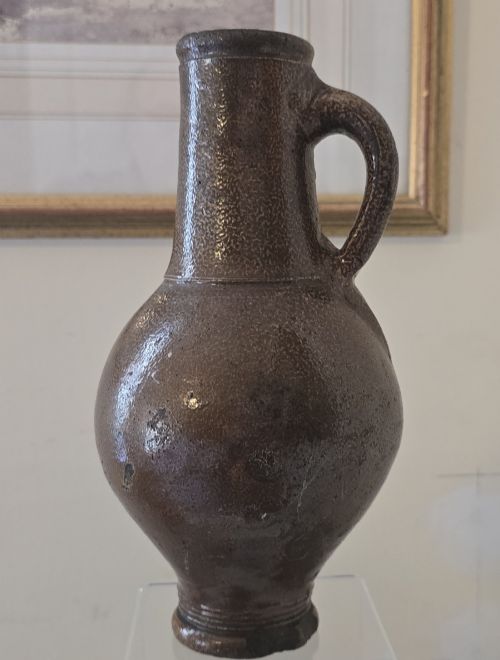
Potters relied on durable clay bodies such as stoneware, earthenware, and terracotta, shaped on the wheel or pressed in moulds to achieve distinct forms. Stoneware pieces frequently received salt glazing during high-temperature firing, creating the characteristic pebbled texture.
Earthenware versions typically utilised lead or brown glazes to seal the porous clay body. Artisans decorated these surfaces using slip trailing, incising, or applied moulded reliefs before the final kiln firing.
Brown Pottery Jug Retail Price Guide 2026
Typical asking prices for brown pottery jug among the pieces listed under this phrase on Sellingantiques today, from the lower quarter to the upper quarter. They describe what is for sale here now, not the wider market.
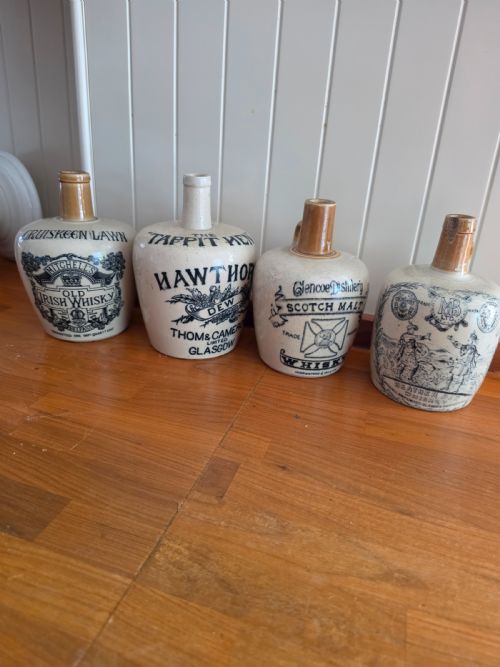
Some nineteenth-century flasks feature golfers swinging across the clay, proving that afternoon sport has long interrupted a quiet drink.
What varies in quality
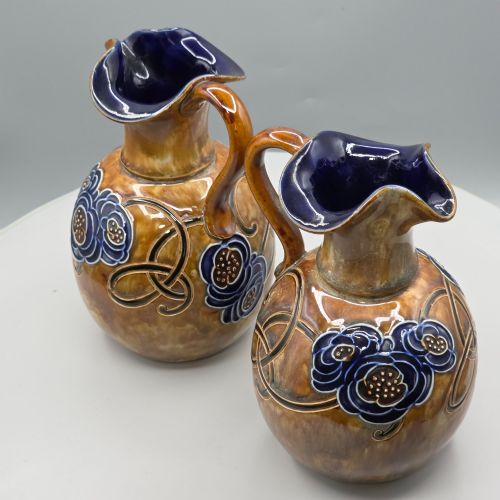
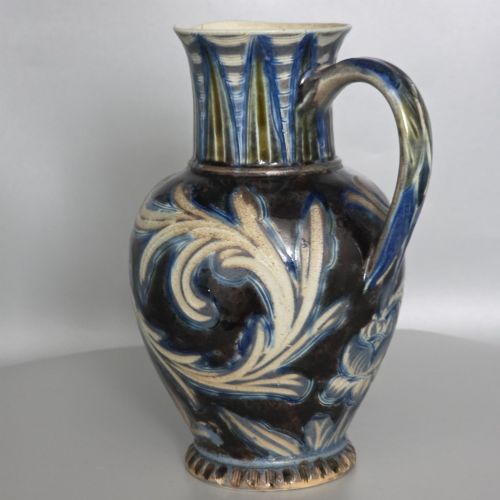
Quality rests upon the crispness of the moulding and the skill behind incised or hand-painted ornamentation. Pieces featuring named artists or established potteries display superior execution in both throwing and surface decoration.
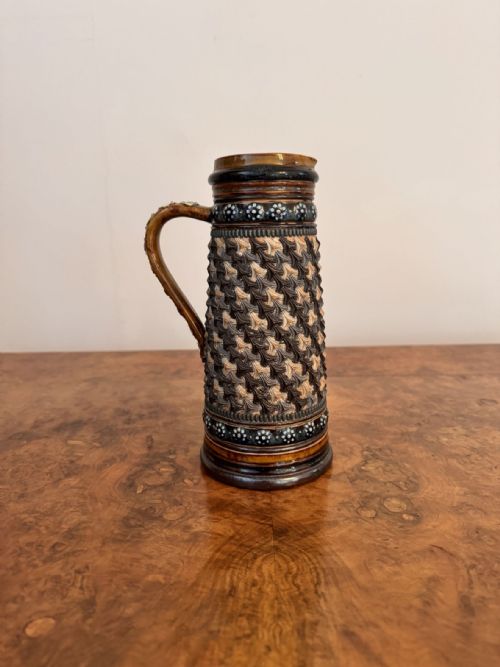
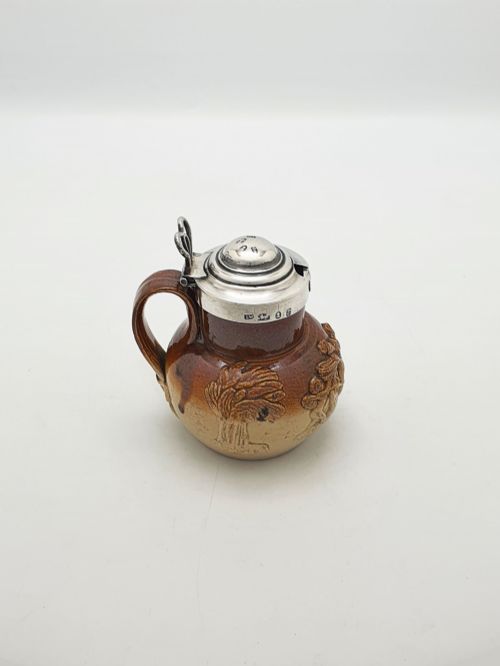
The inclusion of precious metal additions, such as sterling silver rims, collars, or hinged lids, elevates a utilitarian vessel into a refined drawing-room object.
Doulton Lambeth·Holdcroft·George Jones·Royal Doulton·Emma Shute·John Dwight Fulham Pottery
The Brown Pottery Jug Glossary
- Salt glaze
- A glassy, pebbled texture formed by throwing common salt into the kiln during high-temperature firing. This technique creates a durable impervious finish characteristic of utilitarian stoneware.
- Slipware
- Pottery decorated with slip, which is liquefied clay poured or trailed onto the unglazed body. Artisans used this method to create contrasting linear patterns on seventeenth-century tavern jugs.
- Puzzle jug
- A vessel featuring a pierced neck and multiple spouts designed to confound the drinker. Liquid must be sucked through a hidden tubular handle to avoid spilling.
- Majolica
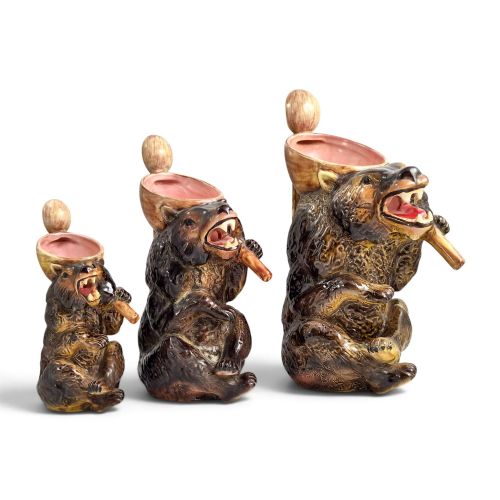
- A colourful lead-glazed earthenware style popular during the Victorian period. It is known for naturalistic plant and animal motifs modelled in high relief.
Brown Pottery Jug: Frequently Asked Questions
What is a salt glazed brown pottery jug?
A salt glazed brown pottery jug is a stoneware vessel fired at high temperatures where salt is introduced to the kiln. This process creates a dense, vitreous body and a characteristic orange-peel surface texture.
These vessels were traditionally used for storing and serving liquids like beer, wine, and oil due to their durable and impermeable qualities.
How do I date an antique brown pottery jug?
Dating involves examining the clay body, glaze characteristics, form, and any stamped factory marks or artist signatures. Earlier seventeenth and eighteenth-century examples tend to show simpler hand-thrown profiles, while Victorian pieces often feature elaborate moulded details or applied sprigged decoration.
Hardware additions such as silver collars or hinged lids can also provide reliable date markers through hallmark stamps.
Were these jugs used for everyday dining?
Many brown pottery jugs served utilitarian roles in domestic kitchens, taverns, and farmhouses for carrying ale, water, or spirits. Robust stoneware vessels were built for daily handling and rough service.
Finer decorative ewers and majolica pitchers were intended for display on sideboard tables or use during formal Victorian tea services.
What are toby jugs and character jugs?
Toby jugs are seated figures depicted as jovial eighteenth-century gentlemen holding a mug of beer and a pipe. They evolved into specialised character jugs representing historical figures, literary personalities, or military leaders.
These ceramic pieces combined humour with portraiture, functioning as both functional containers and popular mantel ornaments.