
Brown Parquetry Table
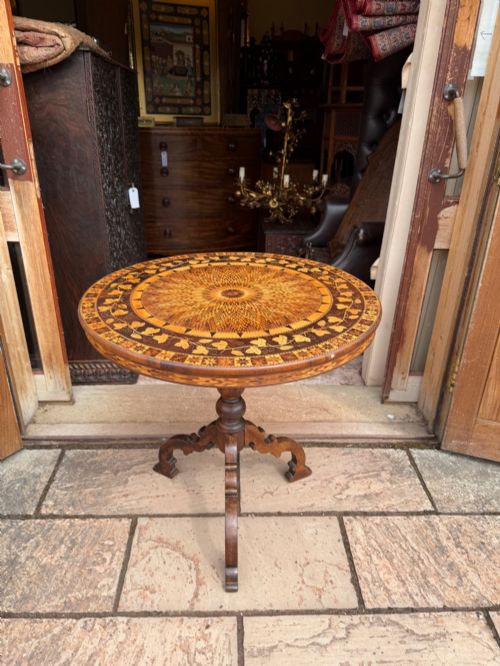
A brown parquetry table brings complex geometric timber patterns and polished ormolu mounts to a room, offering both decorative surface interest and practical utility.
Brown Parquetry Table
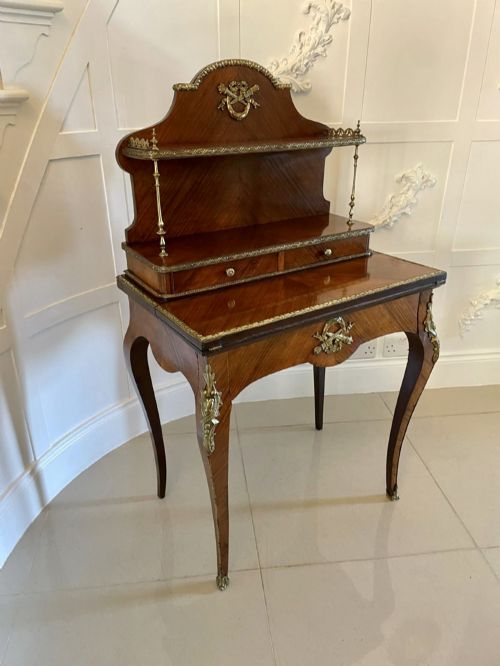
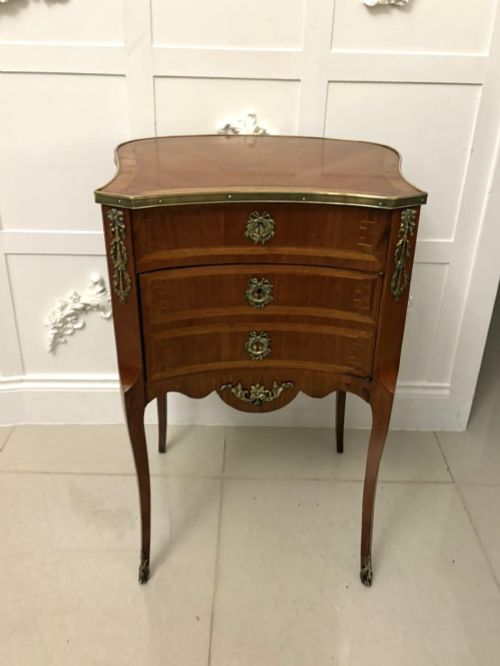
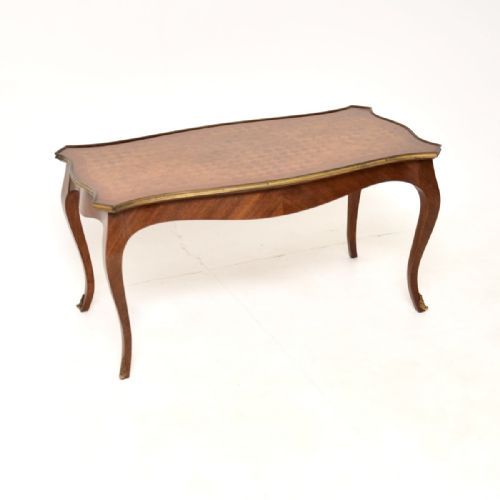
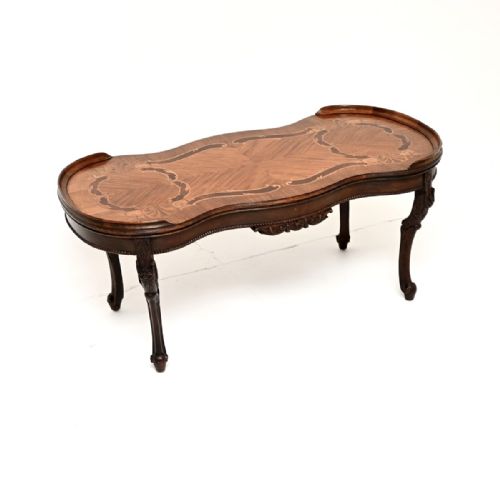
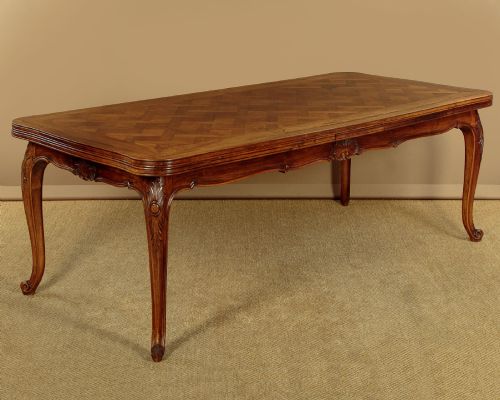
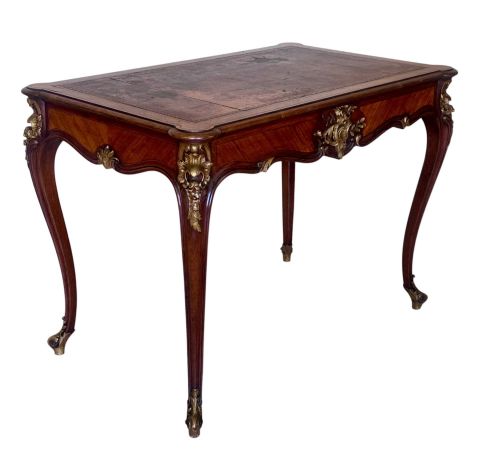
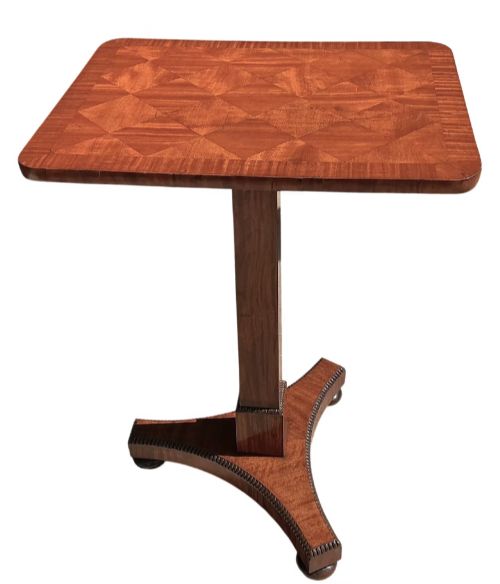
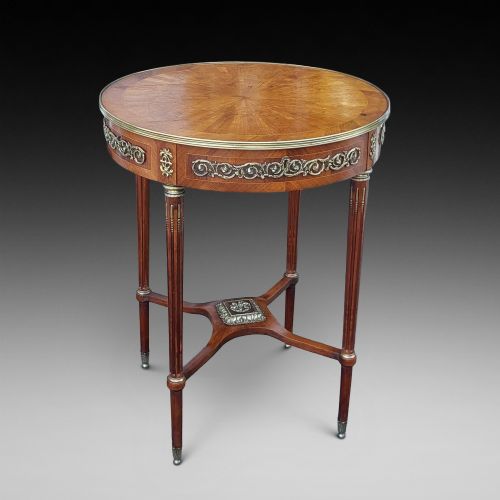
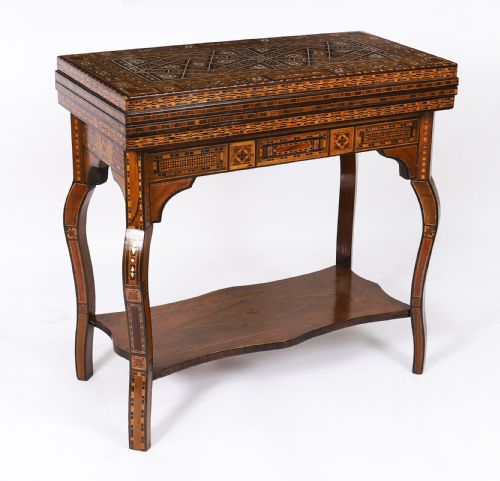
A brown parquetry table spans several forms in the evidence, from occasional and coffee tables to writing desks, games tables and larger dining pieces. Most examples originate from the nineteenth century or the early twentieth century, reflecting French revival designs such as Louis XV and Louis XVI styles.
The buyer searching for a brown parquetry table will most frequently encounter compact occasional pieces, side tables and desks. These smaller formats highlight the geometric wood arrangements clearly on the top surface while fitting readily into modern domestic spaces.
Originating largely from continental workshops and English makers influenced by French cabinet-making traditions, these tables combine robust structural timbers like oak and walnut with decorative surface veneers.
How they were made
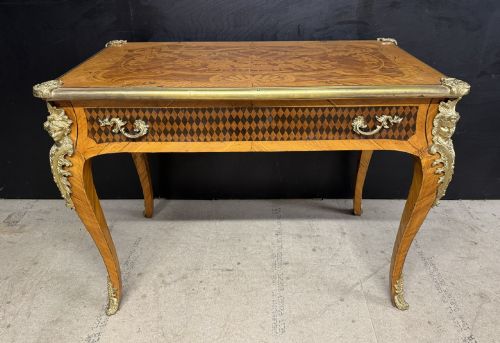
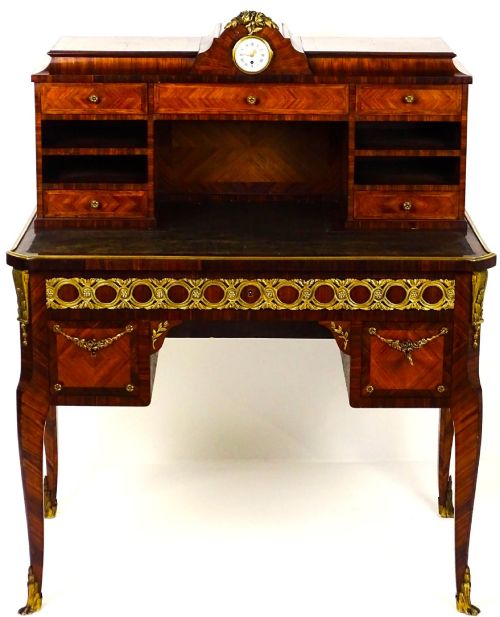
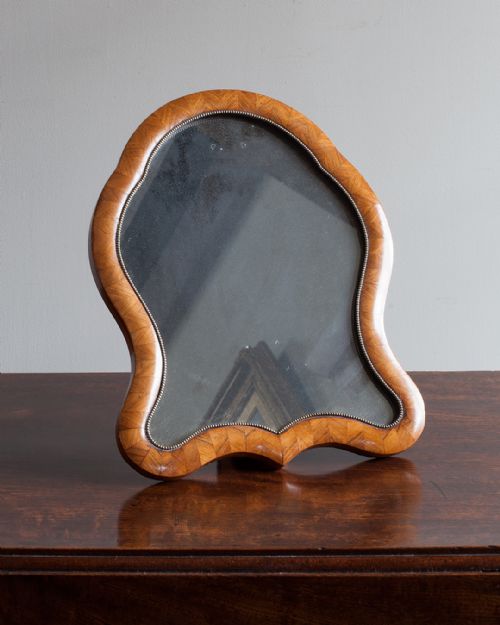
Makers constructed these tables by applying fine veneers of kingwood, walnut, rosewood and tulipwood onto stable carcass timbers such as oak. The parquetry and marquetry patterns were cut by hand and arranged meticulously to create contrasting tones and geometric depth across the top.
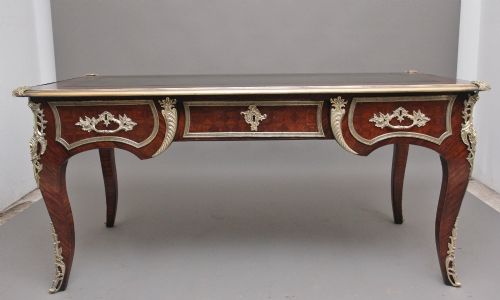
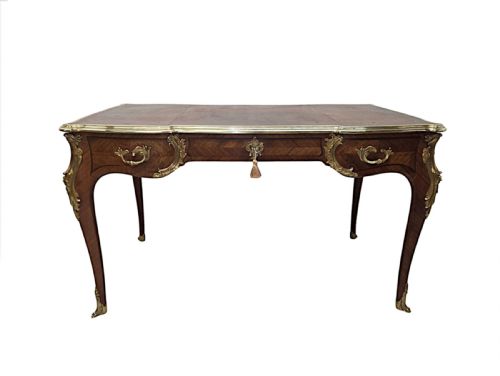
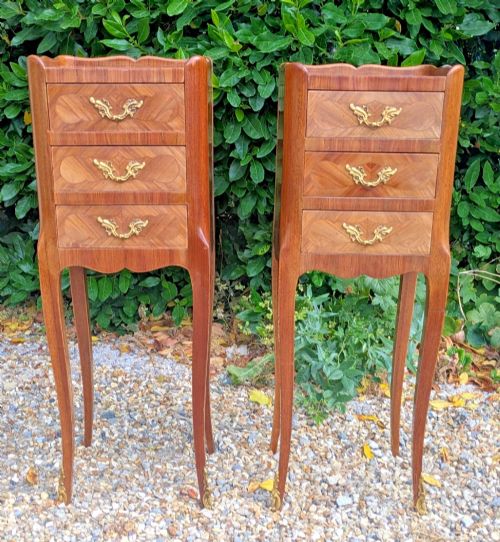
Gilt bronze and ormolu mounts were cast and chased then fixed to corners, legs and aprons to accentuate the contours of the table. Leather inserts also appear on writing surfaces, bordered by subtle gold tooling.
Listings feature pieces from the eighteenth century to nineteen-thirty, predominantly employing kingwood, walnut and ormolu mounts.
What varies in quality
The standard of a brown parquetry table rests on the precision of the veneer work and the crispness of the cast ormolu mounts. Finer pieces demonstrate seamless geometric alignment across the timber grain and substantial bronze detailing rather than stamped alloy.
Overall structural proportion and the selection of cabinet timbers also set pieces apart. Tables utilising dense exotic woods like kingwood and rosewood with balanced, elegant legs reflect higher workshop standards.
Paul Sormani·François Linke·CH Jeanselme Co·Ralph Turnbull·G T Morant
The Brown Parquetry Table Glossary
- Parquetry
- Geometric mosaic woodwork formed by small pieces of veneer arranged in repeating patterns such as cubes or chevrons. It provides a durable and decorative surface on table tops.
- Ormolu
- Gilded bronze ornamentation applied to the mounts, handles and feet of fine furniture. The technique involves coating copper alloy with a mercury-gold amalgam and firing.
- Bureau Plat
- A flat-topped freestanding writing desk, usually fitted with drawers in the frieze. These tables often display elaborate parquetry and bronze mounts on all visible sides.
- Marquetry
- The art of applying decorative pieces of veneer to a structure to form pictorial or ornamental designs. Unlike parquetry, it encompasses curving floral and scroll motifs.
Brown Parquetry Table: Frequently Asked Questions
Where were these tables placed?
These tables served various functions depending on their form, from parlour desks used for correspondence to games tables set up for chess and card play. Occasional tables stood beside seating to hold lighting or decorative objects.
Larger variants functioned as centre tables in principal rooms or as formal dining tables in opulent interiors.
How do I clean the timber?
Dust the parquetry surface regularly with a soft, dry cloth to prevent grit accumulation in the veneer joints. Apply a microcrystalline wax sparingly when the wood appears dry to nourish the finish.
Avoid liquid polishes containing silicone and keep the table away from direct heat sources to prevent veneer shrinkage.
How do I identify the period?
Examine the construction methods visible beneath the table, including drawer dovetails and timber seasoning marks. Nineteenth-century examples often draw heavily on earlier French royal styles like Louis XV and Louis XVI.
Materials such as kingwood and cast ormolu mounts point toward specific decades of revival production between eighteen-fifty and nineteen-thirty.
Can I use a games table daily?
Folding and pivoting games tables were designed for active use with integrated compartments for cards and chess pieces. Opening and closing the top requires gentle handling to protect the hinges and delicate veneer edges.
With careful placement away from direct sunlight, these tables withstand normal everyday use in a modern home.