

Brown Parquetry Chest
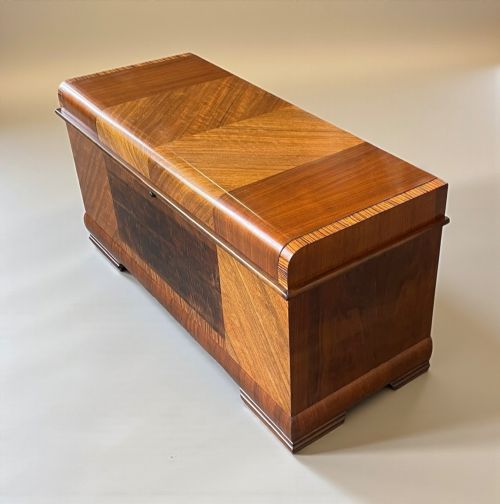
A brown parquetry chest brings geometric precision to a room through interlocking timber tiles.
Brown Parquetry Chest
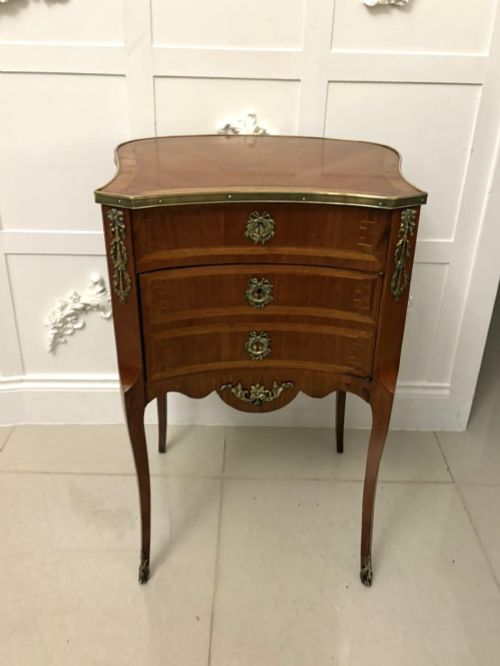
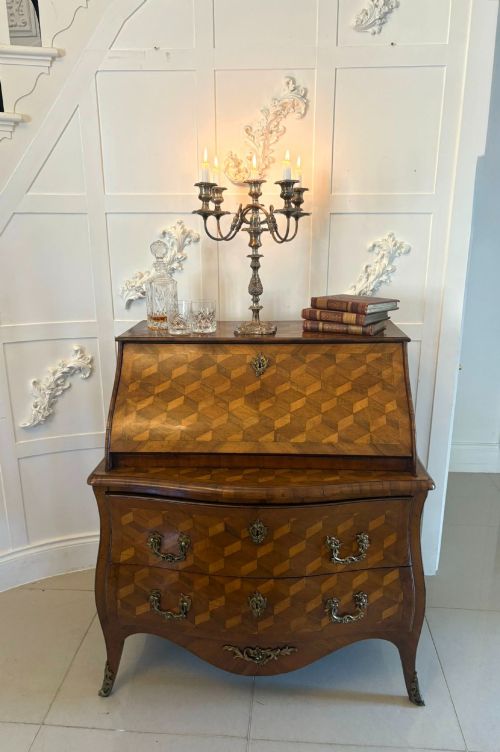
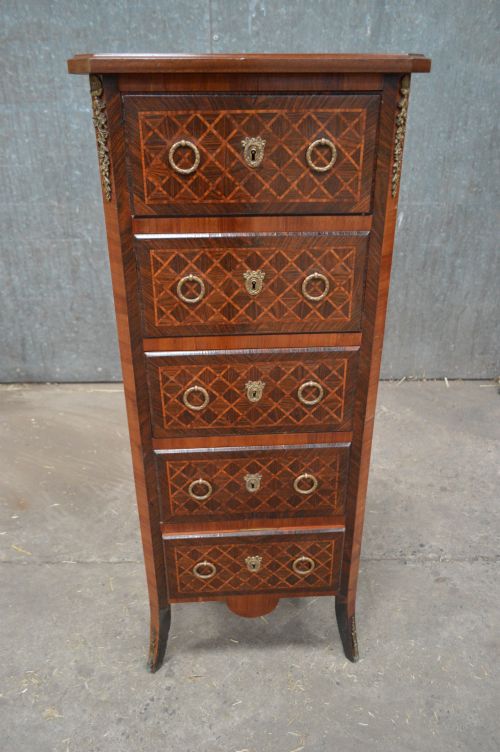
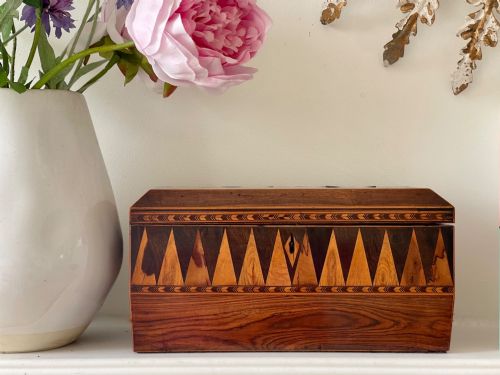
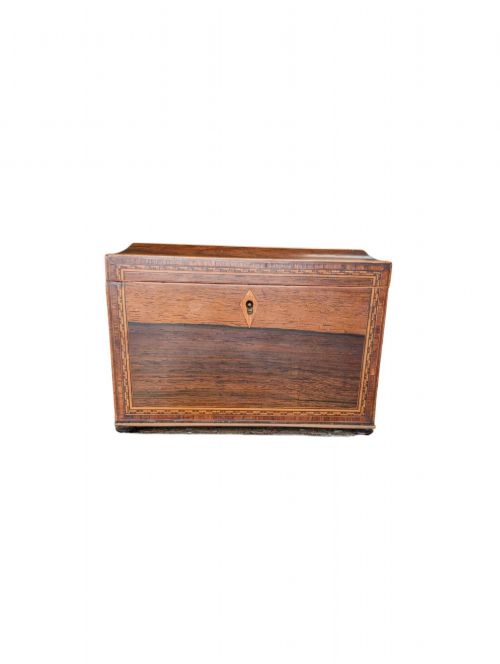
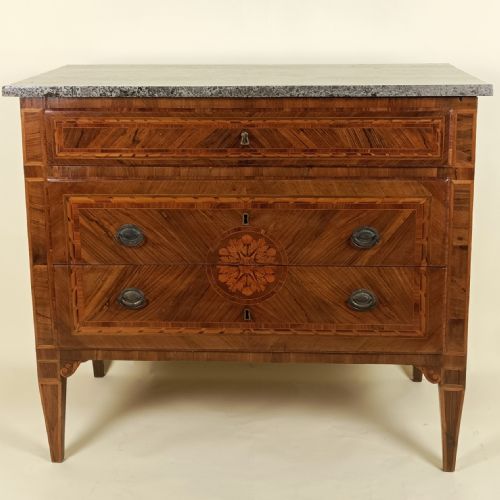
A brown parquetry chest draws the eye through intricate wood mosaics arranged in geometric patterns across the surface. These pieces range from bedside tables and tall chests of drawers to commodes and tea caddies spanning several centuries.
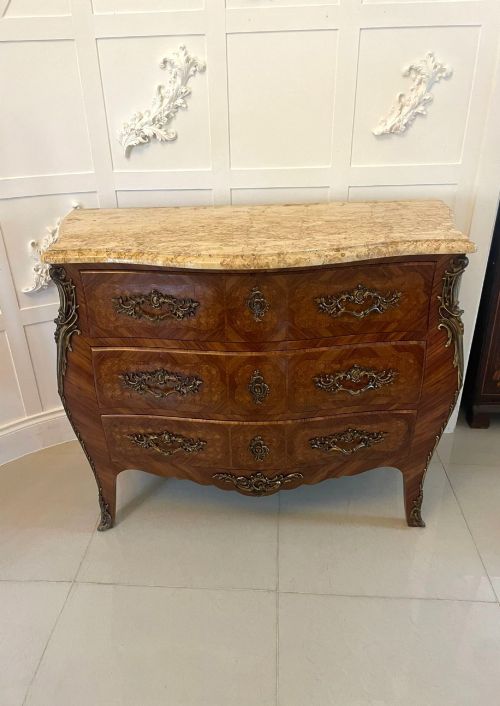
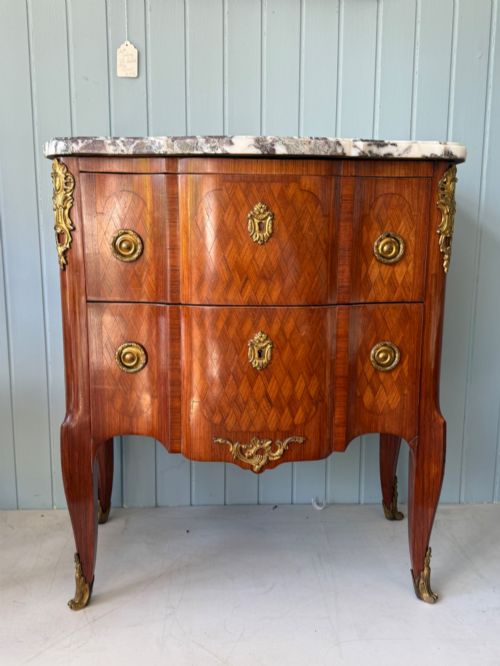
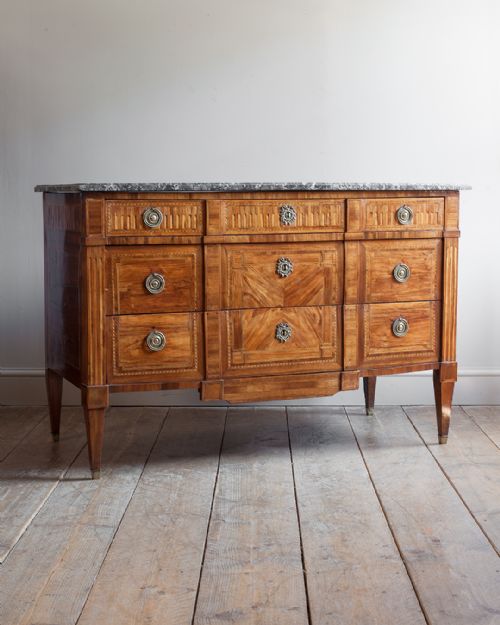
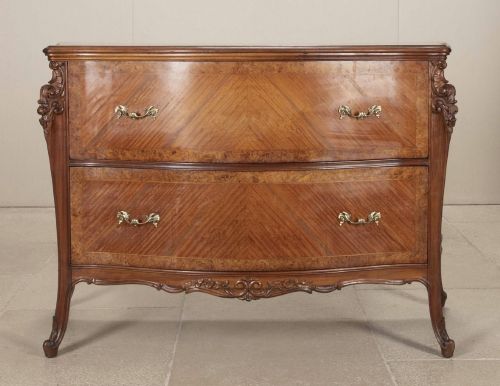
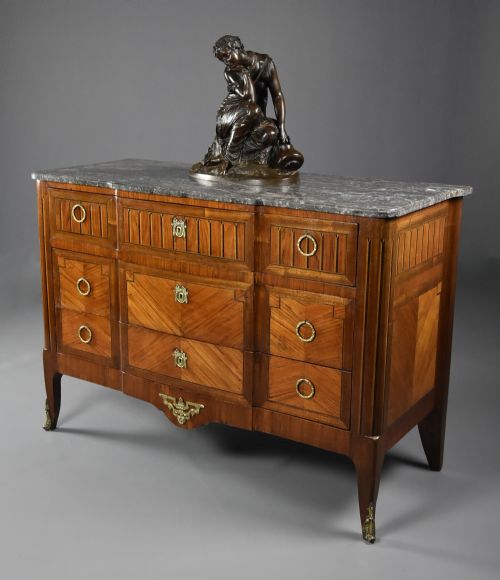
The 18th century and 19th century examples dominate the selection, often taking the form of French commodes with serpentine or bombe profiles. Buyers encounter revival styles such as Louis XV and Louis XVI alongside simpler Victorian and Art Deco iterations.
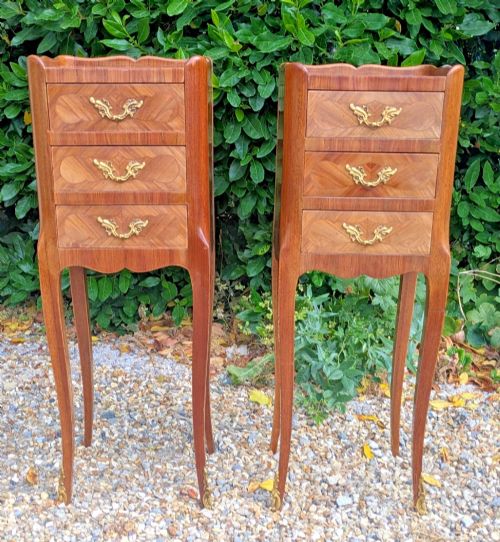
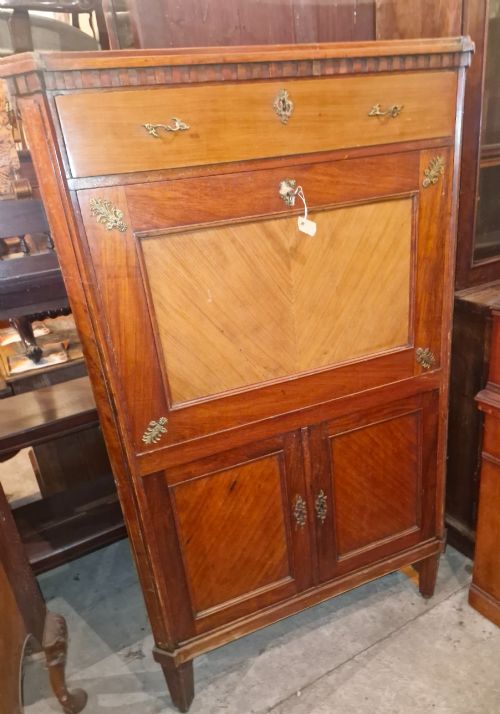
Makers utilised various cabinet forms, including side cabinets, drinks cabinets, and small bedside tables of neat proportions. Walnut, kingwood, and rosewood serve as the primary timber foundations for these geometric designs.
Materials and Construction
Cabinetmakers constructed the carcase using dense hardwoods like walnut, mahogany, fruitwood, and tulipwood, then applied carefully sliced timber veneers to the exterior. Individual pieces of contrasting wood were cut by hand and fitted tightly together to form geometric parquetry patterns.
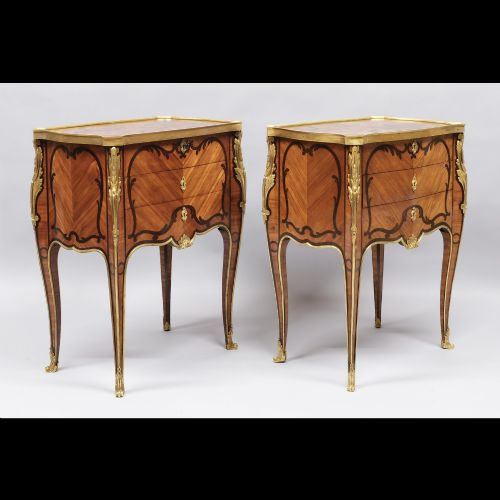
Many commodes incorporate heavy marble tops in white or scagliola, resting directly on the wooden frame. Gilt bronze, ormolu, and brass mounts frequently accent the corners, handles, and keyhole escutcheons.
Some tiny tea caddies manage to pack thousands of microscopic wood tiles into a box smaller than a loaf of bread.
Evaluating Quality
The precision of the veneer work dictates the standing of a piece, specifically how tightly the individual wood tiles join without visible gaps or excessive filler. Crisp geometry in the parquetry indicates skilled hand-cutting rather than hurried assembly.
Heavier mounts in bronze or ormolu and substantial original marble slabs signify higher workshops. Drawer construction, such as hand-cut dovetails and smooth internal framing, separates standard utility furniture from finer cabinetmaking.
Henry Hollamby·Sormani
The Brown Parquetry Chest Glossary
- Parquetry
- A geometric mosaic of wood veneer arranged in repeating patterns such as cubes, chevrons, or triangles. This technique transforms flat surfaces into decorative panels.
- Bombe
- A swelling, outward-curved contour found on the front and sides of certain chests and commodes. The shape requires advanced timber bending and shaping skills.
- Ormolu
- Gilt bronze mounts applied to furniture for decorative effect and edge protection. These fixtures add weight and visual richness to the piece.
- Scagliola
- A composite material made from selenite, glue, and pigments, mimicking natural marble. Artisans inlay and polish this substance to create ornate decorative tops.
- Tunbridge ware
- Small wooden objects decorated with mosaic patterns made from thousands of tiny tinted wood blocks. These items often take the form of tea caddies or keepsake boxes.
Brown Parquetry Chest: Frequently Asked Questions
What is a parquetry chest?
A parquetry chest is a storage piece decorated with small pieces of wood arranged in geometric patterns. These designs create a textured, tiled surface across drawers and doors.
Craftsmen selected contrasting timbers to highlight the angles and shapes of the mosaic. Such chests function as focal points in bedrooms and living spaces alike.
How do I identify a French commode?
French commodes typically feature curved or serpentine fronts supported by cabriole or tapered legs. Many examples include decorative metal mounts and fitted marble tops.
These pieces were originally designed for bedroom storage or formal reception rooms. Their proportions tend to be lower and wider than standard chests of drawers.
What is the difference between marquetry and parquetry?
Parquetry relies strictly on geometric arrangements like cubes, squares, and chevrons. It forms abstract patterns using the natural grain and colour of the wood.
Marquetry, by contrast, depicts pictorial scenes, flowers, or scrolls using varied veneers. Both techniques appear on antique chests from the eighteenth and nineteenth centuries.
Where should I place a bedside cabinet?
Compact bedside cabinets fit easily beside standard bed frames to hold lamps and small items. Their enclosed cupboards or drawers keep nighttime essentials out of sight.
Matching pairs provide visual symmetry on either side of a bed. Smaller tables also serve well as occasional stands in living areas.