
Brown Oriental Tables
Brown oriental tables bring rich woods and distinct regional styles into a room, offering practical surfaces with deep cultural character.
Brown Oriental Tables
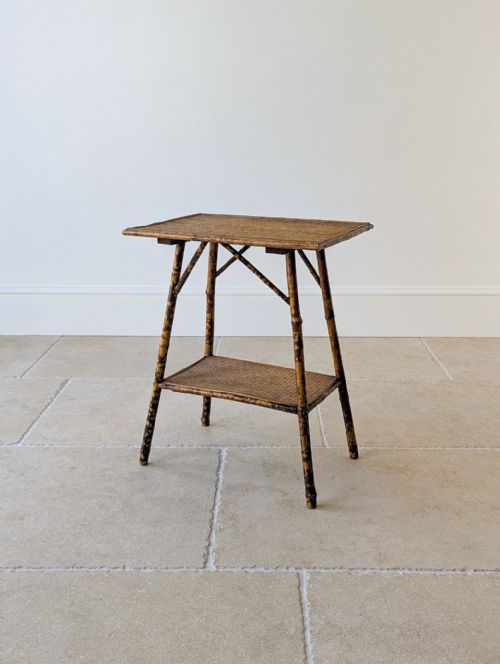
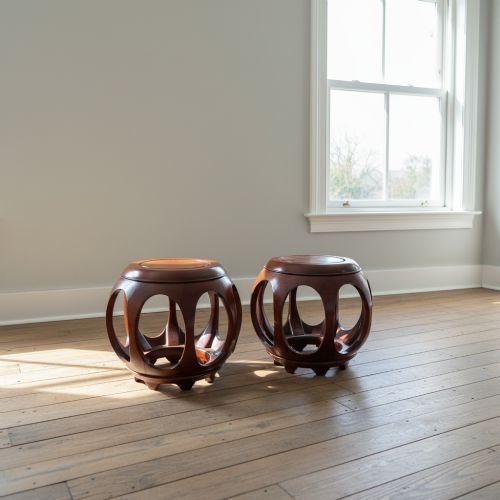
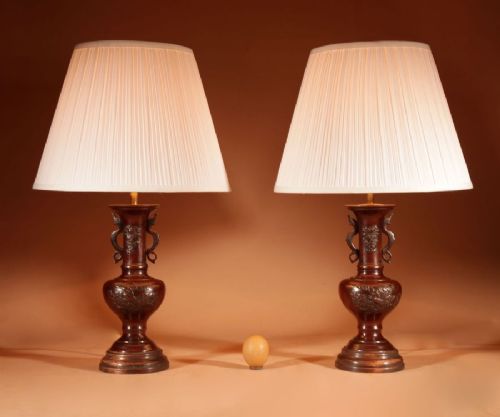
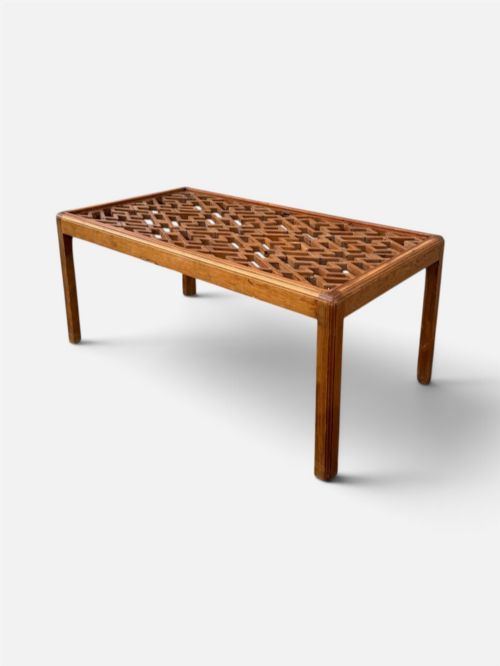
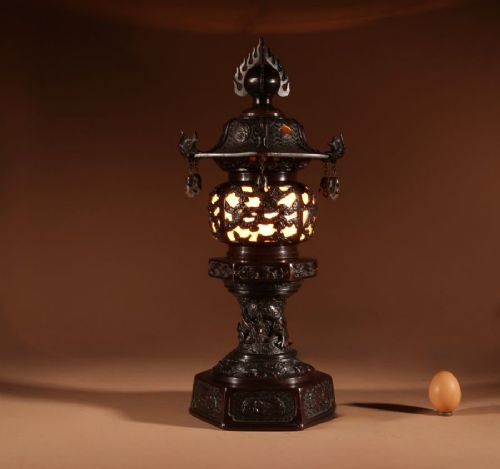
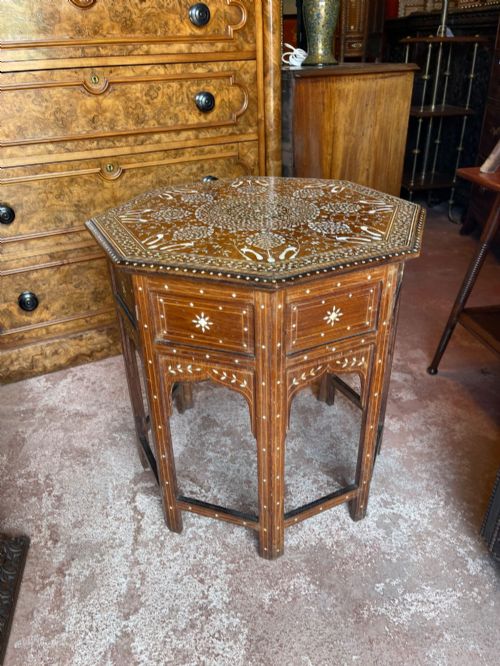
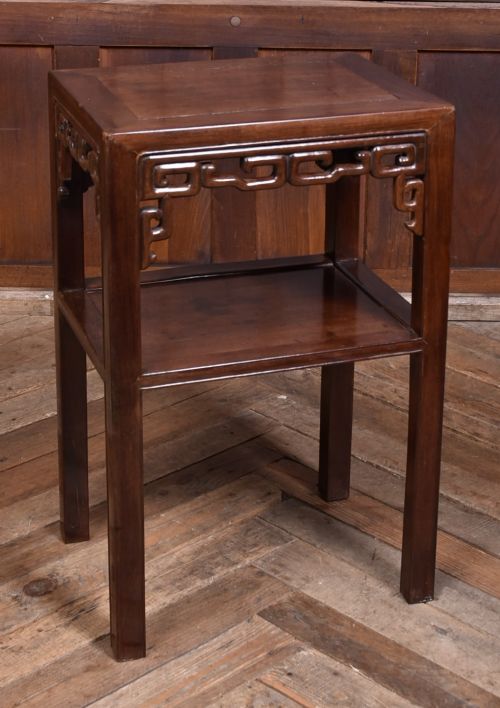
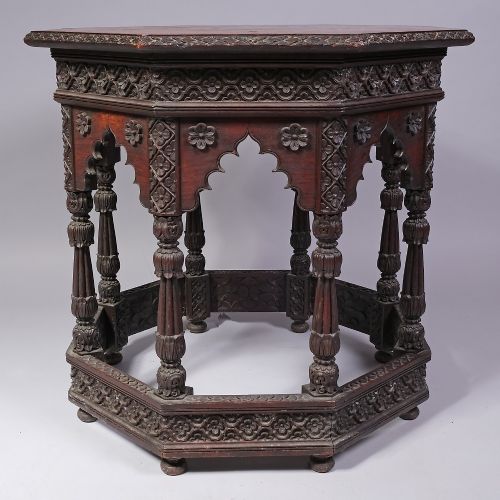
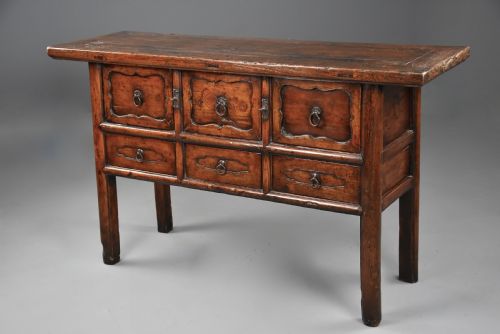
When buyers search for brown oriental tables, they encounter low coffee tables, occasional stands, and nested sets spanning the nineteenth and early twentieth centuries. These pieces reflect diverse traditions, including Chinese hardwood designs, Anglo-Indian craftsmanship, and Victorian bamboo interpretations.
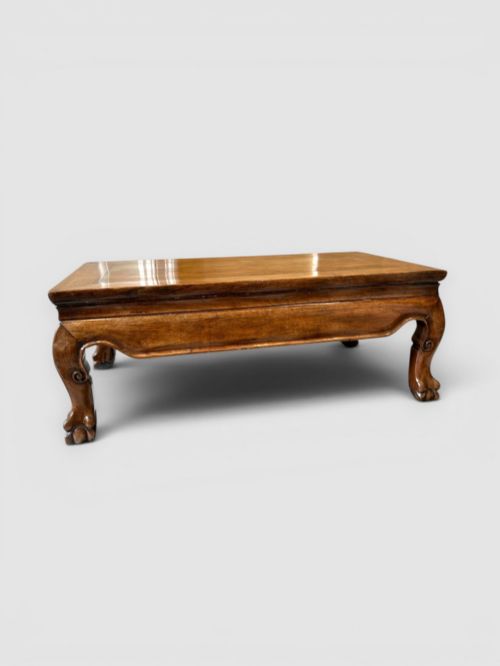
The selection ranges from rustic elm opium tables to formal huanghuali nesting sets and carved hardwood stands. Most items originate from nineteenth-century workshops, capturing traditional forms adapted for domestic use.
Materials and construction methods
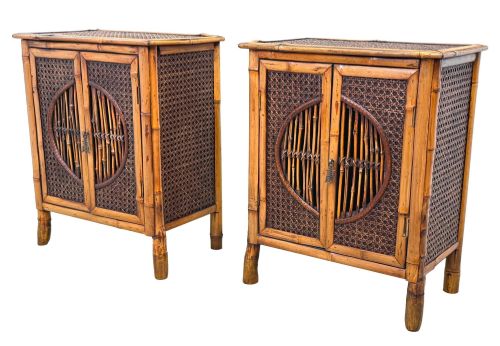
Craftsmen utilised dense timbers such as hardwood, teak, rosewood, and elm to build these tables, often highlighting the natural grain and colour. Selected pieces integrate brass hardware, lacquer finishes, or bamboo framing to provide structural contrast and detail.
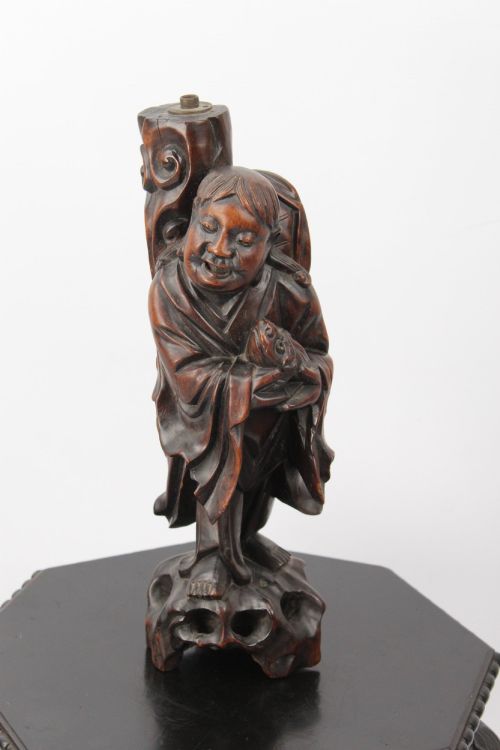
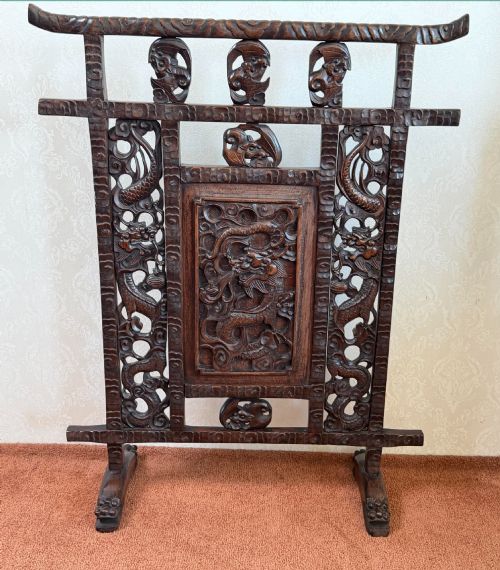
Joinery techniques relied on traditional framing methods that allowed solid wood panels to expand and contract with humidity changes. Carved decorative elements, fretwork panels, and rootwood structures demonstrate regional woodworking skills passed down through generations.
The listings feature pieces built from hardwood, elm, teak, rosewood, lacquer, and bamboo, spanning the nineteenth and twentieth centuries.
Assessing quality in the range
Quality separates simple utility items from pieces displaying superior timber selection, such as exceptional grain patterns in huanghuali or burr wood. The crispness of hand carving and the integrity of the original polish or lacquer finish distinguish finer workshop production.
Structural stability and the preservation of original components dictate the standing of an individual table. Examples retaining their authentic patina and uncompromised joinery hold greater integrity than heavily restored or altered counterparts.
Liberty's
The Brown Oriental Tables Glossary
- Opium table
- A low rectangular wooden table traditionally used in East Asia for serving tea or smoking. These sturdy low tables now function well as compact coffee tables.
- Nest of tables
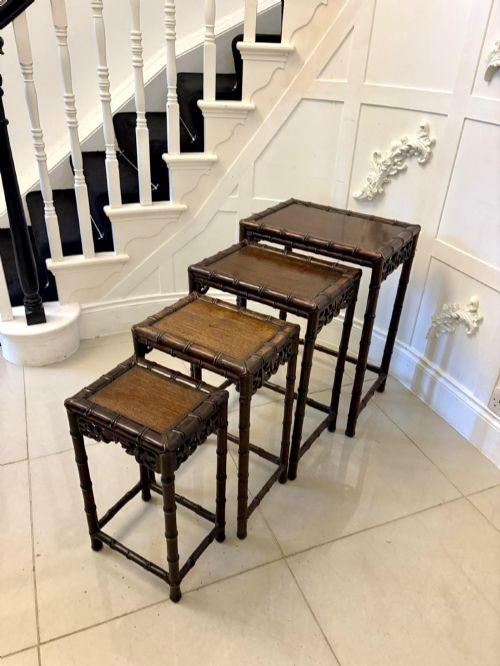
- A set of graduated tables designed to fit neatly beneath one another when not in use. This practical form became popular in both Asian export workshops and European Victorian furniture production.
- Rootwood
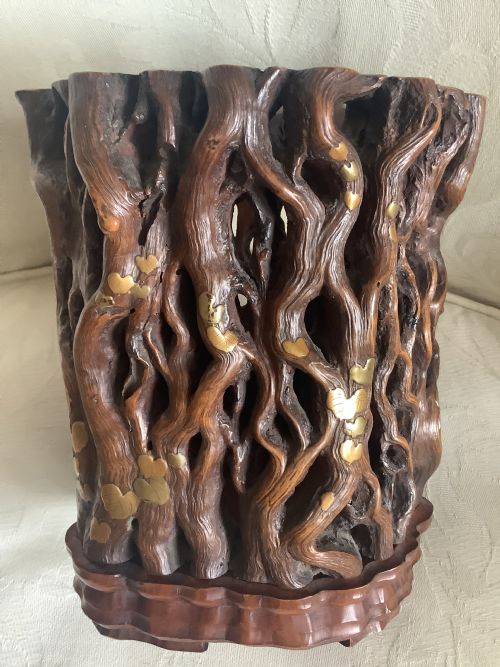
- Timber fashioned from the root systems of trees, shaped by natural growth into complex, organic forms. Artisans carved and polished these sections to create expressive stands and tables.
- Anglo-Indian
- A style of furniture produced in India under British rule, combining traditional local carving techniques with European forms. These pieces often feature dense hardwood and intricate foliate motifs.
Brown Oriental Tables: Frequently Asked Questions
What is an opium table used for?
These low wooden tables originated for serving tea, dining, or relaxing near the floor in traditional households. Today, their low profile makes them suitable as compact coffee tables in modern living spaces.
Their sturdy construction and modest height allow them to sit comfortably beneath windows or anchor a seating area without blocking sightlines.
How do I identify Chinese hardwood furniture?
Chinese hardwood tables display dense timbers like huanghuali, rosewood, or elm, often finished with a clear polish that accentuates the natural grain. Look for traditional joinery methods that utilise interlocking wooden joints rather than modern metal fasteners.
Carved details on these pieces typically feature traditional motifs, geometric fretwork, or simple recessed panel construction characteristic of historical workshops.
What is a nest of tables?
A nest of tables consists of multiple small tables graded in size so they slide smoothly underneath the largest one. This clever design provides flexible surface space that can be expanded or stored away instantly.
Originating in various forms across Asian export trade and nineteenth-century European cabinet making, they offer practical versatility for entertaining.
How do I care for antique wooden tables?
Maintain these wooden surfaces by keeping them away from direct heat sources and strong sunlight, which can dry out the timber and fade the polish. Dust regularly with a soft cloth and occasionally apply a quality wax suited to antique furniture.
Avoid using modern liquid polishes or silicone sprays, as these can build up a residue and soften the original vintage finish over time.