



Brown Oil Canvas Artwork
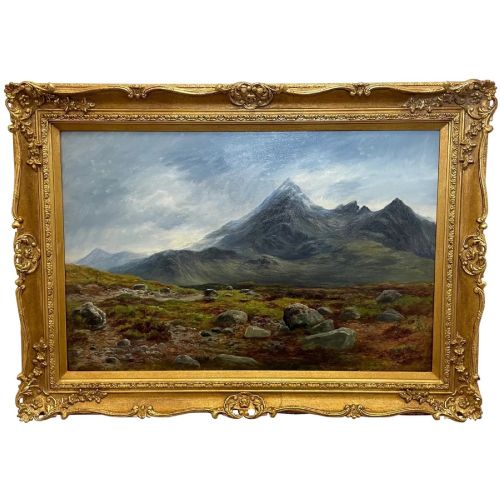
When you search for brown oil canvas artwork, you are looking at centuries of painted portraits, landscapes, and still lifes built with layered pigments.
Brown Oil Canvas Artwork
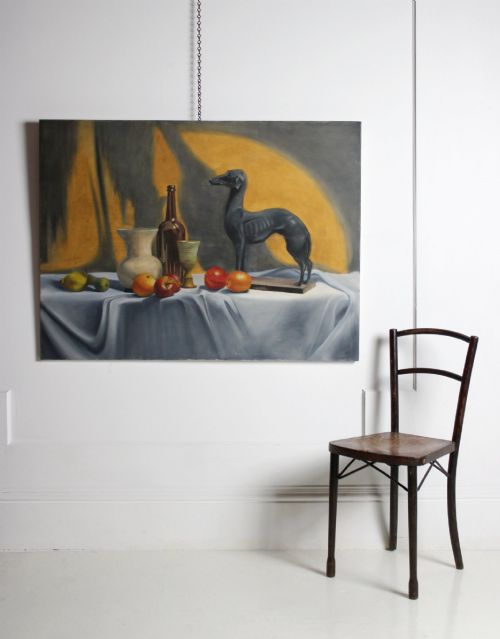
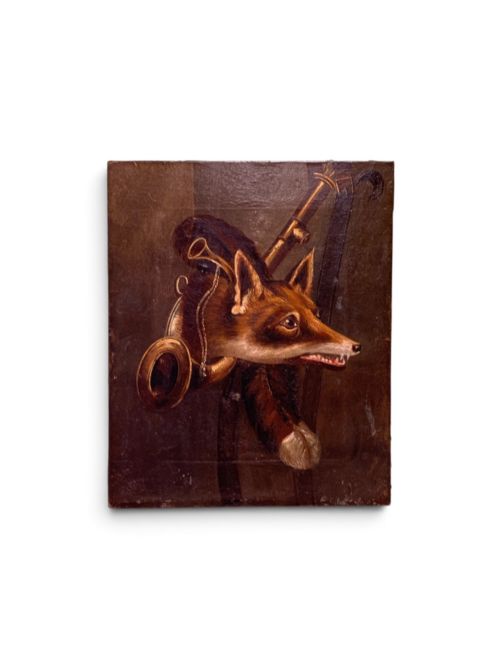
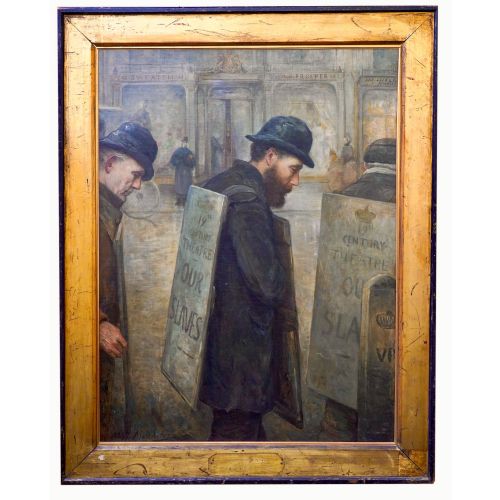
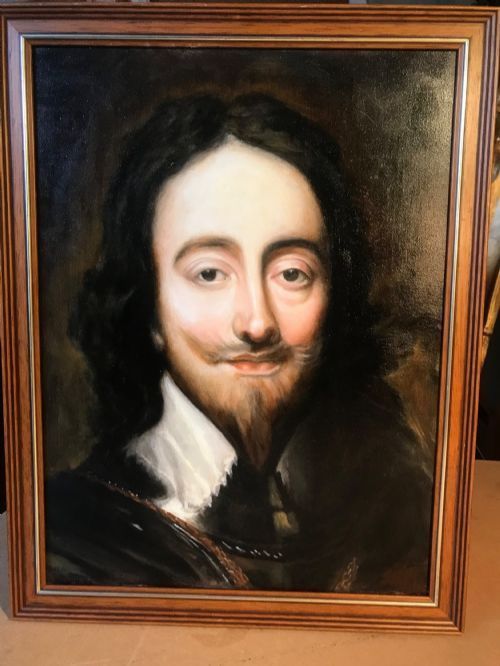
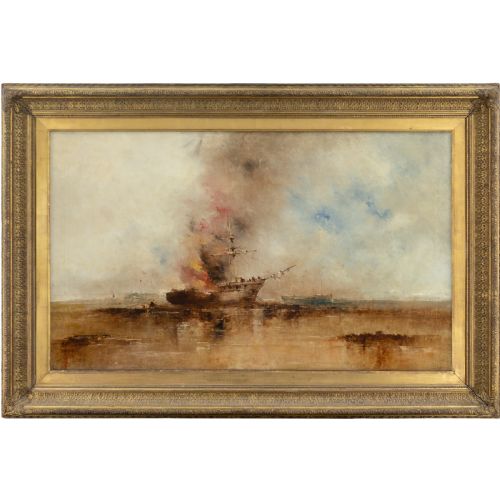
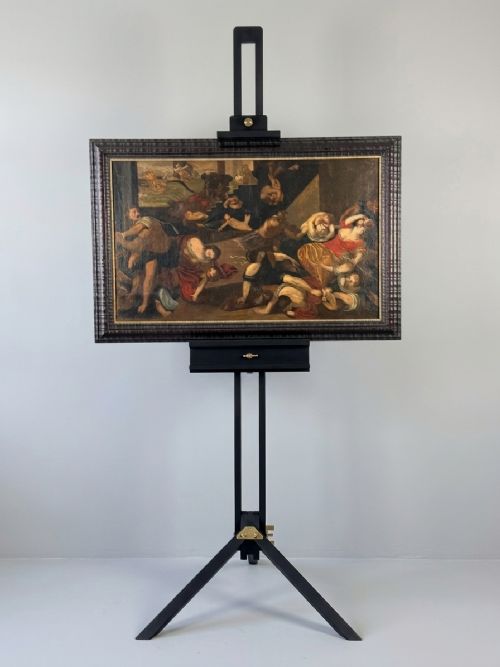
When you search for brown oil canvas artwork, you encounter paintings spanning from the seventeenth century through the mid twentieth century. The selection ranges from monumental portraits and classical history scenes to rustic landscapes, animal studies, and still lifes.
You are most likely to meet nineteenth century and Victorian examples alongside seventeenth century portraits and early twentieth century British or French school pieces. These works appear as oil paintings on canvas or board, often framed in period giltwood or gesso.
How they were made
Artists built these works using oil paint applied to stretched canvas or wooden panels, frequently utilising rich, dark earth tones and warm amber glazes. Pigments were worked in layers to create depth in shadows, particularly evident in seventeenth century portraits and nineteenth century landscape scenes.
Many surviving examples retain their original support materials alongside carved frames finished with gold leaf and gesso. The physical structure relies on traditional stretcher frames and dense woven canvas that hold the oil medium over generations.
Brown Oil Canvas Artwork Retail Price Guide 2026
Typical asking prices for brown oil canvas artwork among the pieces listed under this phrase on Sellingantiques today, from the lower quarter to the upper quarter. They describe what is for sale here now, not the wider market.
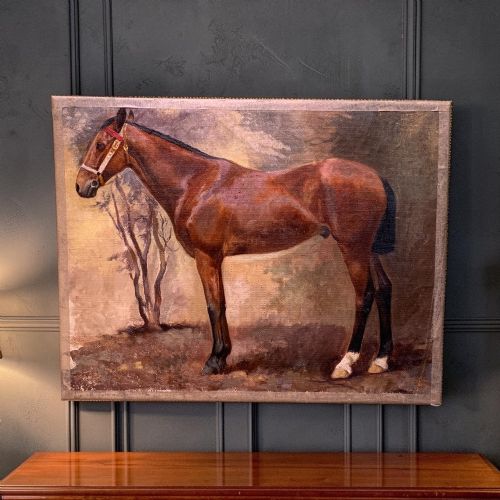
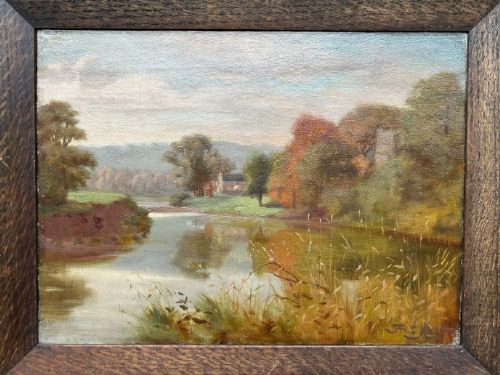
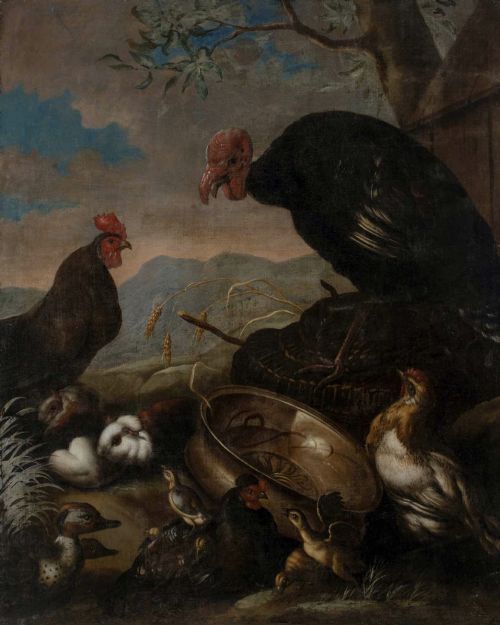
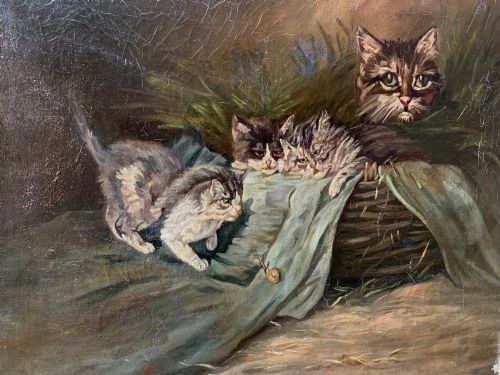
Among the canvas portraits and pastoral scenes, watchful dogs, racing pigeons, and even a curious snail share space with seventeenth century judges.
What varies in quality
Quality in these paintings rests upon the confidence of the brushwork, the handling of light and shadow, and the anatomical or spatial accuracy of the composition. Finer works demonstrate a subtle command of tonal gradation, especially within dark backgrounds and complex portraiture.
The preservation of the pigment layer and the integrity of the canvas support also separate standard decorative pieces from accomplished master works. Original frames matching the period of the painting elevate the overall character of the piece.
Kenneth Cozens·William Beattie Brown·Felix Stone Moscheles·William H Myers·Sir Peter Lely·Valentine T Garland·Frederick Marriott·Angelo Maria Crivelli·Sir Anthony Van Dyck·William McAlpine·Sir Godfrey Kneller·Mary Beale·Maurice of Nassau·Alfred Fontville de Breanski·B Nash·Herbert Royle·Edouard Pingret·J M W Turner·Samuel De Wilde·Albert Clark
The Brown Oil Canvas Artwork Glossary
- Canvas
- A heavy woven fabric, usually linen or cotton, stretched tightly across a wooden frame to serve as a foundation for oil painting.
- Gesso
- A plaster mixture used as a smooth base on wooden panels or frames before gilding or painting.
- Giltwood
- Wood that has been coated with a thin layer of gold leaf or gold paint, frequently seen on antique picture frames.
- Old Master
- A term for a European artist of high skill working before about eighteen hundred, or a painting created by such an artist.
- Genre painting
- Artwork that depicts scenes from everyday life, ordinary people, or domestic subjects rather than grand historical or religious themes.
Brown Oil Canvas Artwork: Frequently Asked Questions
What periods do these oil paintings cover?
The listings span multiple centuries, starting from the seventeenth century and moving through the eighteenth and nineteenth centuries into the Victorian, Edwardian, and mid twentieth century eras.
This broad timeline includes seventeenth century portraits, nineteenth century sporting art, and twentieth century landscapes.
How should I care for an oil on canvas?
Keep paintings away from direct sunlight, high humidity, and rapid temperature changes that can cause the canvas or wood to warp and the oil paint to crack.
Dust the surface gently with a soft, dry brush and avoid using water or cleaning solvents on the paint layer.
Are these paintings supplied with frames?
Many pieces come within their period frames, which often feature gesso and gold leaf ornamentation that matches the age of the artwork.
Descriptions note the presence of original or period-appropriate frames where applicable.
How do I identify the subject of a portrait?
Portraits frequently include inscriptions, handwritten notes on the reverse, or distinct heraldic elements that name the sitter or the artist.
Stylistic clues such as costume, wig styles, and painting techniques also help narrow down the date and school of the work.