
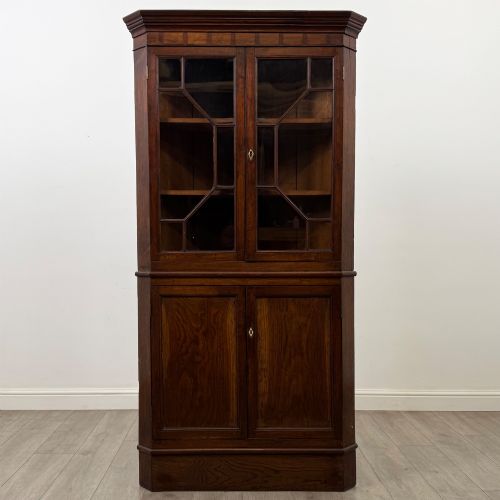
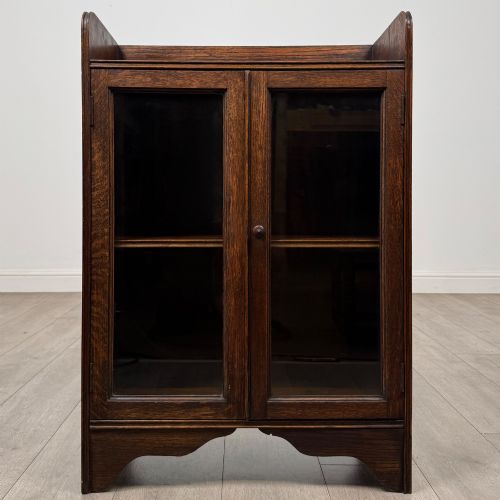
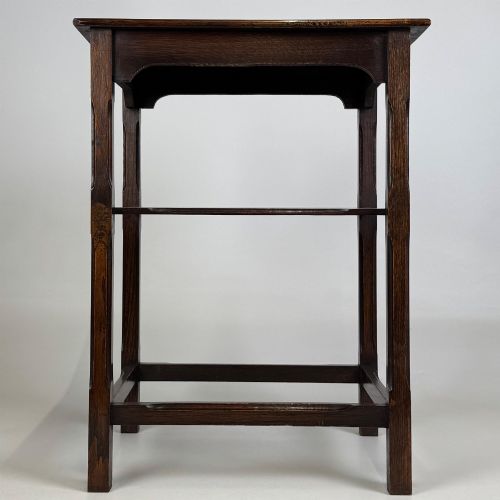
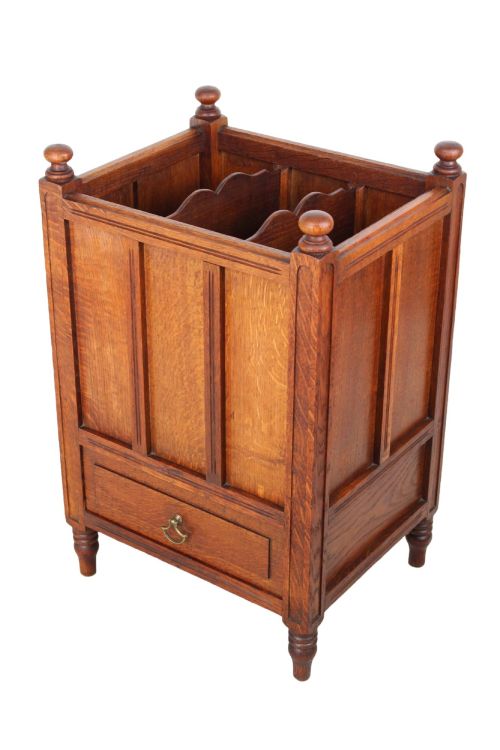
Brown Oak Standing Cabinet
These brown oak standing cabinets span centuries of solid joinery, offering practical vertical storage grounded in rich, figured timber.
Brown Oak Standing Cabinet
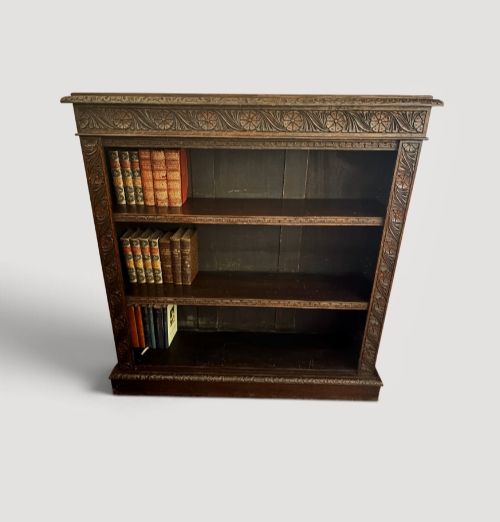
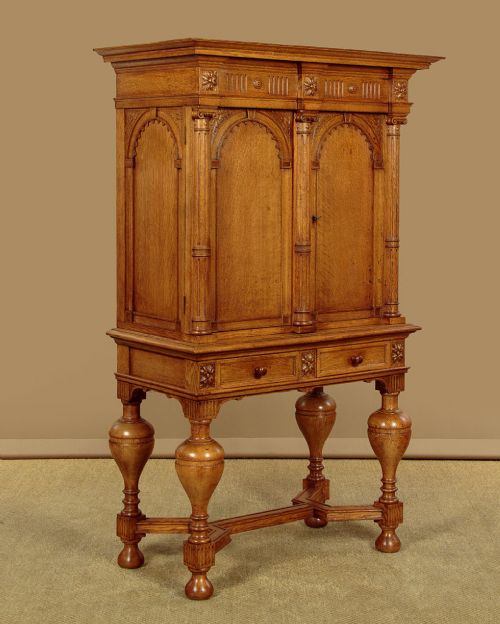
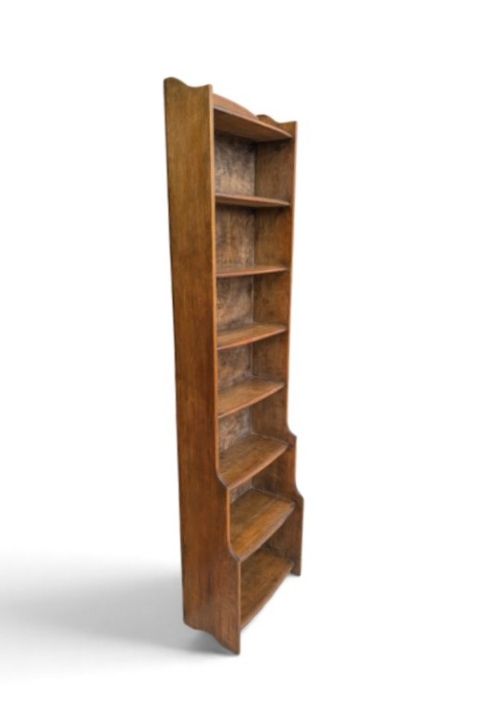
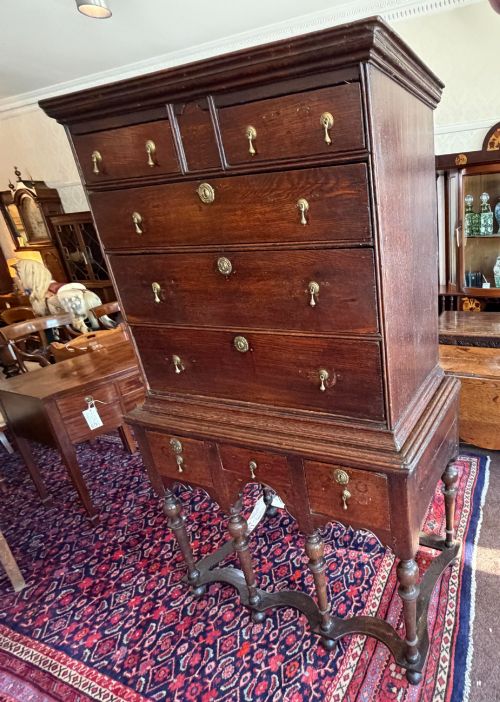
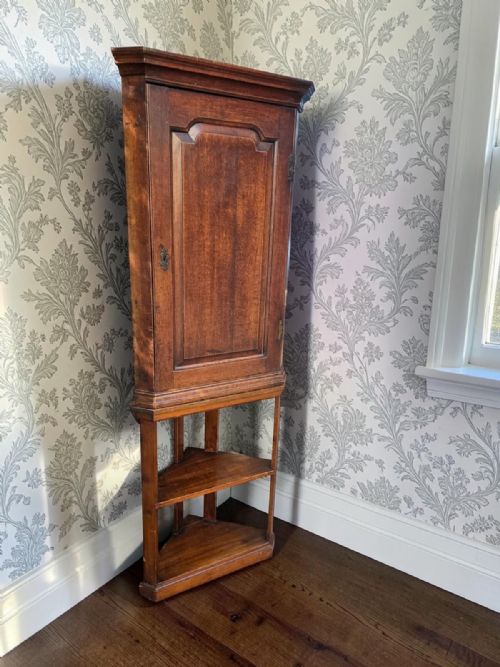
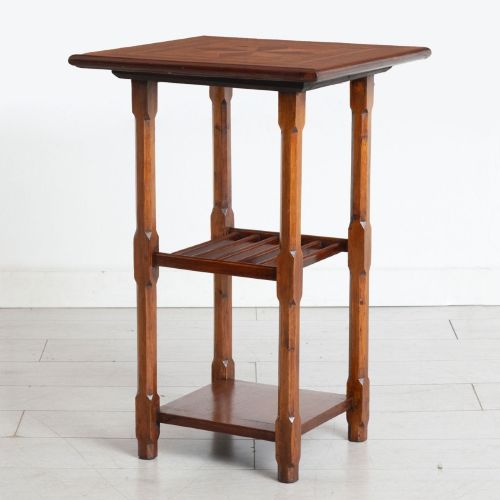
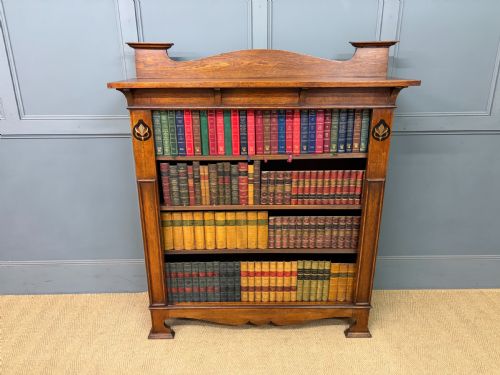
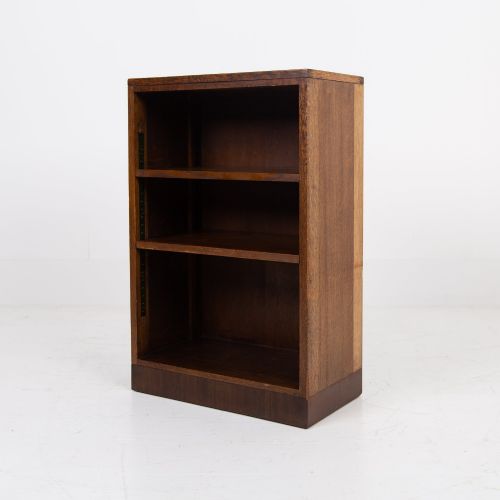
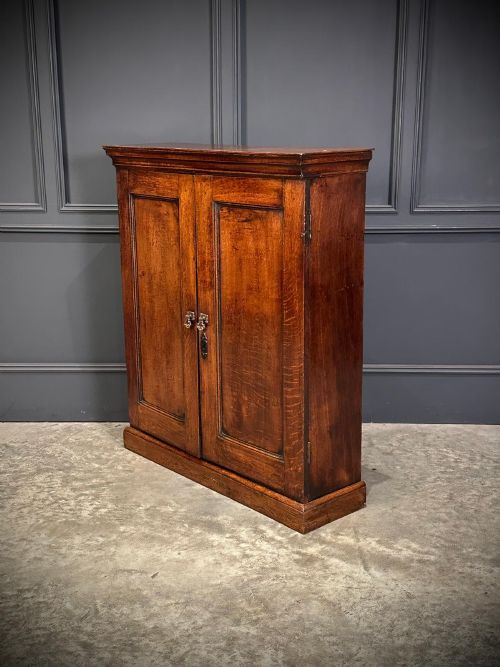
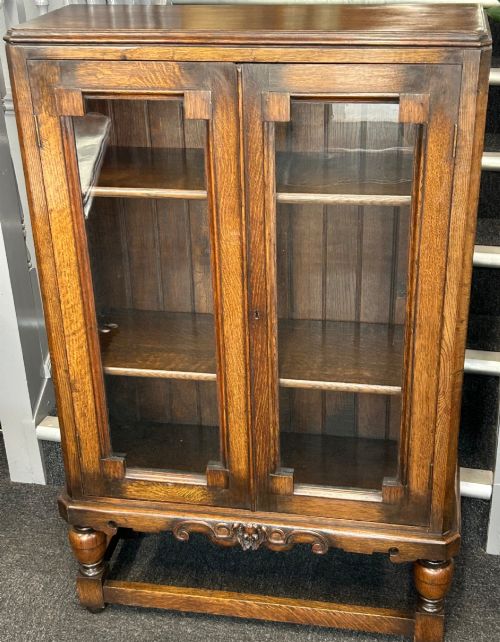
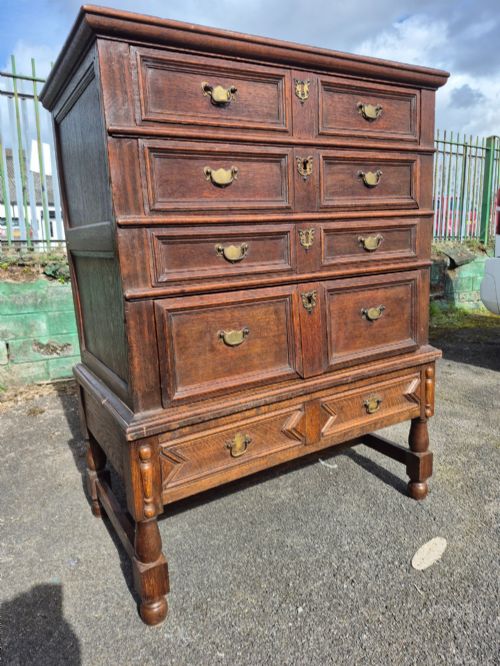
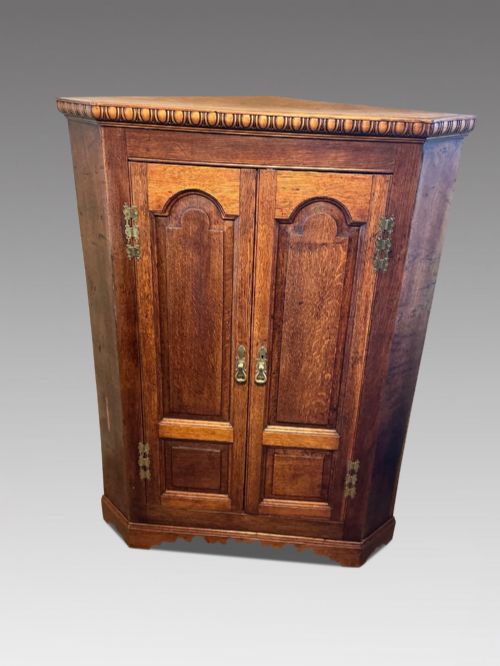
When you search for a brown oak standing cabinet, you encounter vertical storage forms that range from tall corner cupboards and display cases to bookcases and tall chests on stands. The pieces span periods from the seventeenth century through the Georgian era and into Edwardian and later twentieth-century revivals.
You are most likely to meet floor-standing corner cabinets, upright bookcases, and cupboards elevated on stands rather than low furniture. These upright designs make efficient use of floor space while showcasing the distinctive grain and deep colour characteristic of mature oak.
Materials and construction methods
Makers utilised solid oak combined with secondary timbers like fruitwood and specimen woods for inlay work, relying on heavy iron and brass hardware for hinges and locks. Glazed doors incorporate glass panels, while structural elements depend on traditional joinery rather than modern adhesives.
Surface preparation involves hand-finishing timber to highlight the natural figuration of the wood. Metalwork such as original blacksmith locks and iron hinges often accompanies early period pieces, contrasting with the refined brass fittings of later centuries.
Materials across the selection range from solid oak and fruitwood to brass, iron, glass, and specimen wood inlays.
Distinguishing quality across periods
The standard of carving and timber selection determines where a piece sits within the range. Early examples display deep, hand-executed relief work and dense, richly patinated oak, whereas later revival pieces rely on machine milling and simpler surface detailing.
Integrity of construction and originality of components separate standard items from finer examples. Pieces retaining their original hardware, glass, and stands demonstrate a higher degree of preservation than those altered or assembled from disparate elements over time.
James Shoolbred·U Phone of Leeds
The Brown Oak Standing Cabinet Glossary
- Chest on stand
- A cabinet or set of drawers elevated on a separate framework of legs. This form lifts storage off the floor, lightening the overall visual weight.
- Corner cabinet
- A storage unit specifically built to fit into the ninety-degree angle of a room. These utilise otherwise neglected space.
- Livery cupboard
- An early storage piece traditionally used for food or provisions, featuring panelled doors for ventilation. Surviving examples often display vernacular carving.
- Quarter sawn
- A method of cutting logs that produces prominent medullary rays across the timber face. This grain pattern appears frequently in Arts and Crafts furniture.
- Panelled door
- A door construction where a central flat or raised panel floats within a grooved frame. This technique accommodates the natural expansion and contraction of solid timber.
Brown Oak Standing Cabinet: Frequently Asked Questions
How do I date an oak cabinet?
Examine the construction marks, timber selection, and hardware style to establish the period of manufacture. Tool marks on the interior boards and the presence of hand-forged ironwork often indicate earlier centuries.
Later pieces from the Edwardian era or the nineteen-thirties display machine-cut elements and standardised fixings. Comparing the drawer joints and panel construction helps narrow down the decade.
What is brown oak?
Brown oak is a natural phenomenon occurring when heartwood develops a rich, deep brown hue due to fungal activity in the living tree. This process enhances the colour without weakening the structural integrity of the timber.
Furniture makers prized this wood for its striking visual depth and distinctive grain patterns. It appears across multiple eras, particularly in vernacular and revival pieces.
Where should I place a standing cabinet?
Floor-standing vertical cabinets suit corners, hallways, and living spaces where floor area is limited. Tall bookcases and corner cupboards anchor empty walls while providing substantial enclosed storage.
Keep wooden cabinets away from direct heat sources and strong sunlight to prevent the timber from drying out or splitting. Maintaining stable room humidity preserves the finish and structural joints.
How do I care for antique oak?
Dust the surfaces regularly with a soft, dry cloth to prevent dirt accumulation on the timber grain. Avoid silicone-based polishes, which can build up and dull the historic finish over time.
Apply a traditional beeswax occasionally to nourish the wood and maintain its natural lustre. Gentle care preserves the patina developed over centuries of use.