





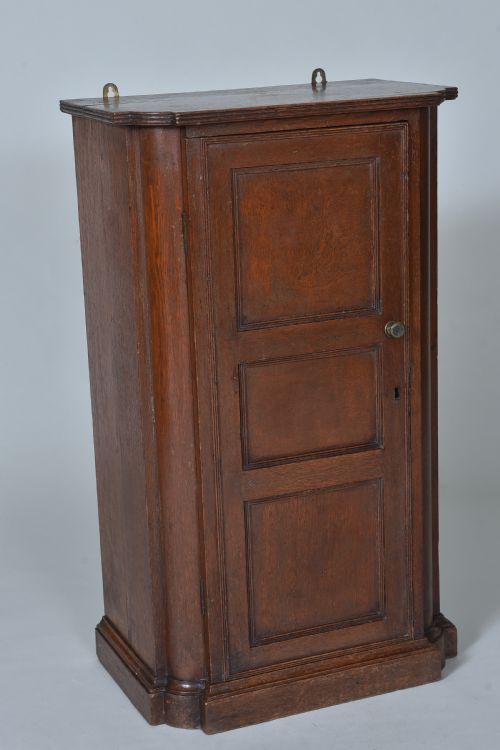


Vintage Single Panel Cupboard
These vintage single panel cupboard pieces offer compact storage and timber character, combining period craftsmanship with daily utility.
Vintage Single Panel Cupboard
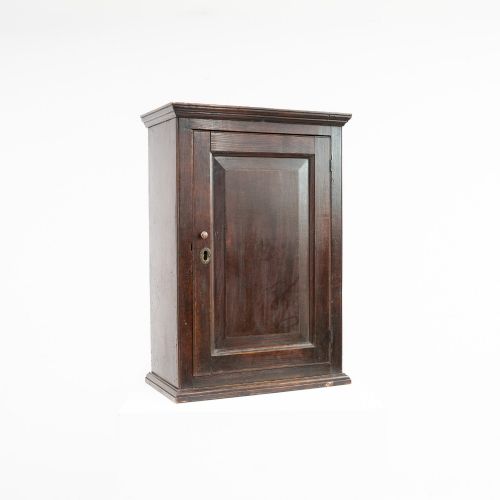
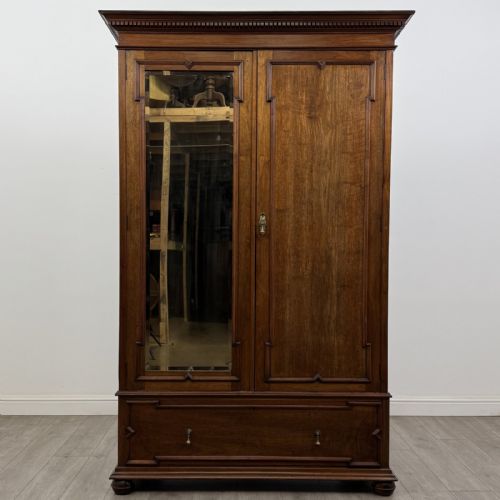
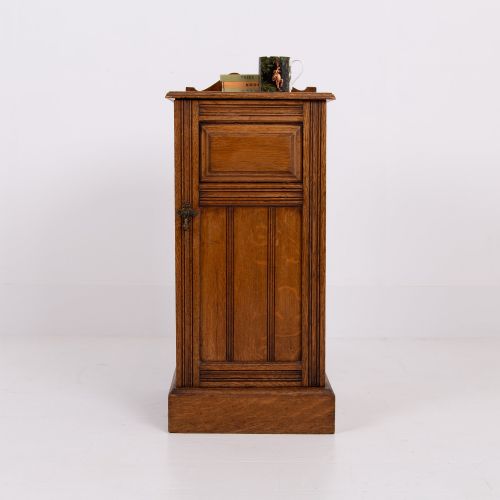
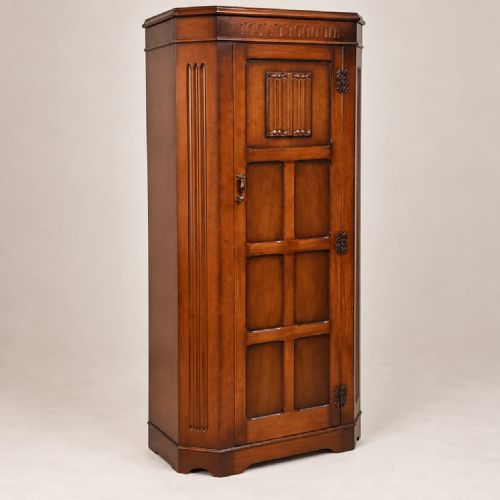
When you search for a vintage single panel cupboard, you encounter a focused form of storage built across several centuries. These items range from small pot cupboards and bedside cabinets to corner cupboards, wall cupboards, and narrow estate-made wardrobes.
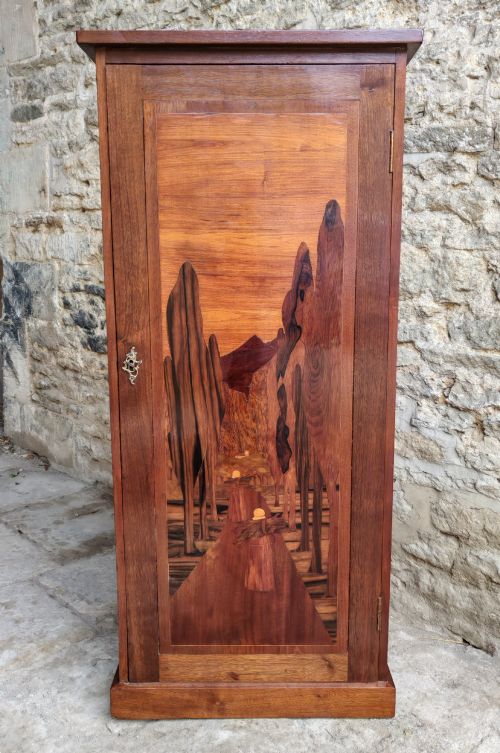
The pieces on this page appear in various regional and stylistic traditions, including Georgian, Victorian, Edwardian, and Arts and Crafts designs. Oak and mahogany dominate the selection, alongside painted pine and marquetry veneers, offering a compact footprint suited to modern interiors.
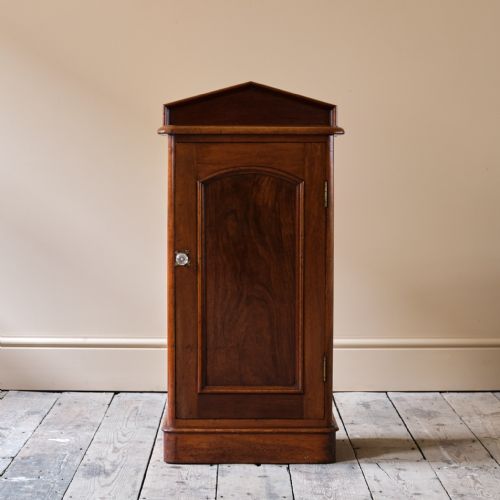
You are most likely to meet oak and mahogany examples from the nineteenth and early twentieth centuries, often featuring a single door constructed with a recessed or fielded panel. These cabinets serve practical storage roles while displaying the honest construction methods of their respective periods.
How they were made
Makers utilised solid timbers such as oak, mahogany, and pine, often assembling the carcase with traditional joinery methods. Selected pieces incorporate brass hardware, iron hinges, and glass elements.
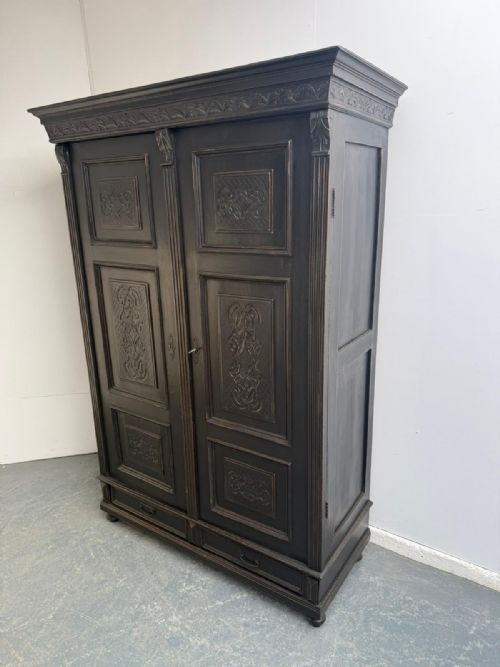
Surface treatments vary from polished finishes and natural wax to painted black pine and decorative marquetry veneers. Estate-made pieces demonstrate straightforward regional carpentry suited to domestic utility.
Vintage Single Panel Cupboard Retail Price Guide 2026
Typical asking prices for vintage single panel cupboard among the pieces listed under this phrase on Sellingantiques today, from the lower quarter to the upper quarter. They describe what is for sale here now, not the wider market.
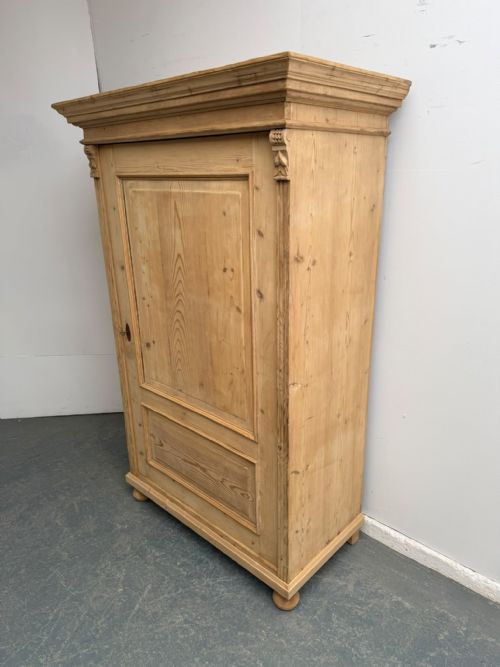
Hungarian painted pine brings a cheerful splash of folk art history straight to your bedroom wall.
What varies in quality
The distinction between standard utility items and finer examples lies in the selection of timber and the precision of the joinery. Superior pieces display carefully matched grain, well-fitted single panels, and original brass or iron hardware.
Decorative ambition also separates the range, moving from plain estate-made pine boards to sophisticated mahogany cabinets with marquetry veneers executed in the manner of specific designers.
The Vintage Single Panel Cupboard Glossary
- Fielded panel
- A central wooden panel with bevelled edges designed to fit within a grooved frame. This construction method allows the wood to expand and contract with humidity changes.
- Pot cupboard
- A small bedside cabinet historically designed to house a chamber pot. These compact pieces typically feature a single door and a small internal shelf.
- Marquetry veneers
- Thin slices of decorative wood applied to a carcase in patterned arrangements. This technique creates pictorial or geometric surface designs.
- Estate-made
- A term describing furniture produced locally on a landed estate for domestic or administrative use. These pieces often exhibit robust, straightforward construction.
Vintage Single Panel Cupboard: Frequently Asked Questions
What is a single panel cupboard?
A single panel cupboard is a compact storage item featuring a door constructed with one central wooden panel fitted inside a frame. These pieces include bedside cabinets, corner cupboards, and small wardrobes.
They provide enclosed storage while maintaining a narrow footprint suitable for smaller rooms or hallways.
How were these cupboards used historically?
These cabinets served various domestic storage functions depending on their form and room placement. Corner units utilised dead space in living areas, while pot cupboards sat beside beds.
Larger standing or hanging versions held garments and household linens in bedrooms and hallways.
Where should I place a vintage cupboard?
These compact cupboards fit well in bedrooms as bedside tables, in hallways for daily storage, or in corners where floor space is limited. Their modest proportions make them adaptable to modern layouts.
Consider the door swing and available wall space when selecting a corner or wall-mounted variation.
How do I date an antique cupboard?
Dating relies on observing the timber species, construction techniques, hardware, and stylistic indicators such as Arts and Crafts or Georgian details. Oak and mahogany predominate in earlier and mid-period pieces.
Examining internal fixings and backboards helps distinguish nineteenth-century examples from later twentieth-century reproductions.