
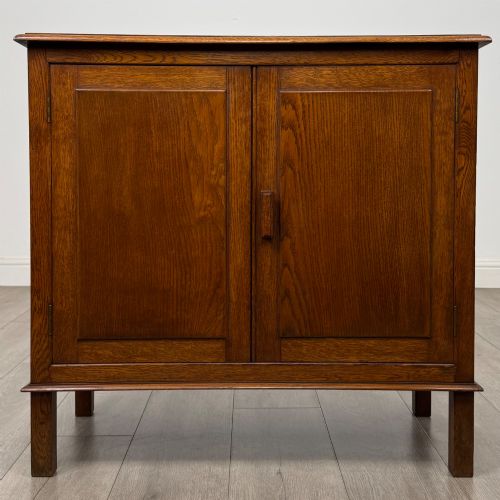
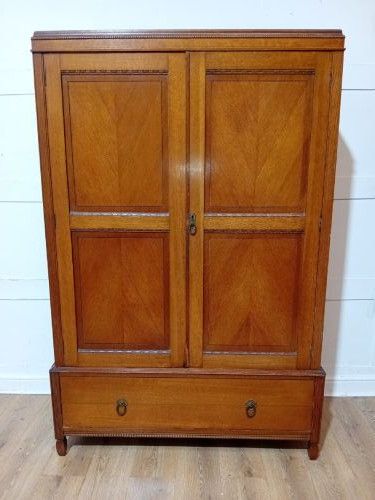
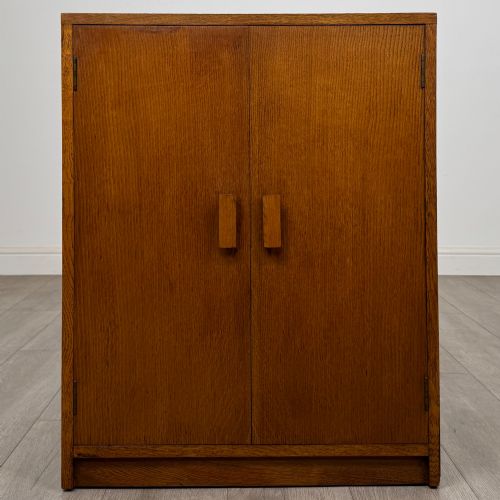
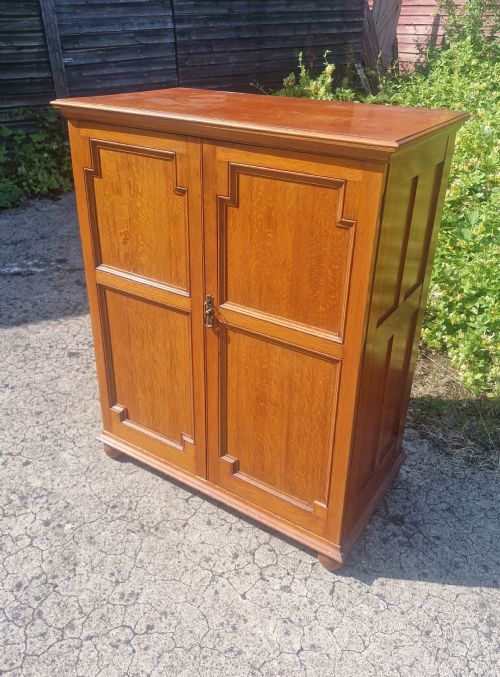

Vintage Oak Linen Cupboard
A vintage oak linen cupboard brings solid timber storage and architectural presence to a room, spanning periods from the eighteenth century to the mid-twentieth.
Vintage Oak Linen Cupboard
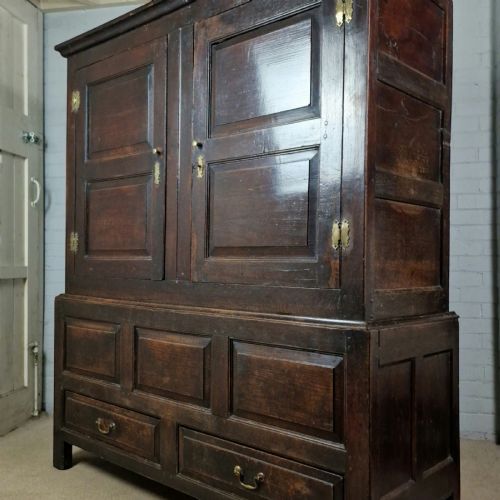
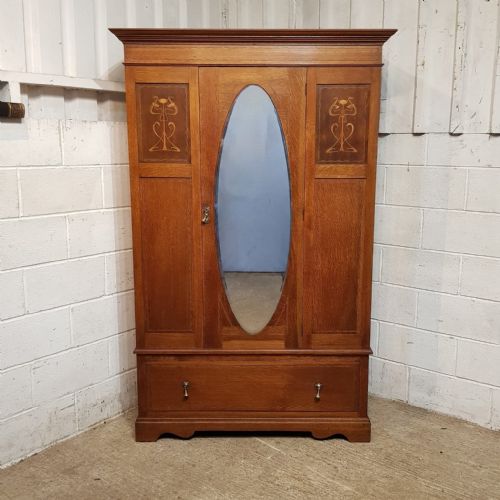
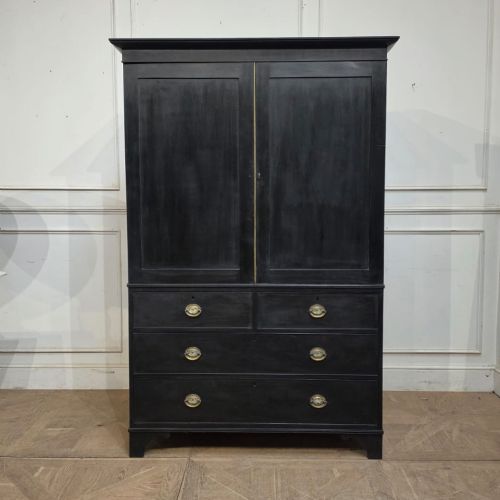
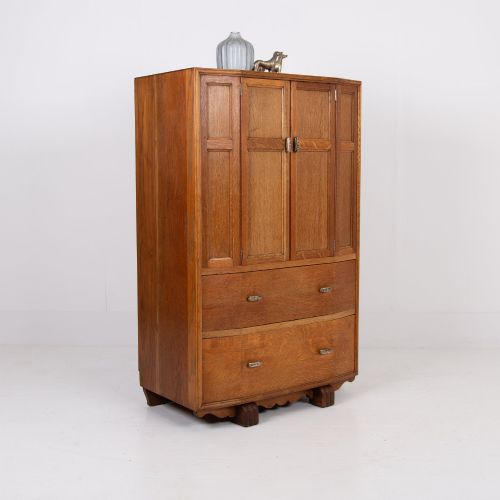
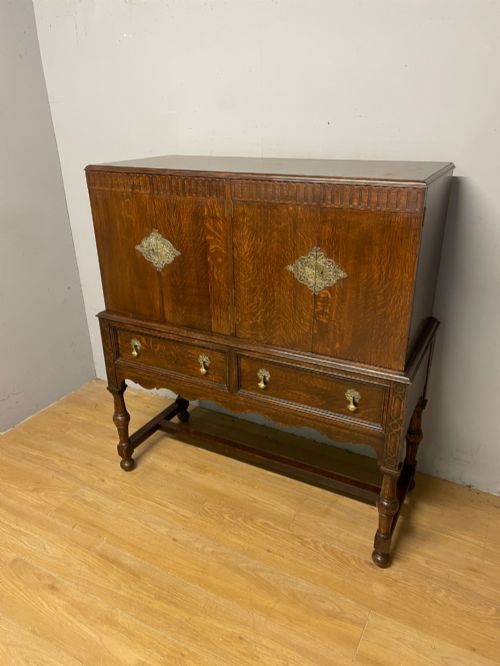
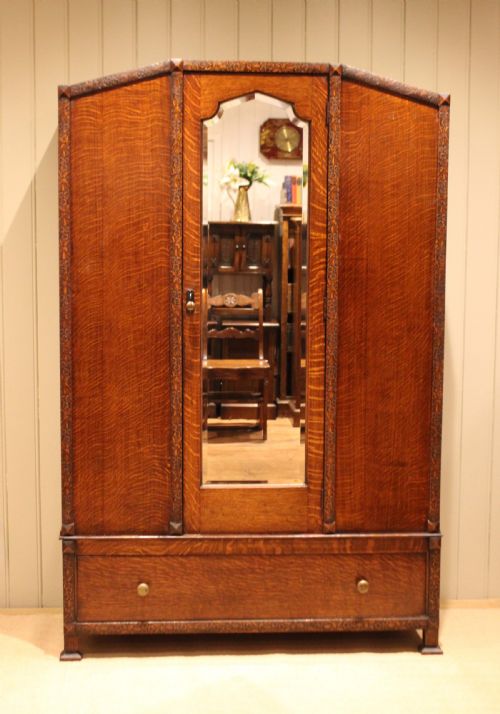
A vintage oak linen cupboard provides deep storage for household textiles and garments, appearing in forms ranging from Georgian press cupboards to Edwardian fitted wardrobes and early twentieth-century tallboys. Buyers searching for a vintage oak linen cupboard encounter pieces defined by sturdy timber construction, often configured as two-stage units with linen presses, hanging space, or internal shelving.
The selection on this page draws heavily from nineteenth-century and early twentieth-century workshops, alongside eighteenth-century Georgian and Dutch examples. Regional variations include French armoires, Welsh vernacular dressers, and Cotswold School cabinets alongside standard English domestic wardrobes.
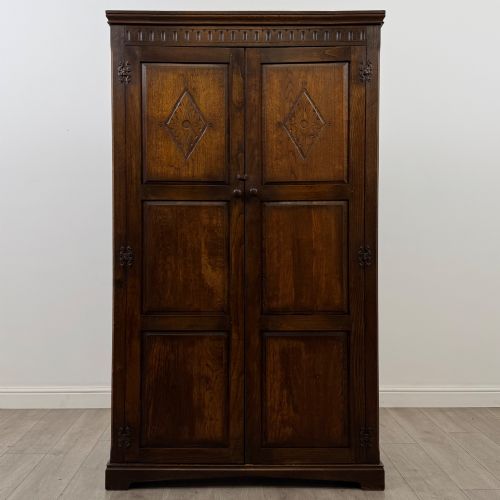
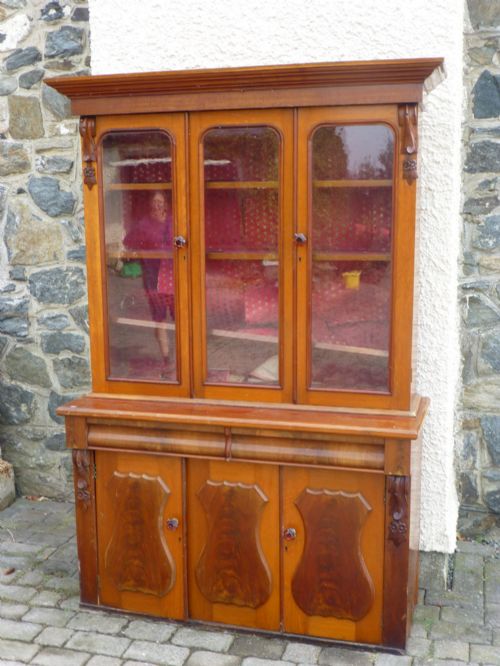
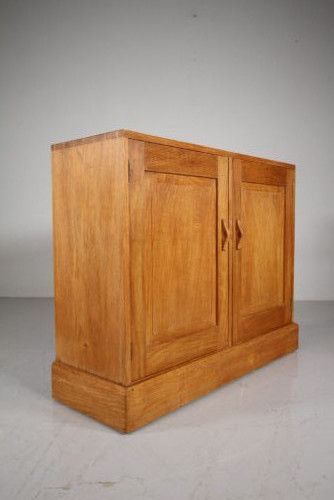
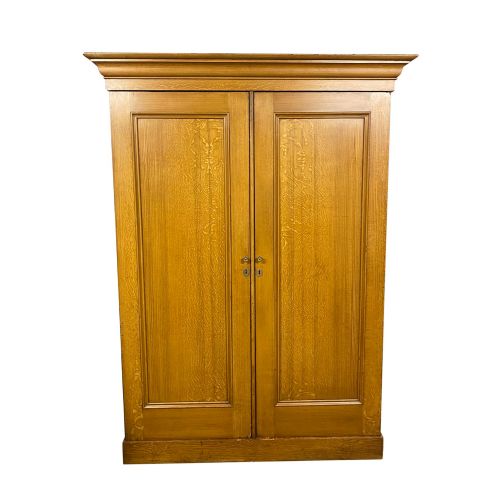
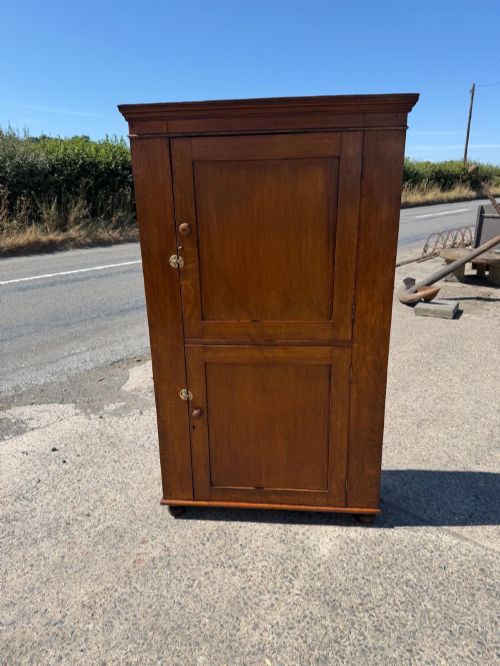
Forms vary from compact two-door cabinets on bun feet to large breakfront armoires and triple kitchen glazed dresser bookcases. Buyers typically find sturdy panelled doors, linen-fold carvings, or mirrored panels reflecting the stylistic shifts from heavy revivalism to simpler modernist lines.
Assessing quality and craftsmanship
The distinction between standard utility furniture and superior examples lies in the selection of the timber and the depth of the cabinetmaker's carving. High-quality pieces display well-figured grain, precise joinery, and well-balanced proportions across multi-stage carcasses.
Originality of hardware and surface finish significantly separates finer regional and period pieces from later alterations. Pieces retaining their original feet, cornices, internal linen slides, and glass or panelled doors hold greater integrity.
Several cupboards preserve the scent of old linen and beeswax locked inside their drawers for over a century.
Harris Lebus
The Vintage Oak Linen Cupboard Glossary
- Linen press
- A large storage cabinet traditionally used for storing folded linen and garments, usually featuring sliding trays in the upper section and drawers below.
- Compactum
- A fitted wardrobe or multi-compartment wardrobe designed to maximise storage efficiency within a relatively compact footprint.
- Scumble paintwork
- A decorative paint technique applied to simulate the appearance of finer timber grain, such as oak, over a softer base wood.
- Linen-fold
- A carved wooden panel motif resembling folded cloth or linen, popular in revivalist furniture styles.
- Cross-banding
- A decorative border of veneer laid around the edges of a panel with the grain running perpendicular to the centre.
Vintage Oak Linen Cupboard: Frequently Asked Questions
How do I date an oak linen cupboard?
Dating relies on observing construction methods, hardware, and stylistic details such as linen-fold carving or Georgian cross-banding. Earlier pieces from the eighteenth century often feature hand-planed timbers and pegged frames.
Later Edwardian and twentieth-century examples introduce machine-cut joints, mirrors, and fitted internal compartments designed for modern clothing storage.
What is the difference between a linen press and a wardrobe?
A linen press traditionally combines sliding internal trays or shelves in the upper section with deep drawers in the base for storing folded textiles. Wardrobes are primarily designed for hanging garments on rails within a full-length vertical compartment.
Over time, many vintage pieces blur these definitions as cupboards were adapted for modern hanging use.
Will an oak cupboard fit in a modern bedroom?
Vintage oak cupboards come in various proportions, from compact two-door cabinets and hall robes to large multi-stage armoires and breakfront units. Measuring ceiling height and access stairwells is essential before purchasing larger Georgian or French pieces.
Many period cupboards can be partially dismantled for transport and installation.
How should I care for vintage oak furniture?
Maintaining solid oak requires placing pieces away from direct heat sources and sudden humidity changes to prevent timber splitting. Regular dusting with a dry cloth and occasional application of traditional beeswax preserves the natural lustre of the wood.
Avoid silicone-based sprays that can penetrate the grain and alter the finish over time.