
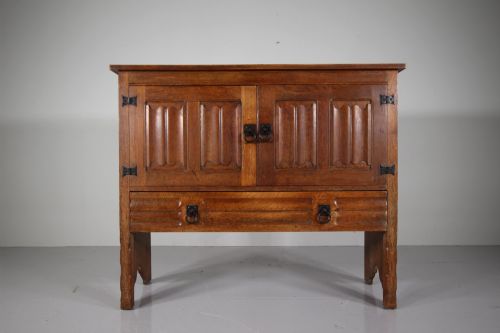
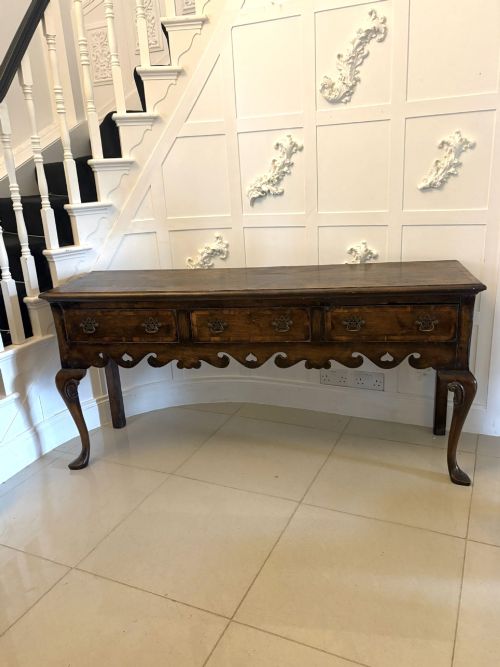
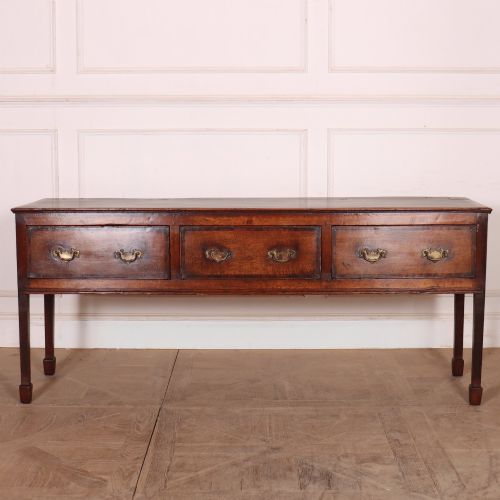
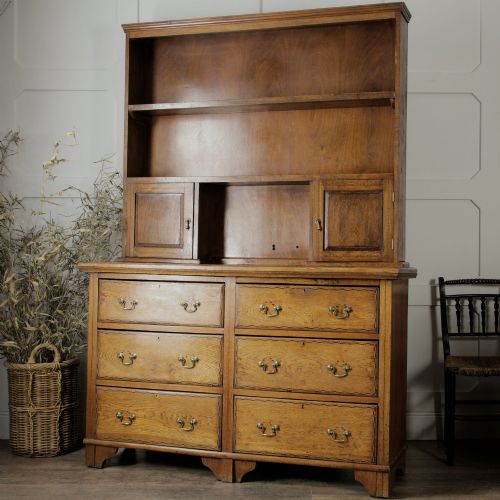
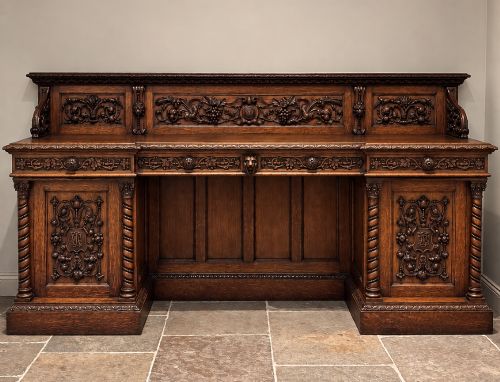


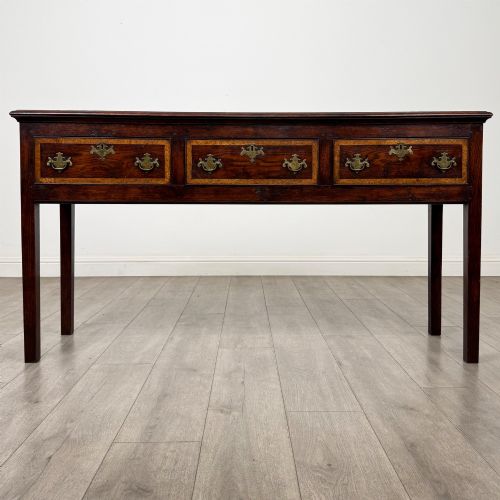
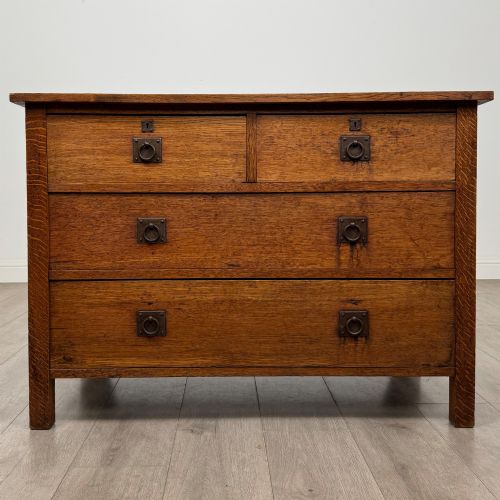
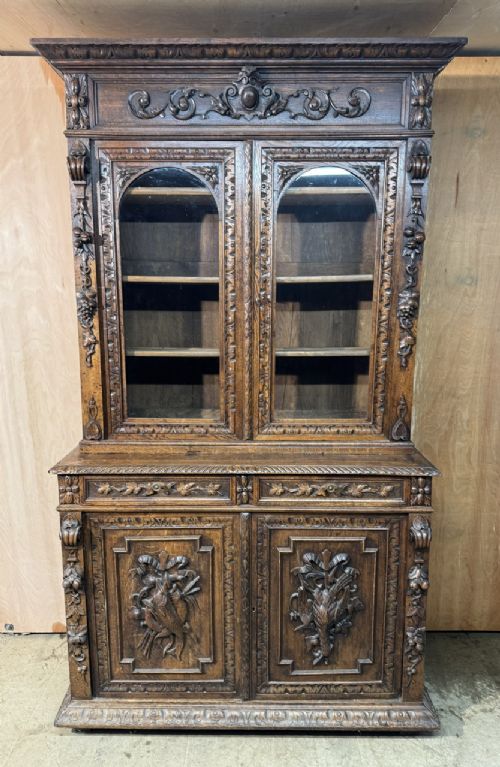
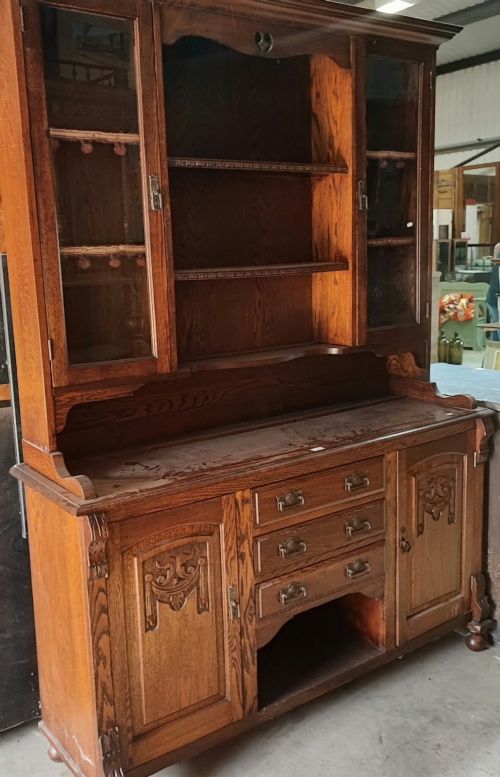
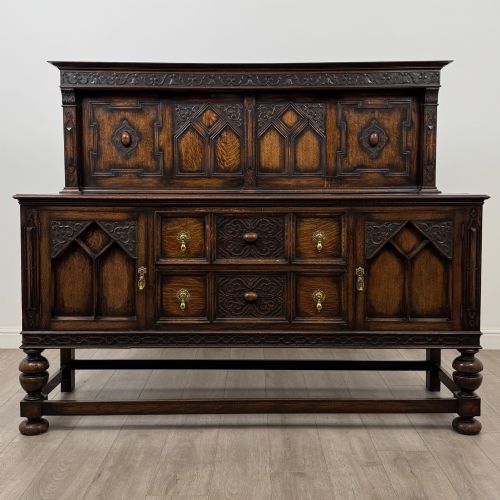
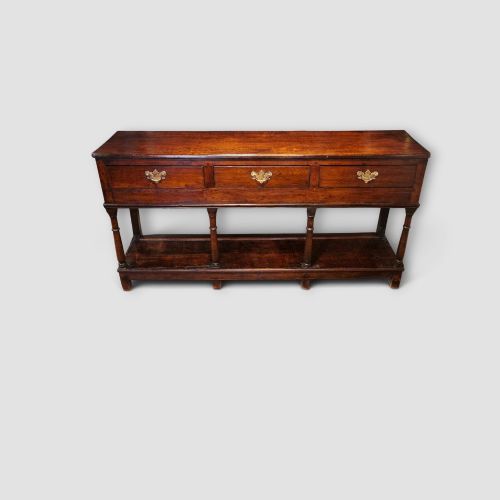
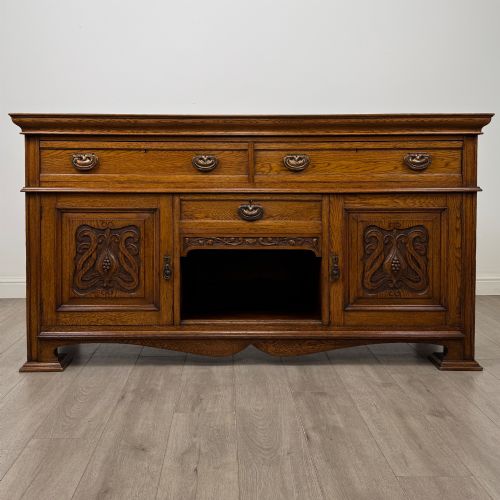
Brown Oak Sideboard Dresser
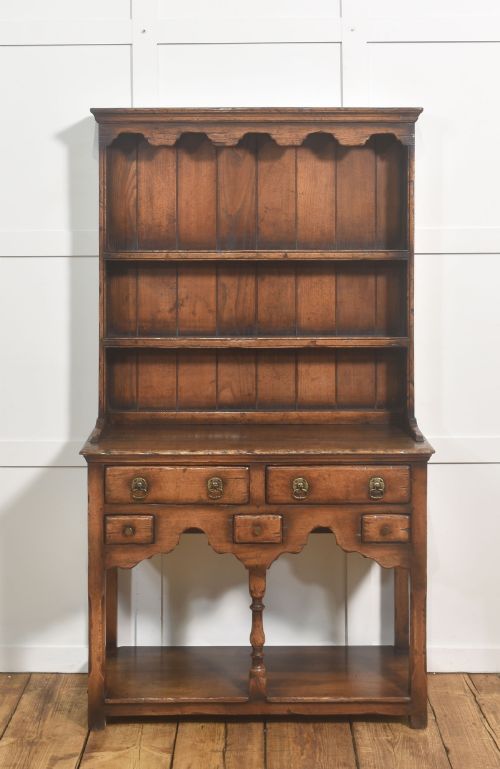
These brown oak sideboard dresser pieces unite storage and display, offering solid timber construction built to hold household provisions while anchoring a room.
Brown Oak Sideboard Dresser
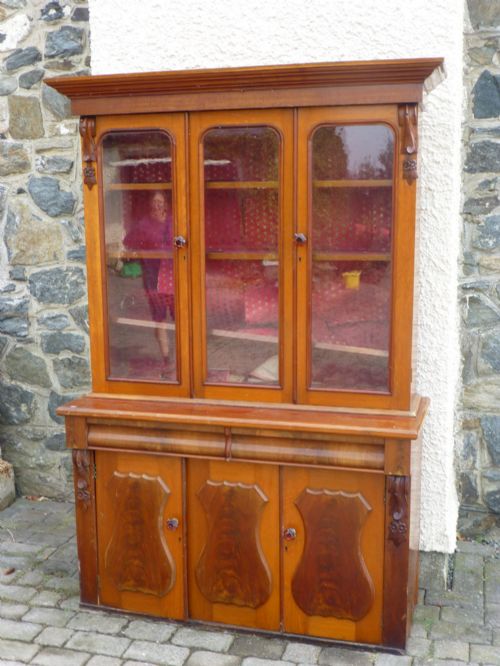
A brown oak sideboard dresser combines utilitarian storage with practical surface space, drawing together formats like dresser bases, potboard tables, and enclosed cabinets. The pieces span centuries of cabinetmaking, moving from Georgian and George III proportions through Victorian and Edwardian interpretations.
Buyers encounter distinct regional variations among these formats, including English county iterations, Welsh designs with plate racks, and French provincial enfilades. Construction ranges from low serving tables to tall cupboard combinations utilising mahogany or fruitwood accents alongside primary timber.
The material palette centres on solid oak, frequently displaying deep patination acquired over generations of domestic use. Pieces take stylistic cues from Arts and Crafts movements, Jacobean revivals, and Gothic details such as Strawberry Hill motifs.
Materials and construction
Makers relied primarily on solid oak, selected for durability and finished with traditional hand-planed surfaces that reveal natural grain patterns and rich brown tones. Secondary woods like fruitwood and mahogany appear in specific elements such as crossbanding or internal drawer linings.
Hardware consists of forged iron, brass handles, and wrought iron fixings that secure panelled doors and drawer banks. Glazed sections incorporate clear or patterned glass panes set into timber framing for upper display compartments.
The documented styles span Georgian, English Country, Arts and Crafts, Victorian, and Jacobean Revival.
Judging execution and finish
Quality rests in the precision of the joinery, from hand-cut dovetails on drawer construction to the stability of potboards and structural frames. Superior examples display thoughtful timber selection, ensuring consistent grain movement and harmonious colour across large surfaces.
Carved ornamentation and surface enrichment demonstrate the maker's hand, where crisp relief work on panels and mouldings distinguishes finer workshops from utilitarian production. The depth of the natural patina and the preservation of original brass or iron hardware further elevate an example.
Ambrose Heal for Heal & Son·Peter Waals
The Brown Oak Sideboard Dresser Glossary
- Potboard
- An open slatted lower shelf found beneath a dresser base, traditionally used for storing pots and heavy kitchen utensils.
- Dresser base
- The lower section of a kitchen or dining dresser, typically configured with multiple drawers above cupboards or an open shelf.
- Enfilade
- A long sideboard or cabinet featuring a series of adjacent doors, originating in French domestic architecture and formal dining rooms.
- Crossbanding
- A decorative border technique where thin strips of veneer are laid across the grain to frame drawer fronts or cabinet doors.
- Patina
- The surface sheen and deep coloration developed on timber over decades of exposure, handling, and wax polishing.
Brown Oak Sideboard Dresser: Frequently Asked Questions
How do I care for antique oak furniture?
Maintain timber surfaces by applying natural beeswax sparingly and buffing with a soft cloth to preserve the finish.
Keep pieces away from direct heat sources and strong sunlight to prevent timber movement or surface drying.
How do I distinguish 18th-century pieces?
Examine the drawer construction for hand-cut dovetails and inspect timber surfaces for tool marks left by early hand planes.
Older examples often exhibit pegged joinery and deeper patination acquired through extended domestic use.
Where were these pieces used originally?
Kitchens, pantries, and dining rooms served as the primary locations for these storage units in domestic properties.
They functioned both as functional work surfaces for food preparation and as display areas for ceramic plates.