




Brown Oak Shield
A brown oak shield brings the rich, imposing weight of centuries of British craftsmanship and sporting tradition directly into a room.
Brown Oak Shield
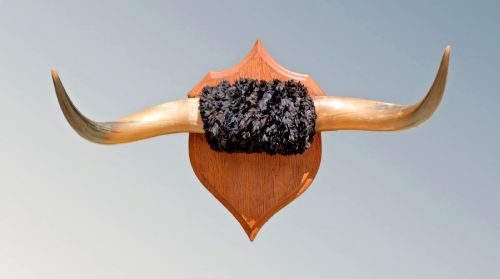
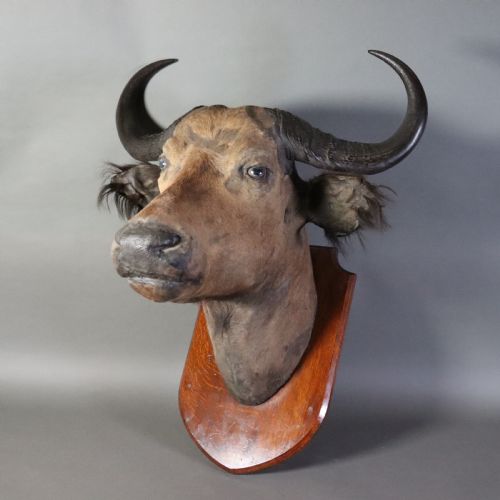
A brown oak shield functions primarily as a striking architectural wall plaque, a heraldic crest, or a robust mounting board for taxidermy trophies and horns. When you search for a brown oak shield, you encounter pieces that range from carved Victorian heraldic displays and Pugin-inspired designs to practical hotel reception key boards and rustic backing panels for antlers. These objects capture a distinct nineteenth and early twentieth-century taste for dramatic interior woodowork and natural history.
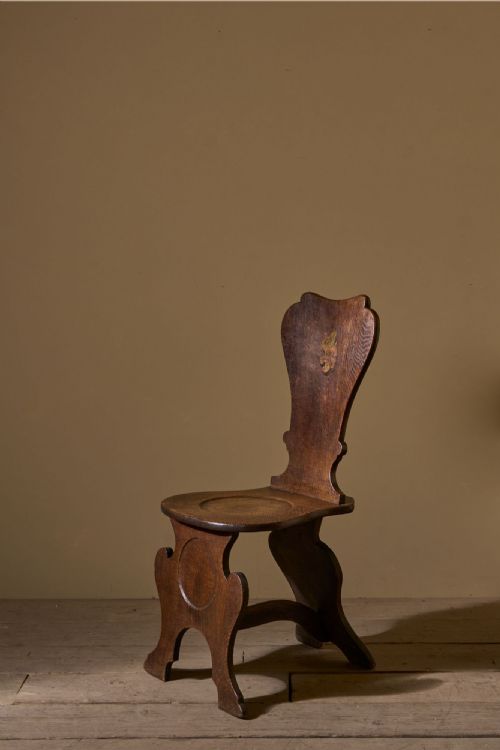
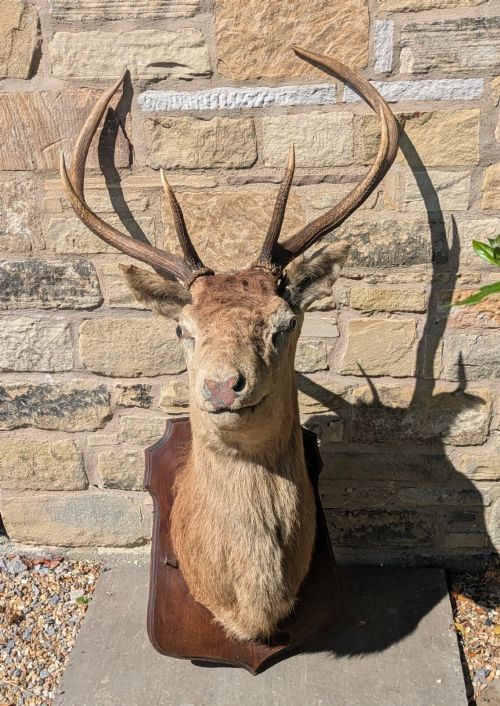
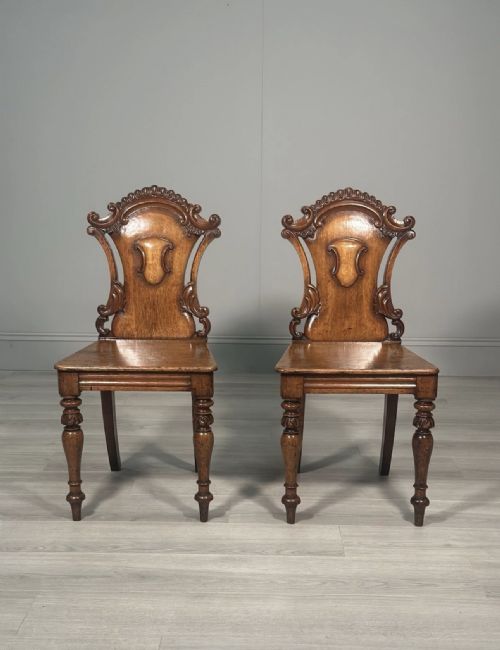
On this page, the most frequently met versions combine solid timber mounts with taxidermy elements such as red stags, roebucks, and fox masks, or form the shaped wooden backs of Victorian and Edwardian hall chairs. The material character relies heavily on the deep, warm tones of oak, sometimes rendered in tiger oak or golden oak, shaped into the distinct tapering contours of a shield. They bridge the gap between functional furniture, such as hall chairs and humidor cigar boxes, and purely decorative wall decor.
How they were made
The primary material underpinning these pieces is solid oak, worked by hand into carved armorial panels, shaped chair backs, and sturdy taxidermy mounting shields. Craftsmen utilised traditional woodworking techniques, employing deep relief carving to render heraldic lions, cherubs, and scrolling foliage with crisp definition.
Metal and animal components complement the timber construction across many items. Silver and silver plate provide contrasting mounts for biscuit boxes and presentation bowls fixed to oak bases, while hide, glass, and antler are integrated into taxidermy wall mounts by notable firms.
The listings on this site span from the 17th century through the Edwardian era, predominantly featuring oak timber combined with taxidermy, silver plate, and carved heraldic motifs.
What varies in quality
Quality in these items rests upon the depth and precision of the carving and the proportional harmony of the shield back itself. Superior examples display crisp, hand-chiselled details in the oak foliage and heraldic devices, whereas lesser pieces rely on mechanical stamping or simpler, unadorned timber planes.
The integration between the wooden mount and its accompanying taxidermy or metalwork also dictates the standing of a piece. Master taxidermists and silversmiths ensured that the grain of the oak complemented the organic contours of horns and pelts, creating a cohesive visual unit rather than a disparate assembly of parts.
Peter Spicer & Sons·Gerrard & Sons London·John Grinsell & Sons
The Brown Oak Shield Glossary
- Shield back
- A chair design where the wooden backrest is shaped into the tapering silhouette of a heraldic shield. This form became particularly popular during the Victorian and Edwardian periods for hall chairs.
- Tiger oak
- A descriptive term for quartersawn oak timber that exhibits striking, mottled medullary ray patterns resembling tiger stripes. It was frequently utilised in high-end nineteenth-century furniture and decorative panels.
- Taxidermy mount
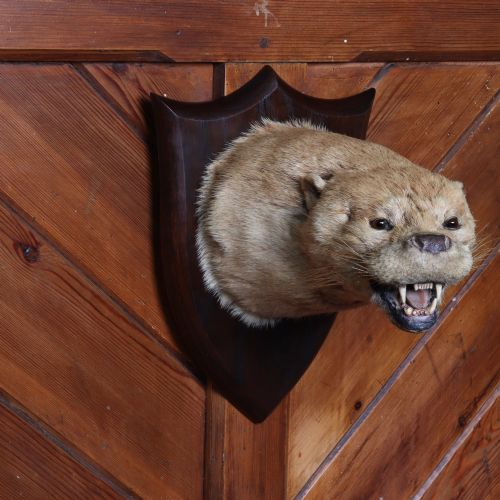
- A preserved animal specimen, often a head, mask, or horns, affixed to a prepared wooden board for display. In these listings, the boards are almost exclusively shaped oak shields.
- Heraldic lion
- A traditional lion motif depicted in heraldry, frequently carved in high relief on nineteenth-century oak wall plaques and chair crests. It reflects an enduring interest in lineage and symbolic design.
Brown Oak Shield: Frequently Asked Questions
What is a brown oak shield used for?
These pieces serve primarily as decorative wall plaques, heraldic displays, or robust backing boards designed to support taxidermy trophies and antlers. They bring a distinct nineteenth-century sporting aesthetic into domestic interiors.
Beyond taxidermy mounts, the form also appears as the shaped backrest of Victorian hall chairs and as specialised wooden mounts for presentation bowls and key boards.
How do I identify the period of an oak shield?
Dating relies on observing the carving style, the type of oak used, and any associated taxidermy or silver hallmarks. Victorian and Edwardian examples often feature deep Gothic Revival or Pugin-inspired relief carving.
Earlier pieces from the seventeenth or eighteenth centuries display heavier, more rudimentary hand-tool marks and darker patination. Examining the reverse of the wood often reveals period construction methods.
Where were these pieces originally displayed?
Historically, taxidermy shields and heraldic plaques hung in the grand halls, libraries, and smoking rooms of country houses and sporting lodges. They projected an atmosphere of outdoor pursuits and ancestral lineage.
Smaller iterations, such as silver-mounted boxes and hall chairs, found their place in entrance hallways and reception rooms of Victorian and Edwardian homes.
How should I care for antique oak and taxidermy?
Antique oak benefits from occasional treatment with quality beeswax to nourish the wood and maintain its deep lustre. Avoid placing timber pieces in direct sunlight or near heat sources to prevent splitting.
Taxidermy elements require gentle dusting with a soft brush and should be kept away from damp environments to preserve the hide and hair.