






Brown Oak Sculpture
Brown oak sculpture brings centuries of carved timber into a room, offering tactile historical depth and rich natural grain.
Brown Oak Sculpture
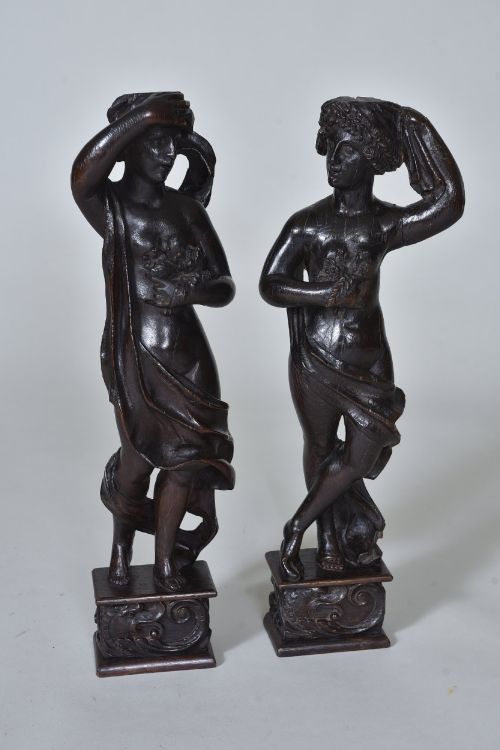
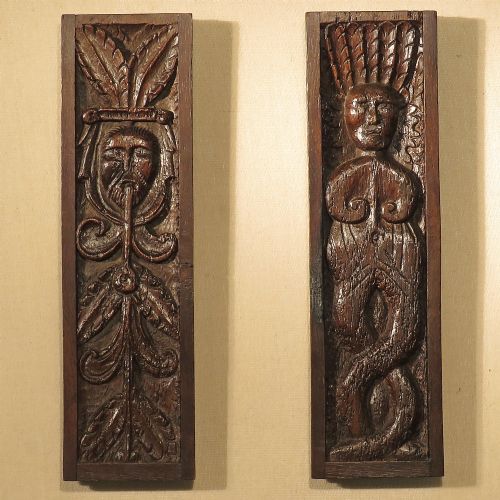
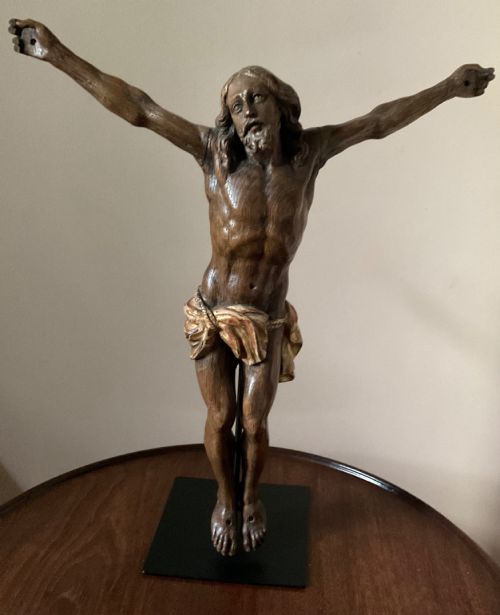
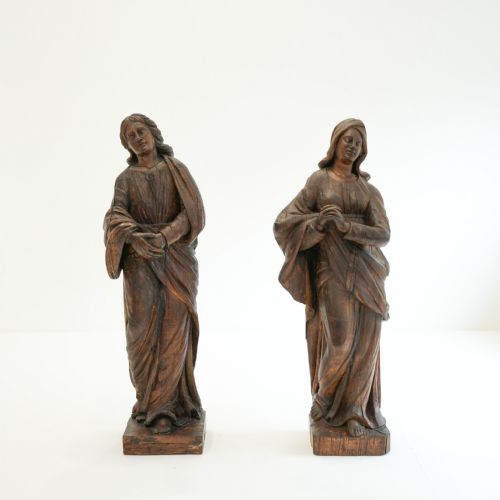
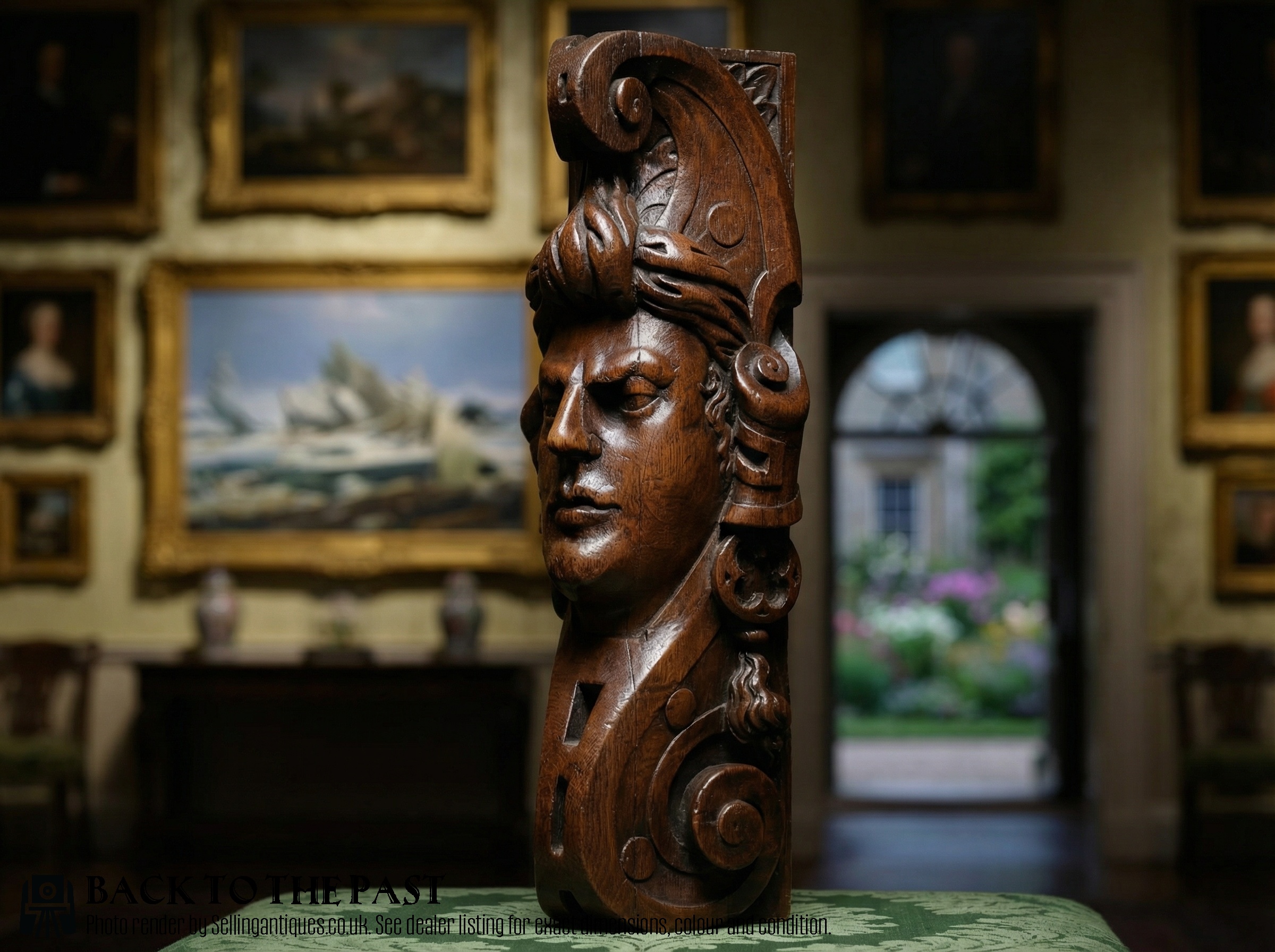
A brown oak sculpture represents carved wooden figures, panels, and architectural ornaments spanning from the pre-sixteenth century through to the twentieth century. These pieces range from devotional saints and religious reliefs to secular figures, heraldry, and architectural salvage like corbels and columns.
Most items you encounter lean heavily into traditional European craftsmanship, displaying Gothic, Baroque, and Renaissance styles alongside later Victorian and folk art interpretations. Continental workshops from Germany, Flanders, and Italy dominate the forms, alongside British and French examples.
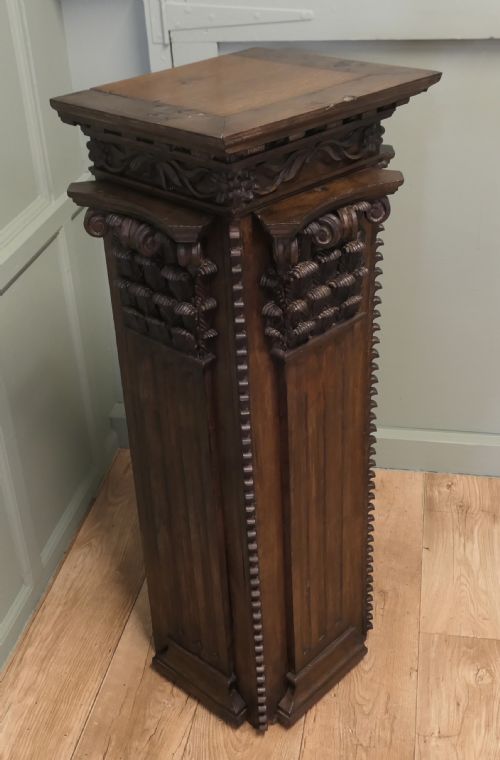
The objects serve as focal points in interiors, whether as freestanding statues of apostles and cherubs, wall-mounted masks, or functional lecterns depicting eagles and saints. Their character stems entirely from aged hardwood developed over generations.
Materials and carving techniques
Makers shaped these sculptures from solid oak, hardwood, and occasionally lindenwood, carving directly from seasoned timber using gouges and chisels. The natural grain of the wood dictates the surface texture, while secondary treatments sometimes include parcel gilt or gilt highlights to accent drapery and halos.
Joinery and construction methods align with the period of origin, utilising pegged tenons for larger structural elements like columns or panel assemblies. Surfaces often show tool marks left by the carver, preserved beneath centuries of wax or dry patination.
Assessing quality in antique carvings
Quality rests on the depth of relief and the anatomical understanding demonstrated by the carver, separating rigid folk interpretations from fluid masterworks. Expression in faces, the natural fall of drapery, and the crispness of surviving detail dictate the standing of a piece.
Condition and originality define the upper tier of the range, favouring sculptures retaining their original surface finish, polychrome, or parcel gilding without excessive modern intervention or structural timber replacement.
Franz Keller
The Brown Oak Sculpture Glossary
- Corbel
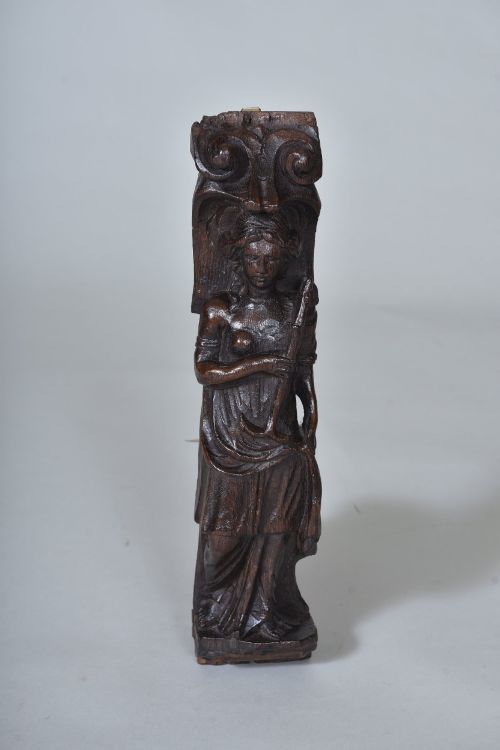
- A projected block of timber supporting a weight above, frequently carved into figures or masks. These architectural elements project from walls to bear beam ends.
- Relief
- A sculptural technique where figures project from a flat background plane. High relief brings forms far forward, while low relief stays shallow.
- Solomonic
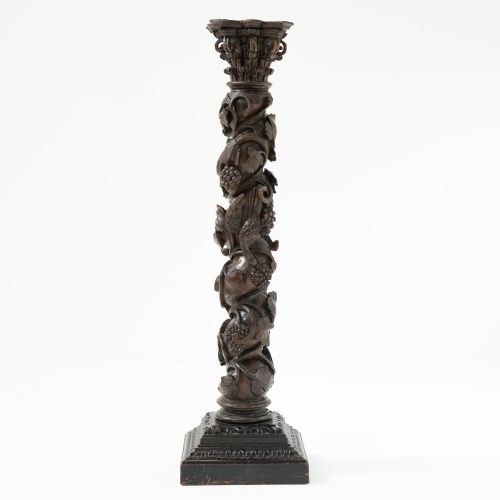
- A helical twisting column shape associated with Baroque architecture and furniture. This spiral form adds dynamic movement to pedestals.
- Corpus Christi
- A representation of Jesus Christ on the cross. These figures focus on the anatomy of the crucifixion.
Brown Oak Sculpture: Frequently Asked Questions
How do I date a carved oak figure?
Dating relies on stylistic clues like Gothic drapery folds versus Baroque movement, alongside the tool marks and ageing of the timber itself. Examining the back of the panel or statue often reveals period construction methods.
Comparing the piece to documented regional workshops helps narrow down the century of origin.
Where should I place a heavy wooden sculpture?
Position these works away from direct heat sources and strong sunlight to prevent the timber from splitting or drying out. Stable interior walls suit wall-mounted reliefs and corbels.
Freestanding figures and pedestals require level surfaces where they can be appreciated from multiple angles.
What is a Green Man panel?
A Green Man panel depicts a human face surrounded by or sprouting from foliage and vines. This ancient motif signifies rebirth and spring.
Examples appear frequently in architectural woodwork and church furnishings across European history.
How do I care for antique carved oak?
Maintain the wood with occasional applications of natural beeswax to nourish the dry surface and preserve the patina. Avoid using liquid polishes or modern silicones that seal the timber.
Dust gently with a soft, dry brush to reach into the deep recesses of the carving.